

When a hurricane, ice storm, or grid failure knocks out power, the first 72 hours are the most critical. That is why emergency managers everywhere tell households to plan for three days of self-sufficiency. A well-built 72-hour home power kit keeps your lights, refrigerator, medical devices, and communications running until the grid comes back — without the noise, fuel, or fumes of a gasoline generator.
In this guide, we will show you how to size a backup battery, which loads actually matter, and how to assemble a kit that is ready before the storm warning arrives.
What Is a 72-Hour Home Power Kit?
A 72-hour home power kit is a self-contained backup power system designed to run essential devices for three full days. It usually includes:
- A portable power station or home battery as the core
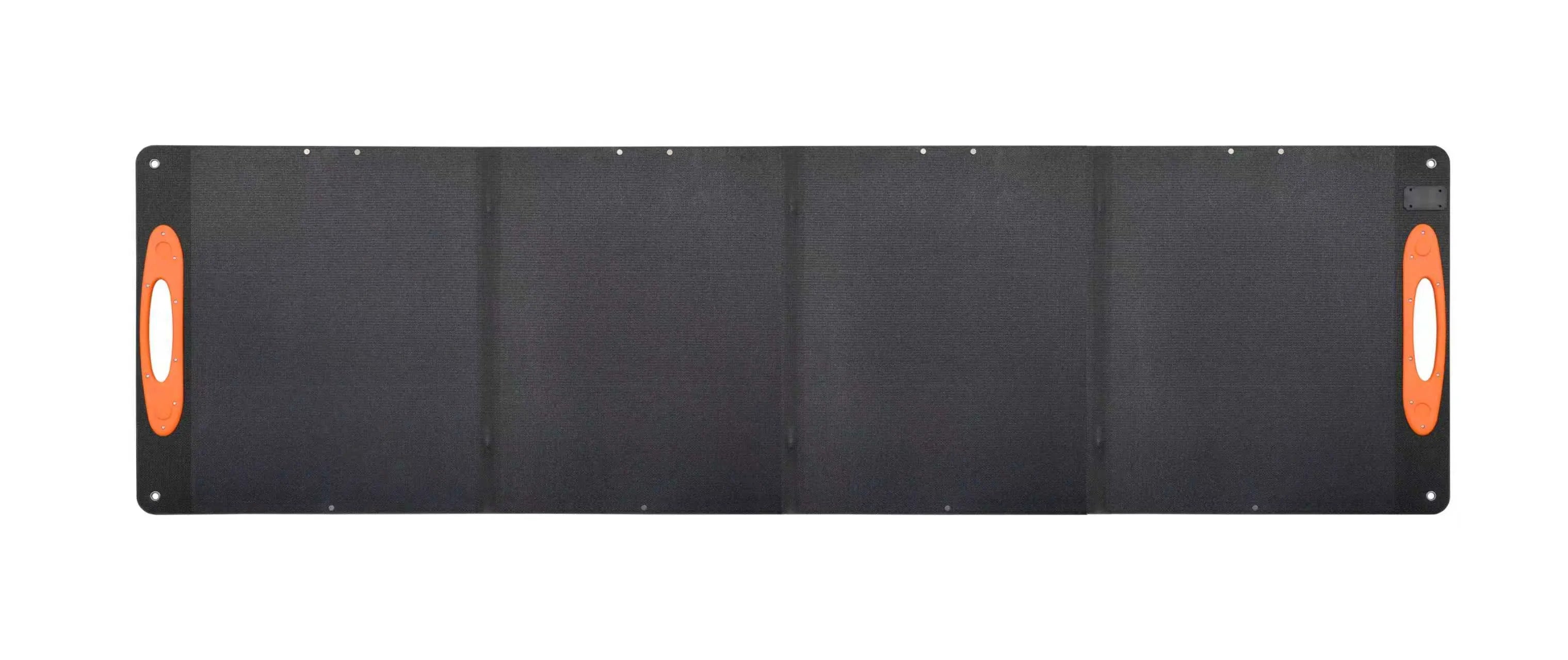
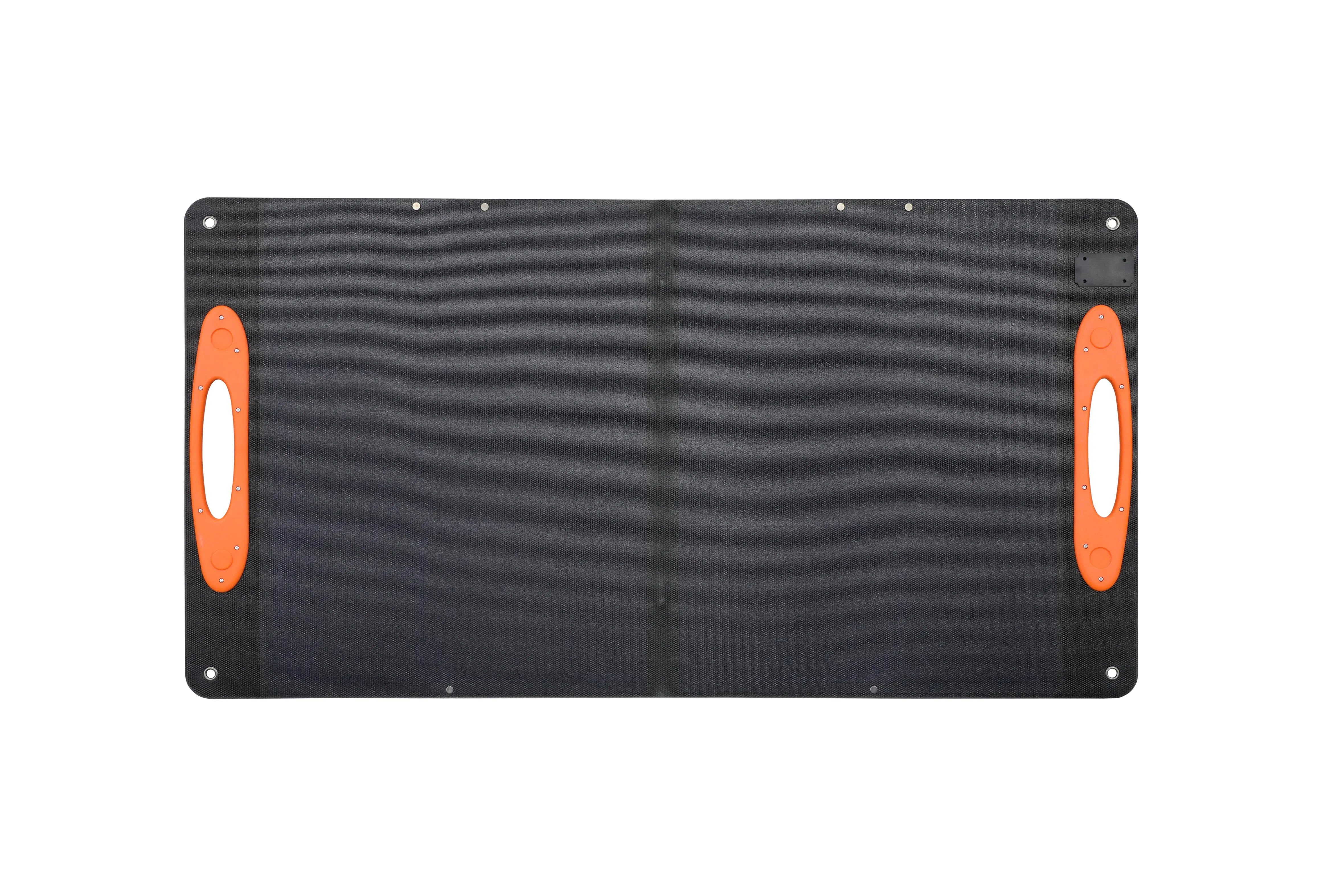
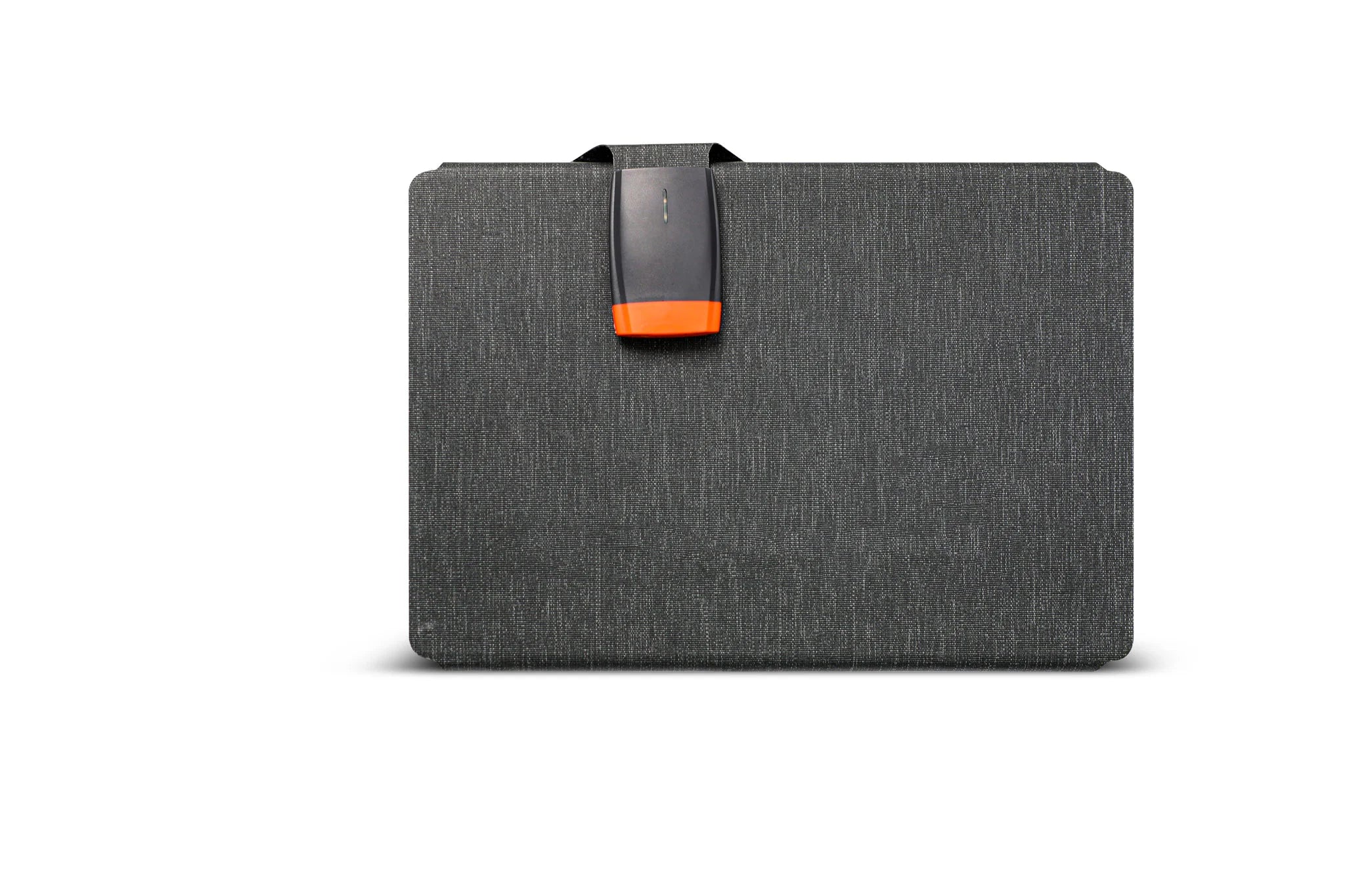
- Solar panels or a car charger to extend runtime
- LED lights, phone chargers, and radio/communication gear
- Cold-storage plan for medicines and perishables
- Basic cables and adapters
The goal is not to power everything in your house. It is to keep the essentials alive until normal service returns.
Essential Loads vs. Nice-to-Have Loads
The first step in building your kit is deciding what must stay on. Divide your devices into tiers:
| Tier | Devices | Why It Matters |
|---|---|---|
| Critical | CPAP, oxygen concentrator, refrigerator for insulin/meds, phone, flashlight, radio | Health and communication; keep these running at all costs |
| Important | Wi-Fi router, laptop, LED room lights, fan, chest freezer | Comfort, work, and food preservation; run selectively |
| Convenience | TV, coffee maker, microwave, gaming console | Nice during an outage but can be dropped first |
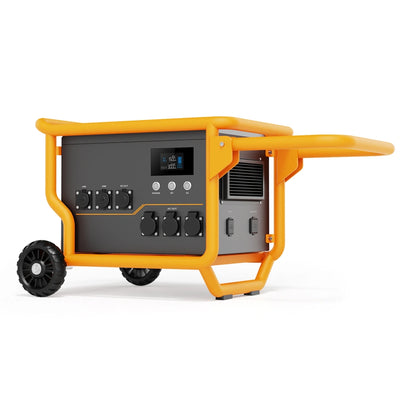
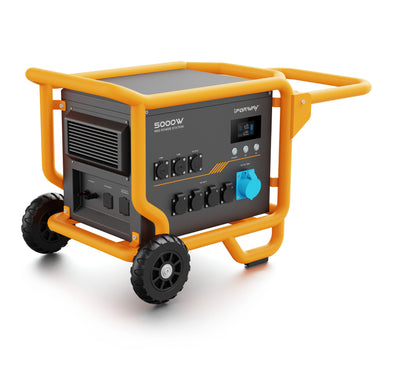
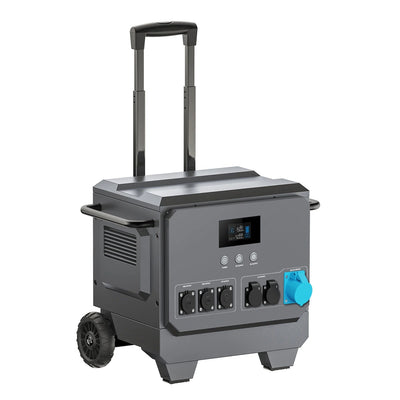
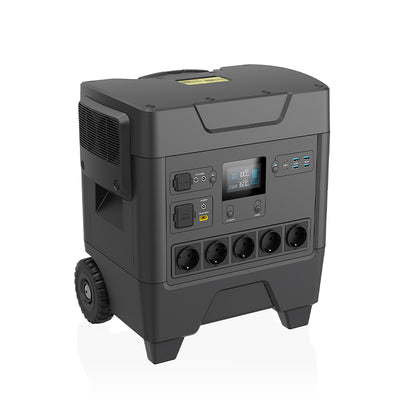
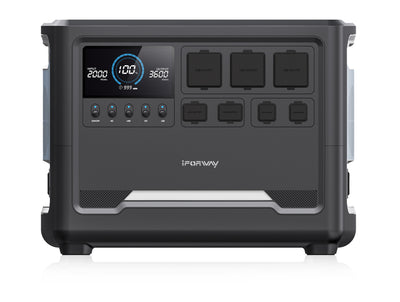
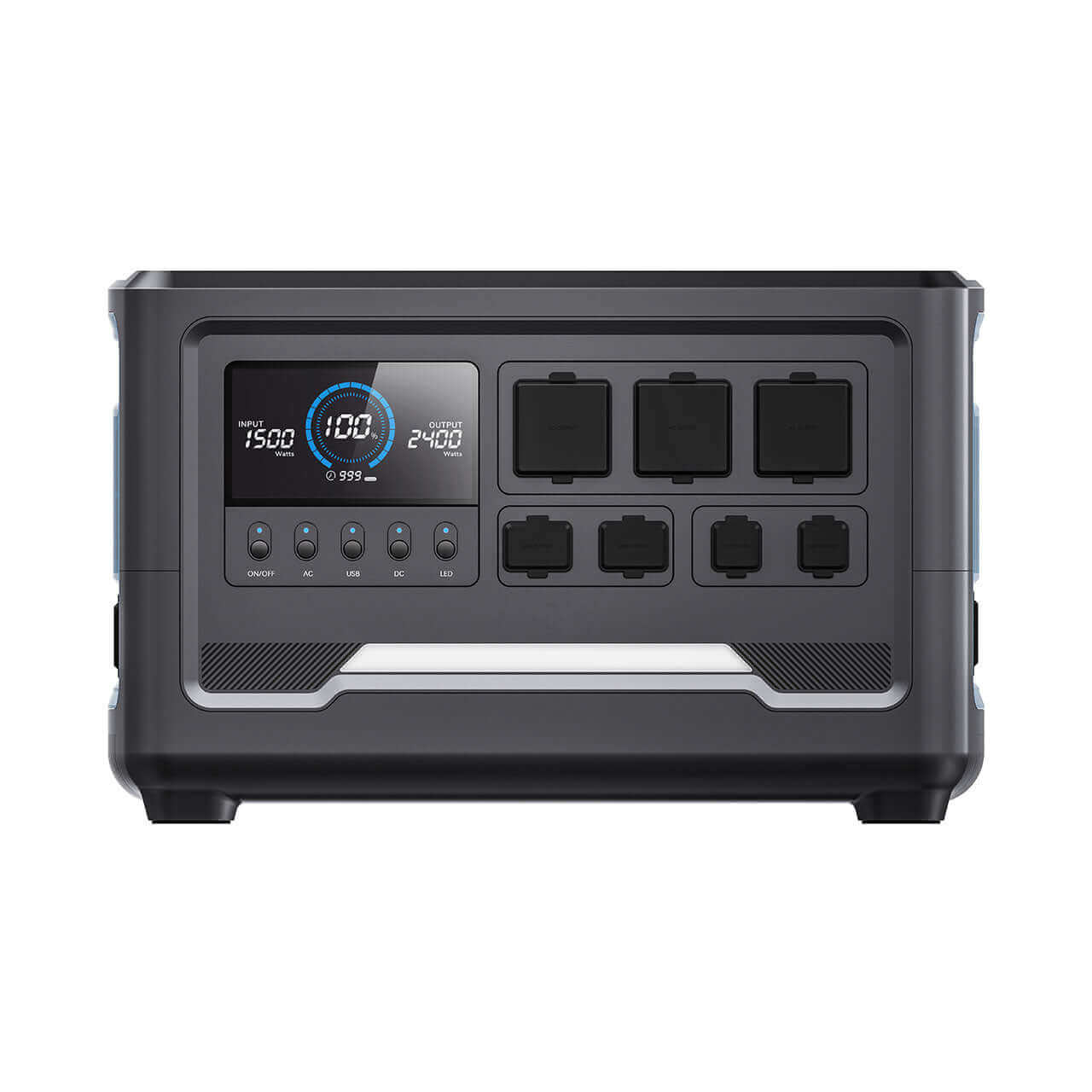
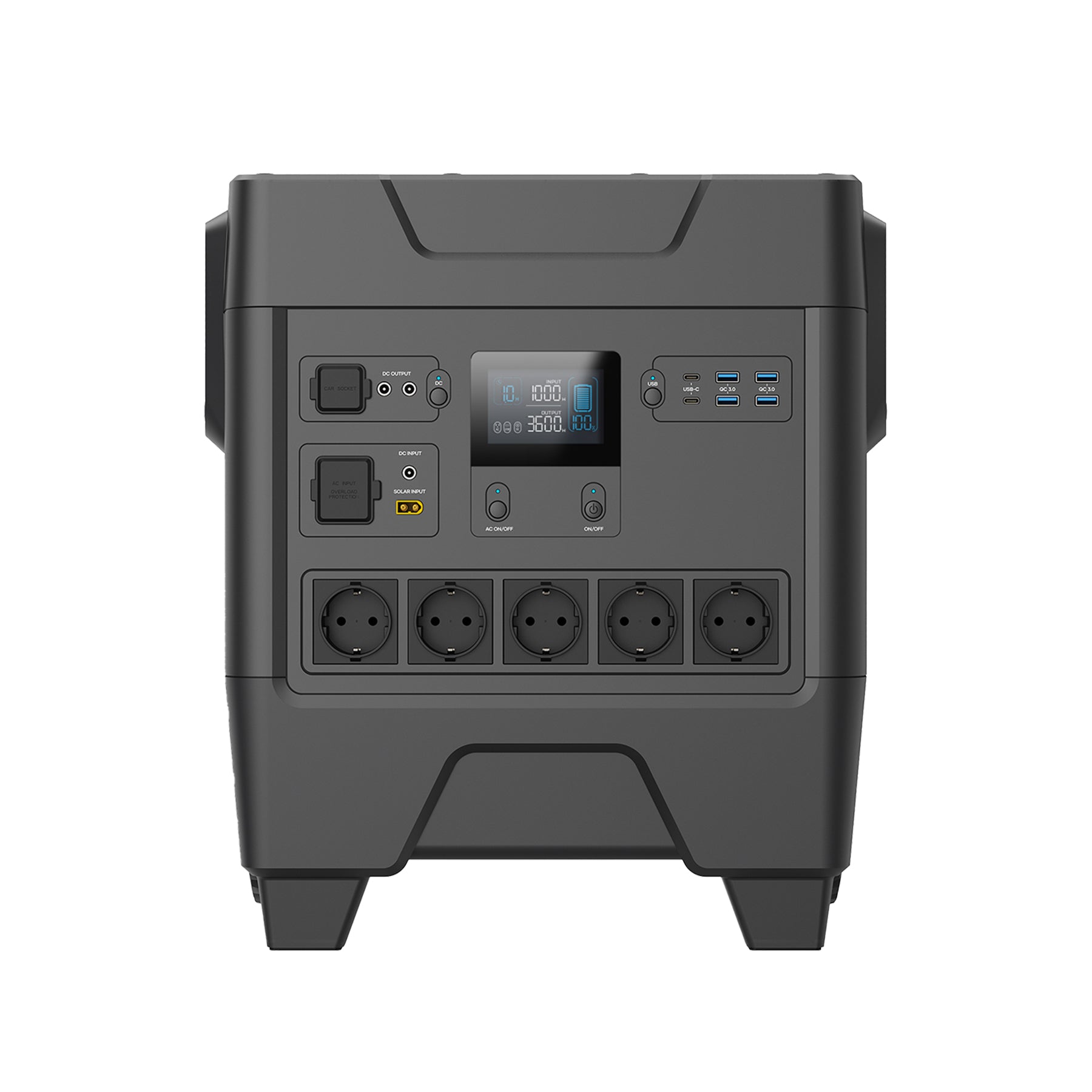
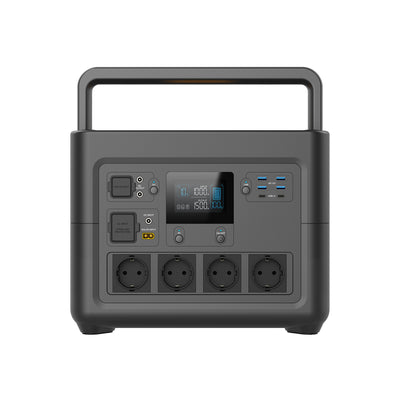
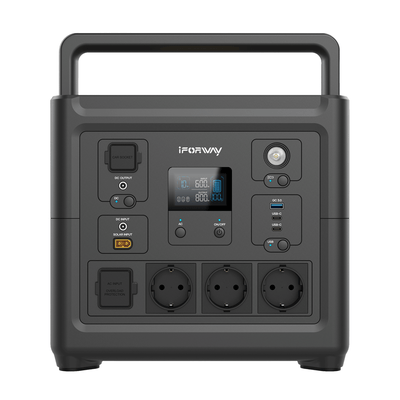
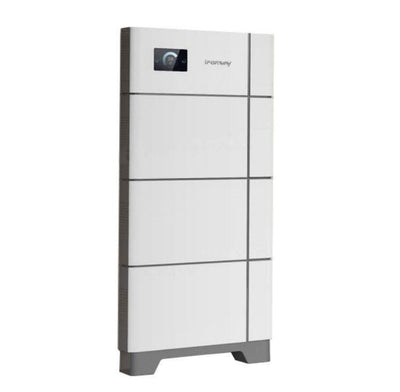
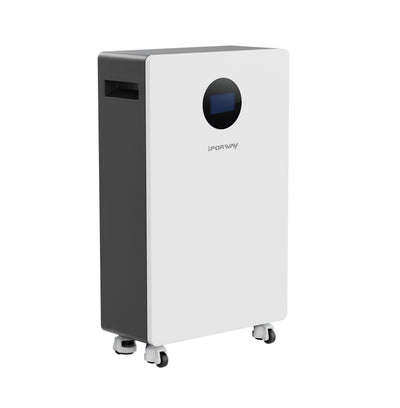
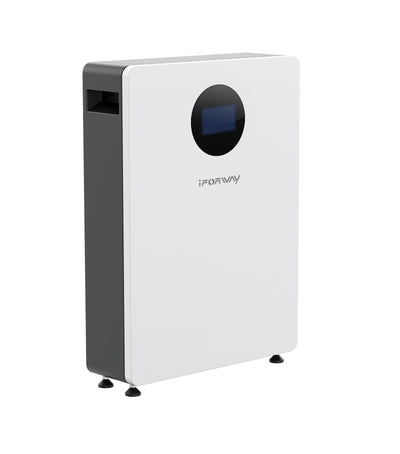
Focus your battery budget on the critical and important tiers. A high-capacity power station like the iFORWAY HS3600 can cover the critical list for a full day or more, while a smaller unit is better suited to phones and lights.
Sizing Your Backup Battery
To estimate the battery size you need, add up the watt-hours (Wh) of everything you want to run. The math is simple:
Daily watt-hours = watts × hours used per day
Then multiply by three for a 72-hour kit, and add a 20% safety margin for inverter losses and battery aging.
72-Hour Power Budget Example
| Device | Watts | Hours/Day | Wh/Day | 72-Hour Need |
|---|---|---|---|---|
| Smartphone (x4) | 15 | 3 | 45 | 135 |
| LED lantern | 10 | 8 | 80 | 240 |
| Wi-Fi router | 20 | 24 | 480 | 1,440 |
| CPAP machine | 50 | 8 | 400 | 1,200 |
| Insulin fridge | 60 | 8 | 480 | 1,440 |
| Laptop | 60 | 4 | 240 | 720 |
| Total | 5,175 Wh |
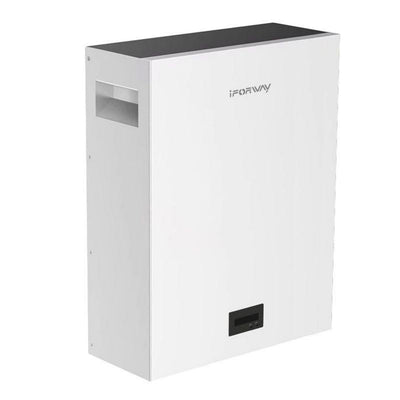
With a 20% margin, this household needs roughly 6,200 Wh of usable battery capacity for 72 hours. A single large portable power station can cover smaller kits; bigger households often pair a station with expansion batteries or a dedicated home energy storage system.
Choosing the Right Power Station for Storm Prep
Not every power station is built for emergency duty. Look for these features when selecting the core of your 72-hour kit:
- Usable capacity: 1,500 Wh to 3,600 Wh is the sweet spot for most homes; larger homes or medical needs may need 5,000 Wh+
- Pure sine wave AC: safer for sensitive medical electronics and motors
- Multiple output types: AC outlets, USB-C PD, USB-A, 12V DC, and Anderson ports
- Fast AC recharge: so you can top up quickly when grid power flickers back
- Solar input: extends runtime indefinitely when the sun is out
- UPS/pass-through charging: keeps devices running while the unit recharges
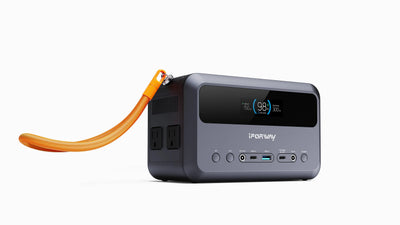
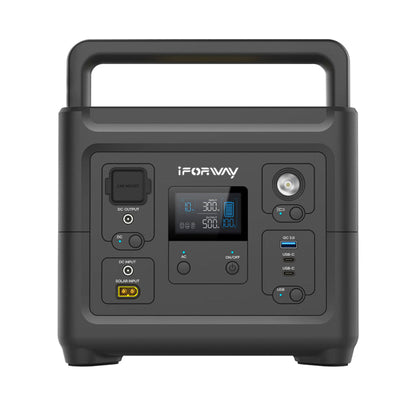
For whole-room backup, the iFORWAY HS3600 portable power station offers high capacity and multiple outlets for medical devices, routers, and lights. For lighter kits focused on phones, laptops, and LED lighting, the iFORWAY HS1800 solar generator is a compact, easy-to-move option.
Extend Runtime with Solar Recharge
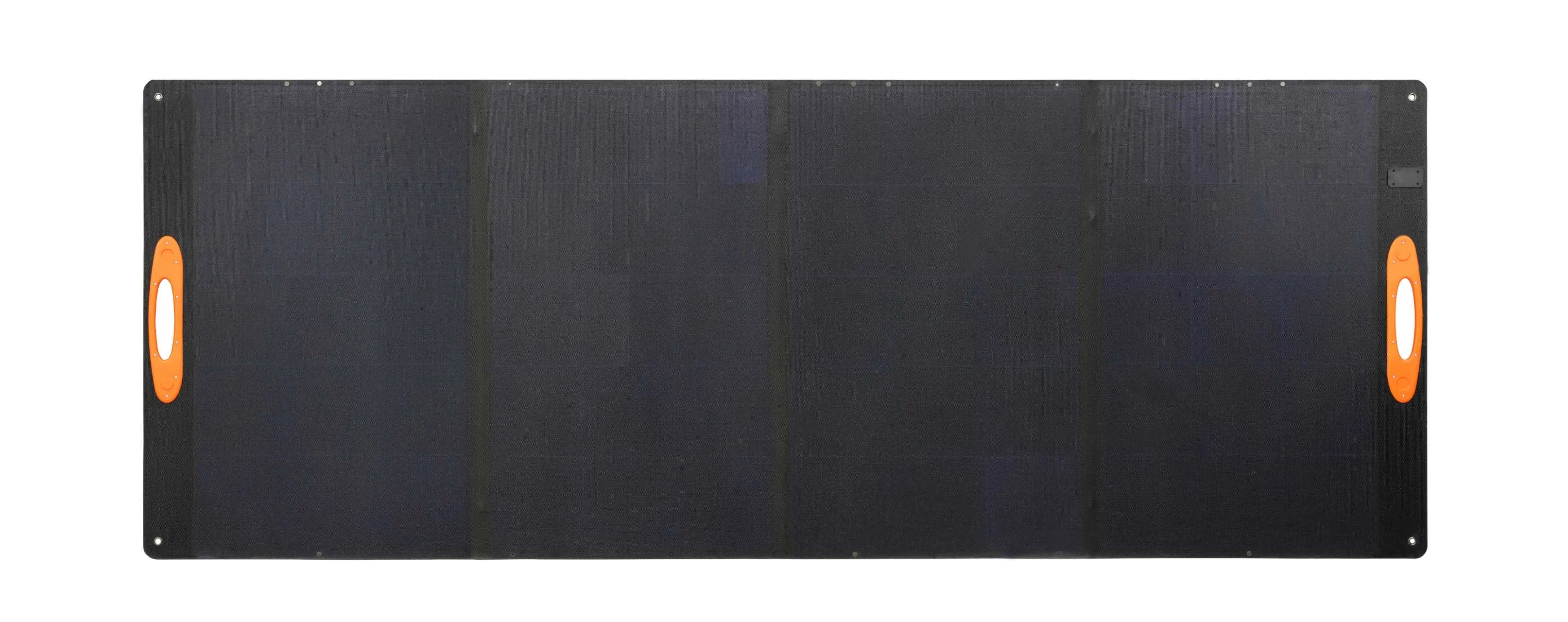
A power station is only half the equation. Solar panels let you recharge during daylight and stretch a 72-hour kit into a week-long solution. In storm conditions, solar is especially valuable because it works even when gas stations are closed and fuel is unavailable.
Match your panel wattage to the station's maximum PV input. As a rule of thumb:
- 200W solar array: recharges a 1,800 Wh station in 8–10 hours of good sun
- 400W solar array: recharges a 3,600 Wh station in 9–11 hours of good sun
- 800W+ array: keeps large home backup systems cycling during extended outages
Keep panels portable and easy to deploy from a garage or shed. Do not wait until the storm arrives to figure out where to aim them.
Power Station vs. Gas Generator: Why More Homes Are Switching
For decades, the default storm-prep answer was a gasoline generator. But portable power stations have become the preferred choice for many households, and the reasons go beyond convenience.
| Factor | Portable Power Station | Gas Generator |
|---|---|---|
| Noise | Nearly silent | 65–80 dB, like a lawn mower |
| Emissions | Zero, safe indoors | Carbon monoxide, must run outside |
| Fuel | Recharge from sun or grid | Needs fresh gasoline, stabilizer, and storage |
| Maintenance | Quarterly top-up | Oil changes, spark plugs, carburetor cleaning |
| Start-up | Press button, instant power | Pull start, choke, warm-up |
| Portability | Built-in handle, no fuel spills | Heavy, fuel sloshes, hot exhaust |
The trade-off is wattage. A gas generator can run a window air conditioner or electric water heater; most portable power stations cannot. But for the critical loads in a 72-hour kit — lights, phones, laptops, medical devices, router, and small refrigerator — a power station is usually the cleaner, safer, and lower-maintenance choice.
Medical Device Backup: What to Know
If someone in your home depends on a medical device, backup power is not optional. Start by checking the device's power label or manual for its wattage and whether it uses continuous or intermittent power.
- CPAP machines: typically 30–90W; a 1,800 Wh station can run one for 15–30 hours without solar
- Oxygen concentrators: 100–600W depending on flow rate; size the battery for continuous runtime
- Insulin refrigerators: 40–80W when running, but they cycle on and off; keep them closed to extend runtime
- Home dialysis equipment: consult the manufacturer; these often require 1,000+ Wh per session and may need dedicated backup
Always keep the device and its power cable with the kit. Test the setup at least once a month so you know exactly how long the battery lasts under real conditions.
Storage and Maintenance Checklist
A backup power kit is useless if the battery is dead when you need it. Follow this simple maintenance routine:
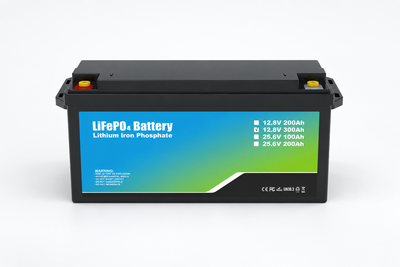
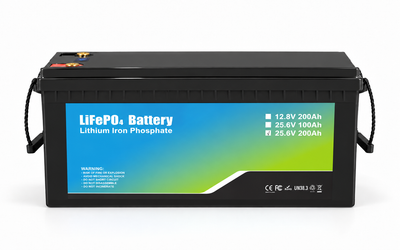
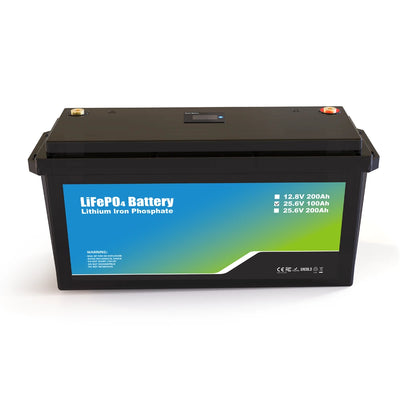
- Charge every 3 months: LiFePO4 batteries hold charge well, but topping up prevents slow self-discharge
- Store at 50–80% charge: better for long-term battery health than full or empty
- Keep it dry and room temperature: extreme heat or cold reduces capacity and cycle life
- Test monthly: plug in a lamp or fan to confirm the inverter and outlets work
- Label cables: know which adapter fits which device in the dark
- Update the inventory: rotate food, water, and medications; check flashlight batteries
Frequently Asked Questions
How big should a 72-hour home power kit be?
Most households need 1,500 Wh to 3,600 Wh for a basic kit covering phones, lights, router, and a small medical device. Homes with CPAP machines, oxygen concentrators, or full-size refrigerators should size closer to 5,000 Wh or pair multiple units. Add a 20% margin for inverter and cable losses.
Can I use a portable power station instead of a generator?
Yes, for essential electronics and small appliances. Portable power stations are silent, emission-free, and safe to use indoors. They cannot run high-wattage items like central air conditioners or whole-house electric heating, but they handle refrigerators, medical devices, lights, and electronics comfortably.
How do I keep my kit charged during a multi-day outage?
Use solar panels during daylight, run only critical loads at night, and avoid phantom drains from devices in standby. If grid power returns intermittently, recharge the station immediately whenever electricity is available. Pass-through charging lets you keep devices powered while the battery refills.
Build Your Kit Before the Storm
A 72-hour home power kit is not about living off-grid forever. It is about keeping your family safe, connected, and comfortable through the critical first three days of an outage. Choose a battery sized for your essential loads, add solar for indefinite runtime, and store the kit where you can reach it in the dark.
iFORWAY designs portable power stations, home energy storage systems, and custom OEM/ODM battery solutions for households and businesses worldwide. Contact our team to find the right backup power setup for your home or product line.
