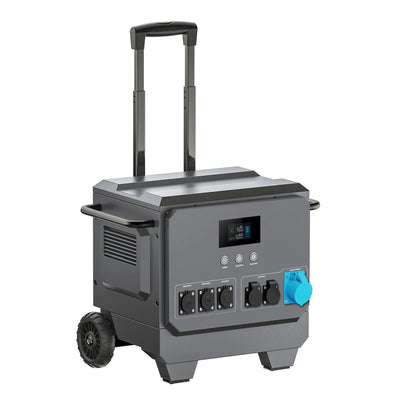
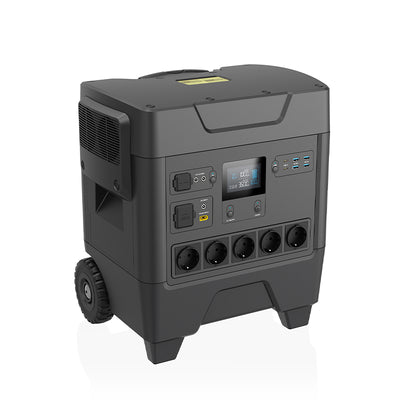
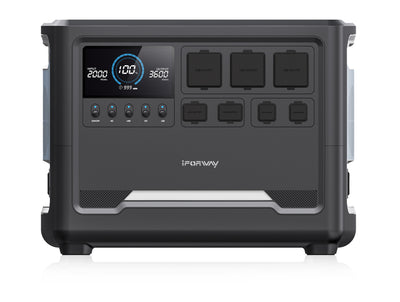
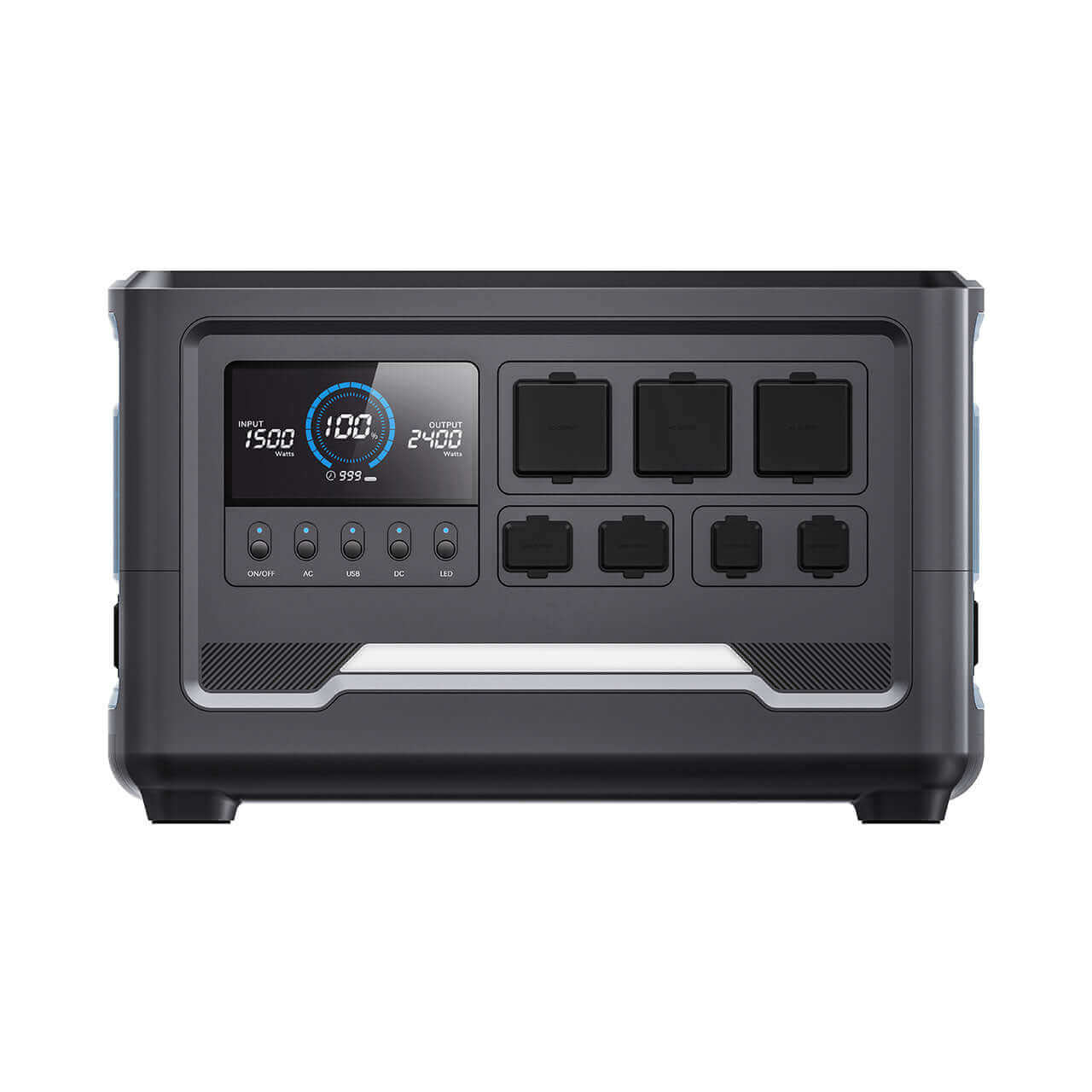
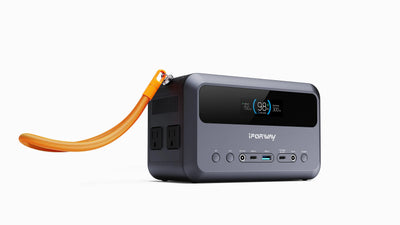
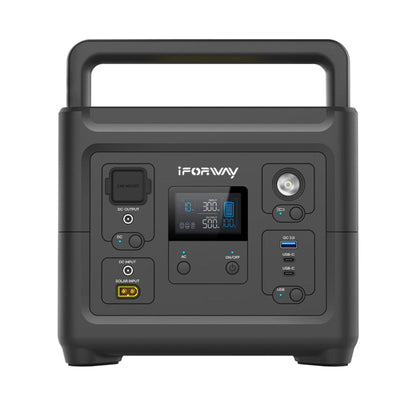
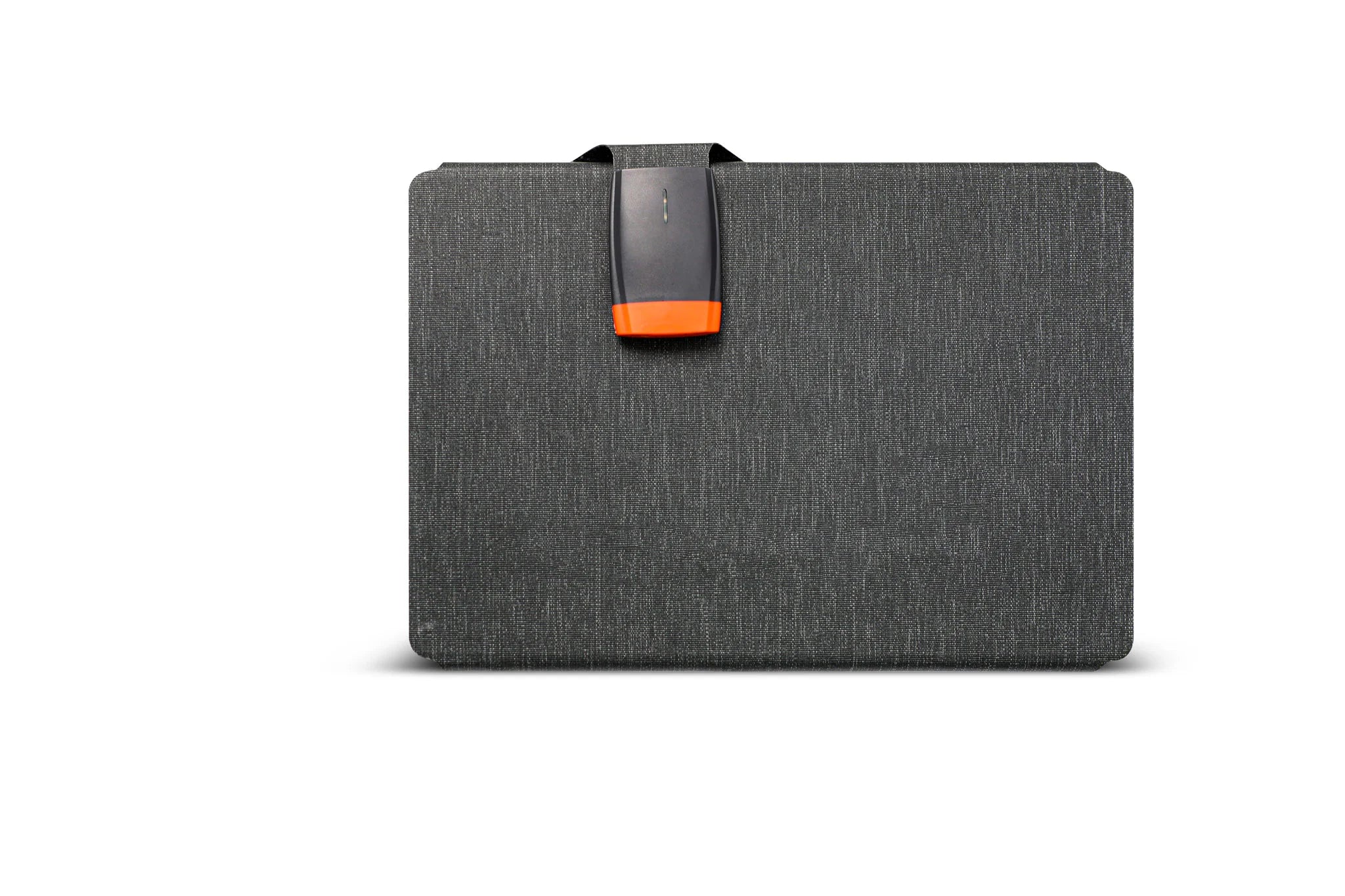
HS1800 / The higher-output choice in this HS group.

iForway HS1800 Portable Power StationMore room for appliances. A choice of operating hours.

1800WContinuous AC output
1024Wh / 1536Wh

Choose 1024Wh or 1536Wh of LiFePO4 energy with 1800W continuous AC output. Build a selected-load backup or portable-work kit around the equipment that matters, without treating a portable unit as a whole-house system.Model reference ↗

3600W is a peak reference, not continuous output. Regional outlets and the approved supplied configuration control.

Nominal energy1024Wh / 1536Wh
Continuous AC1800W
Peak reference3600W
ChemistryLiFePO4
WeightBy pack
ProgramOEM / ODM

What is HS1800 best for?iForway HS1800 is a LiFePO4 portable power station with 1024Wh or 1536Wh capacity, 1800W continuous AC output and a 3600W peak reference. It suits reviewed household essentials, portable work and outdoor setups whose running and startup demands fit the selected configuration.Model reference ↗

HS1800 / PRODUCT FIT

Choose the inverter for the load. Choose the pack for the hours.

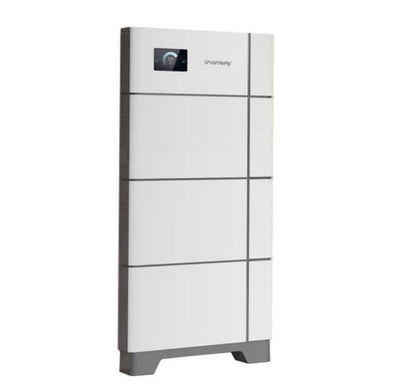
HS1800 complete catalog exterior
Original HS1800 catalog exterior

01 / A CLEARER BUYING BRIEF

Start with the task.

A kitchen or workbench is a list of loads, not a blanket appliance approval. Check one appliance at a time, then budget the combined running watts. The 3600W peak reference needs a matching startup-duration test.

Review the model details ↓
HS1800 complete catalog exterior
Original HS1800 catalog exterior

02 / A CLEARER BUYING BRIEF

Keep watts and watt-hours separate.

The capacity choice determines the nominal energy budget; continuous watts define the running-load envelope. Selecting a larger pack does not raise the inverter limit.

Review the model details ↓
HS1800 complete catalog exterior
Original HS1800 catalog exterior

03 / A CLEARER BUYING BRIEF

Make the regional kit part of the product.

Choose voltage, outlet format, reviewed charging cables, instructions and market documents before approving production.

Review the model details ↓

SIX MODEL-SPECIFIC APPLICATIONS

Plan around the equipment.
Then choose the configuration.

6 application examples

HS1800 catalog product panel beside kitchen essentials application context
Application layout study + HS1800 catalog view · Not a verified deployment

01Kitchen essentials

A practical plan between outages.

Review a compatible blender, phone and selected lights. Run appliances in a deliberate sequence rather than adding a kettle, oven and refrigerator to one assumed load.

  • Selected appliances
  • Load sequencing
  • Startup review

Illustrative 500W combined running load at an assumed 85% usable energy: 1024Wh: 1.7h / 1536Wh: 2.6h. Not a measured runtime; startup and cycling need separate review.

HS1800 catalog product panel beside home office application context
Application layout study + HS1800 catalog view · Not a verified deployment

02Home office

Keep a work session on the short list.

Plan a laptop, router and LED light around actual measured demand. The two pack options change the energy budget; an internet connection still depends on upstream service.

  • Laptop
  • Router
  • LED lighting

Illustrative 100W combined running load at an assumed 85% usable energy: 1024Wh: 8.7h / 1536Wh: 13.1h. Not a measured runtime; startup and cycling need separate review.

HS1800 catalog product panel beside a small trading setup application context
Application layout study + HS1800 catalog view · Not a verified deployment

03A small trading setup

Power the transaction, not the whole shop.

Review a point-of-sale terminal, compatible label printer and laptop. Printer startup, motor loads and shared USB allocation need checking before a deployment.

  • POS terminal
  • Laptop
  • Selected peripherals

Illustrative 85W combined running load at an assumed 85% usable energy: 1024Wh: 10.2h / 1536Wh: 15.4h. Not a measured runtime; startup and cycling need separate review.

HS1800 catalog product panel beside a more complete camp kit application context
Application layout study + HS1800 catalog view · Not a verified deployment

04A more complete camp kit

Make room for the useful extras.

Plan selected lighting, a compact projector and a compatible portable refrigerator. Compressor startup, cycling, weather protection and carrying distance all affect the brief.

  • Camp lighting
  • Projector
  • Reviewed fridge

Illustrative 130W combined running load at an assumed 85% usable energy: 1024Wh: 6.7h / 1536Wh: 10.0h. Not a measured runtime; startup and cycling need separate review.

HS1800 catalog product panel beside field production application context
Application layout study + HS1800 catalog view · Not a verified deployment

05Field production

Keep the next shot in the plan.

Recharge camera batteries and a laptop between sessions. Match every charger to its input specification and keep the station dry and ventilated.

  • Camera chargers
  • Laptop
  • Field lighting

Illustrative 105W combined running load at an assumed 85% usable energy: 1024Wh: 8.3h / 1536Wh: 12.4h. Not a measured runtime; startup and cycling need separate review.

HS1800 catalog product panel beside parked travel stops application context
Application layout study + HS1800 catalog view · Not a verified deployment

06Parked travel stops

Recharge the kit between destinations.

Use selected electronics while safely parked. This is not an EV charging, engine jump-start or vehicle-input performance claim. Secure the unit for transport.

  • Camera kit
  • Phone
  • Selected cooler

Illustrative 70W combined running load at an assumed 85% usable energy: 1024Wh: 12.4h / 1536Wh: 18.7h. Not a measured runtime; startup and cycling need separate review.

Context photographs are cropped merchant marketing assets; the corresponding HS1800 catalog product is shown separately in a white panel. These are editorial application concepts, not customer installations, connection diagrams or performance tests.

SELECTED-LOAD PLANNING / NOT A PERFORMANCE TEST

Build your HS1800 load list.
See the energy trade-off.

Select illustrative device watts and a stated usable-energy assumption. This is an arithmetic planning tool, not a runtime test or universal appliance approval.

Illustrative running-load assumptions

SELECTED RUNNING LOAD

100W

Below the 1800W continuous reference; startup and port compatibility still require review.

ILLUSTRATIVE ENERGY ESTIMATE8.7 hours

1024Wh × selected usable-energy assumption ÷ summed running watts

No measured runtime or device approval is implied. Standby consumption and cycling are not modeled separately. Temperature, battery condition and changing demand affect actual results.

INPUTS / SOURCE-AWARE CHARGING

A recharge plan.
Not an assumed input total.

HS1800 recharge-planning application context
Application concept · Charging connection not demonstrated

01 / AC MAINS

Recharge for the next planned session.

800W at 100–120V; 1000W at 220–240V.Model reference ↗

The supplied AC voltage, initial state of charge, temperature and load conditions affect recharge time. No unconditional 1.5-hour promise is made.

HS1800 recharge-planning application context
Application concept · Charging connection not demonstrated

02 / SOLAR INPUT

Start with the connector’s own limits.

DC: 12–60V / 7A / max 400W. XT60: 12–60V / 20A / max 800W.Model reference ↗

Panel rating is not the input limit. Verify cold-weather Voc, current, polarity and approved cables. Separate port maxima are not added together.

HS1800 recharge-planning application context
Application concept · Charging connection not demonstrated

03 / VEHICLE SOURCE

Make the approved route explicit.

Review the actual vehicle input route, voltage, current, fuse protection and approved cable with the supplier.

A car-socket output rating does not prove a vehicle-charging input rating. Inclusion of accessories must be confirmed.

LIFEPO4 / ENERGY SELECTION

Choose the energy.
Keep lifetime claims evidence-based.

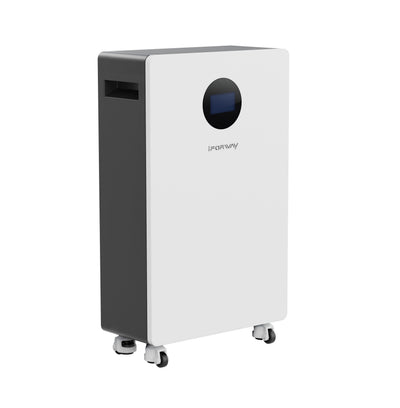
HS1800 complete catalog exterior
Original HS1800 catalog rendering · Confirm supplied regional layout

1024Wh / 1536Wh nominal LiFePO4 energy. These are alternative factory pack configurations, not user-swappable packs or an external expansion claim.Model reference ↗

The published reference is 3000 cycles to at least 80% retained capacity. Ask for charge/discharge rates, temperature, end-of-life definition and model-matched evidence; do not convert a cycle count into a guaranteed service life.Model reference ↗

Nominal energy

Use the actual pack label and approved supplied-model datasheet.

Use conditions

Follow the operating limits, storage instructions and charge/discharge requirements.

Warranty

Confirm written terms separately from cycle references and marketing language.

HANDLING / ENCLOSURE / PORTABILITY

Place it carefully.
Keep the working area clear.

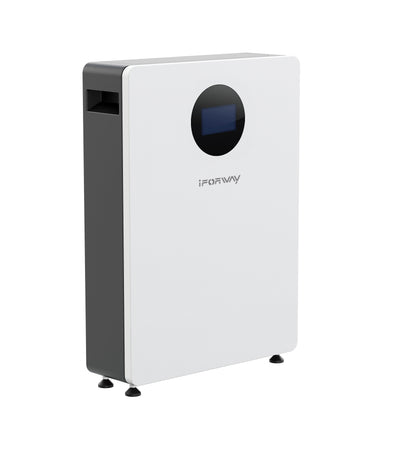
HS1800 complete catalog exterior
Original HS1800 catalog rendering · Confirm supplied regional layout

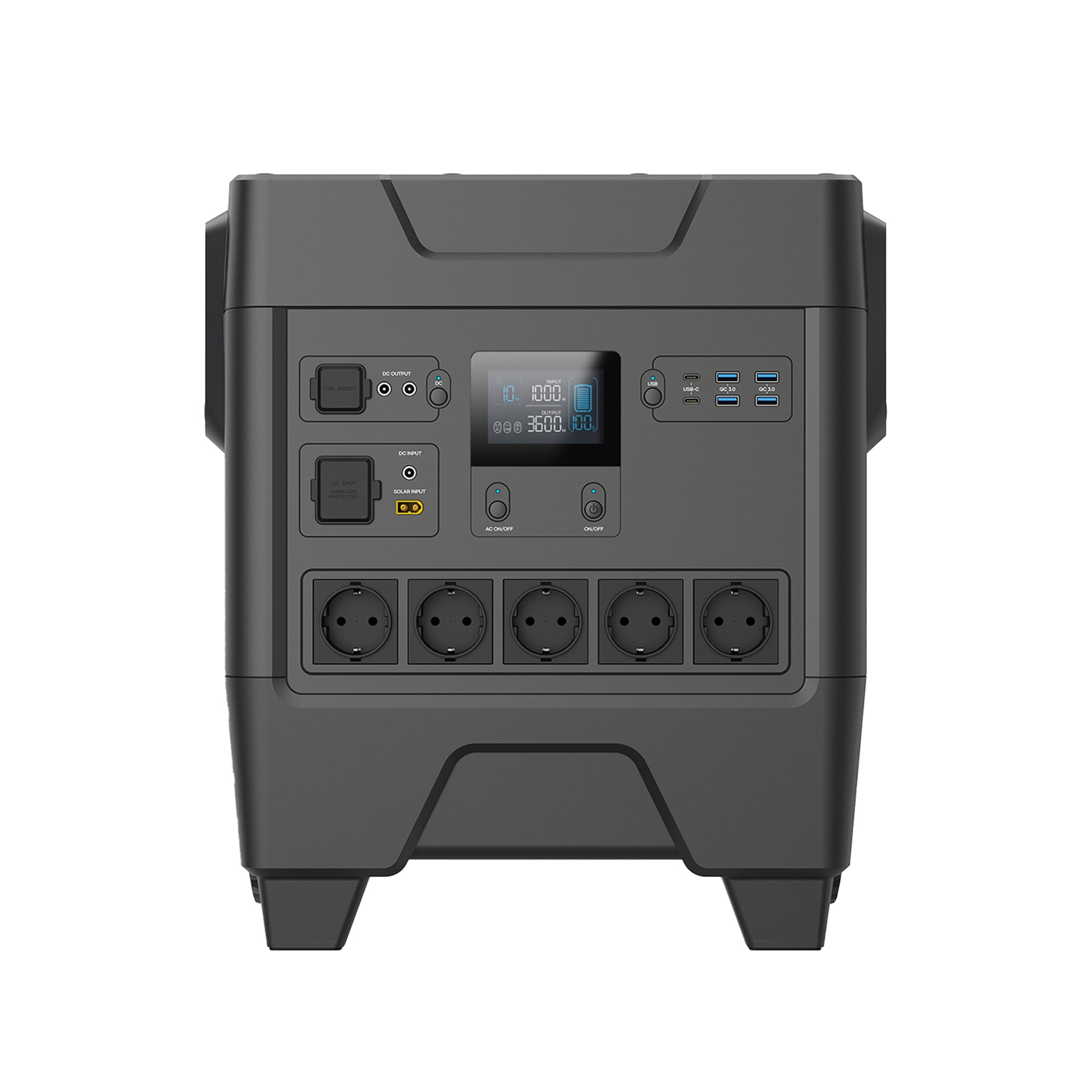
1024Wh: 14.2kg · 1536Wh: 16.2kg. 350 × 220 × 275mm. Dimensions follow the merchant-approved model reference; confirm the order-specific drawing and measurement order.Model reference ↗

Use a stable, dry surface with ventilation clear. Keep the station away from bedding, sealed bags and direct heat. A robust appearance does not establish an IP, drop, fireproof or material flammability rating.

Handle and transport

Review the lift, carrying distance and transport restraint for the intended user.

Operating placement

Keep labels, controls and ventilation accessible.

Delivery readiness

Confirm the carton, packaging protection, included cables and actual shipment weight.

AC / USB-C / DC / CONNECTED CONTROL

Connect with a purpose.
Keep every limit separate.

HS1800 complete catalog exterior
Original HS1800 catalog rendering · Confirm supplied regional layout

2 × USB-C PD up to 100W; 4 × USB-A QC3.0 up to 18W.Model reference ↗

1 × car socket; 2 × DC5521, published max 108.8W references. Individual connector maxima are not a simultaneous aggregate entitlement.Model reference ↗

The existing HS-series material lists Wi-Fi/Bluetooth app support. Verify supported functions on the supplied hardware and firmware; no scheduled automation or cloud-integration promise is implied.Model reference ↗

Regional AC

Choose 100–120V or 220–240V and the approved destination-market outlet format.

Direct electronics

Check PD profiles, compatible cables, polarity and shared-output allocation.

App verification

Approve an actual demonstration, language scope and software responsibilities.

MODEL-SPECIFIC / QUOTE-READY REFERENCE

The numbers you need.
The boundaries behind them.

HS1800 procurement reference. Confirm the approved supplied-model datasheet and actual labels.
ItemHS1800 referenceCondition / verification
Product modelHS1800Keep the supplied revision and order configuration traceable.Model reference ↗
Nominal energy1024Wh / 1536WhAlternative factory packs, not external expansion.Model reference ↗
Continuous AC1800WCombined running-load reference; individual outlet limits also apply.Model reference ↗
Peak reference3600WNot sustained output; startup duration and test conditions need review.Model reference ↗
ChemistryLiFePO4Do not infer cell format or grade from the case exterior.Model reference ↗
Net weight1024Wh: 14.2kg · 1536Wh: 16.2kgCapacity-specific for HS1800; HS1200 weights are intentionally not assigned to both packs.Model reference ↗
Product dimensions350 × 220 × 275mmMerchant-approved reference where supplied; confirm current order drawing.Model reference ↗
AC output configuration100–120V or 220–240V; 50–60HzDestination-market voltage, frequency and outlet selection.Model reference ↗
AC charging input800W at 100–120V; 1000W at 220–240VRegional configuration and actual charging conditions control.Model reference ↗
DC / solar input12–60V / 7A / max 400WCheck the connector and exact approved label.Model reference ↗
XT60 input12–60V / 20A / max 800WA distinct input definition. Do not add this limit to the DC input rating.Model reference ↗
USB reference2 × USB-C PD up to 100W; 4 × USB-A QC3.0 up to 18WConfirm profiles and combined-output allocation.Model reference ↗
DC output reference1 × car socket; 2 × DC5521, published max 108.8W referencesConfirm regulation, connector polarity and per-port/shared allocation.Model reference ↗
Cycle-life reference3000 cycles to ≥80% retained capacityPublished reference where supplied; request model-specific method and conditions.Model reference ↗
Connected optionWi-Fi / Bluetooth listed in existing materialConfirm supplied hardware, firmware, app and supported functions.Model reference ↗
Standard OEM MOQ100 unitsFinal configuration and written quotation apply.Model reference ↗
UPS / environmental ratingNo tested transfer time or IP rating claimed hereDo not infer critical-load support or rain resistance from illustrations.Model reference ↗

CHOOSE THE JOB / NOT JUST THE MODEL NUMBER

Where HS1800 fits in the HS family.

HS-series selection reference. HS500 capacity, continuous output and DC solar input follow the merchant-confirmed supply version; peak power is not inferred.
ModelNominal capacityContinuous / peak referenceSelection focus
HS1800 · This model1024Wh / 1536Wh1800W / 3600WThe higher-output choice in this HS group.Model reference ↗
HS12001024Wh / 1536Wh1200W / 2400WDual capacity for a deliberately smaller load list.Model reference ↗
HS800768Wh800W / 1600WThe compact middle ground in the HS family.Model reference ↗
HS500268.8Wh600W / Not confirmedAn essential-device brief, not an appliance-heavy setup.Model reference ↗

Compare capacity and continuous output separately. A larger inverter does not, by itself, create longer runtime at the same load and nominal capacity. Peak power is not a continuous mode.

PROCUREMENT CONFIDENCE

Turn product claims into
a sample-approval checklist.

01

Match the sample

Review the model, pack, inverter, input labels, regional outlets and approved revision.

02

Review actual tests

Request measured runtime, startup, charging and battery-cycle evidence with stated conditions.

03

Match the documents

Check certificate scope, transport documents, manuals, warranty and destination-market requirements.

OEM / ODM / A MODEL-SPECIFIC PROGRAM

Make the brief clear.
Make the quote useful.

01

Define the load

Equipment, measured running/startup watts, target hours, recharge access and handling conditions.

02

Choose the configuration

Capacity where applicable, regional AC, reviewed inputs, approved cables and app scope.

03

Approve the program

Branding, packaging, manuals, certificates, samples, warranty, quantity and delivery requirements.

Standard OEM MOQ: 100 units. Engineering feasibility, included accessories and written commercial terms apply.

Build a HS1800 OEM Brief ↗

HS1800 / PRODUCT & PROCUREMENT ANSWERS

Questions worth answering
before the sample order.

What is the iForway HS1800 portable power station?

iForway HS1800 is a LiFePO4 portable power station with 1024Wh or 1536Wh capacity, 1800W continuous AC output and a 3600W peak reference. It suits reviewed household essentials, portable work and outdoor setups whose running and startup demands fit the selected configuration.Model reference ↗

What can HS1800 run?

Keep combined running demand within 1800W continuous AC output and each connection’s limits. Selected electronics and compatible appliances require review of their nameplates, startup demand and operating conditions. The 3600W peak reference is not sustained output.Model reference ↗

How long will HS1800 power my equipment?

Use nominal energy × a stated usable-energy assumption ÷ average running watts for an illustrative estimate. At 100W and an assumed 85% usable energy, 1024Wh gives about 8.7 hours and 1536Wh gives about 13.1 hours. These are calculations, not measured runtimes; standby draw, cycling, age and temperature can change the result.Model reference ↗

What are the capacity options?

Choose 1024Wh or 1536Wh as alternative factory pack configurations. These are not an external-battery expansion claim.Model reference ↗

What is the weight and size?

1024Wh: 14.2kg · 1536Wh: 16.2kg. Envelope reference: 350 × 220 × 275mm. Confirm the order-specific drawing, measurement order and packing weight before logistics approval.Model reference ↗

How should solar charging be specified?

DC input: 12–60V / 7A / max 400W. XT60 input: 12–60V / 20A / max 800W. These are separate connector limits, not additive charging power; simultaneous operation is not established here. Check cold-weather panel open-circuit voltage, operating current, polarity and cable compatibility.Model reference ↗

Is it an automatic UPS or whole-house backup?

No tested automatic transfer time, building-wiring integration or life-support suitability is established in this page. Use it only in a reviewed setup; never backfeed a wall outlet. Critical medical loads need an independently approved power system.Model reference ↗

Can I use the unit in rain?

No waterproof or IP rating is asserted for this model here. Keep the unit dry, shaded, stable and ventilated, and follow the approved operating manual. An outdoor image is an application concept, not an environmental test.Model reference ↗

What should I check for USB-C and DC devices?

2 × USB-C PD up to 100W; 4 × USB-A QC3.0 up to 18W. 1 × car socket; 2 × DC5521, published max 108.8W references. Confirm the exact port profiles, cable rating, polarity and shared allocation. Individual port maxima do not establish a simultaneous aggregate output.Model reference ↗

Which app functions are available?

Existing HS-series materials list Wi-Fi/Bluetooth app support. Approve a working demonstration for the supplied hardware, firmware, app distribution and supported commands. Scheduled tasks, cloud integration and remote automation are not assumed.Model reference ↗

Which documents should an importer request?

Request the supplied-model datasheet, approved labels, destination-market certificates and applicable battery-transport documents. Match model, issuer, report or certificate number, scope and validity to the actual ordered configuration. A factory-level claim is not a product certificate.Model reference ↗

Can I order an OEM or ODM configuration?

Standard OEM MOQ is 100 units. Send the model, capacity where applicable, destination market, regional AC format, load list, accessory requirements, branding and forecast quantity. Engineering feasibility, samples, warranty, lead time and pricing require a written quotation.Model reference ↗