


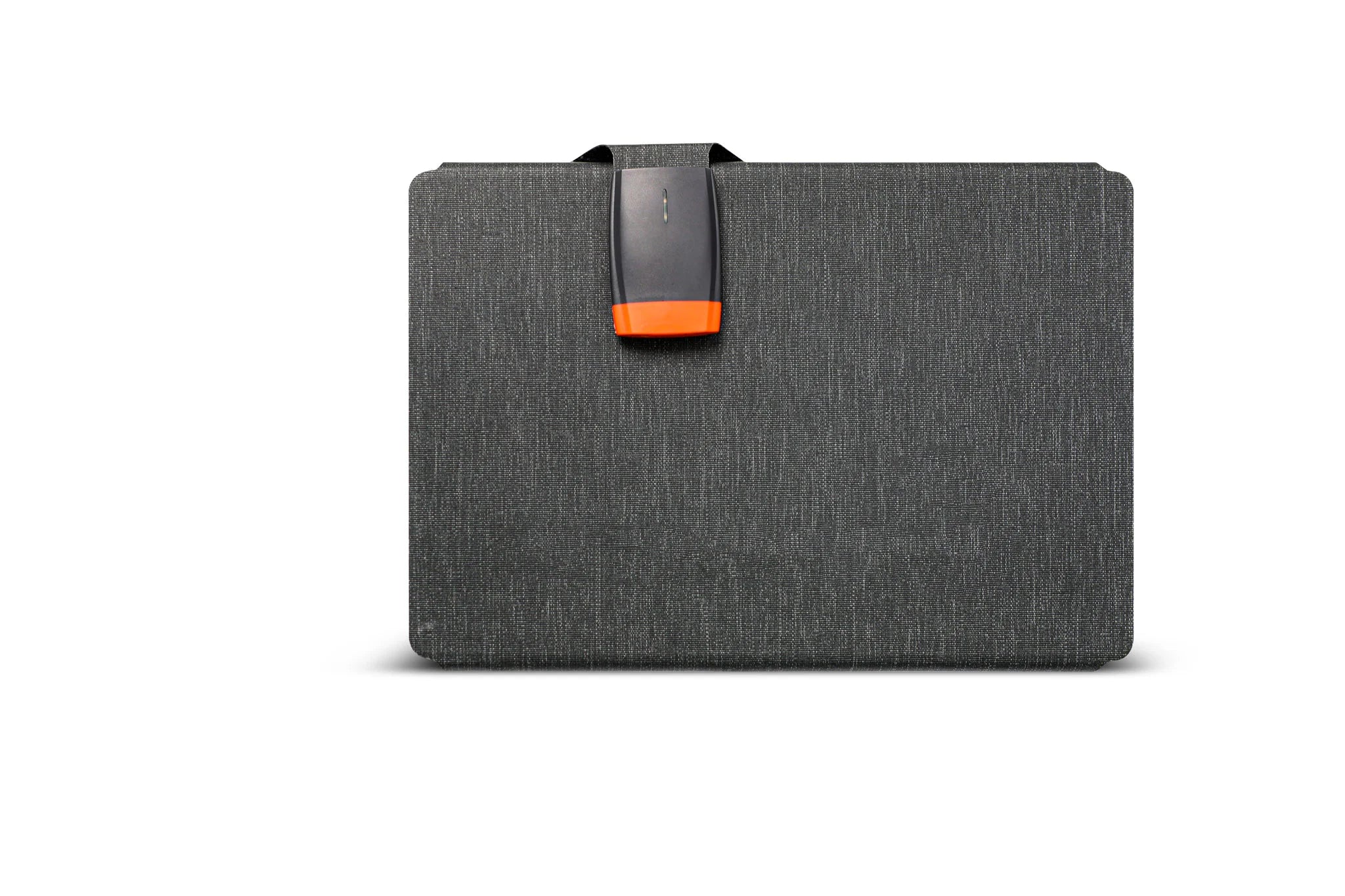
CONTINUOUS VS PEAK
4000W continuous AC output.
Build a selected-load plan for home, work or outdoor equipment. Check startup demand and individual outlet limits separately from the 8000W peak reference.
Build an illustrative load plan ↓G3605 / A CORE PLATFORM FOR YOUR NEXT PROGRAM
Build selected home-backup, mobile-business and outdoor programs around a LiFePO4 energy platform. Start with the equipment. Define the operating hours. Review the right configuration for your market.
3072Wh capacity and 4000W continuous output are different measurements. Peak output, regional outlets and optional functions require supplied-version confirmation.
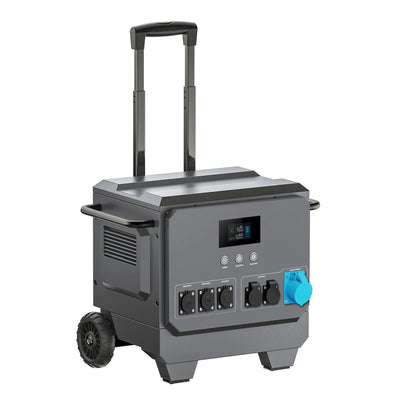
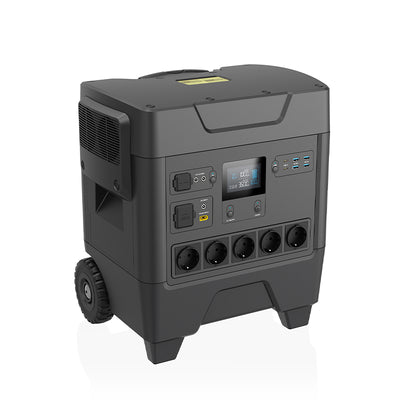
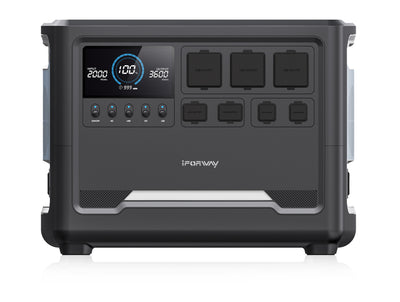
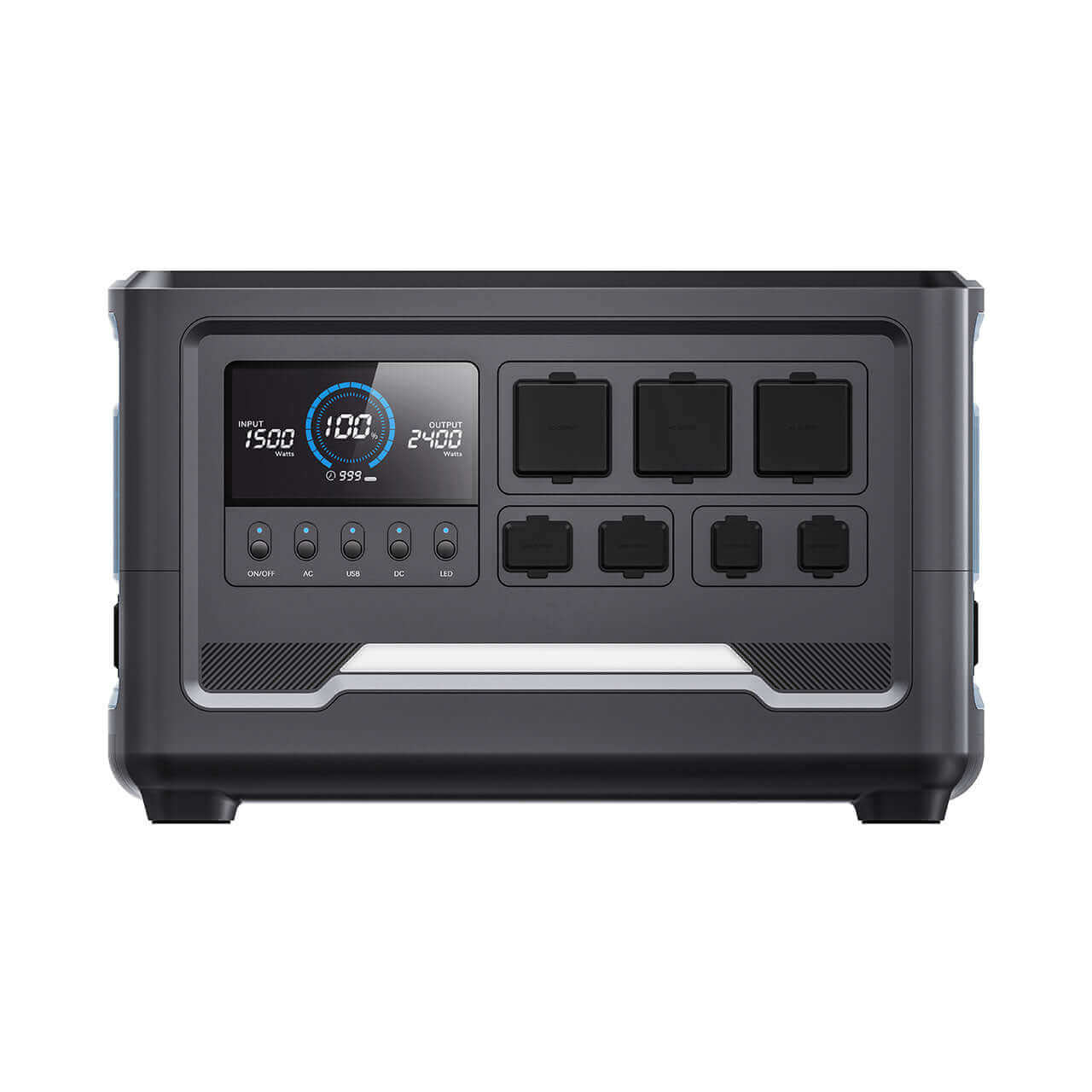
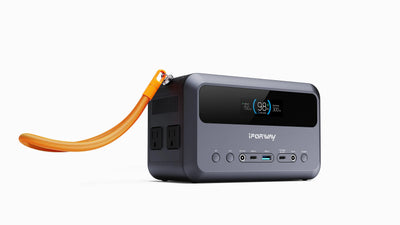
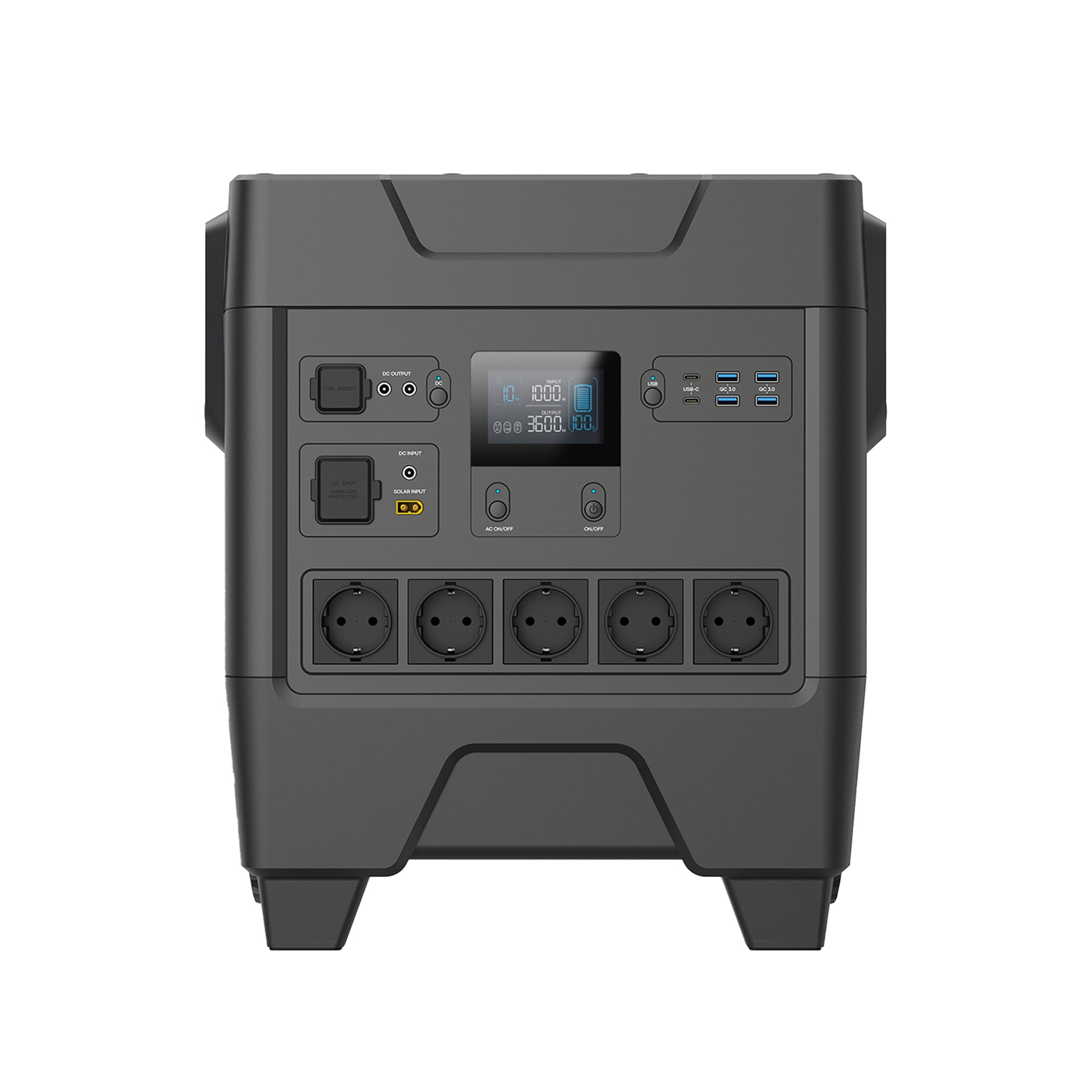
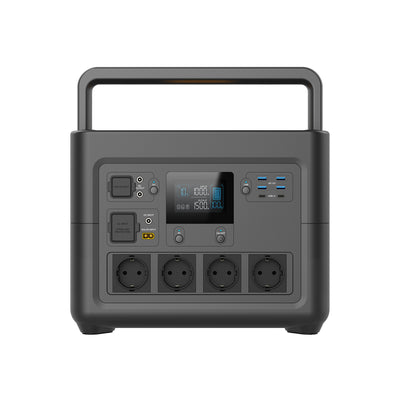
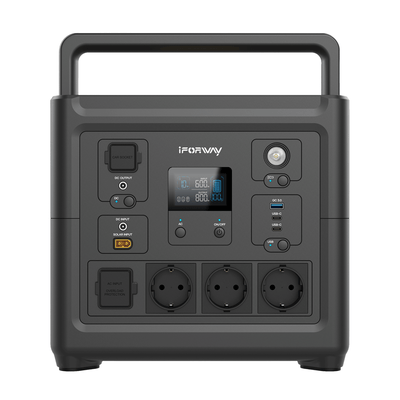
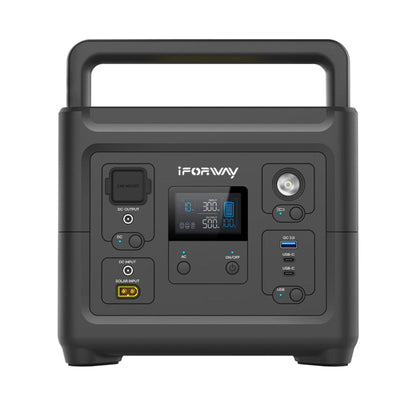
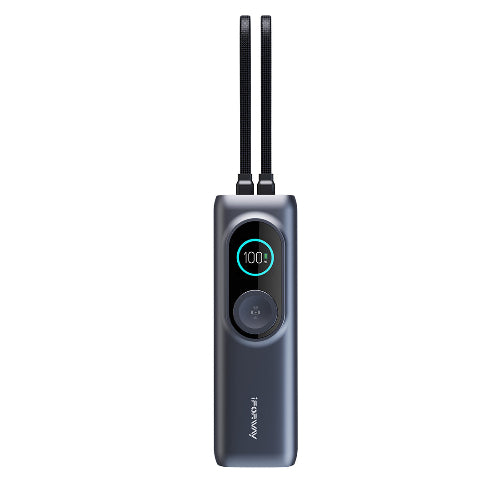
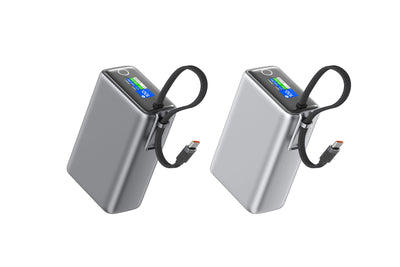
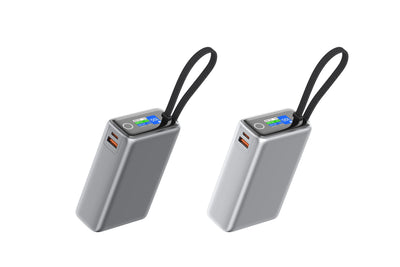
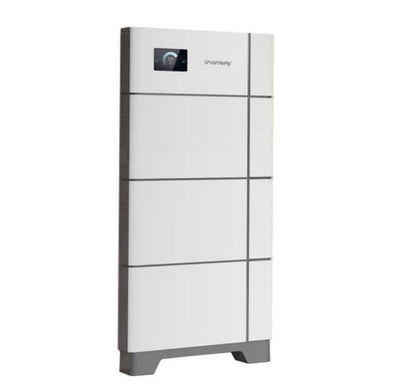
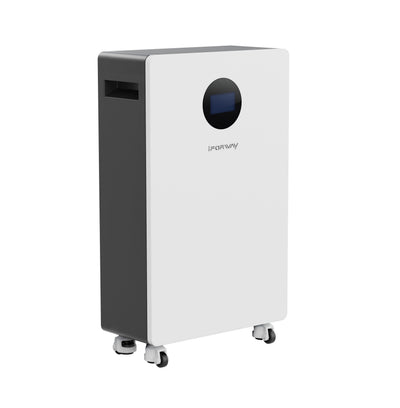
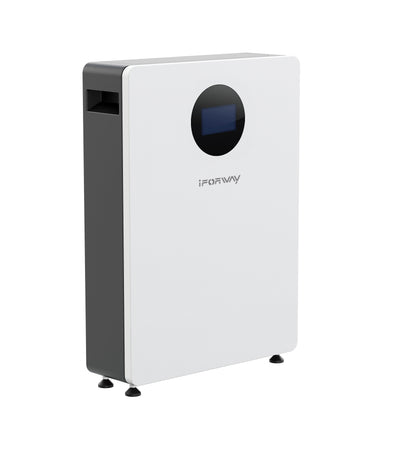
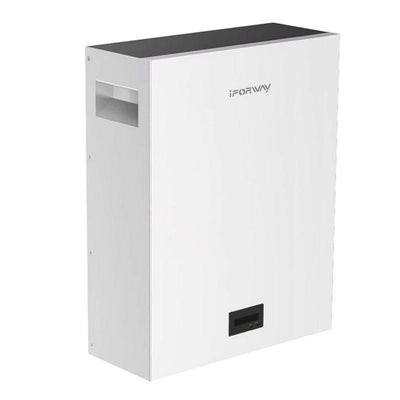
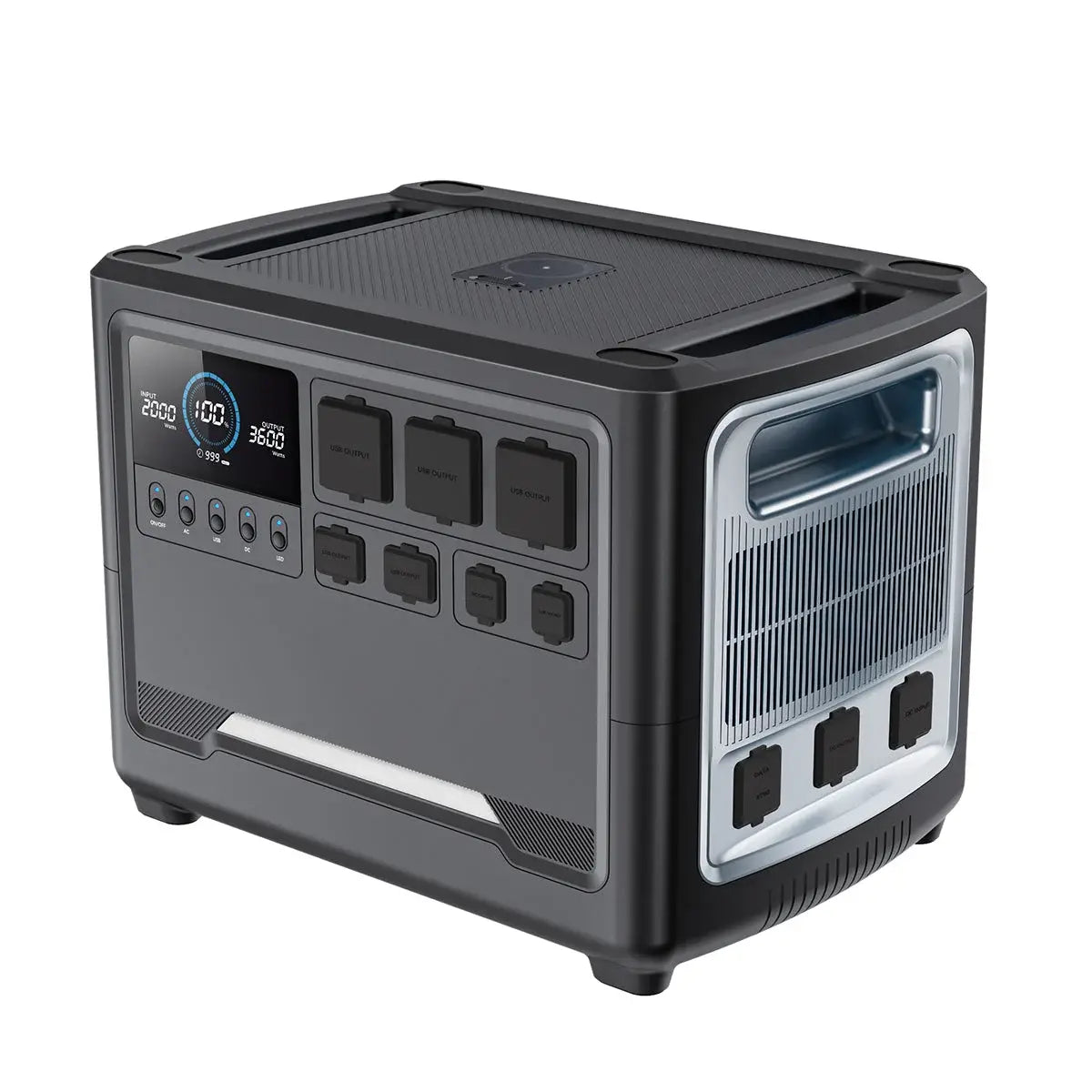
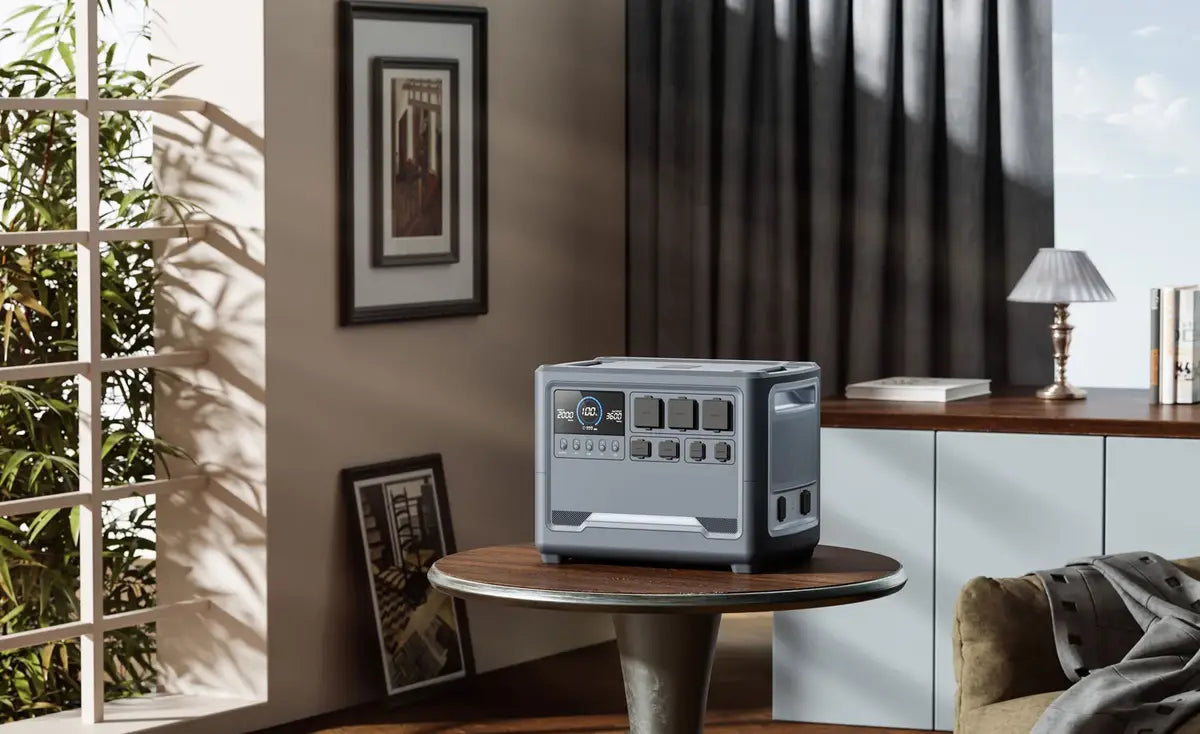
Actual product-record renders. Regional ports and optional features may differ from application illustrations.
WHAT IS THE G3605?
iForway G3605 is a 3072Wh LiFePO4 portable power station with 4000W continuous AC output and an 8000W peak reference. It is offered for OEM/ODM and private-label programs involving reviewed household, travel and professional loads.
A suitable load plan also checks voltage, outlet limits, startup demand and battery energy. A shared inverter wattage does not establish the same runtime, split-phase capability or ecosystem as another product.
POWER. ENERGY. CONTROL.
CONTINUOUS VS PEAK
Build a selected-load plan for home, work or outdoor equipment. Check startup demand and individual outlet limits separately from the 8000W peak reference.
Build an illustrative load plan ↓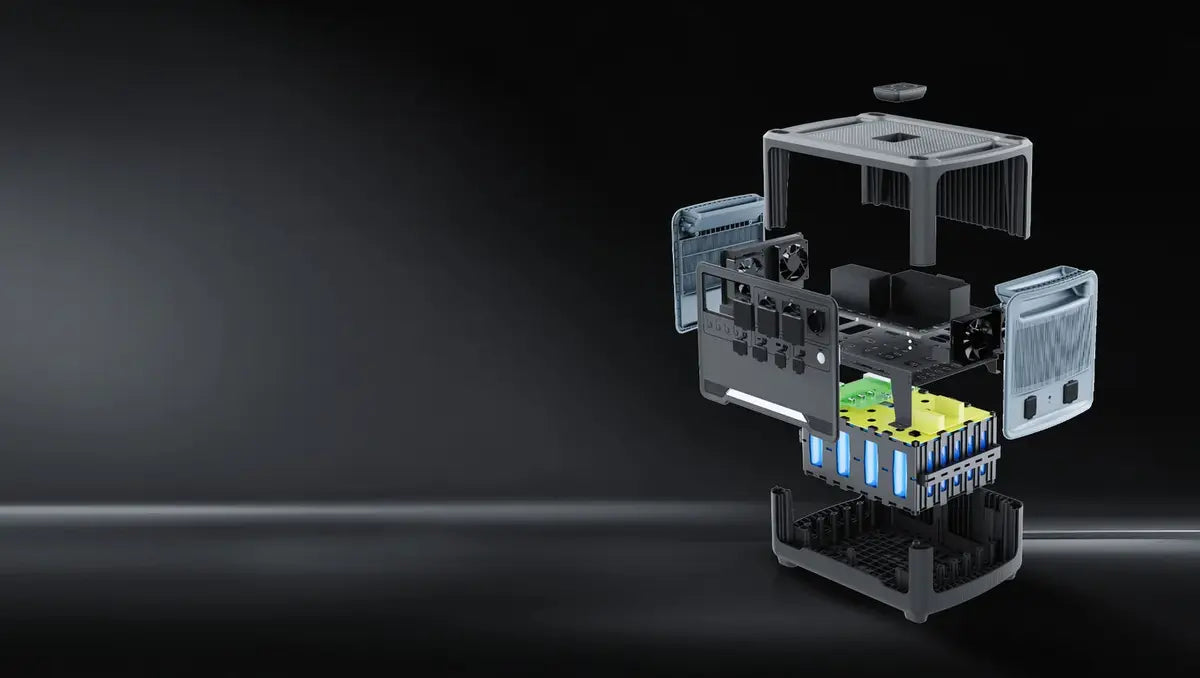
ENERGY PLATFORM
Allocate energy to an operating schedule, then review cycle-life evidence and recharge opportunities.
Review the battery story ↓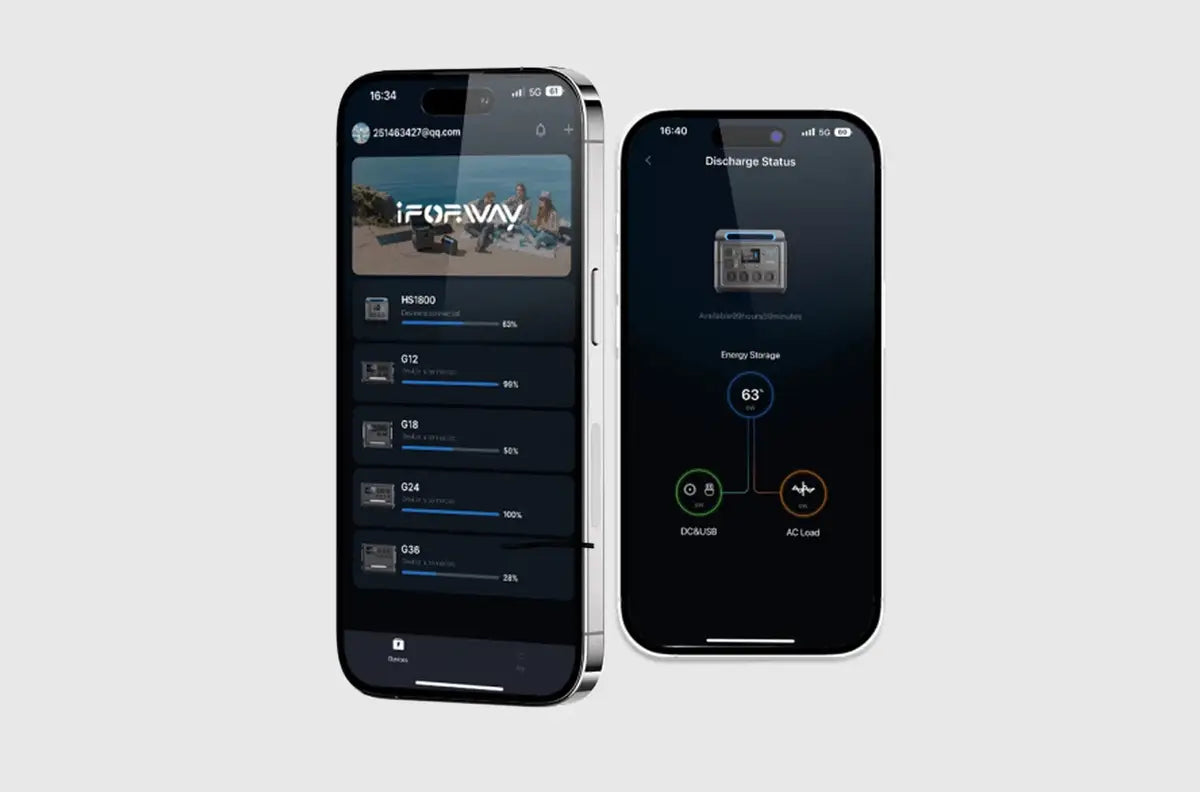
CONNECTED PROGRAMS
Wi-Fi/Bluetooth and optional program features need a reviewed hardware, firmware and app scope.
Review app and options ↓POWER FOR HOME, WORK & OFF-GRID LIVING
Explore household essentials, mobile work and outdoor living. Bring your device list so we can review running demand, startup requirements and the energy budget for your application.
10 application examples
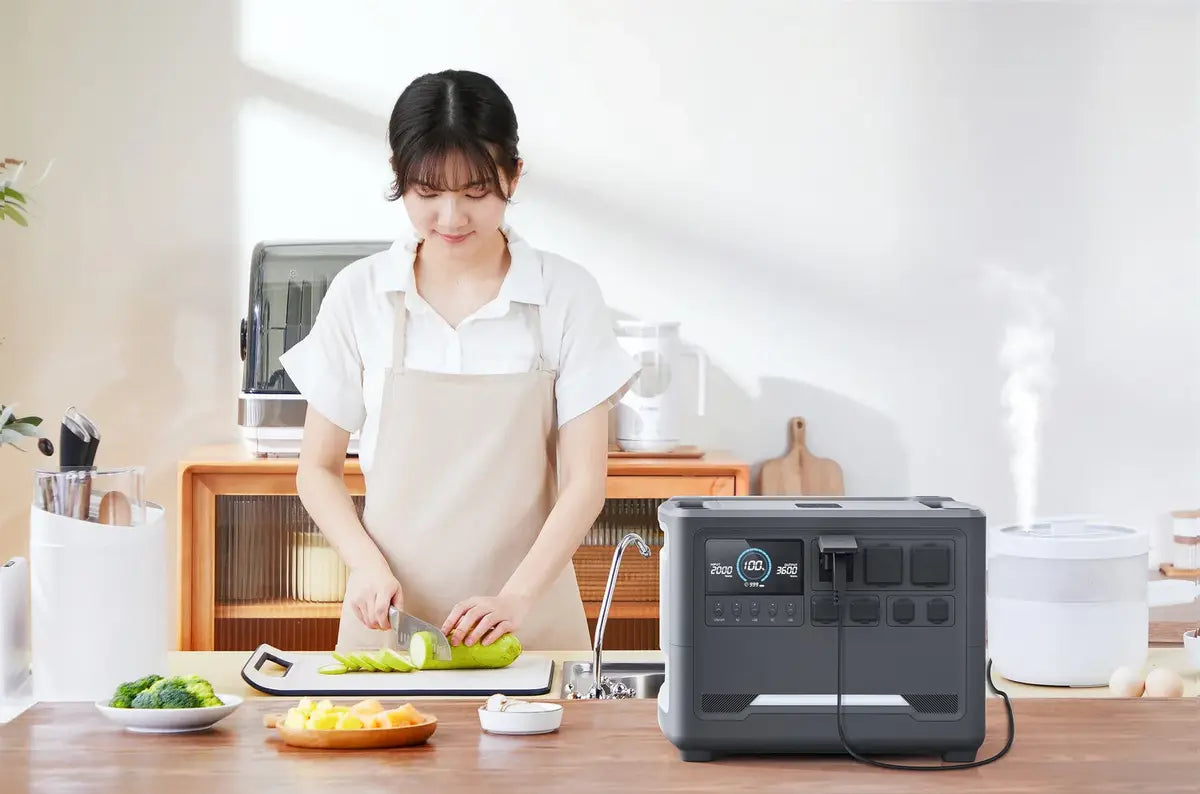
01SELECTED HOUSEHOLD APPLIANCES
Build a backup plan around compatible refrigeration, lighting and selected kitchen appliances. G3605 provides a 4000W continuous AC reference and a 3072Wh energy budget; the device mix and operating schedule still determine suitability.
Check compressor startup and each outlet rating. Heating appliances can shorten the energy budget; no whole-kitchen or all-night guarantee.
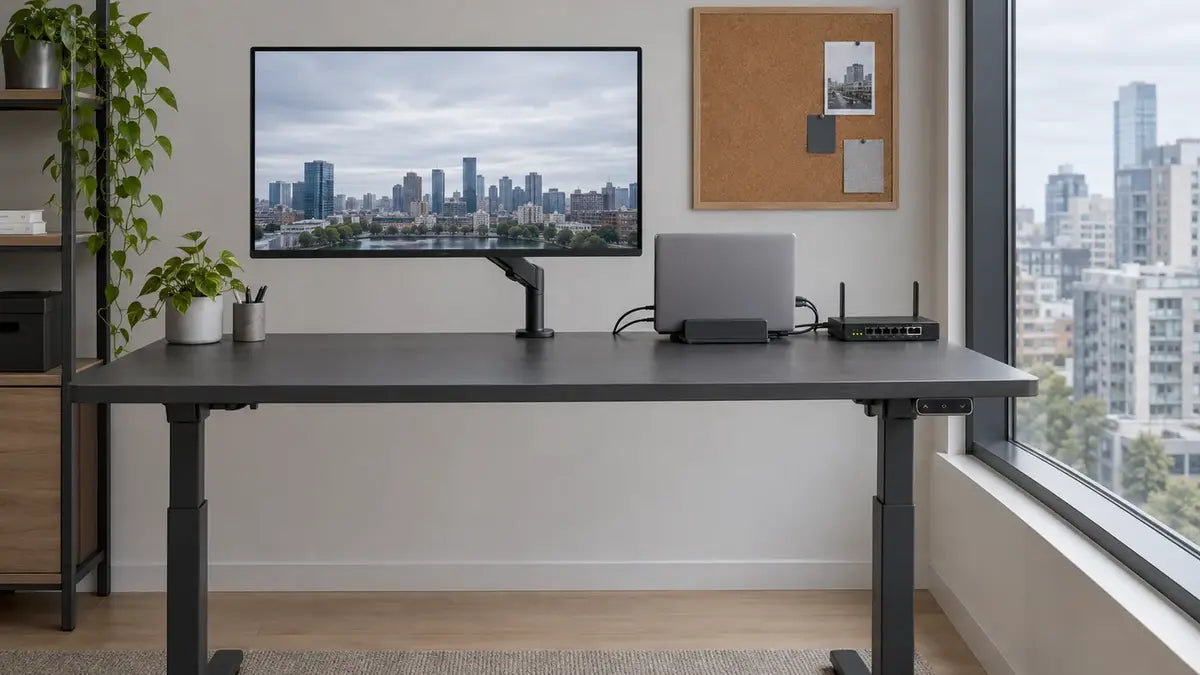
02HOME OFFICE & COMMUNICATIONS
Review a selected supply for computers, displays and networking rather than treating a wattage rating as a continuity promise. List the work hours, actual demand and connection method before deciding the required battery energy.
No zero-interruption or UPS transfer-time claim is made. Sensitive equipment needs a mode-specific assessment.
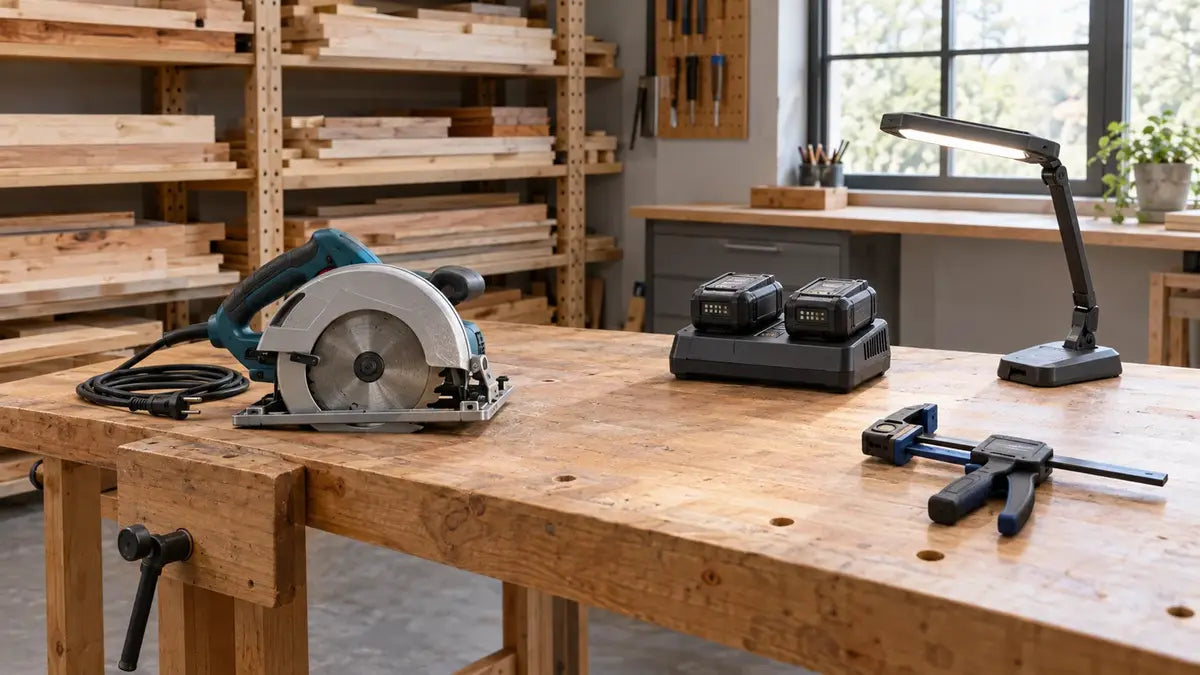
03WORKSHOPS & DIY
Use a reviewed tool list for repair benches and temporary workspaces. Running demand, motor startup, duty cycle, cables and individual outlet limits matter alongside G3605’s 4000W continuous AC rating.
8000W is a peak reference, not continuous output or a guarantee that a particular motor will start.

04MOBILE FOOD & COFFEE SERVICE
Review selected service lighting, point-of-sale equipment and compatible food-service appliances. Separate short heating cycles from continuous demand so the operating plan fits both the inverter ceiling and stored energy.
Validate startup, grounding and heat-producing loads. No fixed service duration or food-temperature continuity is guaranteed.
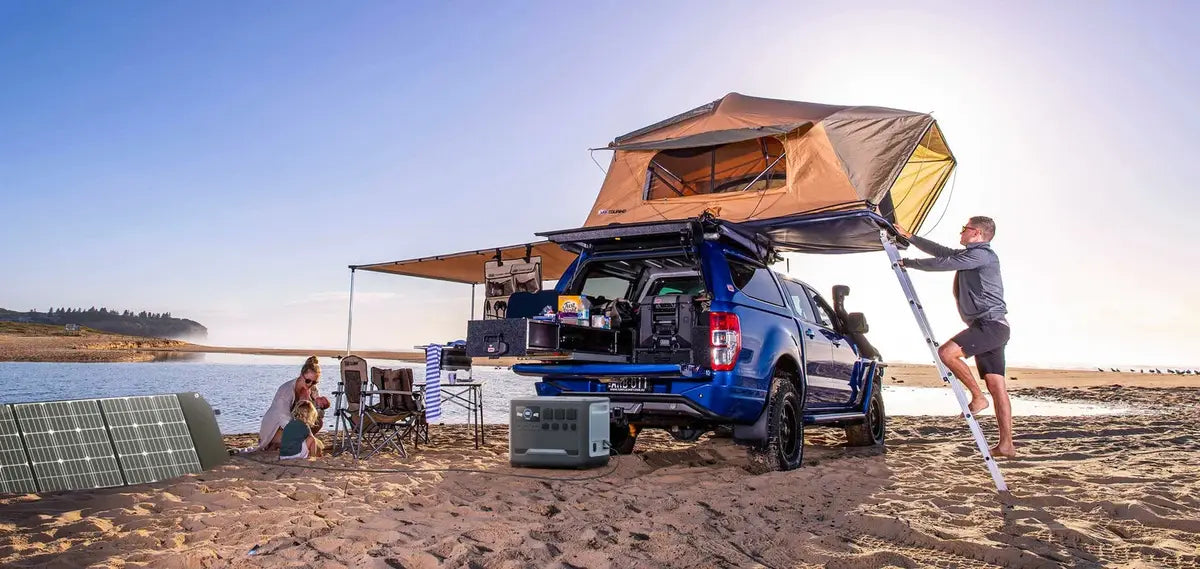
05RV & OVERLANDING
Allocate energy to compatible travel lighting, chargers and selected RV appliances. Review the regional AC configuration, DC arrangement and intended connection method before building the vehicle energy plan.
Do not assume a dedicated RV socket, simultaneous split-phase output, universal adapters or EV fast charging.
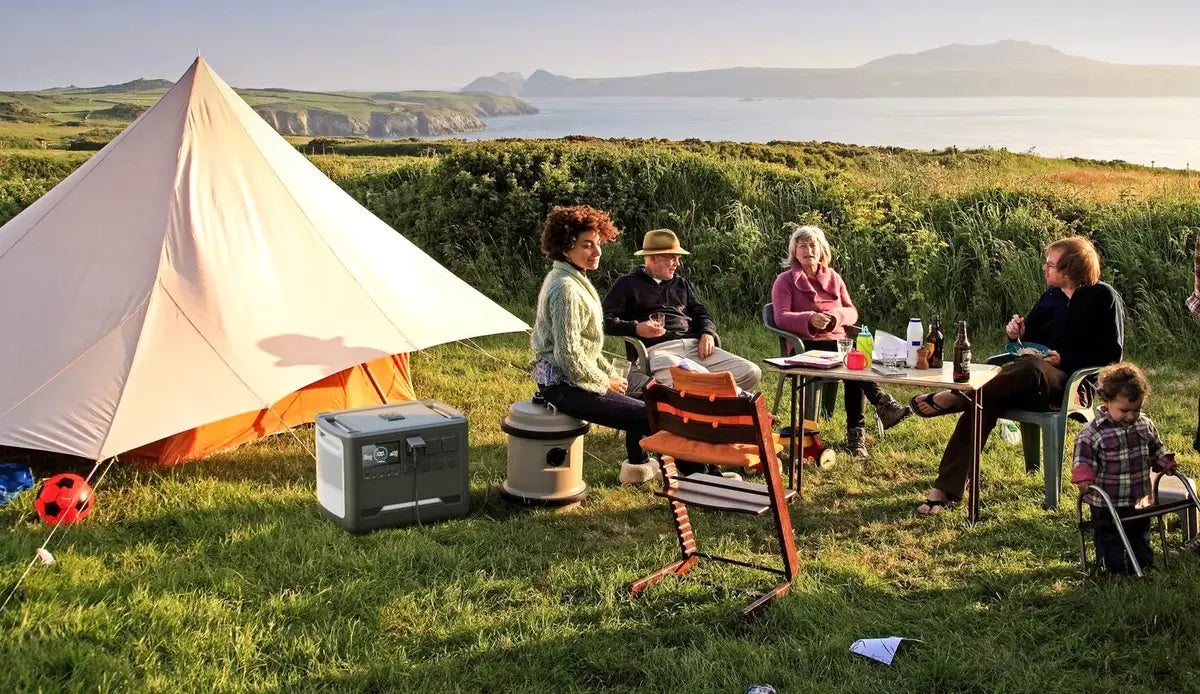
06FAMILY BASE CAMPS
Plan selected campsite lighting, compatible small appliances and charging around the length of your stay. Keep the comfort list practical: each added load affects energy use, even when it is well below 4000W.
Use the supplied environmental limits and a dry, ventilated operating location. No weatherproof or unattended-operation claim.
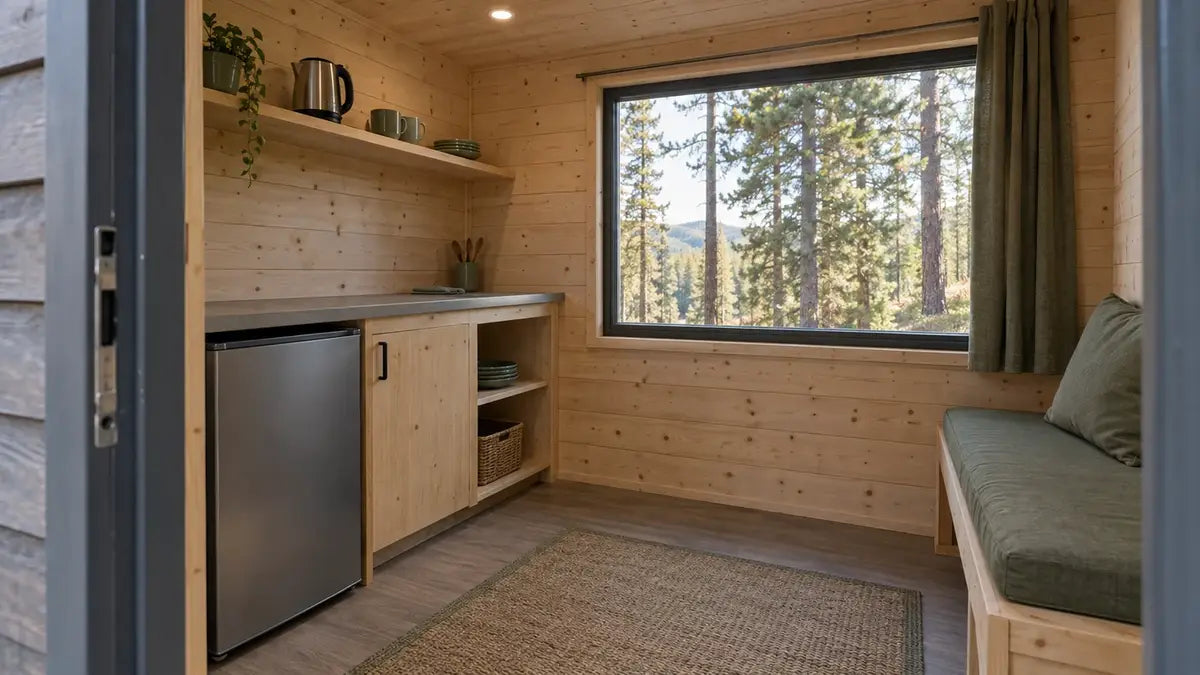
07REMOTE CABIN ESSENTIALS
Review a cabin’s selected appliances and daily operating hours before choosing the charging arrangement. Base capacity, actual solar yield and time between recharge opportunities define the practical autonomy of a program.
No permanent-building installation or unlimited off-grid autonomy is implied. Building connections need compliant professional design.
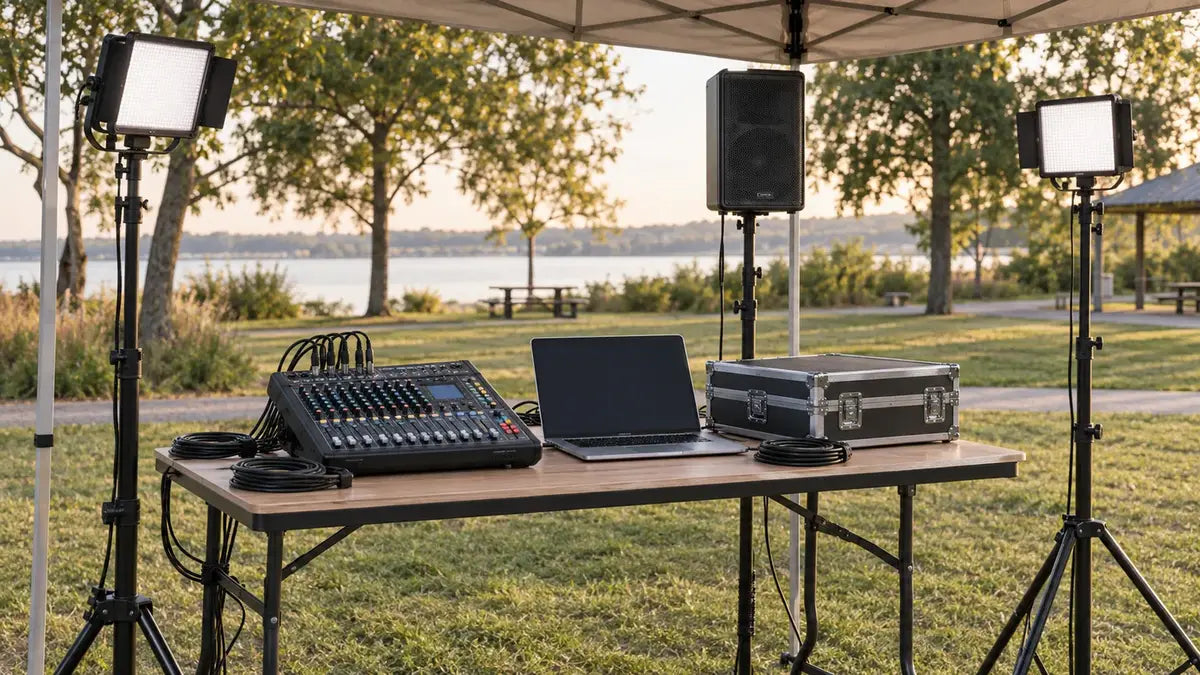
08SMALL EVENTS & CREW EQUIPMENT
Plan compatible mixers, small LED lights, chargers and laptop workstations for temporary crews. Review continuous operation separately from intermittent charging and momentary demand.
Validate each device and cable route. The scene does not establish compatibility with large concert rigs or all professional equipment.
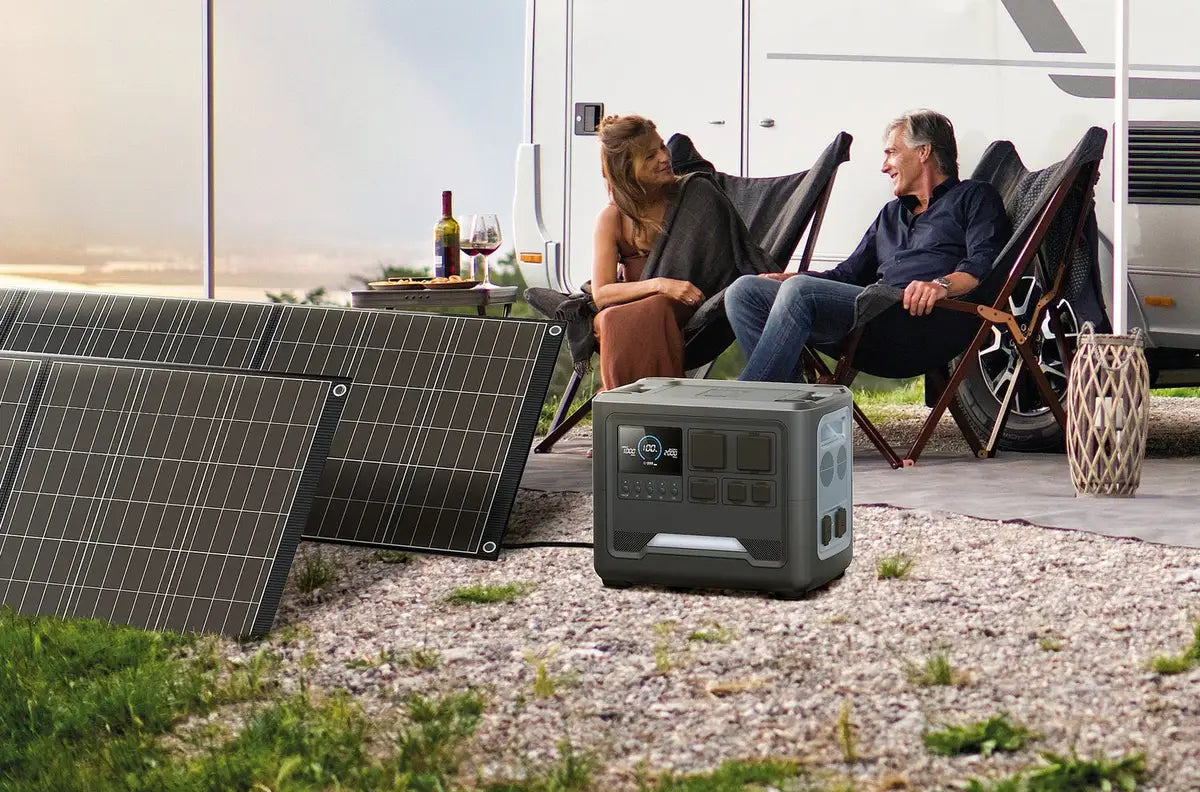
09SOLAR-SUPPORTED OUTDOOR STAYS
Use a compatible array to support an outdoor energy plan when conditions permit. Review the current G3605 input-port label, panel voltage and current, polarity and expected sunlight rather than assuming rated panel watts will always be delivered.
The source contains conflicting solar maxima. Confirm the approved input specification and cold-weather panel Voc before connection.
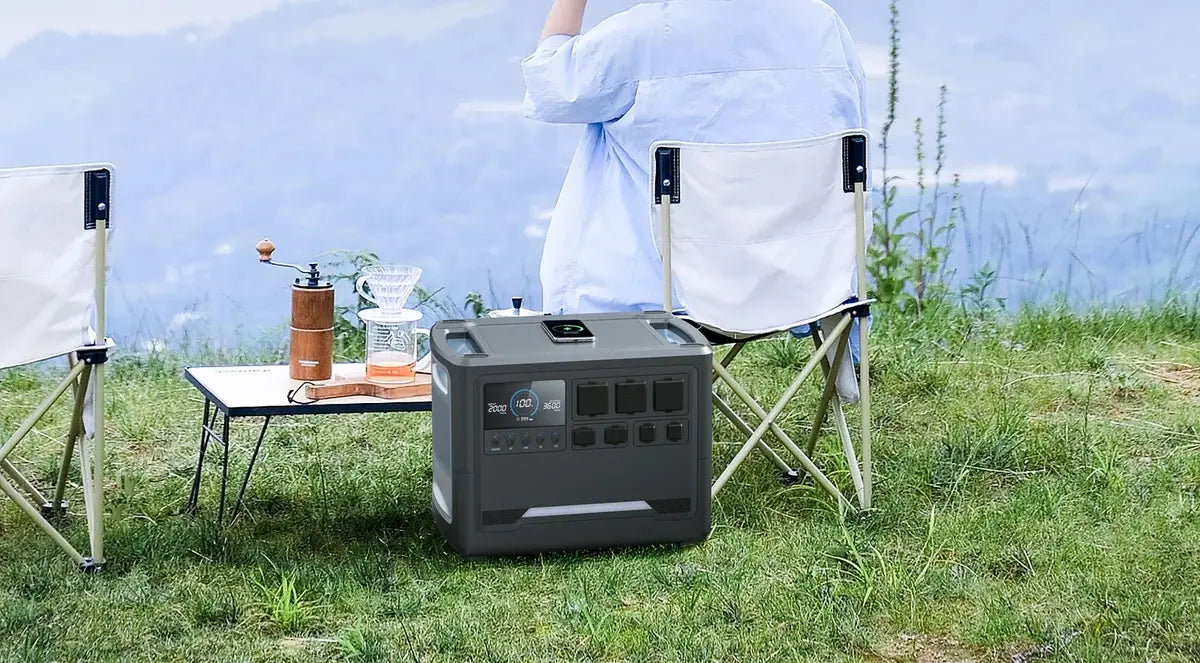
10PATIO GATHERINGS & SMALL POP-UPS
Review selected lighting, chargers and small service equipment for temporary dry setups. Ask which USB, DC and optional wireless functions are included in the supplied configuration instead of assuming every pictured accessory is standard.
No rain protection or universal wireless charging compatibility is implied. Keep liquid exposure and trip hazards out of the operating plan.
Application images illustrate possible uses, not measured customer results or universal device compatibility. Confirm equipment and installation requirements; pictured panels and accessories are not necessarily included.
SELECTED-LOAD PLANNING / NOT A PERFORMANCE TEST
Illustrative device watts are editable planning assumptions, not measured appliance data. Compressor startup, motor inrush and cycling need a separate review.
SELECTED RUNNING LOAD
260WBelow the 4000W continuous reference; compatibility still requires review.
3072Wh × selected assumption ÷ summed running watts
No measured runtime or device approval is implied. Standby consumption and cycling are not modeled separately. Temperature, battery condition and changing demand affect actual results.
RECHARGE WITH A DEFINED INPUT PLAN
Confirm the regional charger and each input port. Maximum source ratings do not establish a combined charging cap or a fixed recharge time.
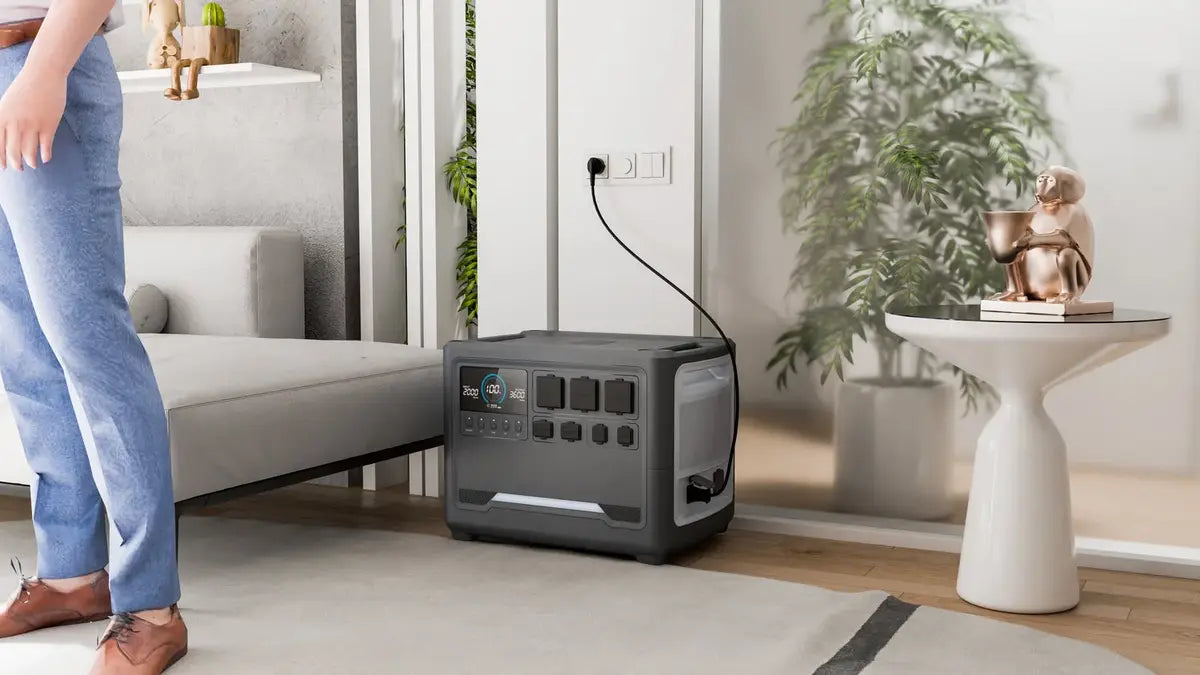
01 / AC MAINS
Published input reference: max 1500W at 100–120V or max 1800W at 220–240V, 50–60Hz. Confirm the supplied hardware and local circuit.
Actual charging time depends on the input supply, starting and ending state of charge, temperature and operating conditions.
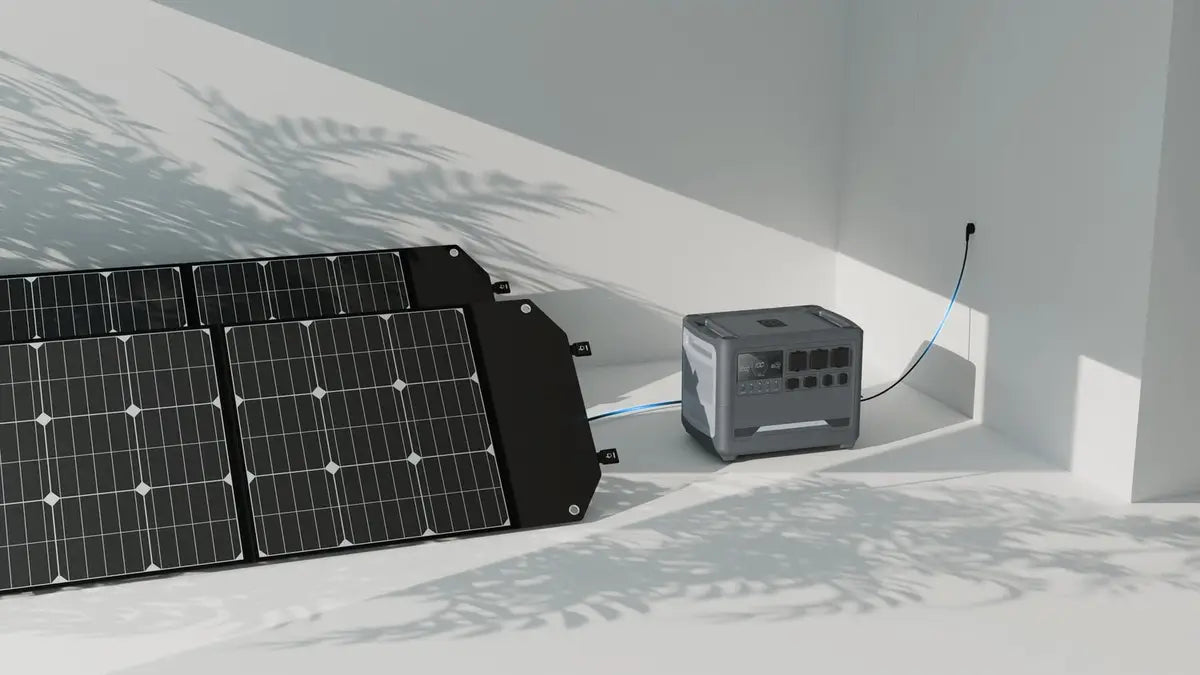
02 / SOLAR
The current table reference is 12–150V / 20A / max 1600W. Older page blocks say 1200W; obtain the approved current port label before array selection.
Check cold-weather Voc, current, polarity and array topology. Panel nameplate watts are not a guarantee of received charging power.
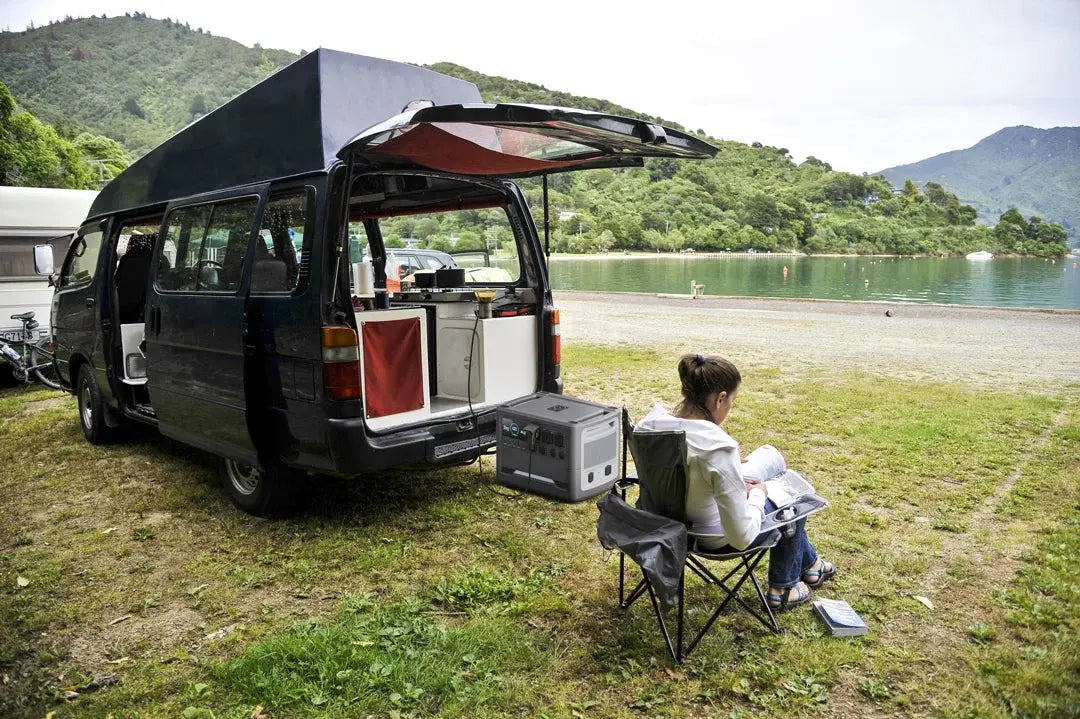
03 / VEHICLE
Review the supplied vehicle/RV charging interface, cable and supported vehicle supply. Do not treat a 600W DC output reference as an established charging-input rating.
Input/output direction, connector and pinout must be explicit. No automatic alternator or EV-charger compatibility is assumed.
THE BATTERY STORY
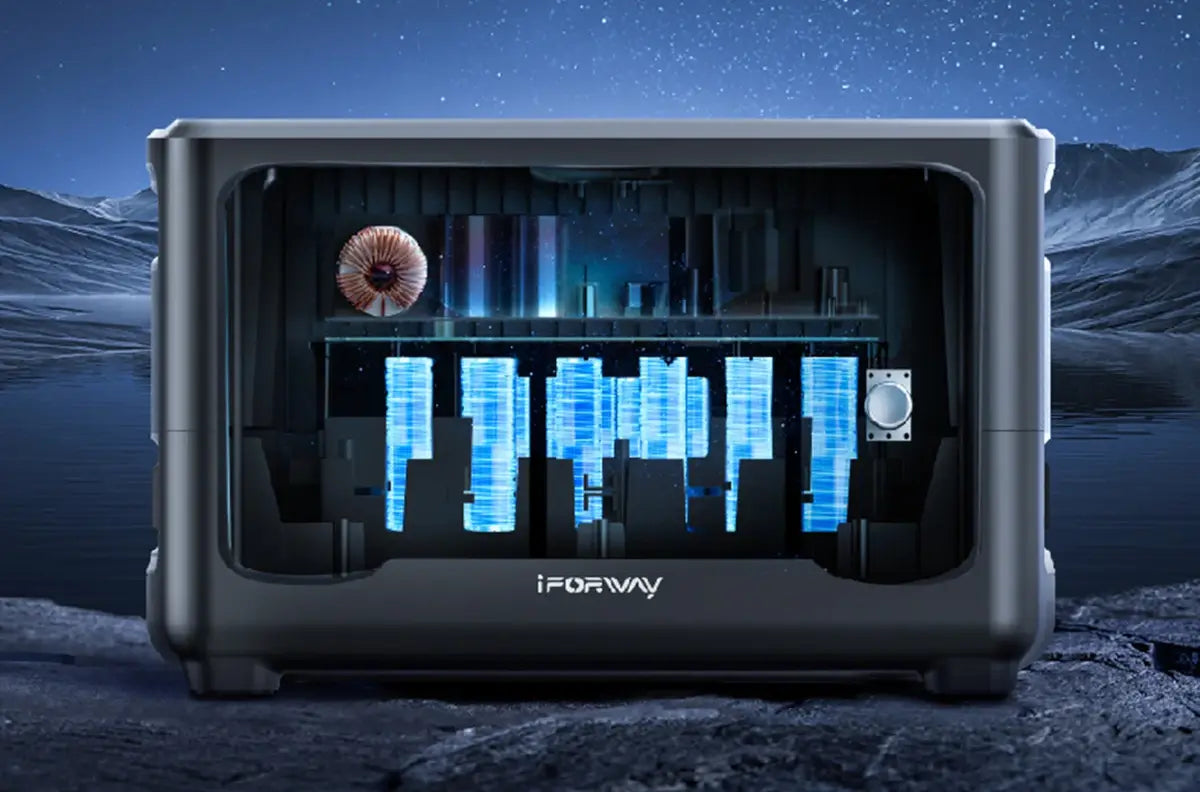
G3605 combines a 3072Wh (51.2V / 60Ah) LiFePO4 battery with 4000W continuous AC output. Use the energy capacity to plan operating hours, and the output rating to assess the equipment you want to run.
The published cycle-life reference is 3000 cycles at at least 80% remaining capacity. Request temperature, charge/discharge rate and the test method before using that number in a purchasing specification.
Balance operating hours, changing loads and recharge opportunities.
Request the test conditions behind the published cycle-life reference.
Match the pack version, technical documents and warranty to your order.
Actual runtime and service life depend on the operating conditions. Refer to the supplied-model documentation and agreed warranty.
CONSTRUCTION & BATTERY MANAGEMENT
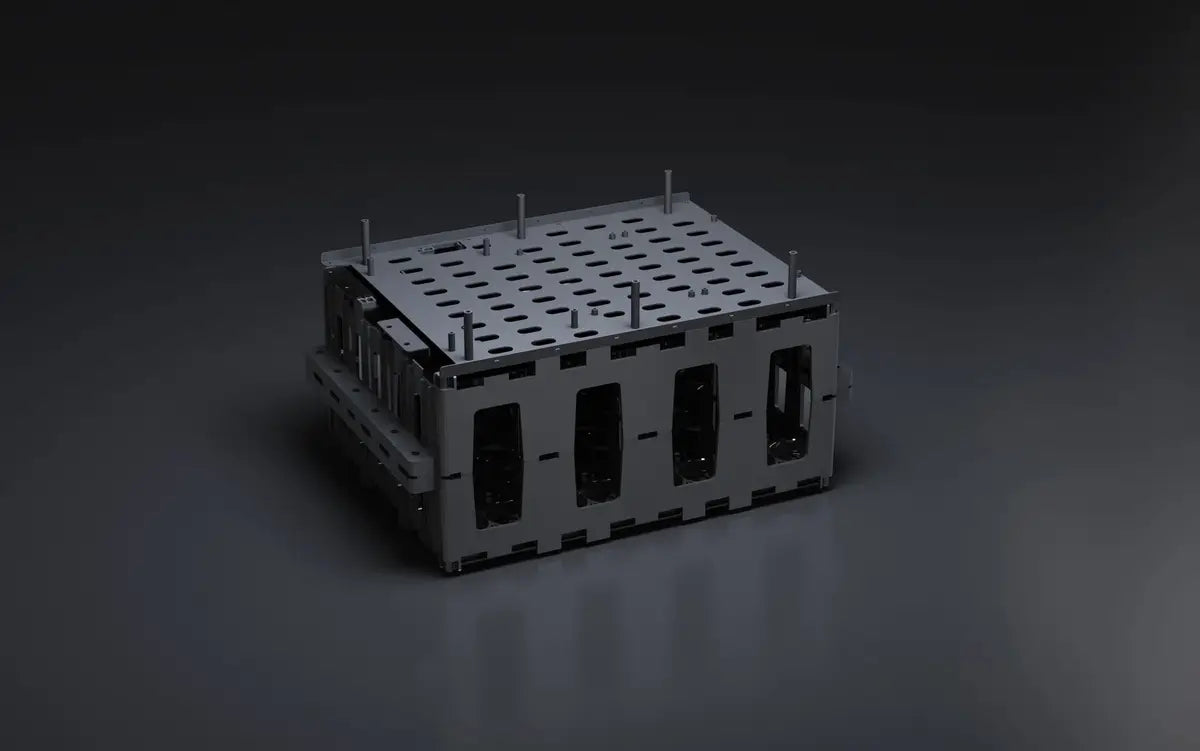
STRUCTURAL DESIGN
Explore G3605’s integrated structural approach with your engineering team. Request mechanical drawings and applicable material-test reports for the supplied configuration. Material flammability classifications are distinct from whole-product certification and ingress-protection ratings.
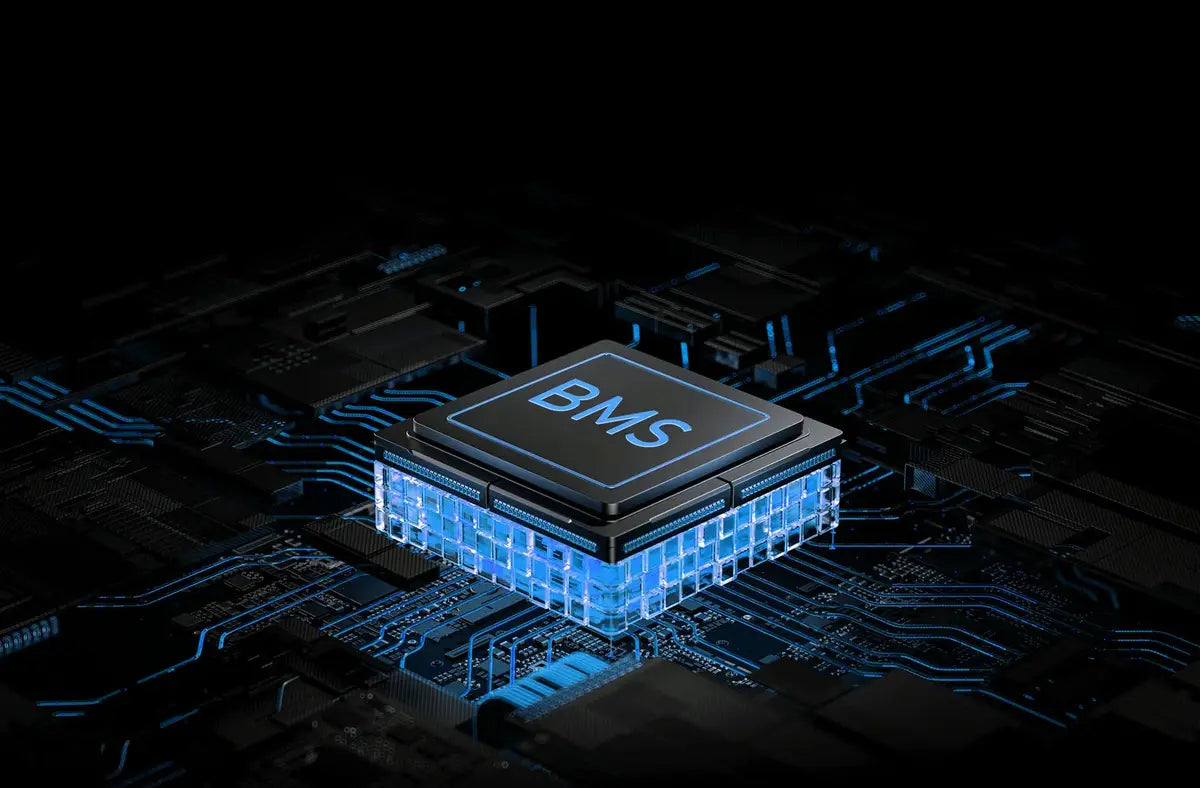
BMS & OPERATING LIMITS
Build the product brief around documented battery-management functions. Review the protection scope, operating temperatures, alarms and fault behavior for the supplied pack, so your team can define appropriate use instructions and support procedures.
CONNECTED CONTROL
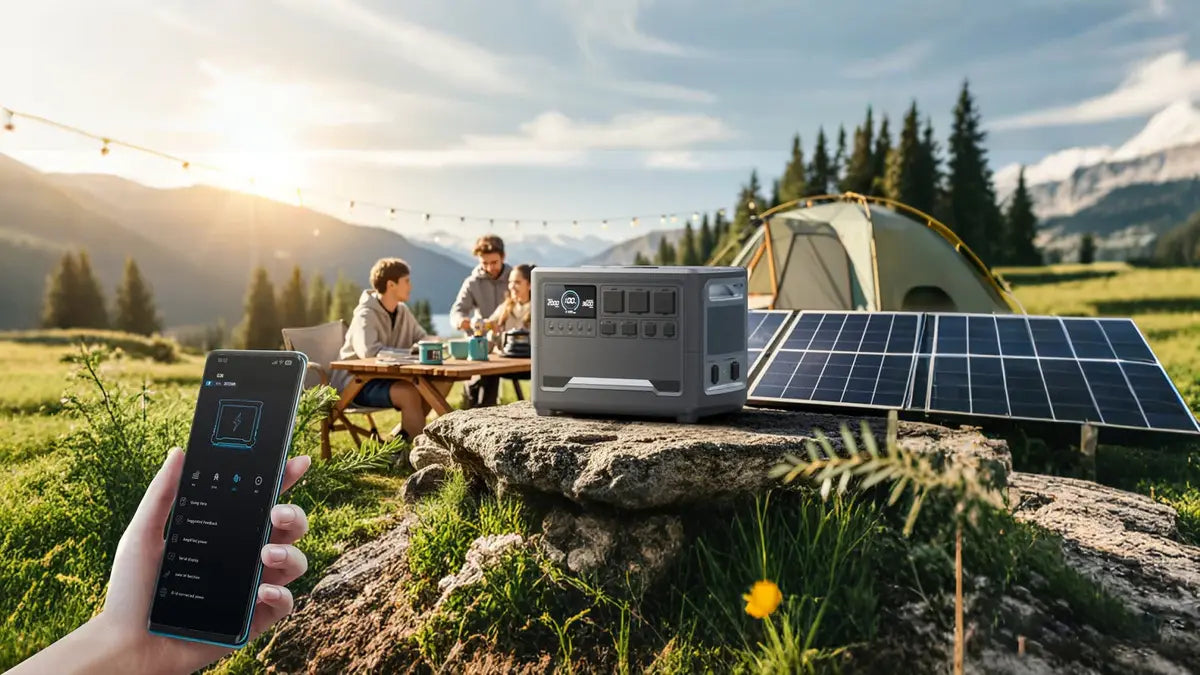
G3605 supports Wi-Fi and Bluetooth app connectivity. Review the supplied app and firmware to define the monitoring and control experience for your customers.
For OEM/ODM programs, discuss language, interface and integration requirements alongside the standard functions. Define the engineering scope and approval criteria before committing to a customized software experience.
Review available battery and power information.
Confirm supported commands, modes and connectivity conditions.
Discuss engineering, app and localization requirements.
App functions depend on the supplied hardware, firmware, software and connection conditions.
OPTIONAL SYSTEM PROGRAMS
Start with the 3072Wh G3605 base unit. Optional capacity-expansion programs can be discussed against your operating-hour requirements; the compatible pack, supported quantity and total system energy must be specified for the proposed configuration.
Ask for the compatible pack, connecting cable, control behavior, input/output limits and documentation for the complete configuration. A balcony-energy project also needs separate engineering and local grid-connection approval.
3072Wh capacity; 4000W continuous AC reference.
Compatible battery, quantity and total kWh to be specified.
Professional review before any building or grid connection.
Optional batteries, cables and installation components are not implied included. Building and grid connections require a separately approved system design.
THE CONNECTION PLAN
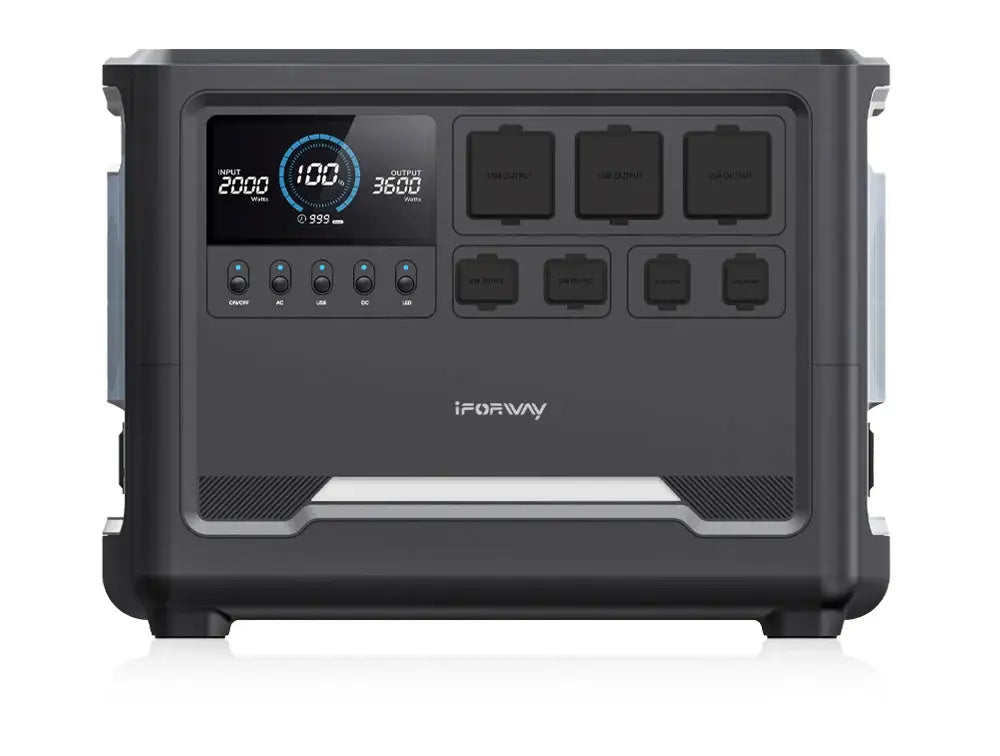
Choose the appropriate regional AC outlet configuration for your market, alongside the published two QC3.0 USB-A and two PD USB-C ports. Confirm each port’s output, shared limits and supported protocols for the supplied version.
The table’s max 140W USB-C wording does not clearly establish a per-port or combined allocation. The 12V / 50A / 600W DC reference also needs a connector and input/output-direction check.
Confirm voltage, frequency, outlet ratings and grounding.
Review per-port versus shared power before a laptop-charging claim.
Specify connector, mode, accessory and device compatibility.
Port counts or ratings are not automatically additive, and the AC inverter total remains 4000W.
ONE MODEL / ONE PROCUREMENT REFERENCE
Published references are separated from optional features and approval checks. The approved supplied-version datasheet and written quotation govern.
| Specification | G3605 reference / confirmation required |
|---|---|
| Model | iForway G3605 portable power station |
| Battery capacity | 3072Wh (51.2V / 60Ah), LiFePO4 |
| Continuous AC output | 4000W; final regional configuration and individual outlet ratings govern |
| Peak output reference | 8000W; request approved duration, starting-load limits and test conditions |
| Regional AC voltage / frequency | Published options: 100–120V / 50–60Hz or 220–240V / 50–60Hz. Do not infer simultaneous split-phase output. |
| AC outlet options | US / JP / AU / UK / EU / South Africa; confirm outlet count, individual ratings and market compliance |
| USB-A | 2 × QC3.0, as published; confirm supported protocols and shared limits |
| USB-C | 2 × PD; source lists max 140W without a clear per-port/aggregate basis. Confirm allocation before specifying. |
| High-current DC reference | 12V / 50A / max 600W listed. Confirm connector, direction, protection and supported operating mode. |
| RV / vehicle interface | Source also refers to a 12V RV input. Confirm separate input/output pinouts and compatible accessories; do not treat them as interchangeable. |
| Charging methods | AC mains, compatible vehicle charging and solar; approved cables/adapters required |
| AC input: 100–120V market | 50–60Hz; max 1500W published reference |
| AC input: 220–240V market | 50–60Hz; max 1800W published reference |
| Solar input, published table reference | 12–150V / 20A / max 1600W. Older source blocks say 1200W; approved current port label/datasheet required. |
| Combined-input charging | Confirm supported input combinations and total cap. Separate source ratings are not automatically additive. |
| AC charging-time reference | Approximately 2h is listed, but other source blocks differ. Confirm SOC window, region, temperature and actual input before a time commitment. |
| App connectivity | Wi-Fi / Bluetooth listed; confirm app, firmware, supported functions and connectivity requirements |
| LED light | 8W published reference |
| Cycle-life reference | 3000 cycles at ≥80% remaining capacity, as listed; request temperature, C-rate and test method |
| Weight reference | Approximately 34.5kg /76lb; confirm supplied-version net versus packed weight |
| Dimension reference | 672 ×472 ×525mm, as published; confirm net versus packed dimensions and handle position |
| Wireless charging | Listed feature; confirm supplied configuration, supported devices and power limit |
| Capacity expansion | Optional configuration; approved compatible battery, capacity, unit count, cable and operating limits required |
| Balcony-energy option | Optional project scope only. Grid connection, inverter topology and local approval require separate engineering review. |
| Construction / protection evidence | Request model-matched mechanical and material-test documents. No IP, drop or certified fireproof-product rating asserted. |
| Standard OEM MOQ | 100 units; qualified trial-order options subject to review |
Request the model-specific datasheet for your destination market. Input limits, measurement basis, optional accessories and installation requirements must match the configuration on your quotation.
TURN A CLAIM INTO A PROCUREMENT CHECK
Model/variant datasheet, operating manual, port labels, connector drawings and approved accessories.
Rated versus peak tests, charging conditions, cycle-life method and applicable operating limits.
Model-matched certificates, declarations and transport documents with issuer, scope and validity.
OEM / ODM PARTNERSHIPS
Send a concise technical and commercial brief. We can review the platform configuration instead of assuming every market needs the same product.
Destination, voltage/outlets, running and starting loads, operating hours, environmental conditions and forecast quantity.
Logo, color, packaging, manuals, regional ports and proposed firmware/app changes. Define new tooling or engineering separately.
Approve the exact configuration, sample, documentation scope, schedule, warranty and commercial terms before production.
Standard OEM MOQ starts at 100 units; flexible trial orders may be available for qualified new brand partners.
Discuss a G3605 OEM Program ↗PRODUCT & PROCUREMENT ANSWERS
Direct answers for device selection, charging, optional systems and model-specific purchasing.
G3605 is a 3072Wh LiFePO4 portable power station with a 4000W continuous AC reference and an 8000W peak reference. It is offered for OEM/ODM, private-label and procurement programs; application suitability depends on the supplied regional configuration and equipment list.
Use 4000W continuous AC for the G3605 configuration presented here, together with 3072Wh battery capacity. Do not substitute an older 3600W label or a mixed-model output range. The approved G3605 datasheet and quotation must identify the exact supplied version.
No. The continuous AC reference is 4000W. The 8000W figure is a peak reference, not an indefinite output or a guarantee of motor startup. Request the peak duration, load conditions and current limits before specifying starting performance.
Compare usable battery energy, regional voltage and outlets, continuous and starting-load limits, input-port specifications, actual charging conditions, compatible expansion options, app functions, handling requirements and model-matched documentation. The same inverter wattage does not establish the same runtime or system ecosystem.
G3605 can be considered for selected refrigerators, kitchen appliances and tools whose combined running demand fits its 4000W continuous AC rating and individual outlet limits. Suitability also depends on device voltage, startup demand, duty cycle and connections. Send the equipment specifications for review; a wattage match alone does not guarantee compatibility or runtime.
The planner uses 3072Wh multiplied by the selected usable-energy assumption, divided by the summed illustrative running load. Its preset device values are examples, not measured appliance specifications. Standby use and cycling are not separately modeled; the estimate is not a tested runtime or compatibility result.
The published specification lists regional 100–120V or 220–240V options. That does not establish simultaneous split-phase output. Confirm the supplied inverter, connectors, neutral/ground arrangement and installation requirements instead of importing another brand’s electrical architecture.
The current G3605 table lists max 1500W at 100–120V and max 1800W at 220–240V, with 50–60Hz references. Confirm the actual supplied charger and local circuit. Charging time requires the SOC window, temperature and operating conditions; the input maximum alone is not a full-charge guarantee.
The current specification table lists 12–150V,20A and max 1600W, while older source blocks use 1200W. Obtain the current G3605 port label and approved per-port datasheet before selecting an array. Do not resolve the conflict by adding ratings or choosing a higher claim.
Not established. The source lists 12V/50A/max 600W DC and also mentions a12V RV input. Request connector type, direction, pinout, protection and supported modes for each interface. Do not connect a load or charging source based only on a shared voltage description.
Expansion is an optional program feature in the source. This page does not assert an unverified extra-battery capacity, supported unit count or total kWh. Request the approved compatible pack, cable, control behavior, operating limits and model-specific documentation.
App connectivity is listed for G3605. Confirm the supplied app, firmware, supported monitoring/control functions, regional availability and connectivity conditions. Branded UI, localization, cloud services or protocol integration belong in an approved engineering scope.
No such whole-product rating is asserted here. Source construction illustrations and material descriptions do not substitute for a model-matched test report, and a material flammability result is not an ingress or whole-product fire-safety certificate. Request the evidence and exact scope needed for the destination market.
Any building or grid connection requires a compliant, professionally designed arrangement and the approved system configuration. The optional balcony-energy description does not establish grid-tie certification or permission to connect. Never backfeed a household outlet or assume zero-interruption home backup.
Standard OEM MOQ starts at 100 units; flexible trial orders may be available for qualified new brand partners. Request a scope review for branding, colors, packaging, regional outlets, manuals, firmware/app work and engineering changes. Confirm tooling, schedule and warranty in the quotation.
Provide destination markets, selected loads and starting demand, operating hours, regional voltage/outlets, forecast quantity and branding requirements. Request the approved G3605 datasheet, manual, applicable market compliance records and battery transport documents; verify exact model coverage, issuer and validity before ordering.

Power Life Power Future
Professional outdoor energy storage manufacturer since 2006.
iForway
inquiry@iforway.com
+86 13828849396 (WhatsApp / Mobile)
Subscribe to get the 2026 product catalog, latest price list and new product releases.
iForway is the brand of 3A Technology Co., Ltd. — a Shenzhen-based OEM/ODM manufacturer of portable power stations, LiFePO4 batteries, hybrid solar inverters and foldable solar panels, founded in 2006. The iForway brand is operated by 3A Technology Co., Ltd.
© 2026 iForway (3A Technology Co., Ltd.). All Rights Reserved.