


OUTPUT ENVELOPE
1800W is the running-load ceiling.
Keep the combined continuous demand within the rated inverter and the individual outlet limits. Review startup behavior separately from the 3600W peak reference.
Review the planning detail ↓G20 / THE ESSENTIALS-FIRST POWER PLATFORM
Start with the loads people actually need: communications, laptop work, selected household essentials and weekend travel. Choose a 1024Wh or 1536Wh LiFePO4 pack to match the operating hours your customers need. Request the weight and charging specification for your selected capacity.
Capacity options:1024Wh /1536Wh.Select one base-pack configuration. Regional AC input, solar maximum, weight and accessories must match the selected model specification.
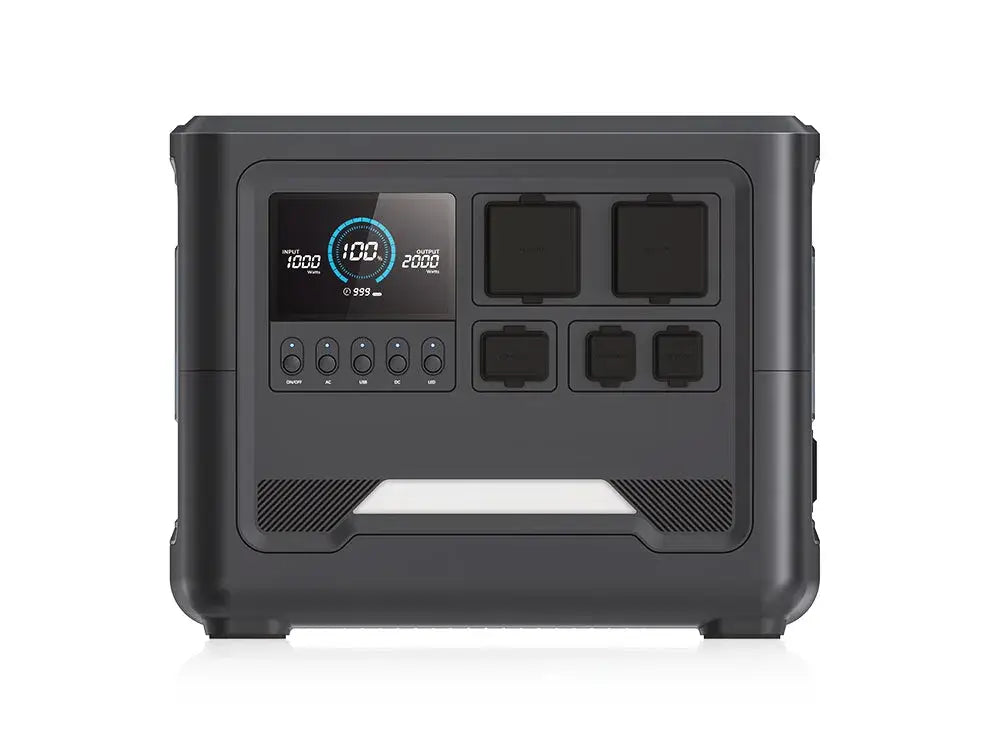
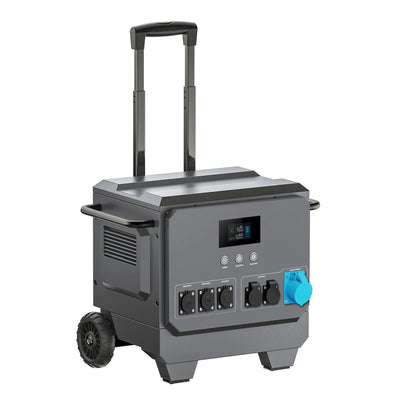
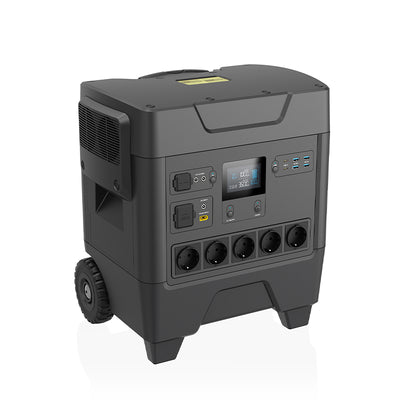
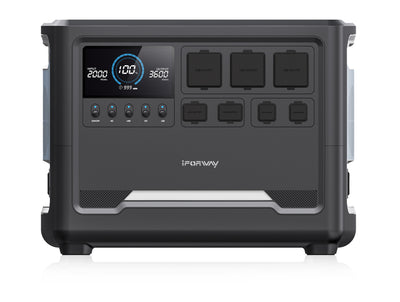
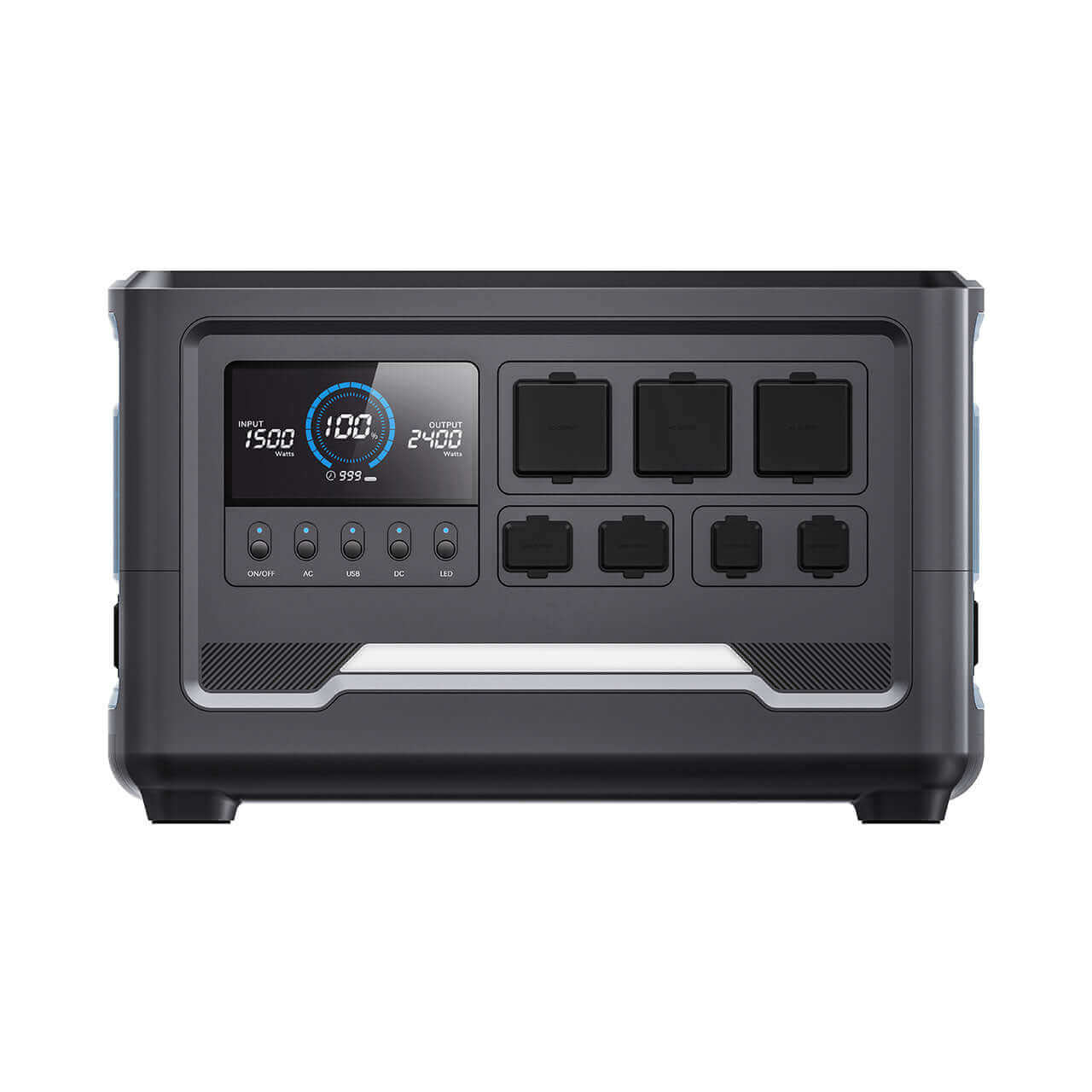
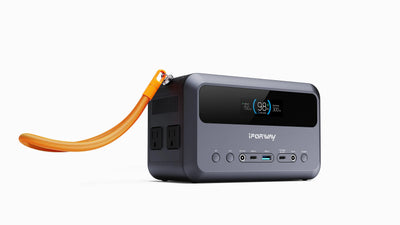
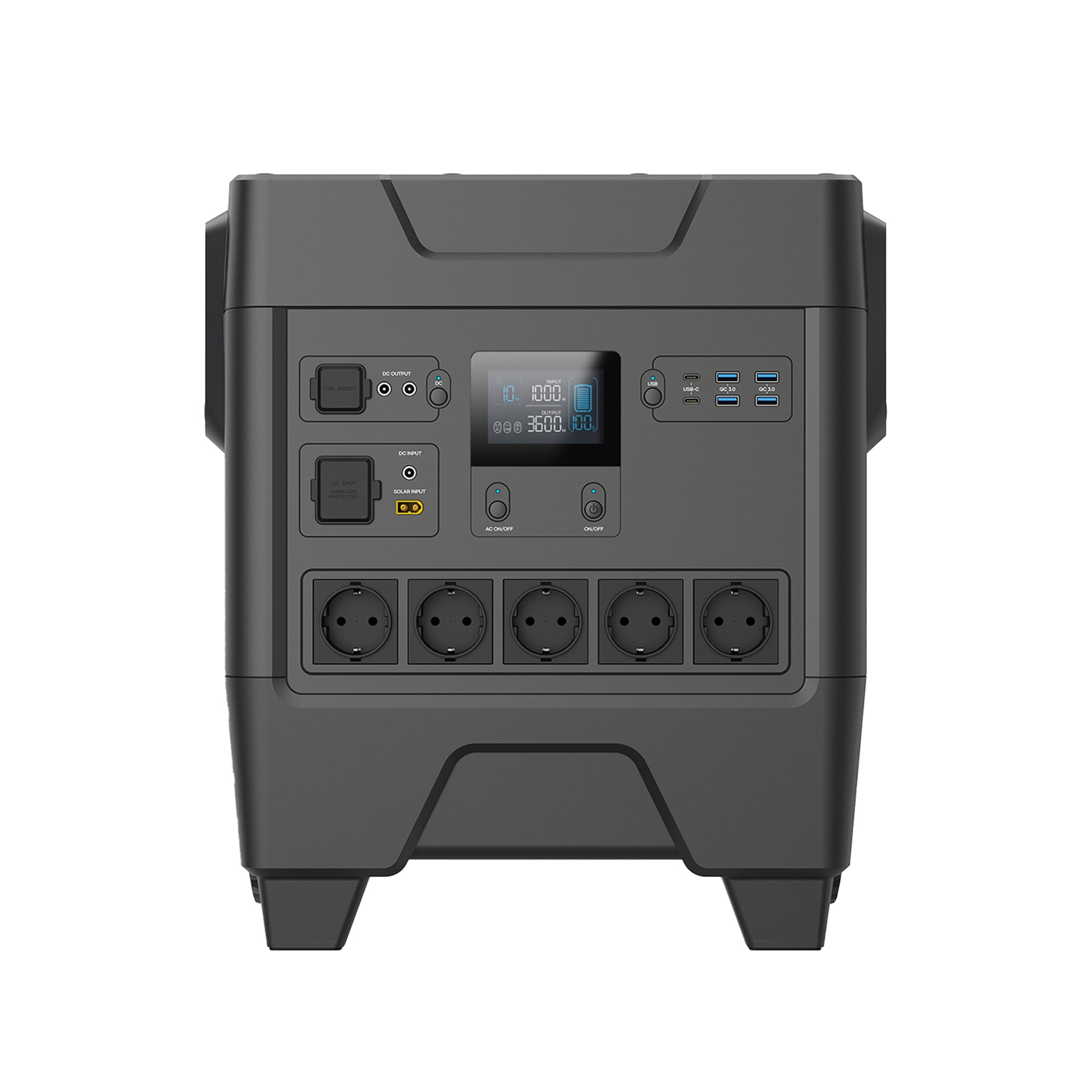
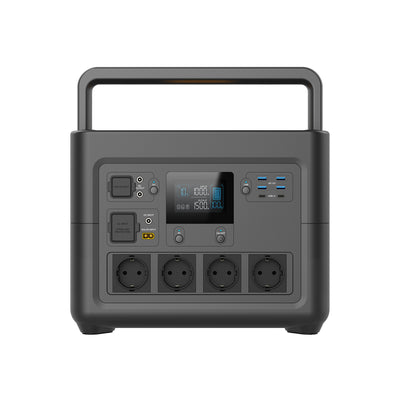
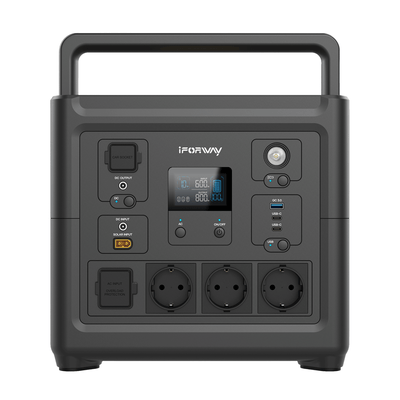
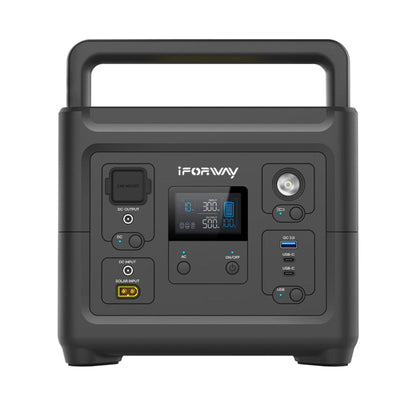
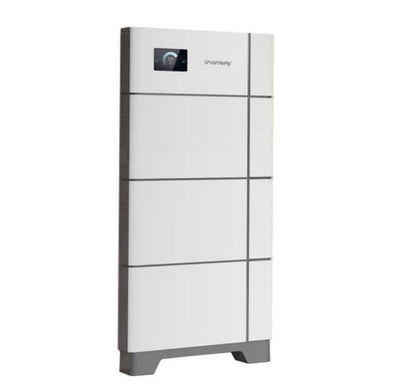
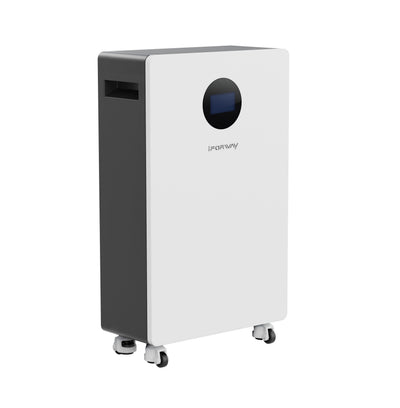
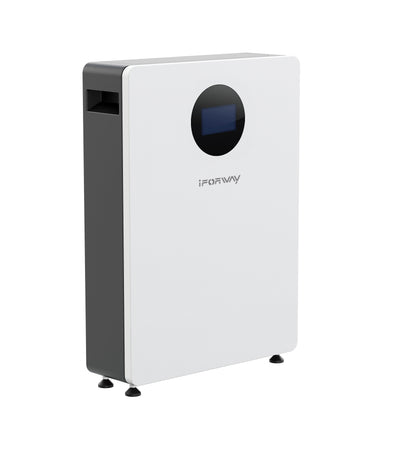
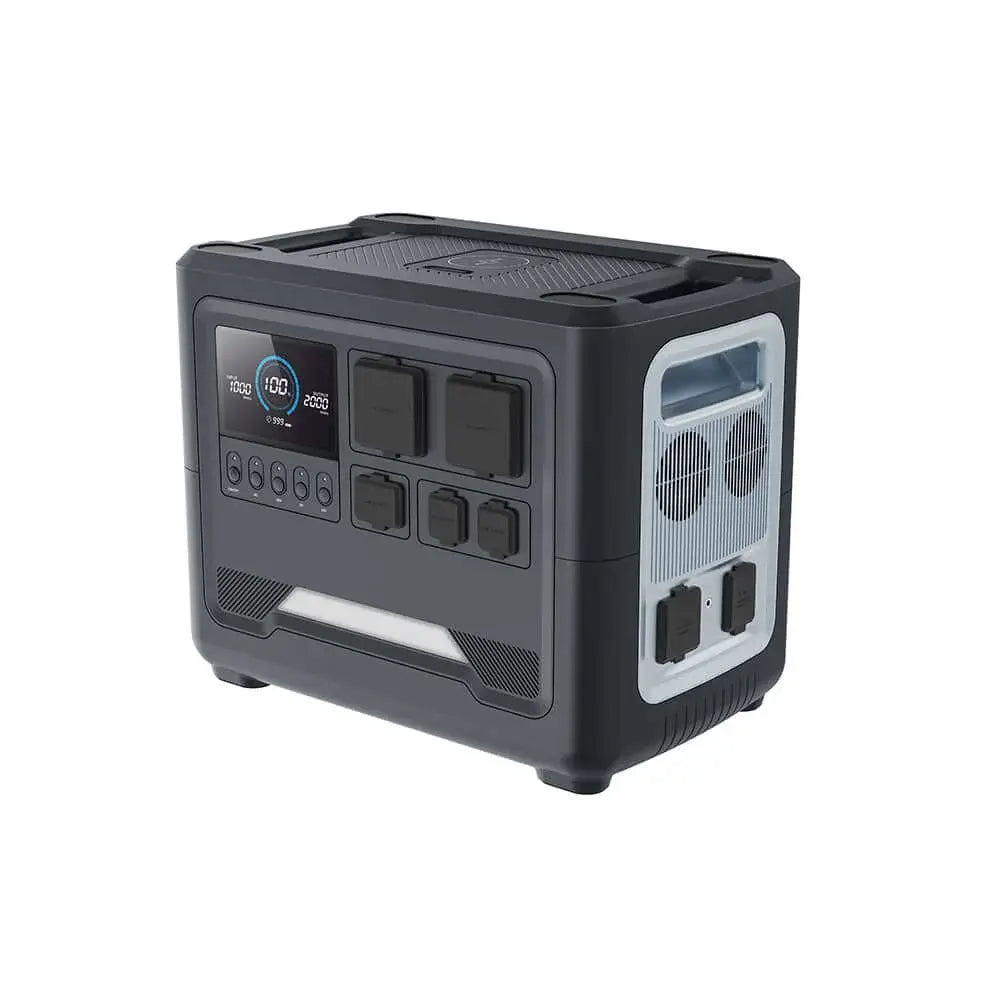
Original G20 product images. Screen readings are illustrative, not rated-output evidence. Regional layouts may differ.
What is G20 best planned around?A standalone 1800W portable-power platform with 1024Wh or 1536Wh pack options for prioritized loads, work electronics and travel setups. Match operating hours and recharge access first; the two capacities are alternatives, not an external expansion feature.
A MORE FOCUSED PORTABLE-POWER LINE
OUTPUT ENVELOPE
Keep the combined continuous demand within the rated inverter and the individual outlet limits. Review startup behavior separately from the 3600W peak reference.
Review the planning detail ↓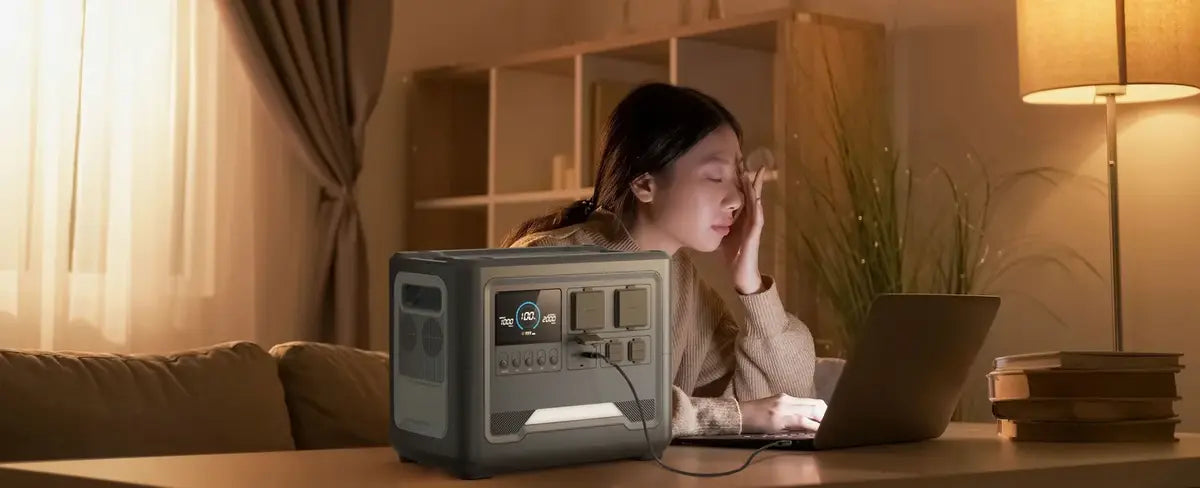
ENERGY BUDGET
At 100W and an illustrative85% usable-energy assumption, the 1024Wh pack gives about 8.7h and the 1536Wh pack about 13.1h. These are estimates, not measured runtimes.
Review the planning detail ↓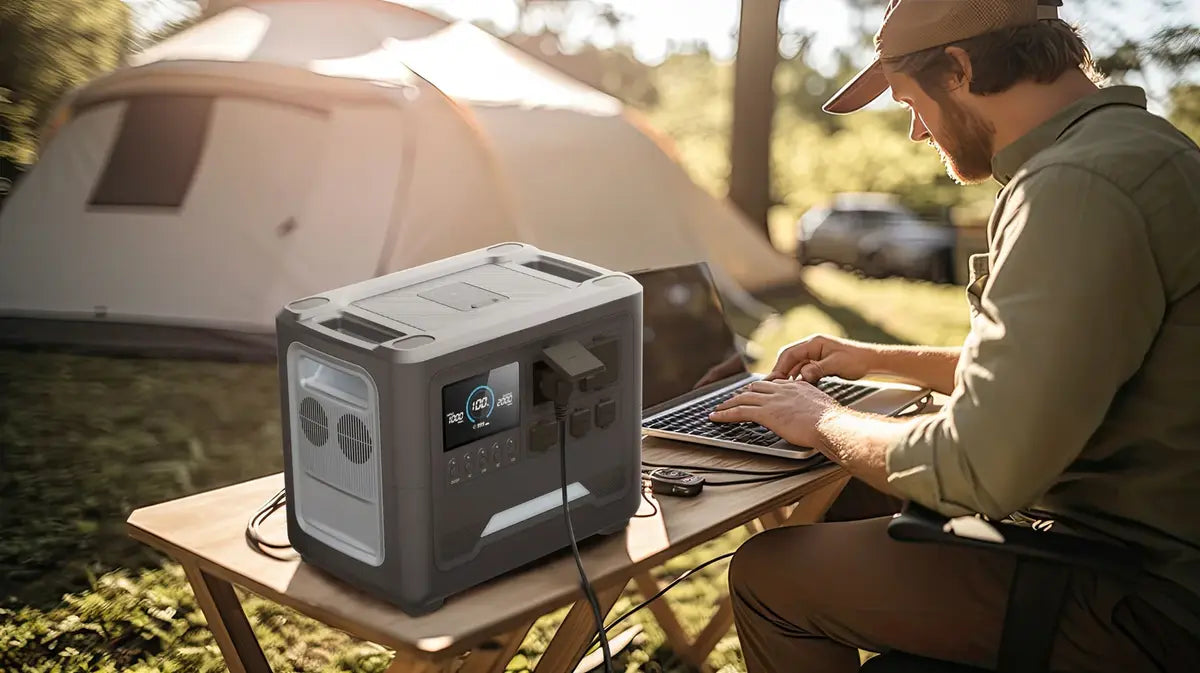
HANDLING & USE
The published weight is around 15kg, not a pocket-sized battery. Review lifting, ventilation, packing dimensions and the actual task before specifying a travel or service kit.
Review the planning detail ↓EIGHT SELECTED-LOAD APPLICATIONS
These are planning examples, not customer case studies or universal device approvals.
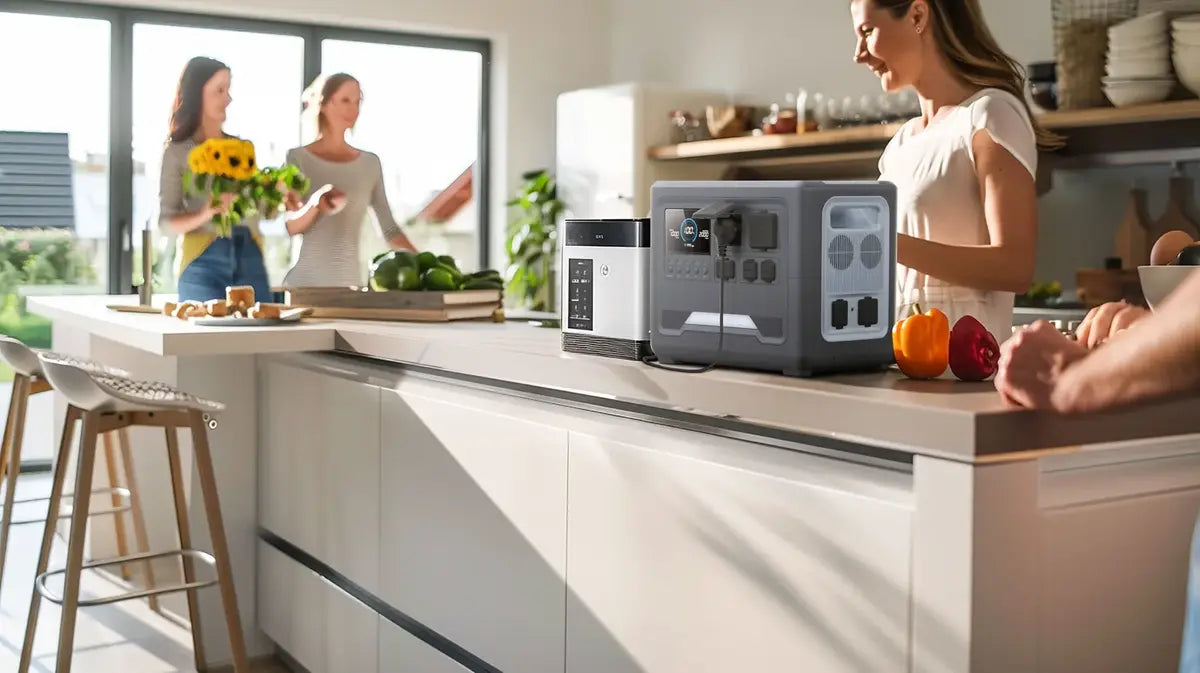
01HOUSEHOLD ESSENTIALS
Keep selected lights, a router and compatible refrigeration on the priority list. Allocate the 1024Wh baseline to the hours that matter instead of treating every kitchen appliance as an essential.
Review compressor startup and cycling. The picture does not establish simultaneous appliance compatibility.
02REMOTE WORK & COMMUNICATIONS
A laptop, network equipment and task lighting are a more useful starting point than a household-wide load list. Direct USB-C charging may help avoid unnecessary AC conversion when device protocols match.
The published USB-C reference is up to 100W. Cable, device negotiation and shared-port limits still apply.
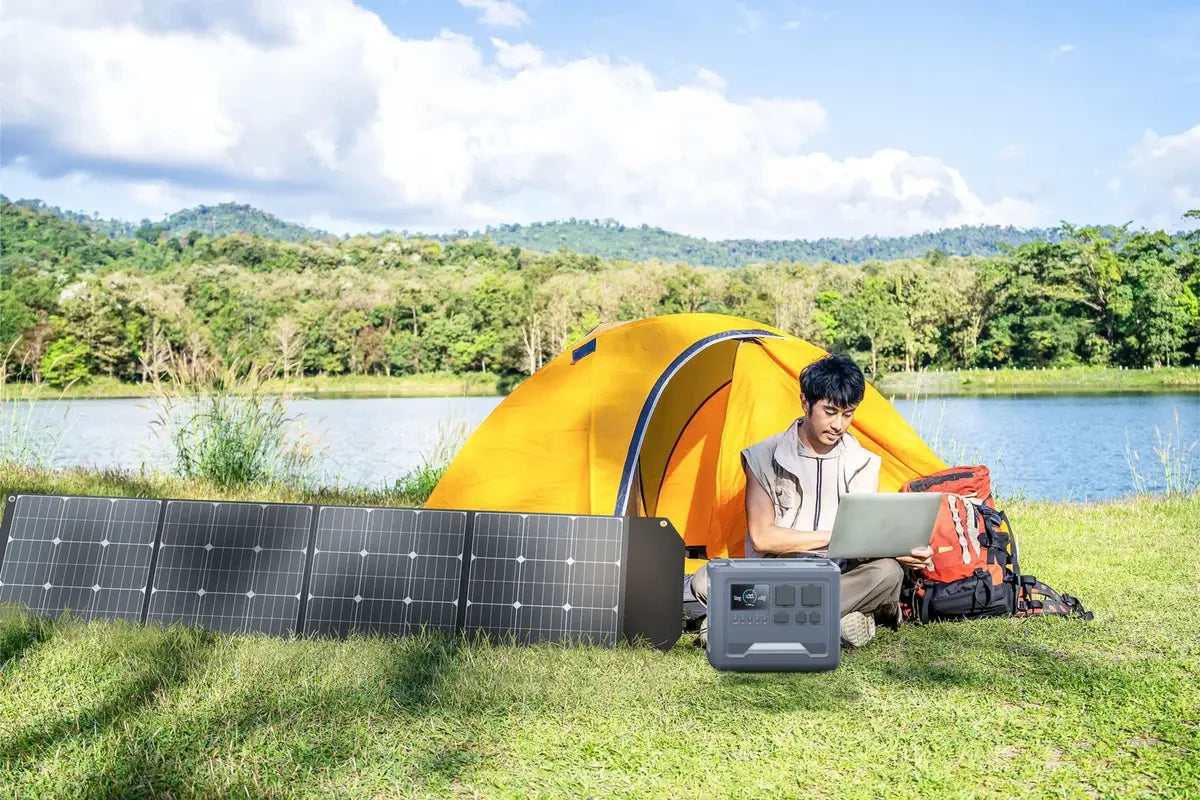
03WEEKEND BASE CAMPS
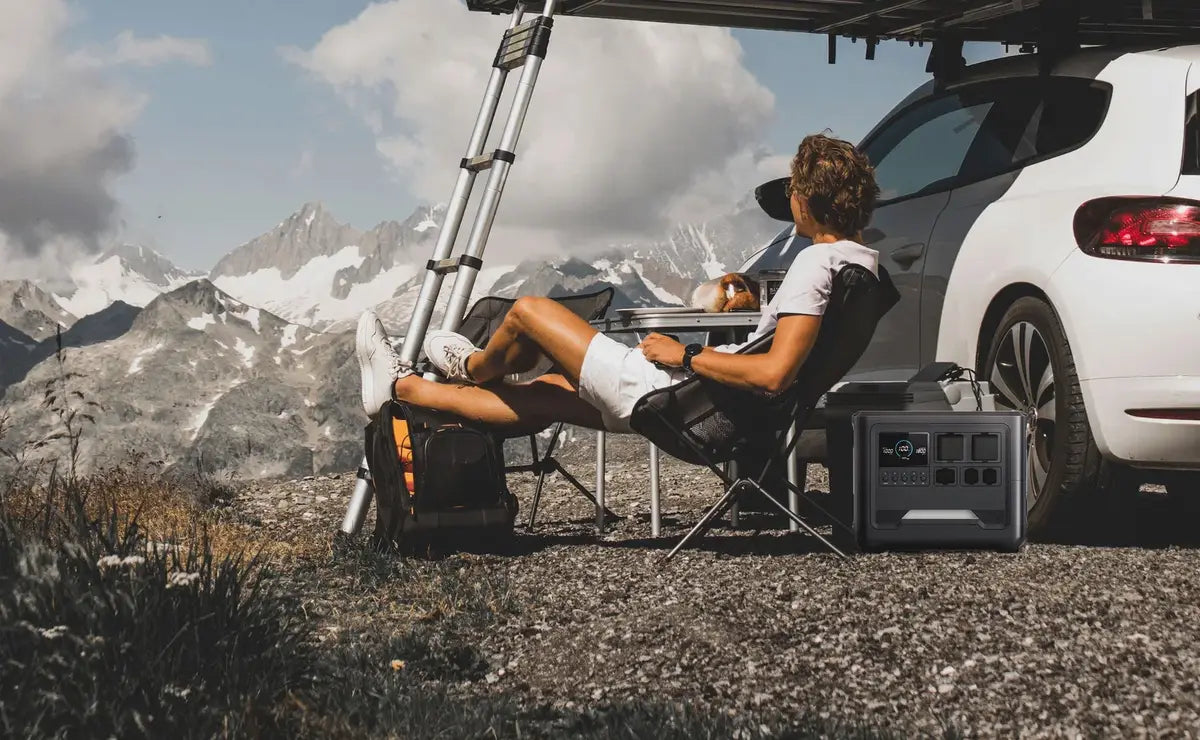
Build a campsite energy budget around lights, phones and compatible small appliances. Solar can support the plan, but expected daylight and the approved G20 input limit decide what can be harvested.
Keep the unit dry and ventilated. Panels in the illustration are not implied included.
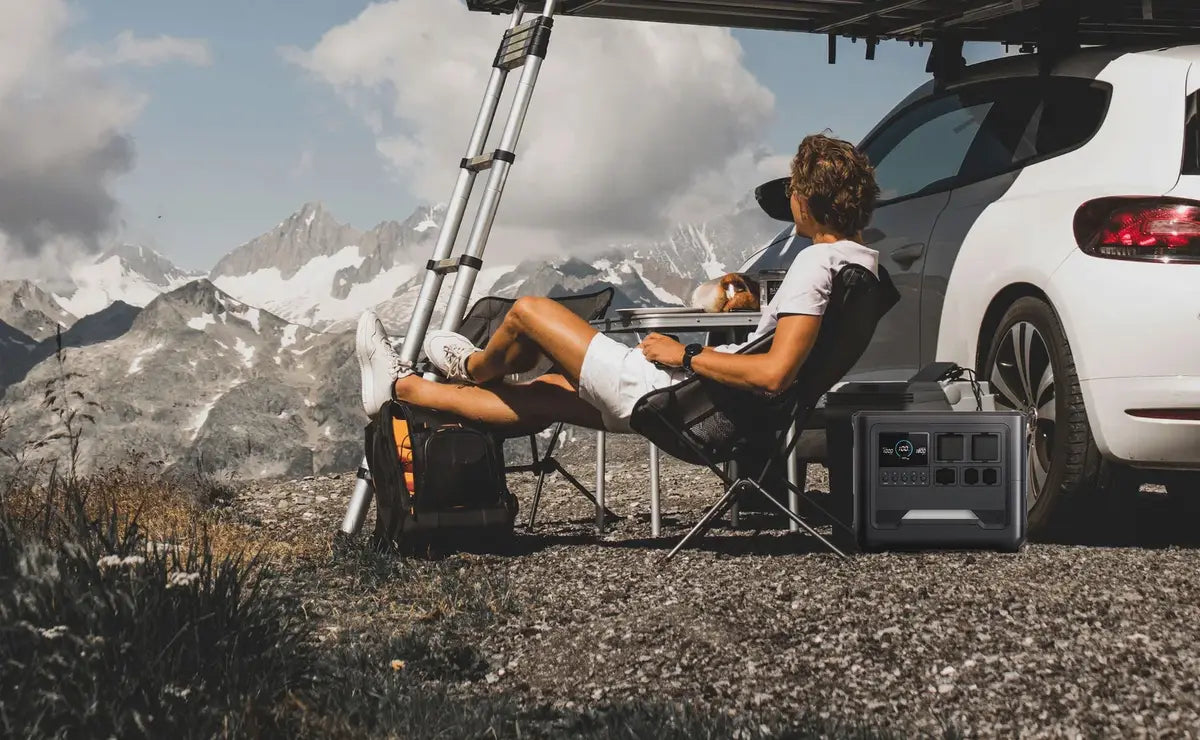
04ROAD TRIPS & PARKED VEHICLES
Use a reviewed G20 configuration for compatible travel lighting, charging and parked-vehicle accessories. Schedule recharge stops rather than assuming unlimited use at every campsite.
This is not an EV traction charger or an automatic vehicle integration. Confirm cables, DC limits and connection direction.
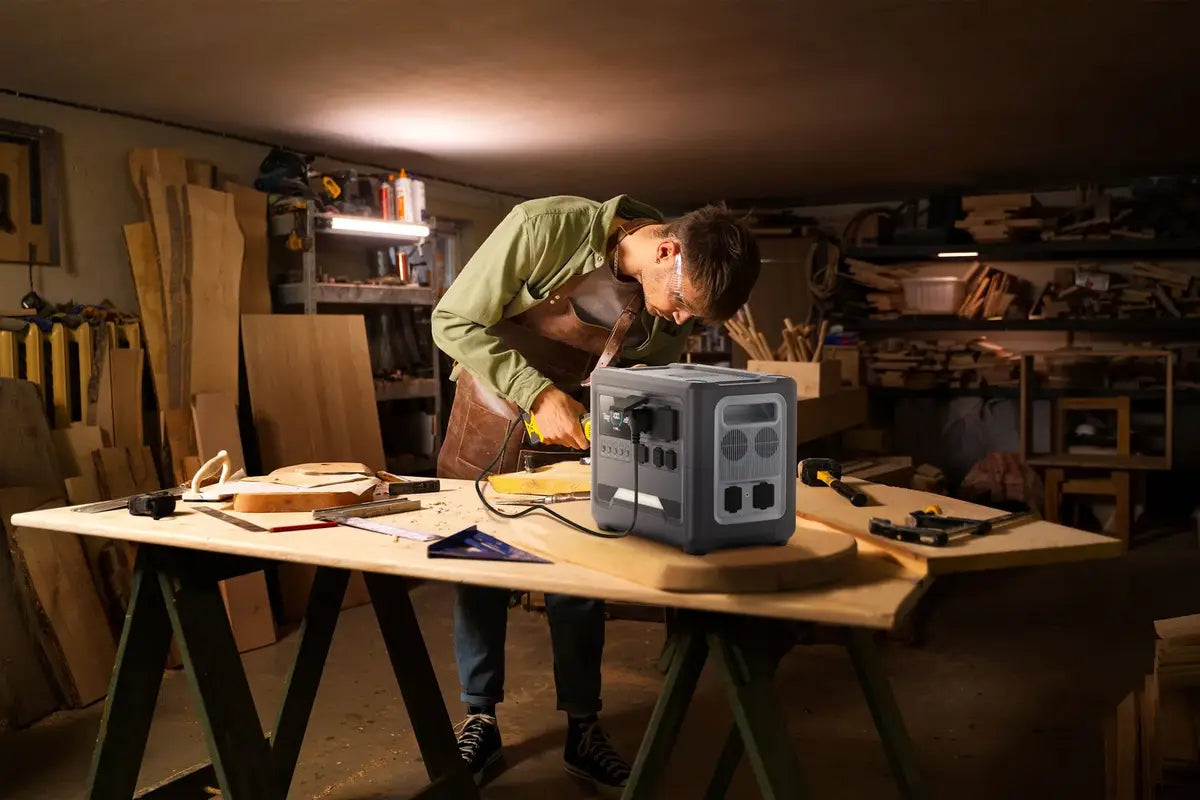
05FIELD SERVICE & MAINTENANCE
Prioritize diagnostic equipment, chargers and work lights for temporary maintenance tasks. Some tools may fit the running-power envelope, but starting current and duty cycle need their own check.
Do not infer saw, compressor or welding compatibility from this application illustration.
06OUTDOOR WORKSTATIONS
For field surveys, photography support and outdoor laptop work, list the actual chargers and operating hours first. G20 provides a1kWh-class baseline for teams who do not need a larger energy platform.
No weatherproof or unattended-operation claim is implied. Keep clear of water, dust and excessive heat.
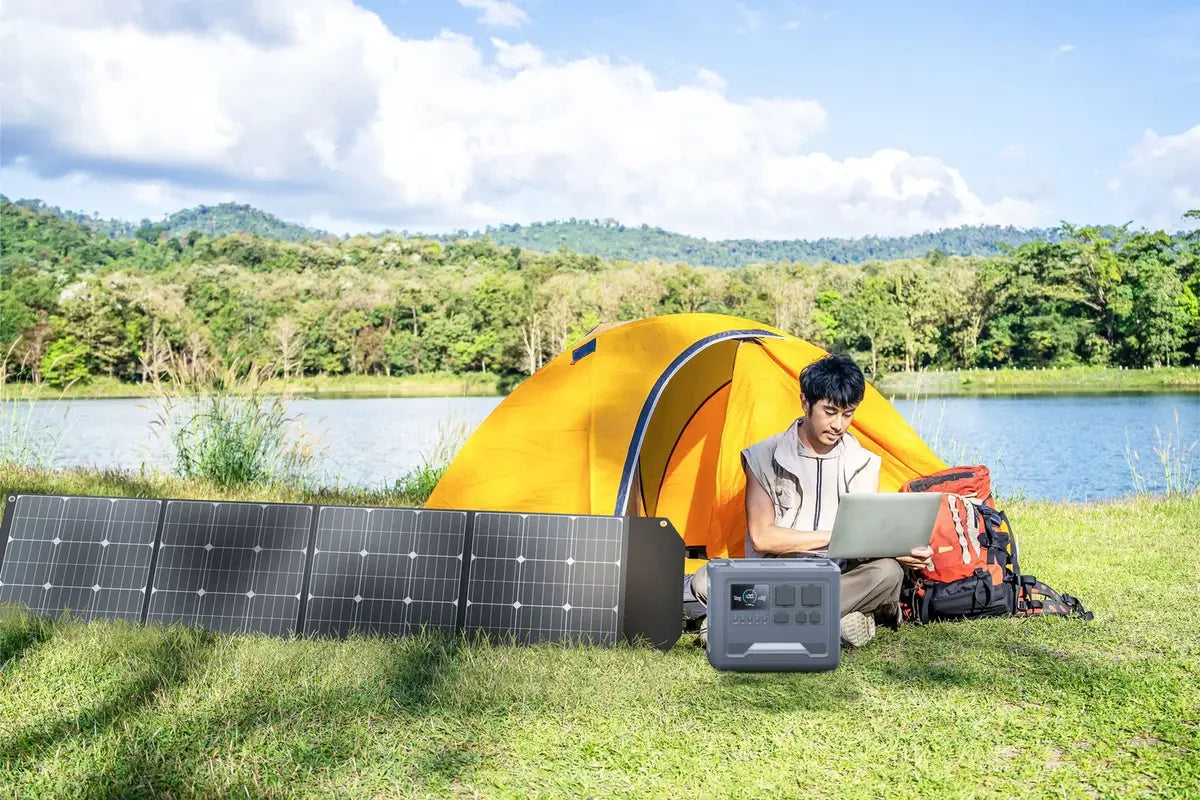
07SMALL TEMPORARY SETUPS
Plan selected LED fixtures, payment terminals and phone chargers for small dry setups. Avoid adding heaters, kettles and large sound systems without checking the combined load and energy budget.
No fixed event duration or food-service continuity is guaranteed. Validate each power supply and cable route.
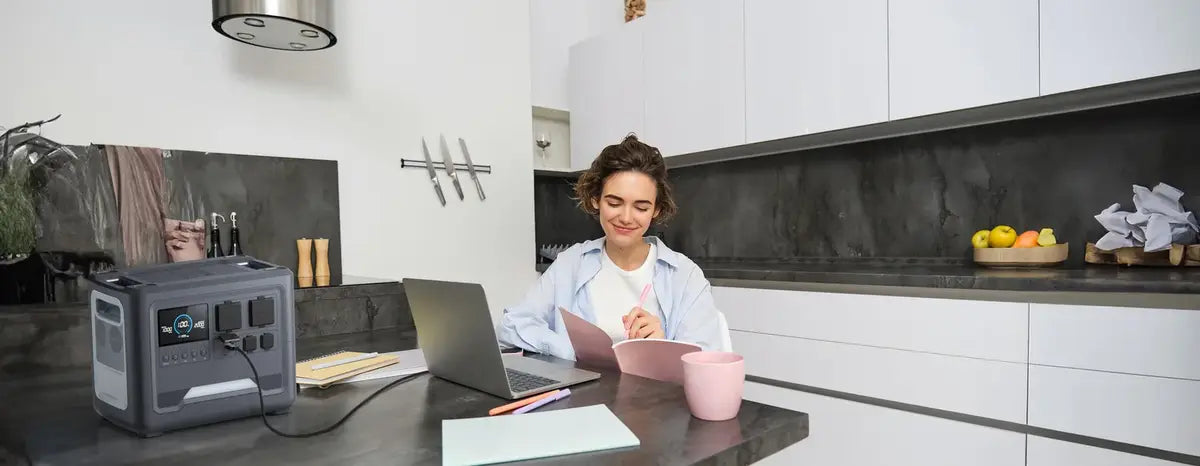
08CABINS & SECOND ROOMS
Support compatible laptop work, lighting or communications where an outlet is inconvenient. Choose 1024Wh or 1536Wh around the required operating hours and your recharge plan.
Direct appliance connection only. Building wiring or grid export requires a different, professionally approved system.
SELECTED-LOAD PLANNING / NOT A PERFORMANCE TEST
Choose 1024Wh or 1536Wh, then select illustrative device watts. These are alternative pack configurations; starting currents, cycling and actual usable energy need a separate assessment.
SELECTED RUNNING LOAD
100WBelow the 1800W continuous reference; startup and port compatibility still require review.
1024Wh × selected usable-energy assumption ÷ summed running watts
No measured runtime or device approval is implied. Standby consumption and cycling are not modeled separately. Temperature, battery condition and changing demand affect actual results.
RECHARGE PLANNING / CONFIGURATION FIRST
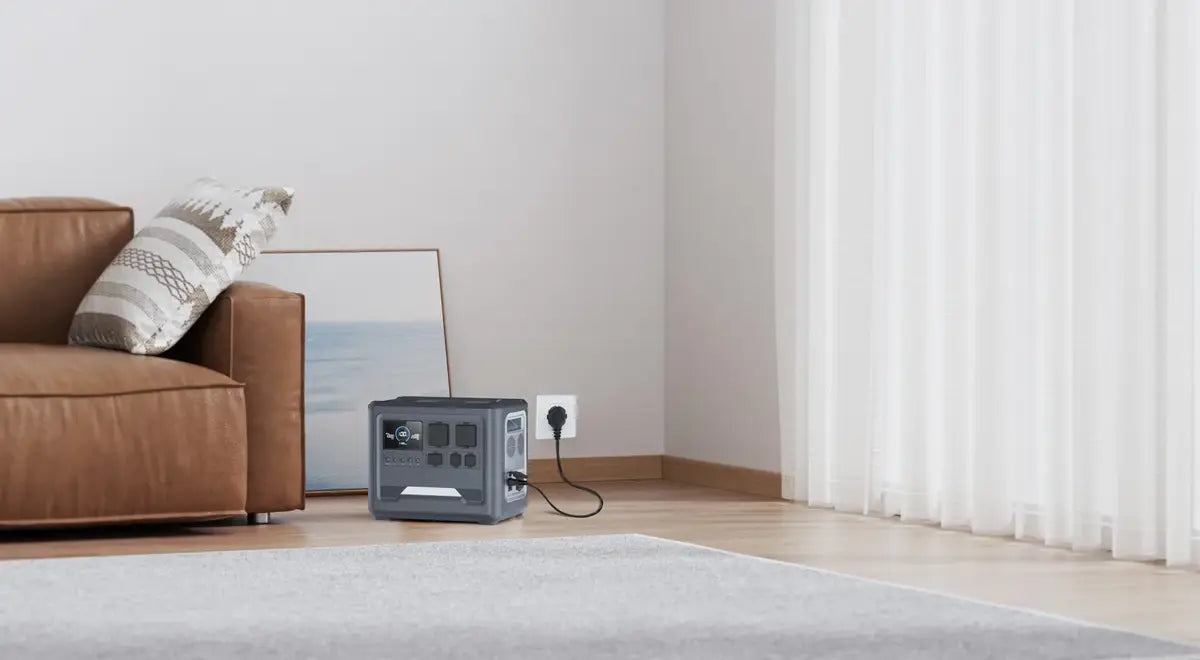
01 / AC MAINS
The legacy table lists 800W input at100–120V and 1000W at220–240V. Choose the actual supplied input configuration before estimating recharge time.
Do not turn an older1.5-hour headline into an unconditional charge-time guarantee.
02 / SOLAR
Published solar references conflict: table12–60V/20A/max 800W, current description 600W, older artwork 1200W. Get the approved G20 label first.
Check cold-weather panel Voc, current, polarity, connector and wiring. No unqualified solar maximum is promised here.
03 / VEHICLE
Review the actual vehicle-input voltage, current, cable, protection and charging conditions. The 12V/10A DC output reference does not establish the vehicle-input limit.
A campsite or vehicle photograph does not demonstrate a validated electrical connection.
1024Wh /1536Wh CAPACITY OPTIONS
Choose 1024Wh or 1536Wh as the energy budget for your G20 program. Request the exact pack label, revision and capacity-specific datasheet for your samples.
The description publishes3000 cycles, but lifetime depends on test conditions and use. Ask for retained capacity, temperature and charge/discharge rates rather than equating a cycle count with a guaranteed number of years.
Lower-watt electronics and scheduled charging make the baseline easier to plan.
Match the battery test report and warranty to the selected pack.
Specify 1024Wh or 1536Wh; confirm the weight and charge limits for the selected pack.
No cell chemistry, cell format or main-pack expansion is inferred from another iForway model.
HANDLING & FIELD SETUP
The published envelope is388×240×310mm with an approximately 15kg weight reference. Confirm the pack version, measurement order, protrusions and net-versus-gross basis before designing a carry case or shipping carton.
Plan a stable, dry position with space around ventilation openings. A campsite scene does not make the product waterproof, dustproof or suitable to leave unattended outdoors.
Assess the lift, carry distance and transport restraint for the actual user.
Follow the operating manual; do not bury the unit in bedding or sealed storage.
Keep labels and controls accessible for the market-specific user instructions.
No IP, fireproof or material flammability rating is asserted on the basis of the product appearance.
CONNECTED PROGRAMS / OPTIONAL PB01
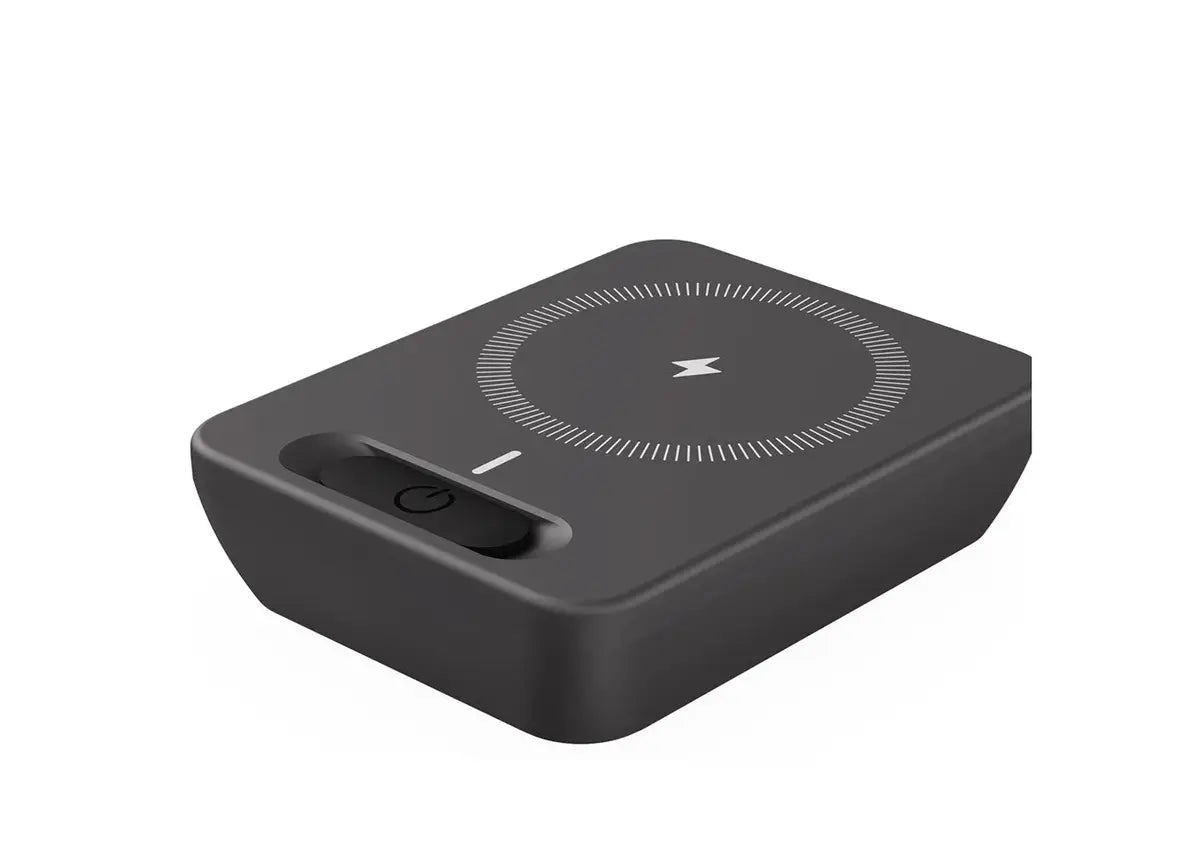
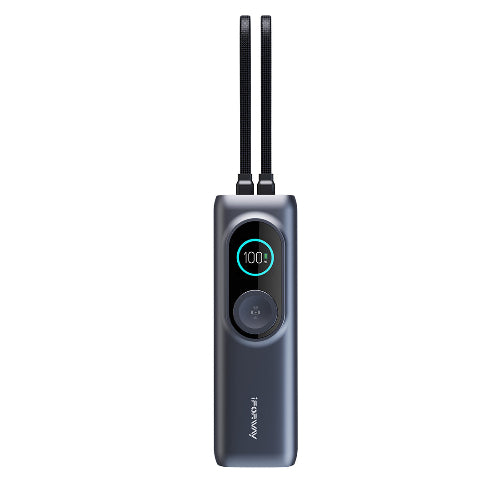
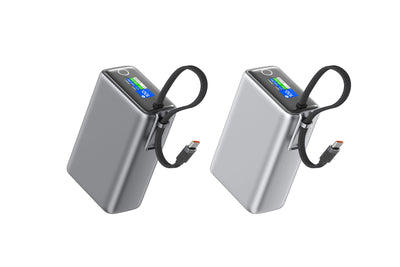
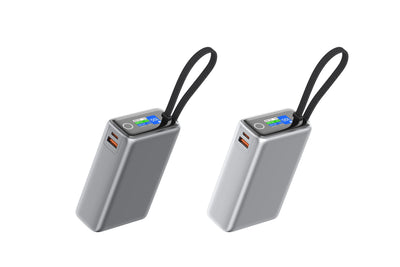
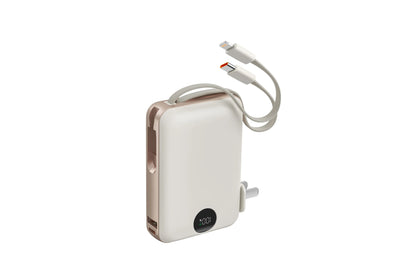
G20’s existing material illustrates an optional detachable PB01 power-bank concept. Discuss it as a separate convenience accessory, not as extra main-pack energy or a standard included item.
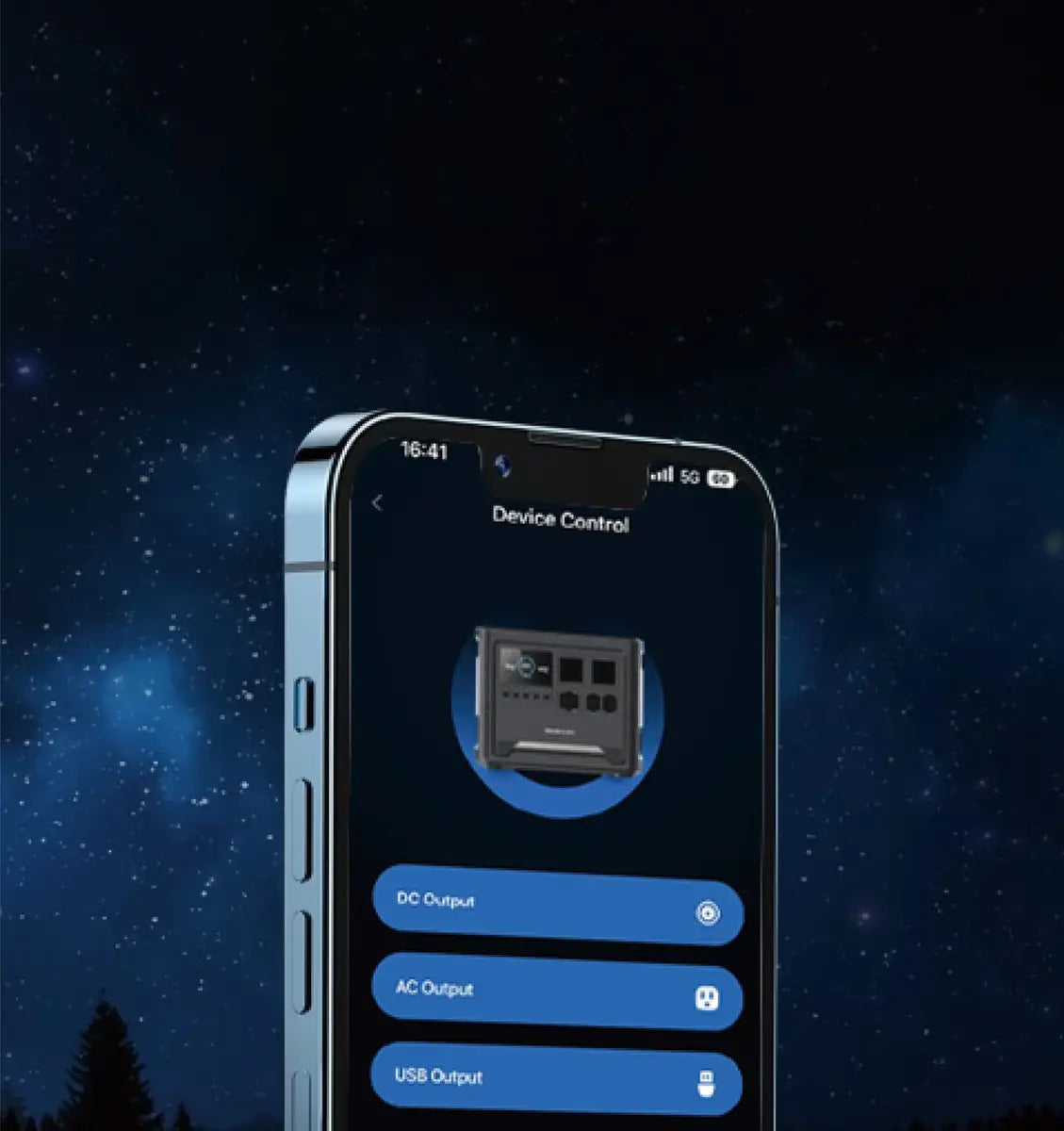
The G20 page publishes Wi-Fi and Bluetooth app connectivity. Approve the supplied firmware, available monitoring and supported commands on a working sample. Localization or integration changes need a written engineering scope, not just a new logo.
Confirm inclusion, capacity, interfaces and supplied-model compatibility.
Ask for a working demonstration on the proposed hardware and firmware.
Review packaging, manuals, language support and ongoing software responsibilities.
PB01 is not PB02. Optional accessories and app functions must be specified in the quotation.
THE STANDALONE G20 KIT
Choose a standalone G20 base unit with 1024Wh or 1536Wh. These are alternative factory pack configurations, not an external expansion promise. Existing site statements disagree on expansion, so external batteries are not promoted as a standard feature.
Build the bill of materials around the unit, approved AC cable, reviewed solar/vehicle cables and the selected regional outlet configuration. Longer operating hours may require a different platform rather than an assumed extra battery.
The runtime planner switches between 1024Wh and 1536Wh.
Confirm what ships, what is optional and which connection is supported.
Review G2405 or another larger platform when the energy budget exceeds the G20 brief.
Do not connect the G20 to building wiring or a grid-export circuit without a separately approved professional system.
PORTS FOR EVERYDAY ELECTRONICS
The current description publishes up to 100W USB-C charging, with QC3.0 USB-A and 12V/10A DC references in the specification table. Match the supplied port list, connector and shared-output allocation to your equipment.
Regional AC outlets, voltage and frequency must be selected for the destination market. The 1800W inverter ceiling is a total reference, not a per-outlet entitlement.
Confirm PD negotiation and use a suitably rated cable.
Verify voltage regulation, connector polarity and combined current.
Review startup demand, grounding and individual outlet ratings.
Illustrative display readings in catalog renders are not a test report or a substitute for the 1800W rated specification.
MODEL-SPECIFIC / SOURCE-AWARE
Choose 1024Wh or 1536Wh. Request the capacity-specific datasheet; weight, charging and supplied configuration must match the selected pack.
| Item | G20 reference | Basis / condition |
|---|---|---|
| Model | iForway G20 | Standalone base-unit reference |
| Battery capacity options | 1024Wh / 1536Wh | Two selectable ordering configurations, confirmed by iForway |
| Capacity configuration | Choose the pack before quotation | Each capacity requires its matching weight, charging and approved pack data; not an external expansion claim |
| Battery chemistry | LiFePO4 | Published 25.6V pack reference; match the supplied battery revision |
| Continuous AC output | 1800W | Total inverter reference; individual outlet limits and startup loads also apply |
| Published peak reference | 3600W | Not continuous output; duration and load compatibility require test conditions |
| AC waveform | Pure sine wave | Published product reference |
| Regional AC | 100–120V or220–240V;50/60Hz | Market-specific configuration, not simultaneous dual-voltage output |
| USB-C reference | Up to 100W PD | Confirm per-port/shared allocation, cable and protocol |
| USB-A reference | QC3.0 | Confirm count, per-port rating and shared limits |
| DC reference | 12V/10A | Confirm connector, regulated output and combined limit |
| AC charging — low-voltage market | Up to 800W at100–120V | Legacy specification-table reference; supplied label controls |
| AC charging — high-voltage market | Up to 1000W at220–240V | Legacy specification-table reference; supplied label controls |
| Solar input | Configuration confirmation required | Table:12–60V/20A/max 800W; current description:600W; older artwork:1200W |
| Vehicle charging | Review supported input/cable | Do not treat DC output wattage as a vehicle-input specification |
| Recharge time | No unconditional time guarantee | Depends on battery pack, AC input, state of charge, temperature and taper |
| Cycle life | Published3000-cycle reference | Request retained capacity, temperature, rates and test method |
| Weight | Approximately 15kg | Published reference; confirm pack version and net-versus-gross basis |
| Dimensions | 388×240×310mm | Published reference; confirm drawing, measurement order and protrusions |
| Wireless charging | Optional, listed for review | Confirm supplied hardware and compatible devices |
| Detachable power-bank concept | Optional PB01 | Confirm inclusion, capacity, charging interfaces and supplied compatibility; not PB02 |
| App | Published connected-control reference | Confirm connectivity, firmware, app functions and regional support |
| External battery expansion | Not promoted for the baseline G20 | Existing site statements conflict; require written engineering confirmation |
| Transfer / UPS behavior | No zero-interruption promise | Request measured transfer time, operating mode and device suitability |
| Environmental protection | No IP rating claimed here | Dry, ventilated use within supplied operating limits |
| Standard OEM MOQ | 100 units | Final configuration and commercial quotation apply |
BEFORE THE SAMPLE ORDER
Specify 1024Wh or 1536Wh and confirm the approved AC/solar input, weight and regional ports for that pack.
Request output/startup behavior, recharge conditions, cycle-life method and measured switching behavior.
Match certification, transport evidence, carton/net weight, warranty and accessory list to the exact G20 order.
OEM / ODM FOR A FOCUSED PRODUCT LINE
Start from the use case, not a list of unconfirmed optional features.
Essential equipment, measured running/startup watts, target hours, recharge access and handling conditions.
Baseline pack, AC market, approved solar/vehicle input, USB/DC needs and optional PB01/app scope.
Branding, packaging, documents, samples, warranty, destination and forecast quantity before production.
Standard OEM MOQ starts at100 units. Final configuration, engineering scope and commercial quotation apply.
Build a G20 OEM Brief ↗G20 PRODUCT & PROCUREMENT ANSWERS
G20 is an iForway LiFePO4 portable power station with 1024Wh or 1536Wh capacity options and 1800W continuous AC output. It is intended for reviewed essential-load, communications, charging and travel applications, not unrestricted whole-house operation.
G20 offers 1024Wh or 1536Wh with 1800W continuous output. G2405 uses 2048Wh and 2400W. Review the pack-specific weight, energy budget and running load first; a larger peak number is not a substitute for the required operating hours.
Both are available as G20 ordering configurations: choose 1024Wh or 1536Wh for your energy budget. State the selected capacity in your OEM enquiry and confirm its matching weight, charging specification and documentation. These are alternative base-pack configurations, not a promise of external battery expansion.
It may support compatible lights, routers, laptops, chargers and selected appliances when their combined running draw, startup demand and individual outlet requirements fit the supplied G20. Device type alone does not establish compatibility.
At an illustrative85% usable-energy assumption,1024Wh ×0.85 ÷100W gives about 8.7 hours. This is an estimate, not a measured runtime; idle consumption, cycling, temperature and battery condition change results.
Potentially, after reviewing the compressor startup requirement, running consumption, cycling and selected G20 outlet. Use measured appliance data and a realistic duty cycle; no universal overnight or household-wide guarantee is made.
1800W is the continuous AC reference.3600W is a published peak reference whose duration and load type need confirmation. Peak output must not be treated as an allowable continuous load.
Published sources disagree: the specification table lists12–60V/20A with an 800W maximum, the current product description says 600W, and older artwork says 1200W. Obtain the approved supplied-model label and datasheet before selecting an array or advertising a maximum.
No universal recharge-time promise is made here. The legacy table lists different regional AC-input ceilings:800W at100–120V and 1000W at220–240V. Pack energy, temperature, starting state of charge and charging taper also affect the result.
The current description publishes up to 100W USB-C charging. Confirm the supplied port specification, PD protocol, cable, device negotiation and shared power allocation before promising that rate to every laptop.
PB01 is the optional detachable power-bank concept illustrated for the G20 program. Confirm its inclusion, capacity, ports and compatibility in the quotation. It is not the PB02 product, and it should not be presented as extra main-pack capacity.
Do not assume it. Existing site statements conflict and include an exception for G20. This page presents the standalone base unit; request written confirmation of any supported pack, cable, control behavior and total system energy before an expansion claim.
No. This page makes no critical-load, zero-transfer-time, direct-grid-export or automatic building-wiring claim. Request measured switching behavior for ordinary device use, and use a separately approved professional design for building connections.
No ingress-protection rating is asserted here. Keep the product dry and ventilated and follow the supplied temperature, handling and safety instructions. Camping imagery is not a weather-resistance test.
Send the destination market, baseline pack, AC voltage and outlet type, running/startup loads, required operating hours, input configuration, USB/DC requirements, optional PB01/app scope, branding, documentation and forecast quantity. Standard OEM MOQ is 100 units; written commercial terms control.
Request the G20 pack-specific datasheet, mechanical drawing, approved input/outlet labels, charge and cycle test conditions, operating manual, model-matched certification and transport documents, warranty and sample approval record. Listed standards are not proof of approval for every market.

Power Life Power Future
Professional outdoor energy storage manufacturer since 2006.
iForway
inquiry@iforway.com
+86 13828849396 (WhatsApp / Mobile)
Subscribe to get the 2026 product catalog, latest price list and new product releases.
iForway is the brand of 3A Technology Co., Ltd. — a Shenzhen-based OEM/ODM manufacturer of portable power stations, LiFePO4 batteries, hybrid solar inverters and foldable solar panels, founded in 2006. The iForway brand is operated by 3A Technology Co., Ltd.
© 2026 iForway (3A Technology Co., Ltd.). All Rights Reserved.