
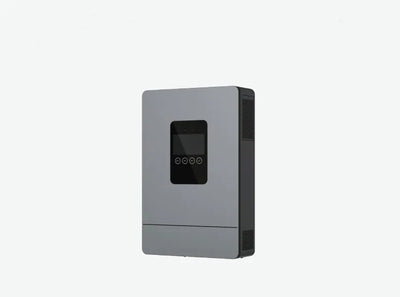
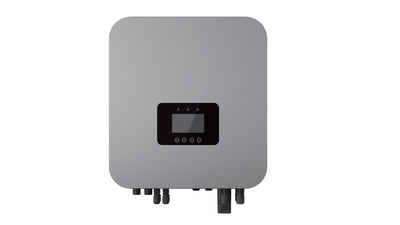
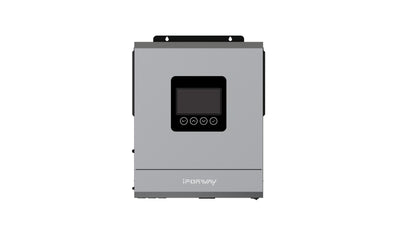

Electricity bills are no longer a flat monthly surprise. Across Europe, North America, and Australia, utilities are moving customers to time-of-use (TOU) rates: power costs more in the evening and less overnight or mid-day. For homeowners, that creates a simple but powerful opportunity — buy electricity when it is cheap, store it, and use it when it is expensive. The right home battery storage time of use rates strategy can cut your annual electricity bill by 30–60% while keeping the lights on during blackouts.
This guide explains how time-of-use rates work, how much a home battery can save, how to size a system, and which batteries are best for daily peak-shifting. If you are an installer, distributor, or OEM planning a home energy storage product line, the same math applies to your customers.
What Are Time-of-Use Rates?
Time-of-use rates charge different prices for electricity depending on the hour of the day. Instead of a single price per kilowatt-hour (kWh), the day is split into periods:
- Peak hours: usually late afternoon and evening, when people cook, run air conditioning, and charge EVs. Prices can be 2–4x the overnight rate.
- Off-peak hours: late night to early morning, when grid demand is low. This is the cheapest time to buy or charge.
- Shoulder / mid-peak: the transitional period between the two.
Some utilities also offer solar export tariffs that pay a low rate for midday solar fed back to the grid, while peak rates in the evening remain high. That mismatch — cheap midday generation, expensive evening demand — is exactly where a battery earns its keep.
How Home Battery Storage Cuts Your Bill
The strategy is called peak-shifting or arbitrage: charge the battery with cheap off-peak grid power or surplus solar, then discharge it during expensive peak hours. Every kWh you shift from a €0.40 peak window to a €0.12 off-peak window saves €0.28.
A 5 kWh battery shifting 5 kWh per day, 300 days a year, at a €0.25 price gap saves roughly €375 annually just from arbitrage. Add solar self-consumption and blackout avoidance, and the payback period starts to look competitive — especially as battery prices continue to fall.
Example TOU Rate Savings by Battery Size
| Battery capacity | Daily peak-shift | Price gap | Annual arbitrage saving | Best for |
|---|---|---|---|---|
| 1.8 kWh | 1.5 kWh | €0.25 | ~€110 | Small apartment, partial peak cover |
| 3.6 kWh | 3.0 kWh | €0.25 | ~€225 | Family home, evening peak period |
| 5.1 kWh | 4.5 kWh | €0.25 | ~€340 | Home with EV, high evening demand |
| 10+ kWh | 8.0 kWh | €0.25 | ~€600 | Whole-home backup, large loads |
These figures assume only grid arbitrage. If the battery stores free midday solar instead of exporting it at a low feed-in tariff, savings can double or triple.
Sizing a Home Battery for TOU Arbitrage
The ideal size is driven by your evening peak load, not your total home consumption. Look at your smart meter or utility app and find the average kWh used during peak-rate hours. A battery only needs to cover that slice of daily demand.
- Measure peak usage: sum kWh consumed between, for example, 17:00 and 22:00 on weekdays.
- Match usable capacity: choose a battery with at least that much usable capacity, factoring in depth of discharge (DoD). LiFePO4 batteries are typically 90–100% usable.
- Check charge rate: the battery must be able to fully recharge during off-peak or solar hours. A 3.6 kWh battery needs at least 1.2 kW charge power to refill in three hours.
- Leave headroom for backup: reserve 20–30% capacity for unexpected outages if backup power matters.
For many homes, a 3.6 kWh or 5.1 kWh all-in-one system is the sweet spot: large enough to erase the evening peak, small enough to recharge fully from a few hours of solar or overnight grid power.
Why LiFePO4 Dominates TOU Storage
Daily cycling puts serious stress on a battery. A system charged and discharged every day performs roughly 365 cycles per year. Over ten years, that is 3,650 cycles.
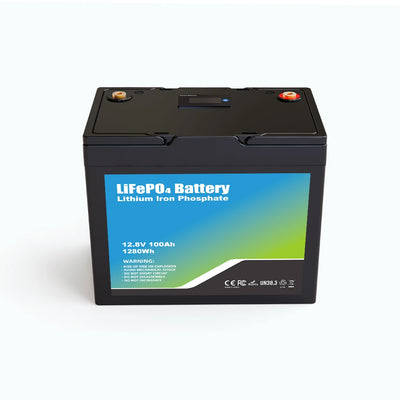
LiFePO4 (lithium iron phosphate) is the chemistry of choice for this duty cycle because it typically delivers:
- 3,000–6,000+ cycles to 80% capacity
- Thermal stability and low fire risk
- High round-trip efficiency (92–96%)
- Wide availability and falling cost per kWh
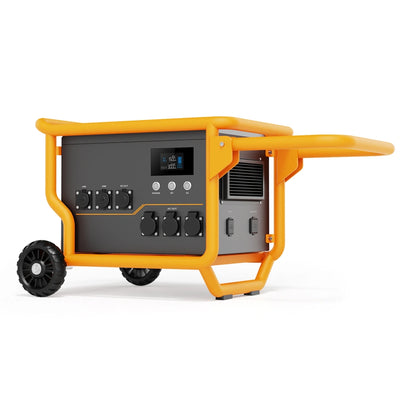
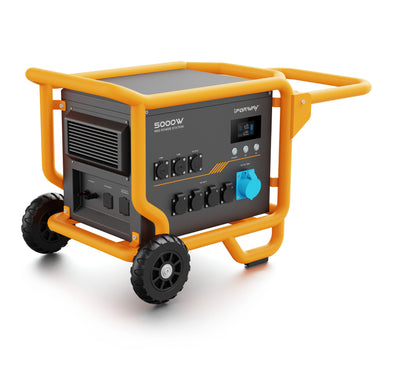
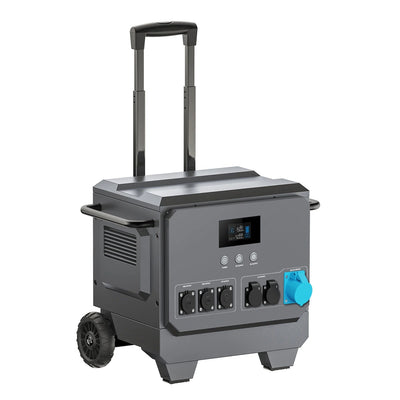
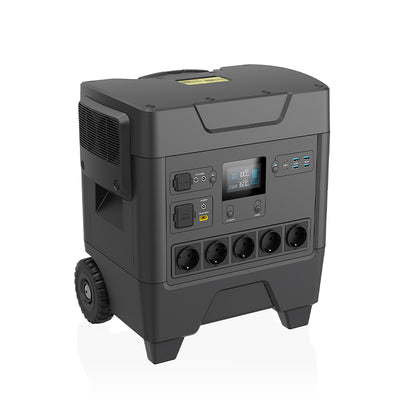
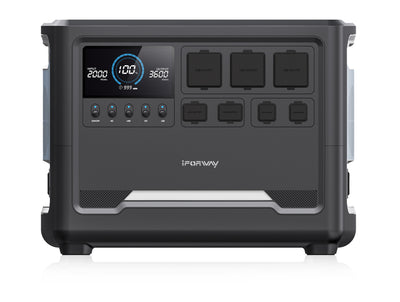
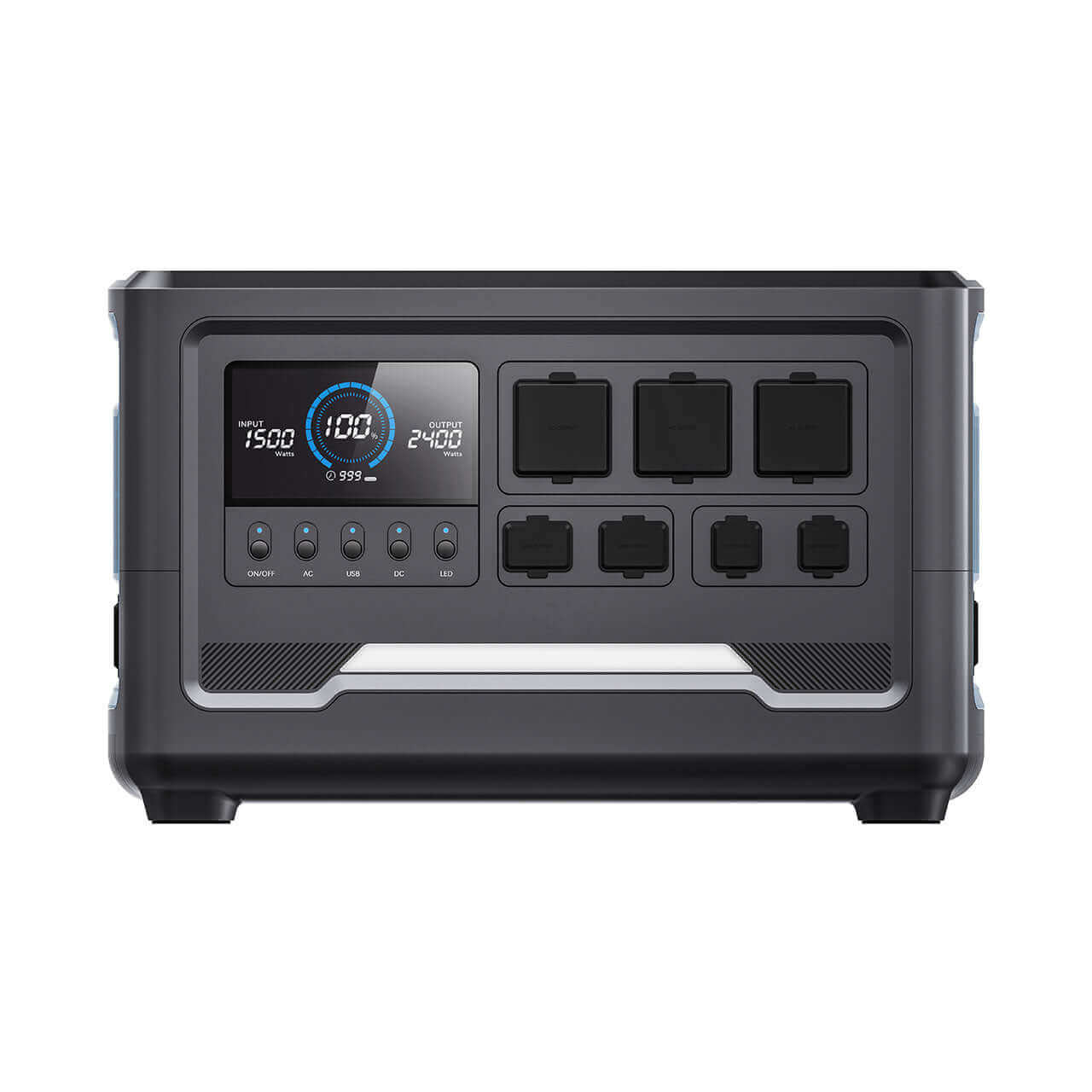
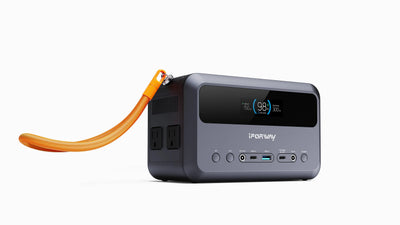
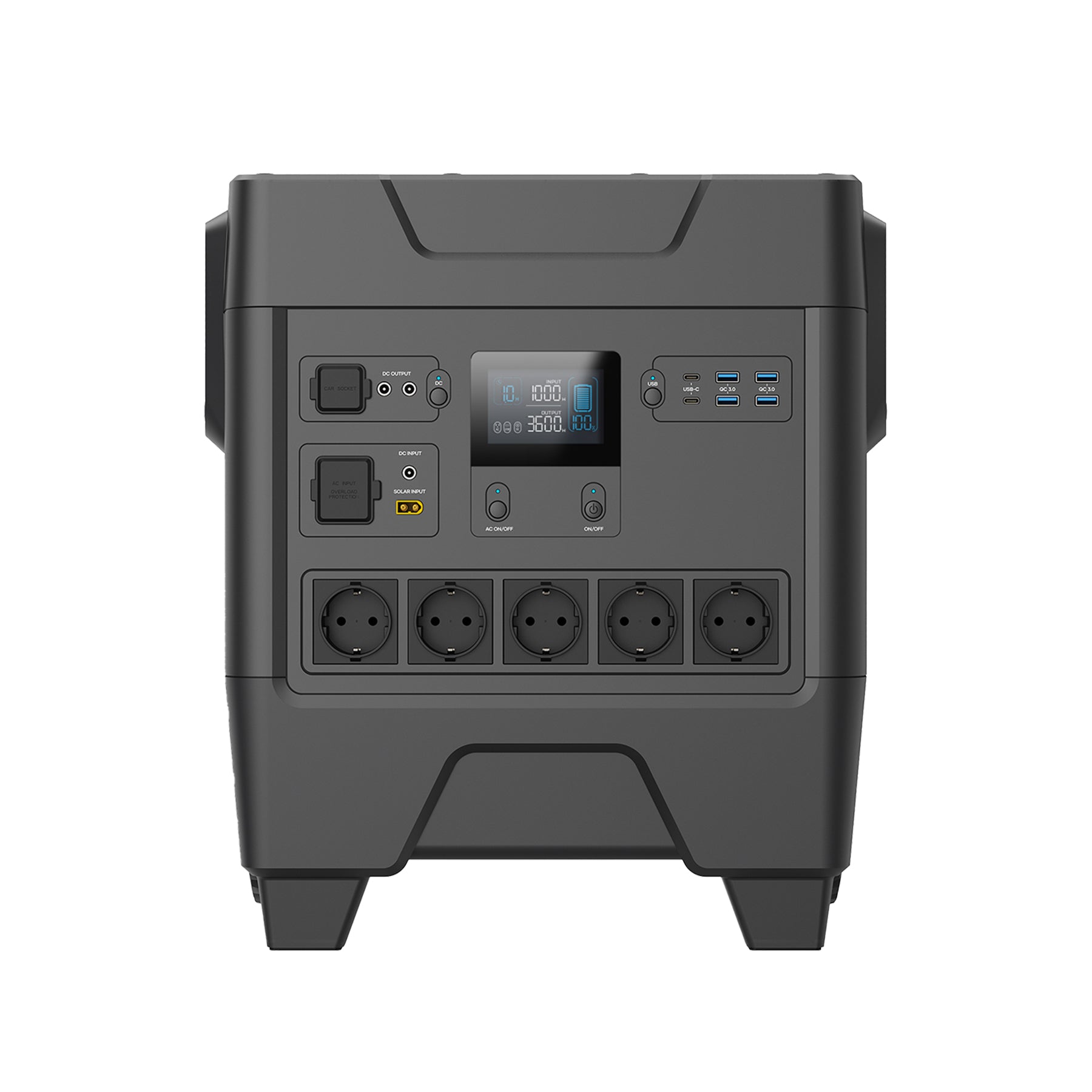
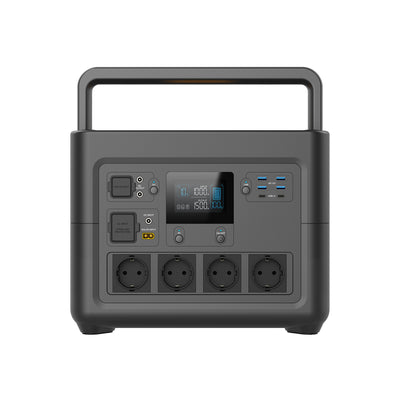
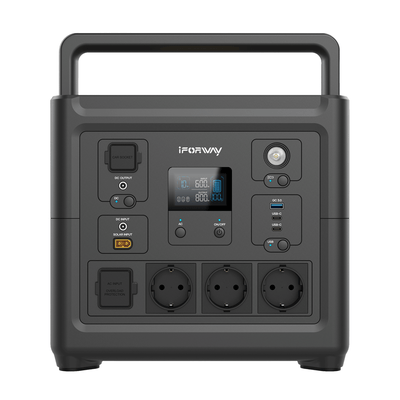
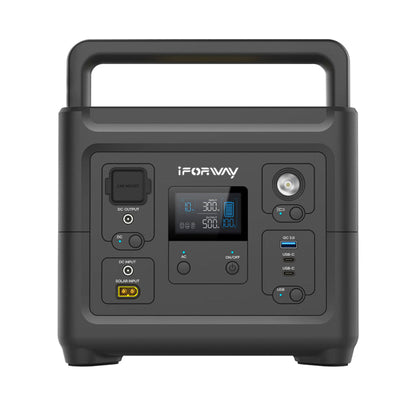
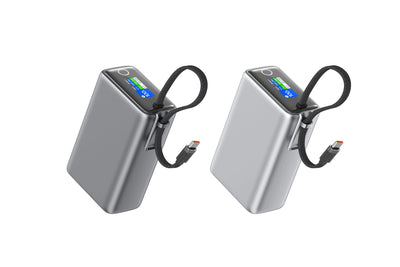
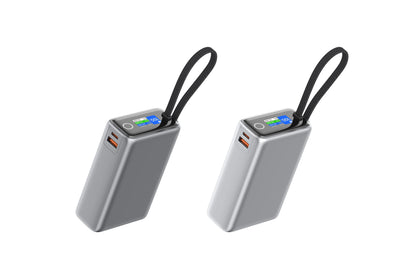
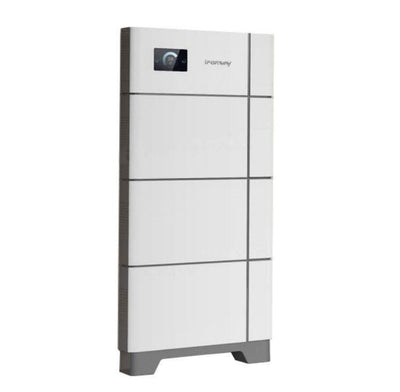
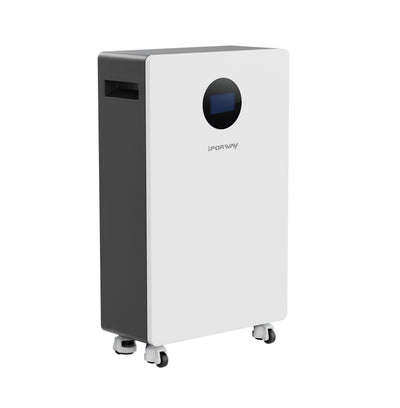
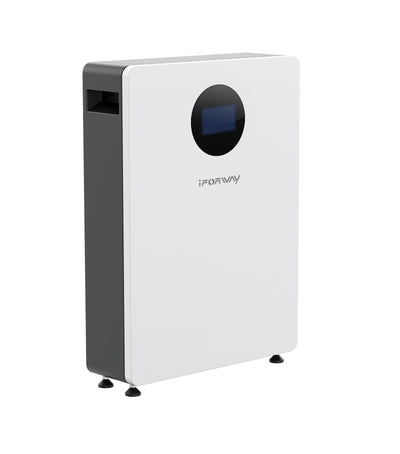
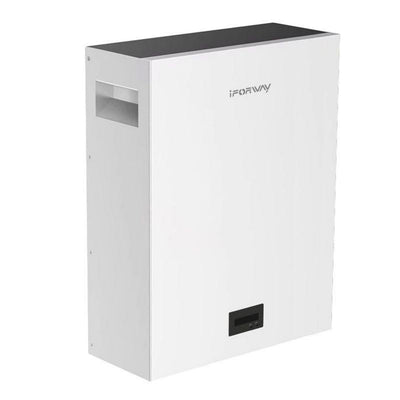
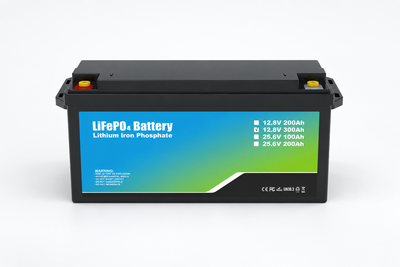
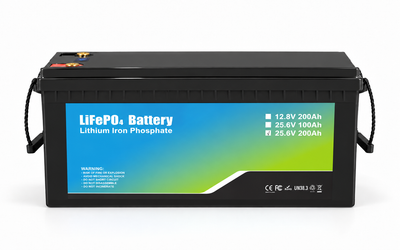
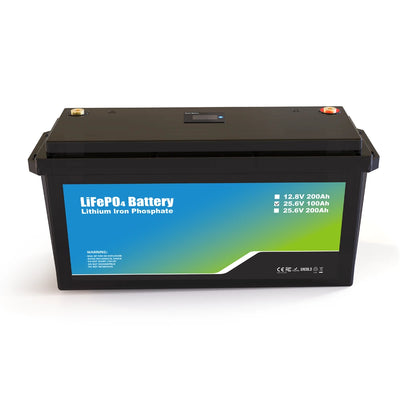
iFORWAY builds its HS3600 and HS1800 portable power stations on LiFePO4 for exactly these reasons — long cycle life, safe indoor operation, and efficient daily cycling. For larger fixed home systems, the same chemistry principles apply, and iFORWAY's home energy storage solutions scale to whole-house backup and TOU optimization.
Peak Shifting vs. Solar Self-Consumption
There are two ways a battery earns money:
- Peak shifting from the grid: buy cheap off-peak power, sell it back to yourself at peak. Works even without solar.
- Solar self-consumption: store your own midday solar and use it in the evening instead of exporting it for a low feed-in tariff.
The second strategy is usually more profitable where solar feed-in tariffs are low (below the retail electricity price). Combining both — charging from solar during the day and topping up from the grid at night — gives the fastest payback.
What to Look for in a TOU Battery System
- Programmable charge/discharge schedules: you need to set peak and off-peak windows. Without automation, arbitrage becomes a manual hassle.
- UPS / transfer switch: for blackout backup, the system should switch from grid to battery in milliseconds.
- Mobile monitoring: real-time state of charge, solar production, and grid import/export data.
- Expandability: stackable battery packs let you start small and add capacity later.
- Certifications: CE, UN38.3, and local grid-interconnection approval for your market.
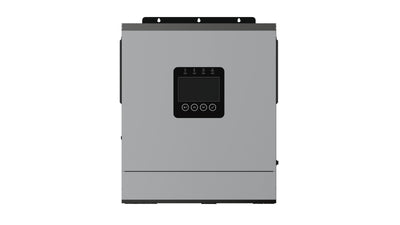
For distributors and installers, iFORWAY's OEM/ODM energy storage program can customize battery capacity, enclosures, inverters, and control apps to match local TOU rate structures and certification requirements.
Is a Home Battery Worth It in 2026?
The answer depends on your local tariff spread and installation cost. In markets with a large gap between peak and off-peak rates — Germany, Italy, California, Australia, and parts of the UK — payback periods are commonly 6–10 years. With battery prices continuing to fall and electricity tariffs becoming more time-sensitive, the economics improve every year.
Beyond bill savings, a battery adds:
- Energy independence during grid outages
- Protection against future rate increases
- Higher self-consumption of rooftop solar
- Potential grid-service revenue where virtual power plant (VPP) programs exist
FAQ: Home Battery Storage and Time-of-Use Rates
Can I save money with a battery if I do not have solar panels?
Yes. As long as your utility offers time-of-use rates with a meaningful peak/off-peak price difference, you can charge the battery from the grid at night and discharge during peak hours. Solar simply adds free daytime charging and increases savings.
How long does a home battery last?
A quality LiFePO4 battery used for daily peak-shifting typically lasts 10–15 years, or 3,000–6,000 cycles, before its usable capacity drops to around 80%. Operating temperature and charge-rate management have a big impact on longevity.
What size battery do I need for time-of-use savings?
Size the battery to cover your daily peak-rate consumption, not your whole home. For many households, 3.6 kWh to 5.1 kWh of usable capacity is enough to flatten the evening peak. Use your utility app's hourly usage data to confirm.
Conclusion
Time-of-use rates turn a home battery from a simple backup box into a daily money-saving machine. The strategy is straightforward: charge when electricity is cheap, discharge when it is expensive, and let the battery pay for itself through arbitrage, solar self-consumption, and outage protection.
Whether you are a homeowner evaluating your first home battery storage system or a distributor looking for a reliable supplier, iFORWAY offers LiFePO4-based portable and fixed home energy storage options, plus full OEM/ODM customization. Explore our home energy storage solutions or request a quote to size the right system for your market.
