


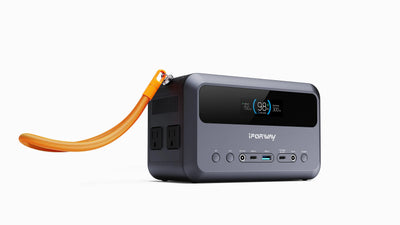
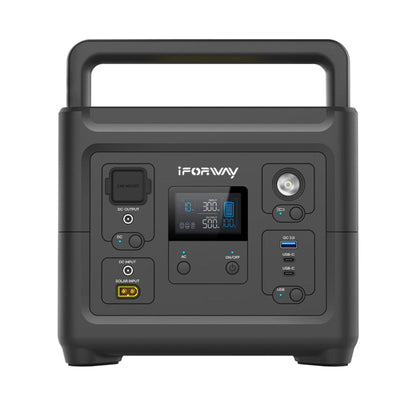
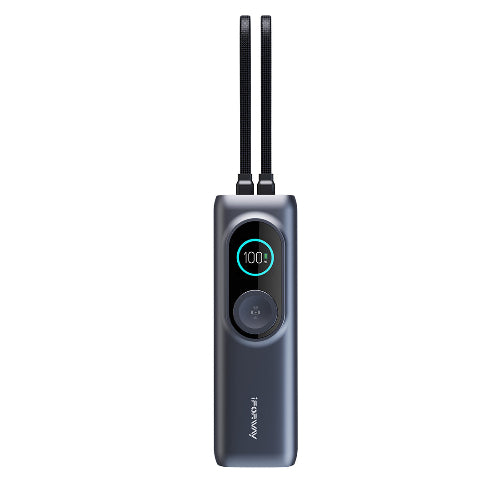
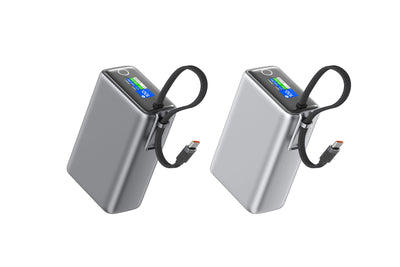
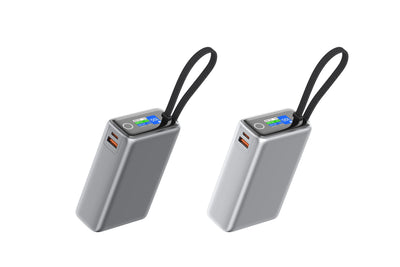
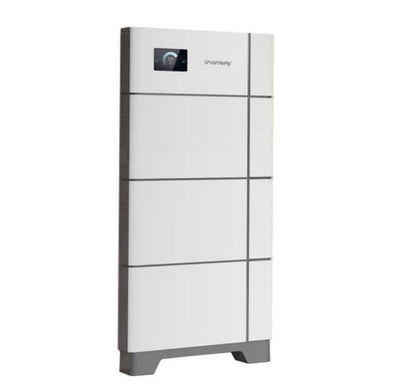
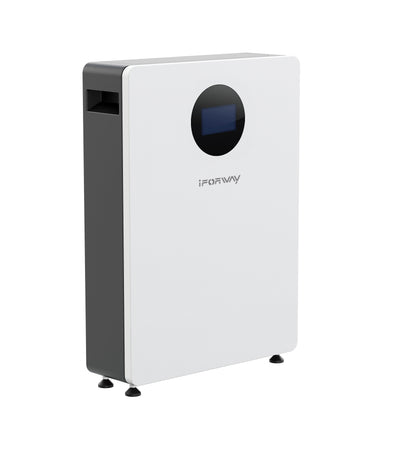
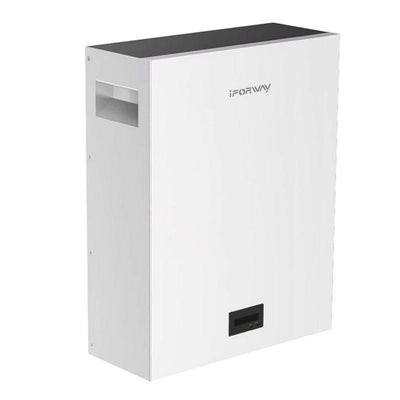
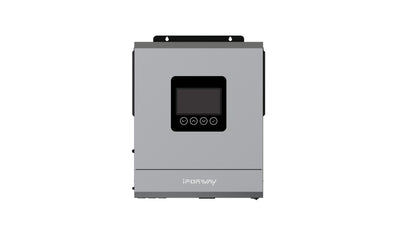
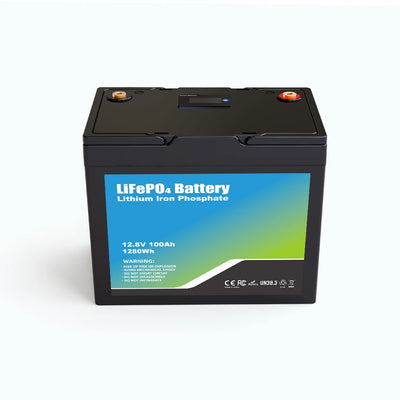
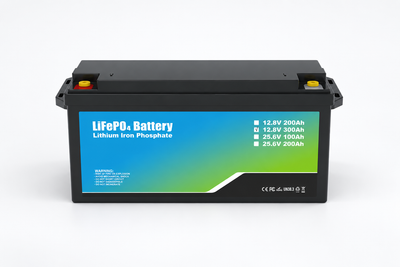
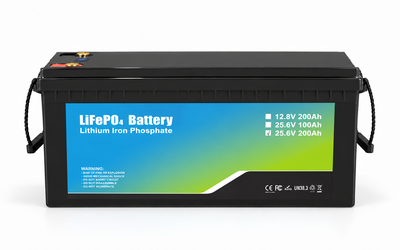
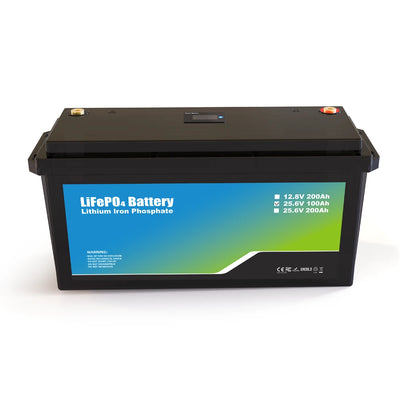

Direct answer: Most ductless and ducted air-source heat pumps draw 1,500–5,000 running watts plus a 2–3× startup surge, so a 3–6 kWh battery with a 3,000 W+ inverter will keep a typical home heat pump running through a 4–8 hour outage — and a 5 kWh-class unit like the iFORWAY HS3605 covers the majority of single-zone systems when paired with sensible thermostat settings.
Heat pumps are now the default heating choice across Europe and much of North America, which creates a new backup-power question: unlike a gas furnace, a heat pump stops completely during a grid outage. The good news is that modern battery storage handles heat pumps far better than most buyers expect — if you size for the compressor's startup surge, not just its running load. This guide walks through the numbers.
How Much Power Does a Heat Pump Use?
Heat pump draw depends on capacity (tonnage/kW), outdoor temperature, and whether it's an inverter-driven unit. Inverter heat pumps ramp the compressor up and down, so their average draw is lower than their nameplate rating — but the startup spike still matters for battery systems.
| Heat pump type | Typical running watts | Startup surge | Backup battery minimum |
|---|---|---|---|
| Single-zone mini-split (9–12k BTU) | 600–1,200 W | 1,800–3,000 W | 1.5–2 kWh, 3,000 W inverter |
| Multi-zone mini-split (18–24k BTU) | 1,500–2,500 W | 3,500–6,000 W | 3 kWh, 5,000 W inverter |
| Ducted whole-home (2–3 ton) | 2,500–5,000 W | 5,000–12,000 W | 5+ kWh, soft-start kit recommended |
| Heat pump water heater | 500–800 W (heat mode) | 1,200–2,000 W | 1 kWh+ |
Key insight: the surge, not the running wattage, is what kills undersized battery systems. A 1,000 W mini-split can momentarily pull 2,500–3,000 W at compressor start. Your power station's inverter rating (and its peak/surge capacity) must clear that spike.
Runtime Math: What Will Your Battery Actually Deliver?
Runtime is simply battery watt-hours ÷ average heat pump watts, derated by ~10% for inverter losses. Three worked examples:
- 12k BTU mini-split (avg 900 W) + 1.5 kWh battery → 1,536 Wh ÷ 900 W ≈ 1.7 hours continuous, or 4–6 hours in thermostat-cycling mode.
- 12k BTU mini-split + 3 kWh battery → 3,072 Wh ÷ 900 W ≈ 3.4 hours continuous, 8–12 hours cycled.
- Multi-zone 2,000 W load + 5 kWh battery → 5,120 Wh ÷ 2,000 W ≈ 2.5 hours continuous, 5–8 hours cycled.
That "cycled" figure matters: heat pumps don't run flat-out in shoulder seasons. With a 2°C setback and door discipline, effective runtime roughly doubles versus continuous operation.
Step-by-Step: Sizing a Battery for Your Heat Pump
- Read the compressor nameplate. Note rated current (A) × voltage (V) = running watts, and LRA (locked rotor amps) if listed, for surge estimation.
- Add the air handler. Ducted systems add a 300–750 W blower fan; include it in your total.
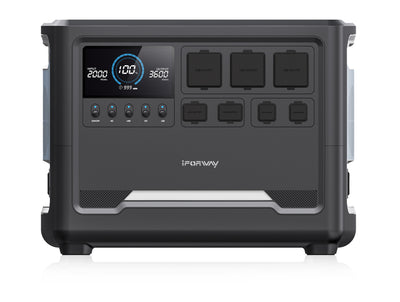
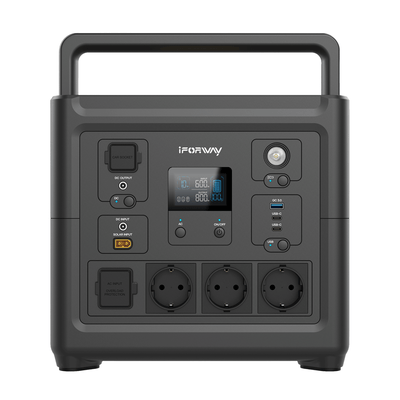
- Check the inverter ceiling. Battery output must exceed running watts and surge. A 1,800 W unit like the iFORWAY HS1800 runs a single 9–12k BTU mini-split comfortably; whole-home ducted systems need a 5–6 kW class inverter.
- Decide runtime target. 4 hours covers most urban outages; overnight (8–10 h) needs either double the capacity or solar top-up.
- Add critical loads if desired. Fridge (150 W), router (10 W), lights (100 W), phone charging (30 W) — roughly 300–400 W combined, which trims heat pump runtime by 20–30%.
Three Practical Setups for 2026
| Setup | Hardware class | Covers | Typical cost tier |
|---|---|---|---|
| Essential comfort | 1.5–2 kWh, 1,800 W inverter | One mini-split zone + fridge + lights | $ |
| Whole-zone resilience | 3–5 kWh, 3,000 W inverter | Multi-zone mini-split or small ducted system, 4–8 h | $$ |
| Semi-whole-home | 5 kWh+, 6,000 W, expandable | Ducted heat pump + well pump + full circuits | $$$ |
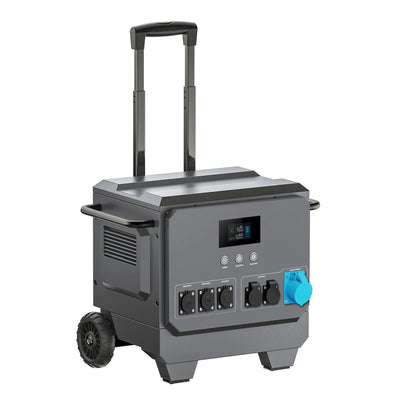
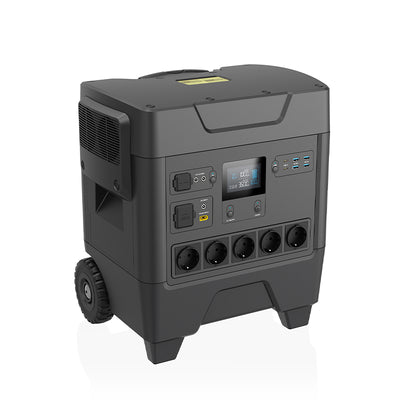
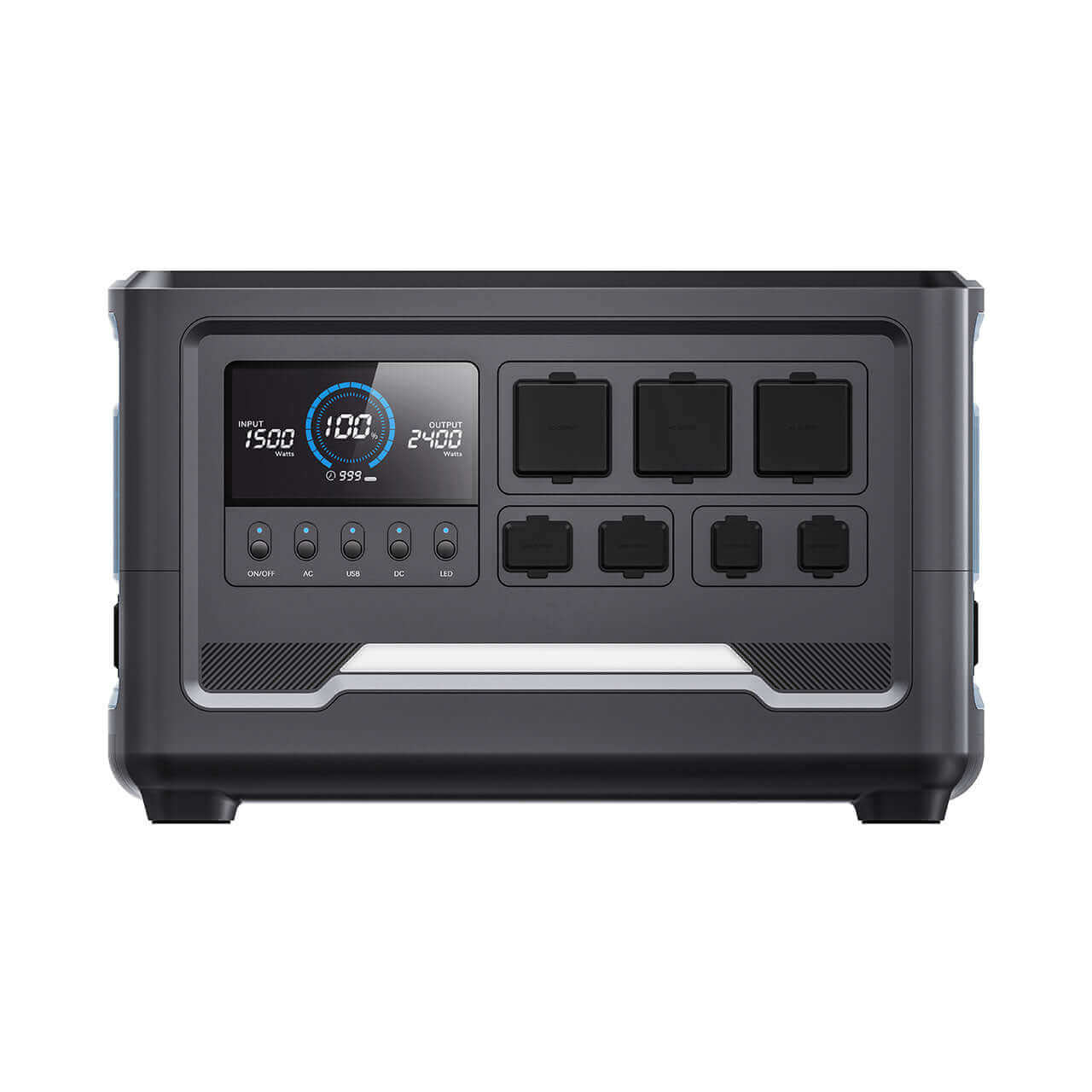
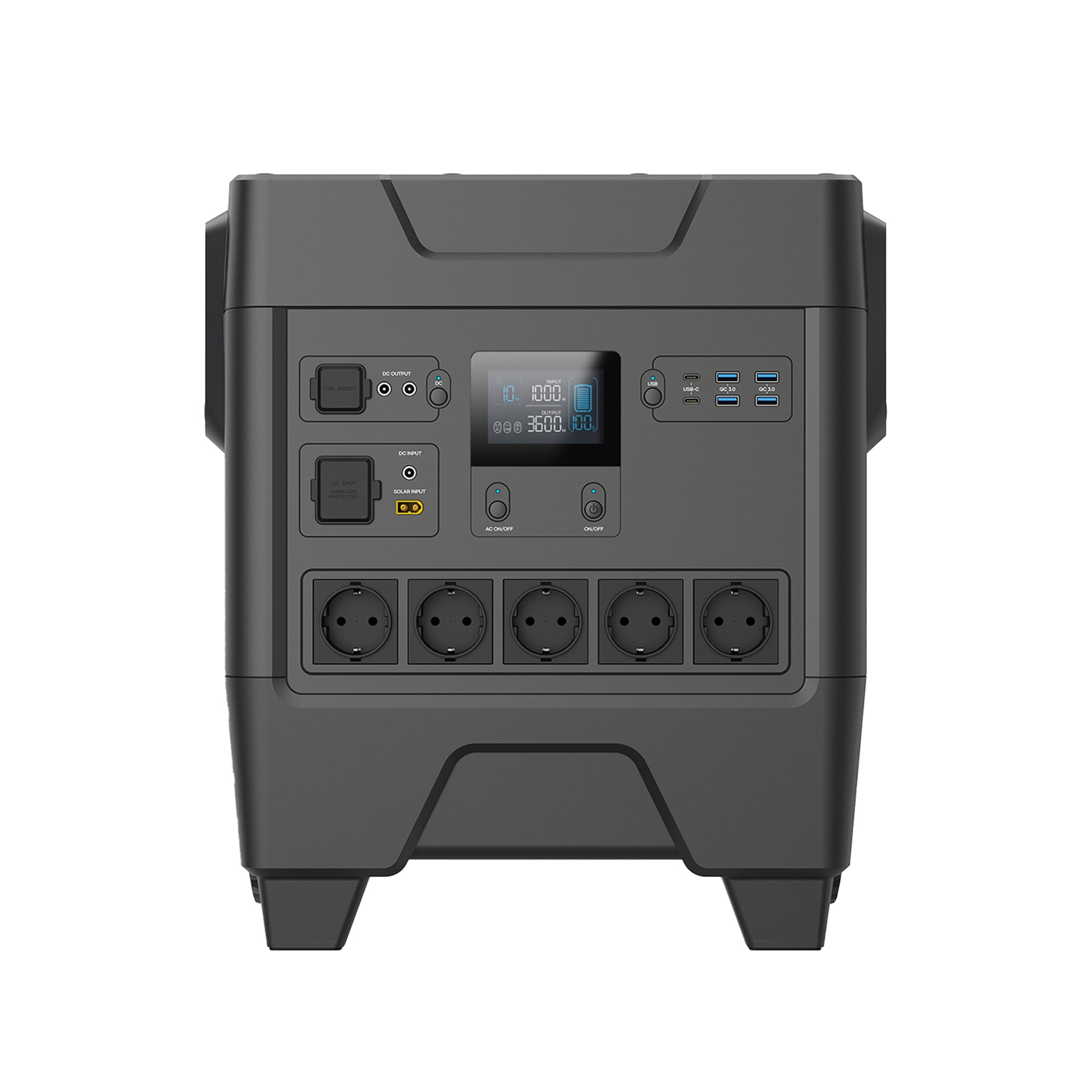
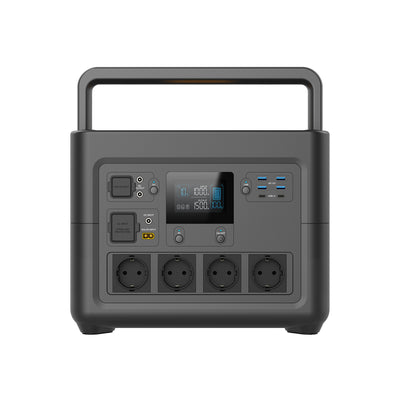
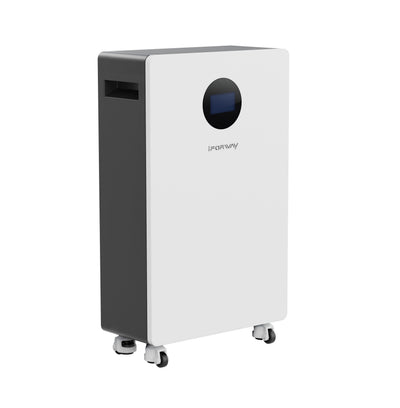
For the middle tier, the HS3605 (3,072 Wh / 3,000 W) hits the sweet spot for single and two-zone mini-split homes. For ducted whole-home systems or cold-climate heat pumps with backup resistance strips, the wheeled iFORWAY M5003 (5.1 kWh, 6,000 W continuous / 12 kW peak) is purpose-built: its 12 kW surge clears compressor lock-rotor starts that trip smaller inverters, and expansion packs extend runtime to multi-day coverage.
Two Cheap Upgrades That Double Your Runtime
1. A soft-start kit on the compressor
A $100–200 soft starter cuts compressor startup surge by 60–70%. That alone lets a 3,000 W inverter start heat pumps it would otherwise trip on — often the difference between "works" and "doesn't."
2. Smarter thermostat behavior
Set backup mode to hold 18–19°C instead of 21°C, close unused rooms, and let the unit cycle rather than run continuously. Every degree of setback adds roughly 5–10% runtime.
Solar Recharge: Turning a 4-Hour Battery Into an All-Day One
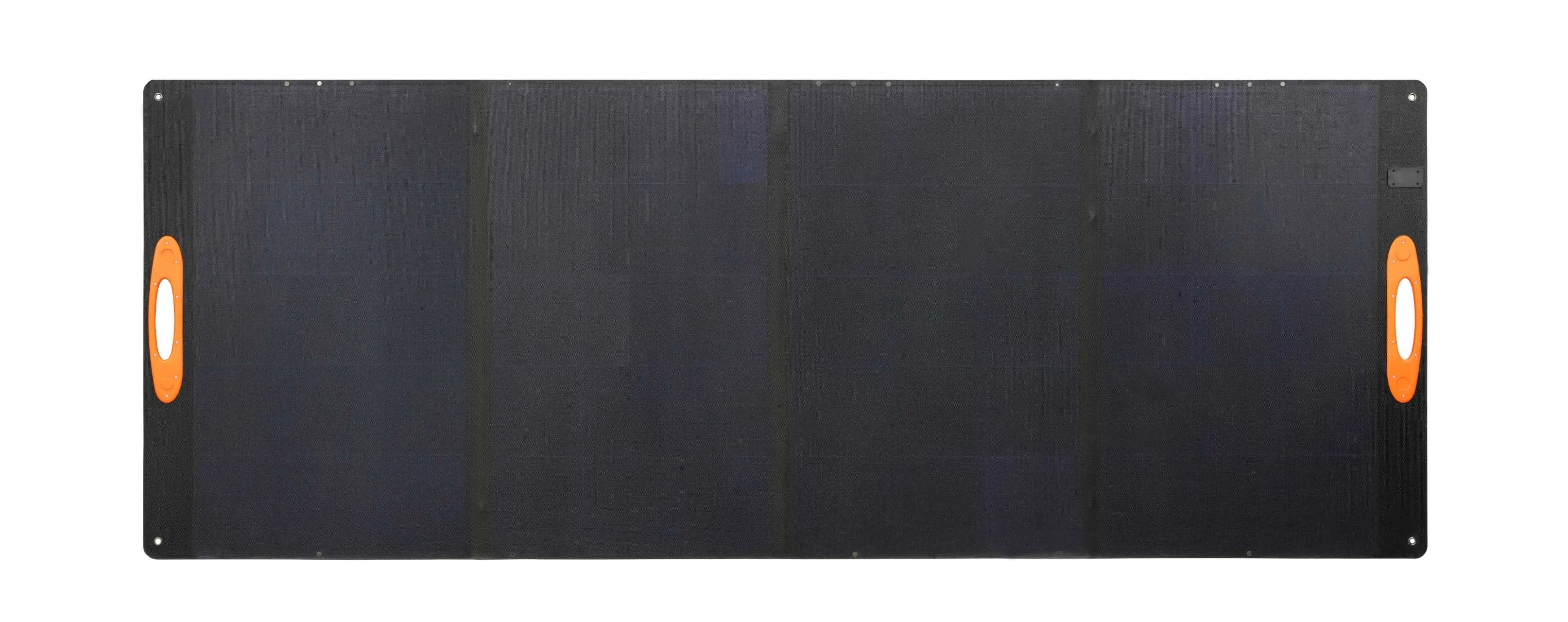
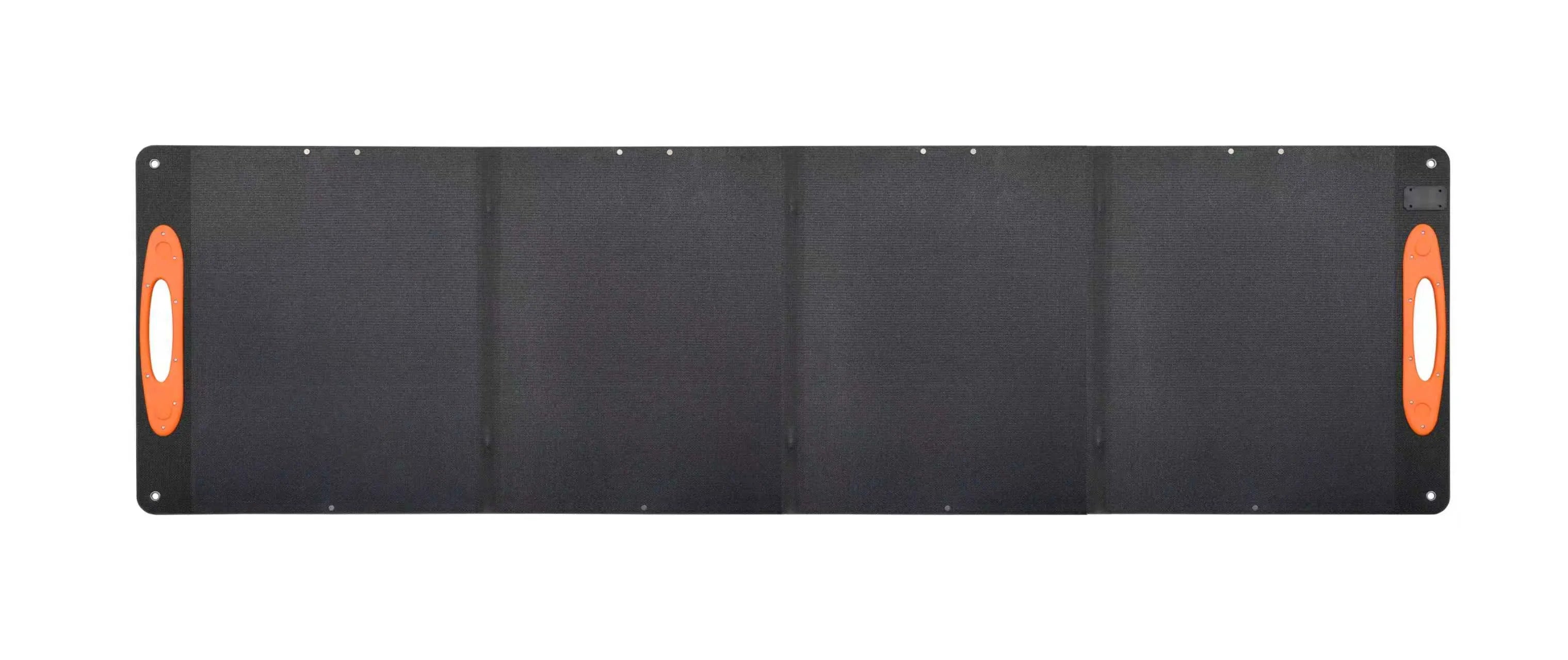
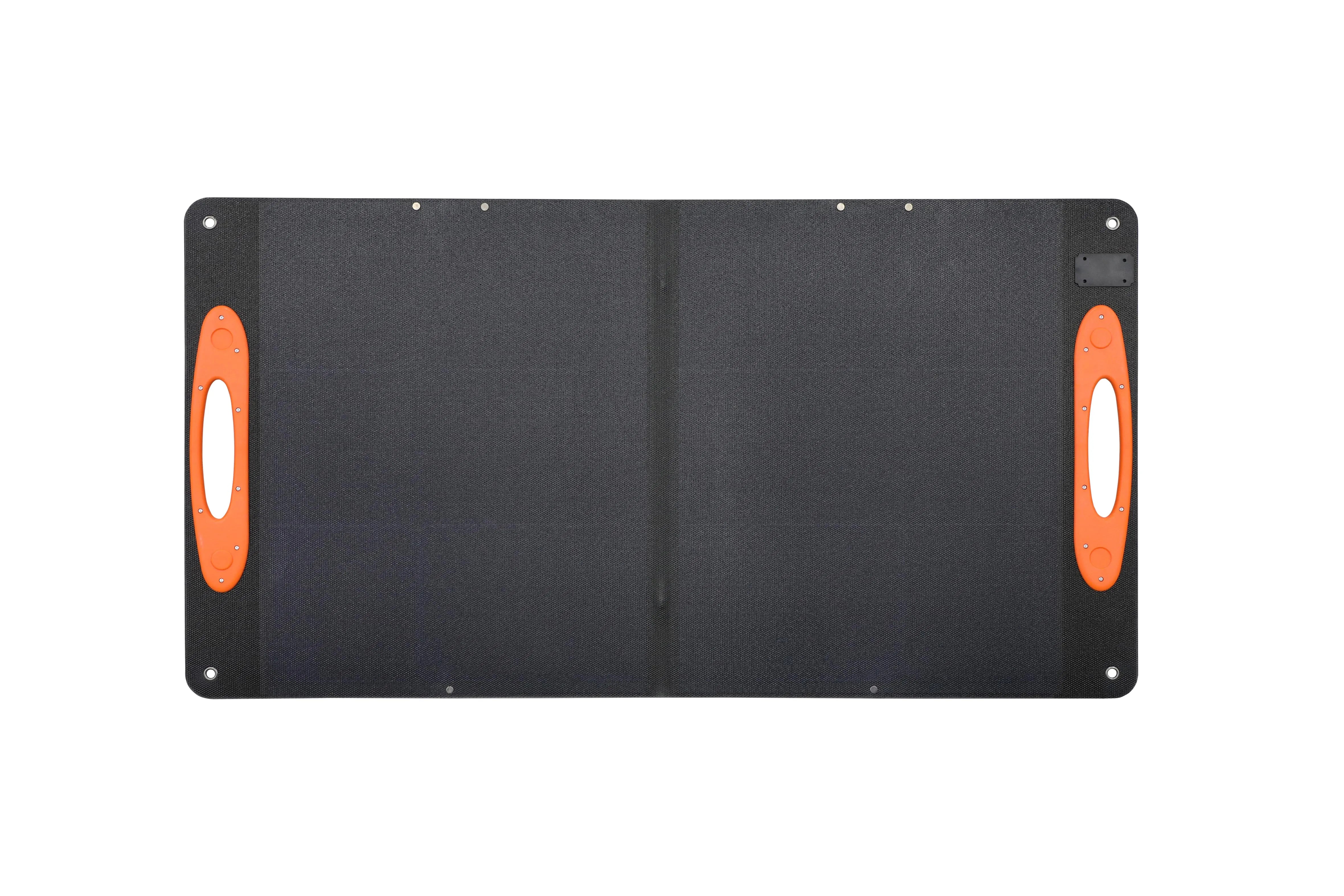
Pairing a battery with solar input transforms outage endurance. A 400–800 W panel array replenishes 350–650 Wh per sun hour in winter conditions. A 3 kWh unit with 500 W of panels roughly doubles its effective daily runtime, because the heat pump's daytime load is partially offset in real time. If you already run plug-in balcony solar (common in Germany, the UK and Poland), the same panels can be redirected to the power station's solar input during an outage — see our balcony solar with storage guide for the European setup details.
For homes planning permanent resilience rather than emergency cover, a proper hybrid inverter + fixed battery installation is worth pricing: our home energy storage hub compares portable and installed approaches side by side.
Frequently Asked Questions
Can a portable power station really run a heat pump?
Yes — if two conditions are met: the inverter's continuous rating exceeds the heat pump's running watts, and its surge rating clears the compressor startup spike (2–3× running watts, or less with a soft-start kit). Single-zone mini-splits are the easiest case; large ducted systems need 5–6 kW class units like the M5003.
How long will a 3 kWh battery run a heat pump?
Continuously: about 3–3.5 hours on a typical 900 W mini-split load, or 6–10 hours in thermostat-cycling mode. With 400–500 W of solar input during daylight, expect 8–12 hours of effective coverage.
Do I need a special battery for cold weather?
Choose LiFePO4 chemistry and keep the battery above freezing where possible — LiFePO4 cells tolerate charge/discharge in cold conditions far better than generic lithium-ion, and output holds steadier. Store the unit indoors and run an extension cord or transfer switch to the heat pump's circuit.
How to Connect the Battery During an Outage
You have two realistic options. The simple one: plug the heat pump's indoor unit (or the outdoor unit where regulations allow) into the power station via a heavy-duty outdoor-rated extension cord, and run critical loads directly from the station's outlets. The cleaner one: have an electrician fit a manual transfer switch or inlet box on the heat pump circuit, so the whole circuit can be flipped to the power station in seconds. The transfer-switch route costs more up front but avoids improvised wiring in bad weather and keeps the setup code-compliant. Whatever route you choose, test the full chain — battery, cables, startup surge — before the first real storm, not during it.
Bottom Line
Battery backup for a heat pump is a sizing problem, not a compatibility problem. Match the inverter to the surge, size capacity to your outage target, add solar input for endurance — and a portable power station becomes a genuinely practical heat pump backup in 2026.
Ready to spec a system for your home or your customers? Explore the iFORWAY OEM/ODM program for distributors, or request a quote and our team will size a backup package for your exact heat pump load within 24 hours.
