
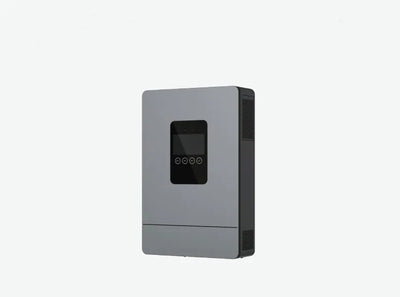
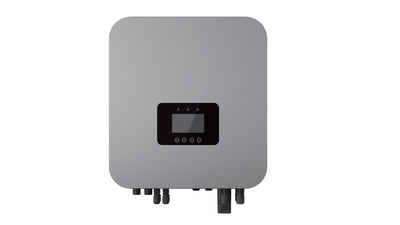
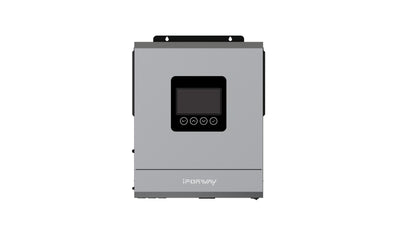
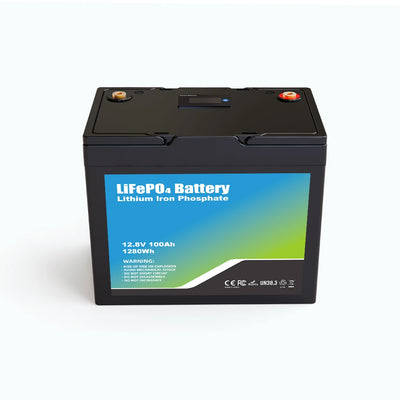
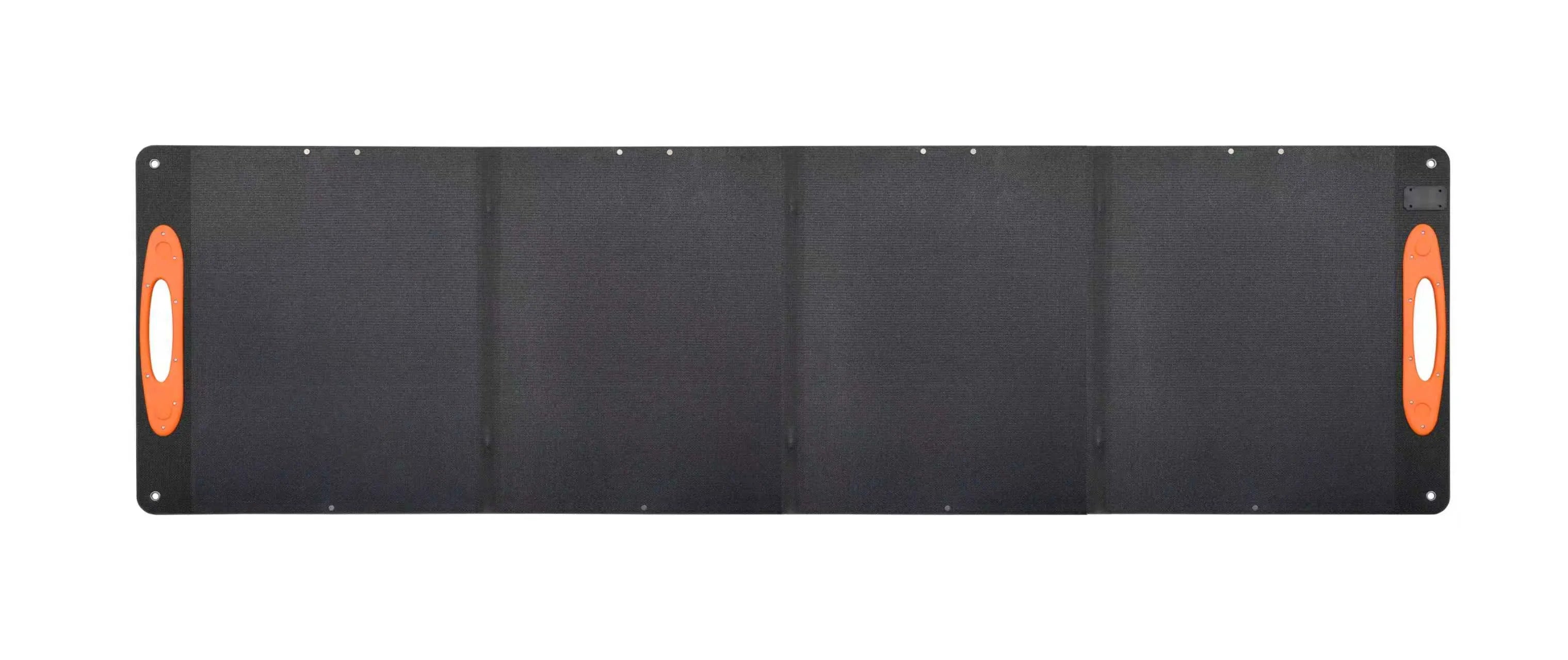
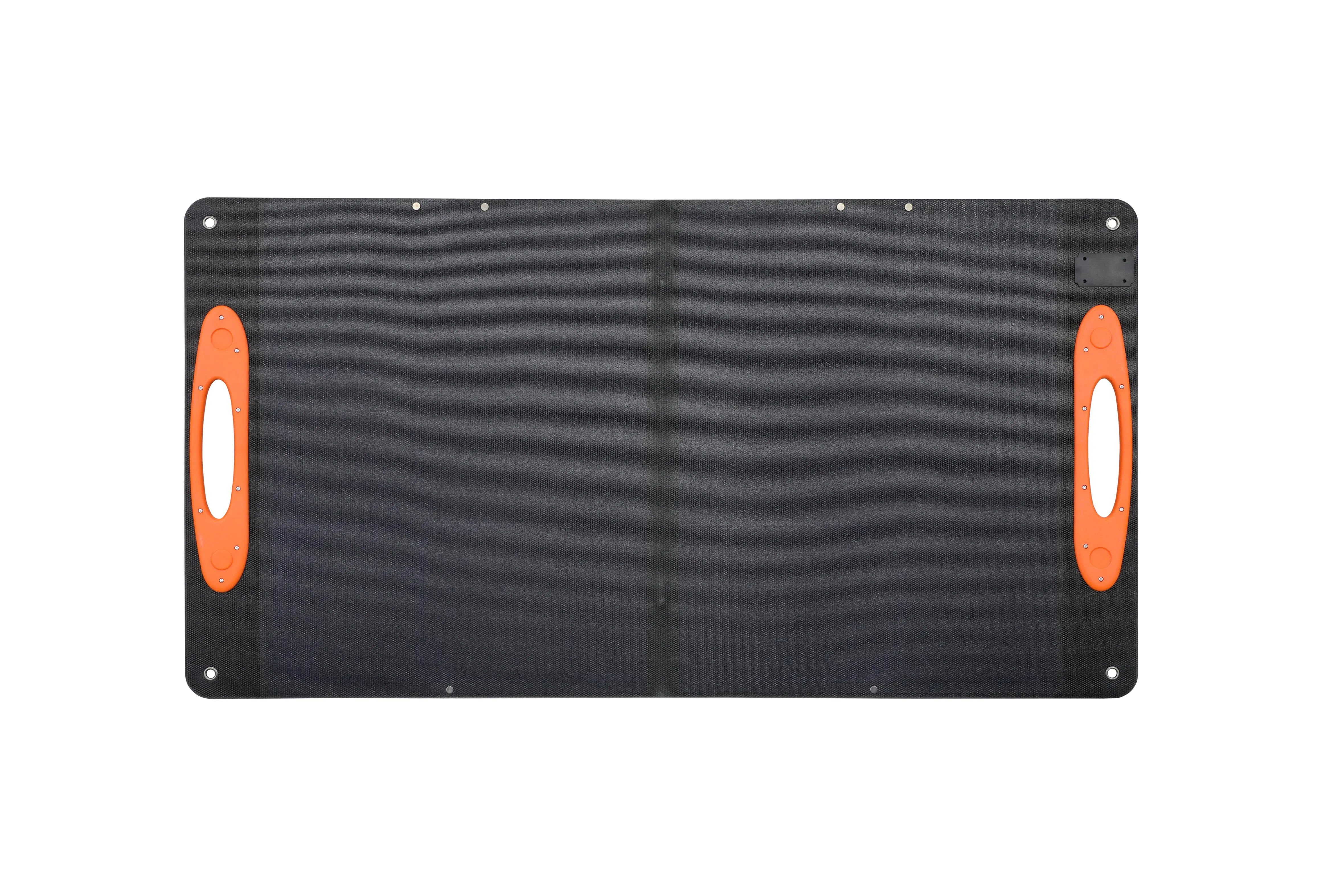
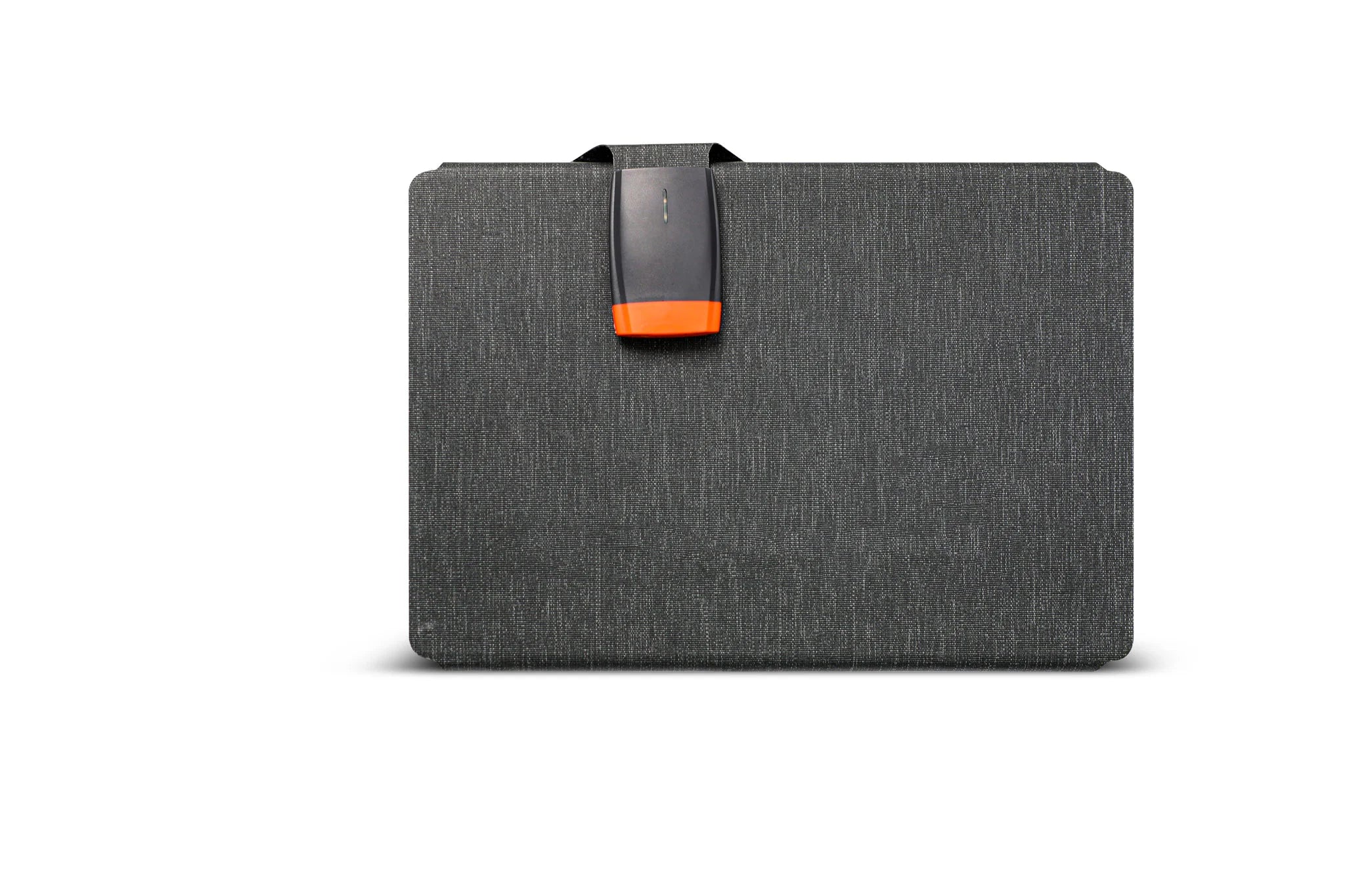

Balcony solar has exploded across Germany. More than 700,000 plug-in systems — known as Balkonkraftwerke — are already feeding sunshine into apartments and houses, and 2026 is the first full year under the country's simplified rules. But one upgrade turns a good system into a great one: adding storage. Pairing balcony solar with a battery lets you use your own solar power in the evening, when you actually need it, instead of giving cheap midday electricity away to the grid.
In this guide we explain the 2026 rules in plain language, show how storage changes the economics, and walk through three proven setups — including ones built around a portable power station that needs no electrician at all.
Germany's Balcony Solar Rules for 2026: The Short Version
Germany's Solarpaket I legislation, in force since mid-2024, made balcony solar dramatically easier. Here is where things stand for 2026:
- Inverter limit raised to 800 W: A balcony solar system may feed up to 800 watts into your household circuit (previously 600 W). Older 600 W systems can be upgraded.
- One system per household — with exceptions: Generally one plug-in system per person; two people in one home can register two systems.
- Simplified registration: You register once in the Marktstammdatenregister (MaStR) federal market register. Separate approval from the local grid operator is no longer required for simple cases.
- Standard Schuko plug allowed: The controversial energy-standard plug requirement was dropped; normal Schuko connectors are permitted under defined safety conditions.
- Balcony usage protected: Landlords and condominium associations (WEG) cannot unreasonably refuse balcony solar; visual appearance is no longer a valid blocking reason.
- Old duplex/triad meters: If you still have a spinning meter, it must be replaced — many grid operators now do this free of charge when you register.
Note that these are the rules for grid-feeding plug-in systems. A battery that simply powers your own devices — without any feed-in to the grid — sits in a different, much simpler category. That distinction is exactly why storage is such an attractive add-on.
Why Add Storage to a Balcony Solar System?
A standard 800 W balcony setup produces the most power between late morning and mid-afternoon. But most households cook, stream, and run appliances in the morning and evening. Without storage, that midday surplus is exported for little or no money (feed-in tariffs for small systems are tiny), while you buy back expensive grid power at night.
Storage fixes the timing mismatch. Roughly speaking:
| Metric | Balcony Solar Only | Balcony Solar + Storage |
|---|---|---|
| Self-consumption share | ~25–35% | ~60–80% |
| Evening solar usage | None (sun has set) | Yes, from battery |
| Feed-in paperwork | MaStR registration required | None for off-grid storage use |
| Installation | Plug into socket | Plug-and-play with portable units |
| Apartment friendly | Yes | Yes, especially with portable stations |
Industry estimates suggest a typical 2-person household with an 800 W system and 1–2 kWh of storage can cover a large share of its baseline load — router, fridge, standby devices, lighting — from its own balcony year-round.
Setup 1: Plug-and-Play with a Portable Power Station
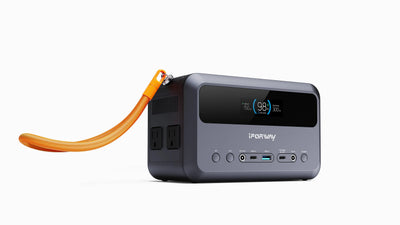
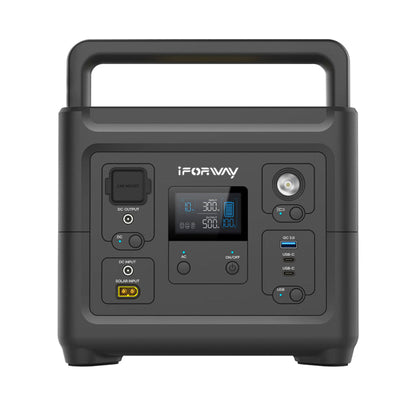
The simplest storage option needs no fixed installation: connect your balcony panels to a portable power station with solar input, and run your devices from the station's outlets.
How it works:
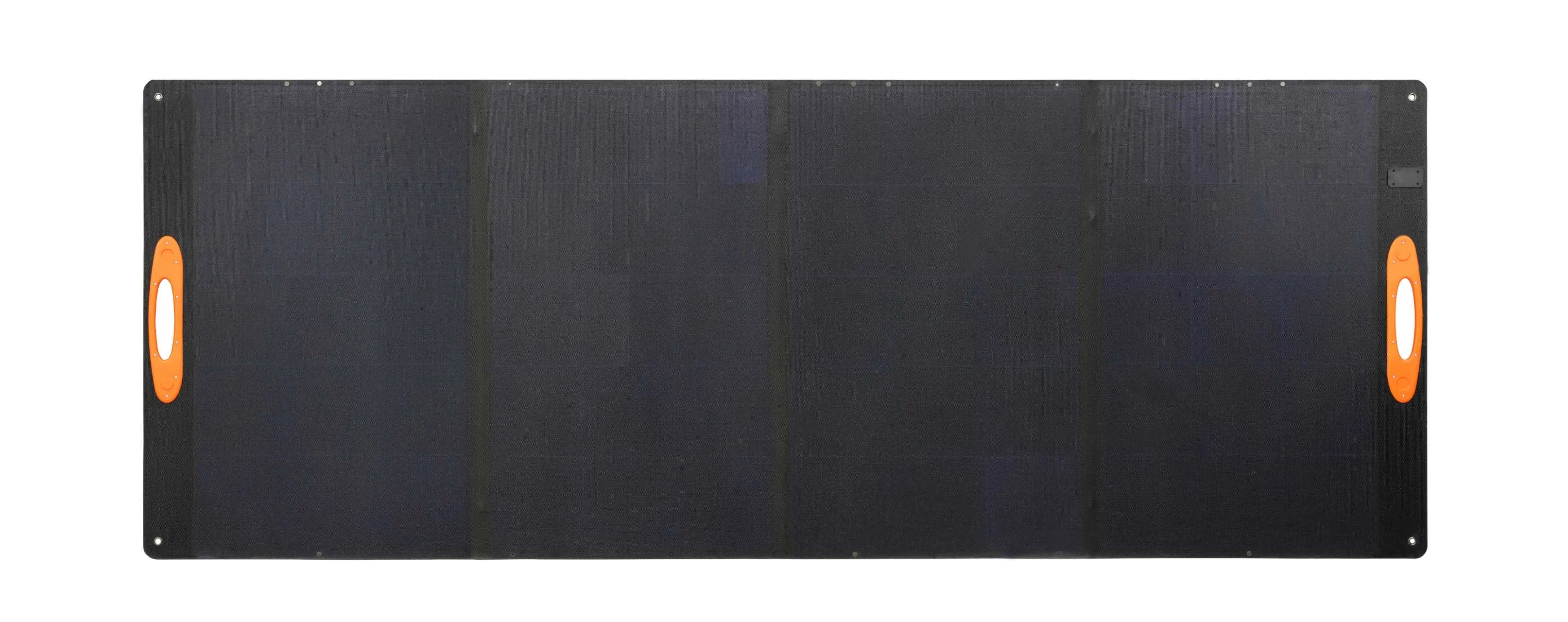
- Mount one or two flexible or rigid panels on the balcony railing.
- Connect them via MC4 to the power station's solar input (check voltage compatibility).
- Plug your router, lamps, laptop chargers, or TV into the station's AC/USB outputs.
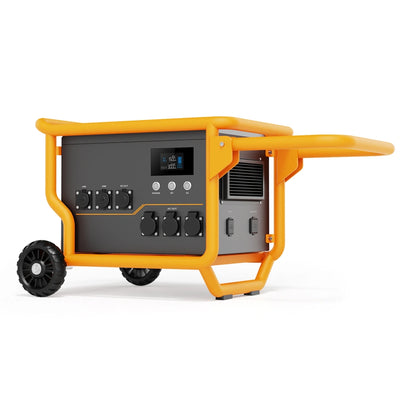
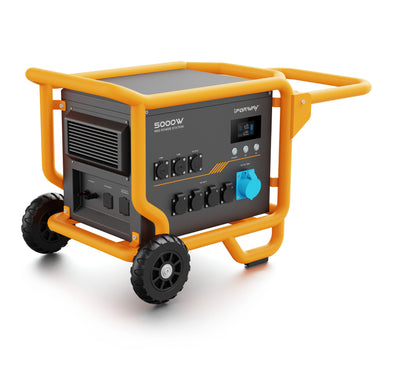
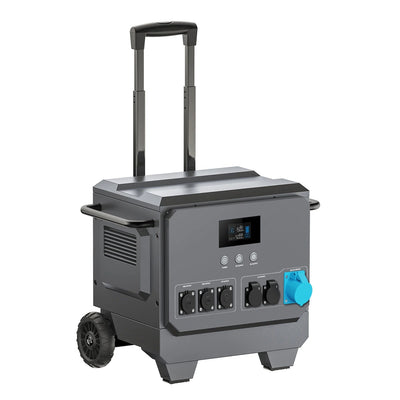
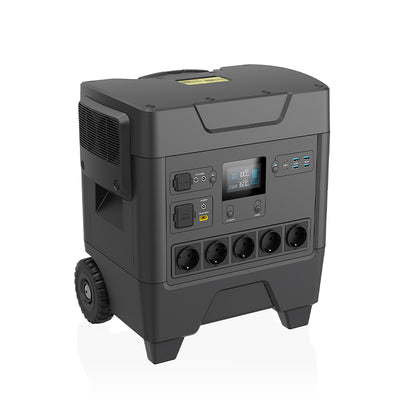
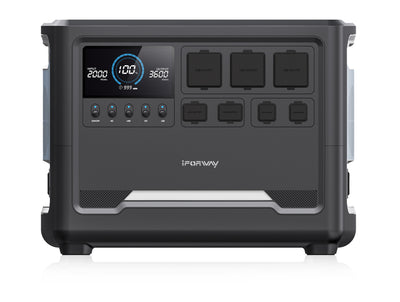
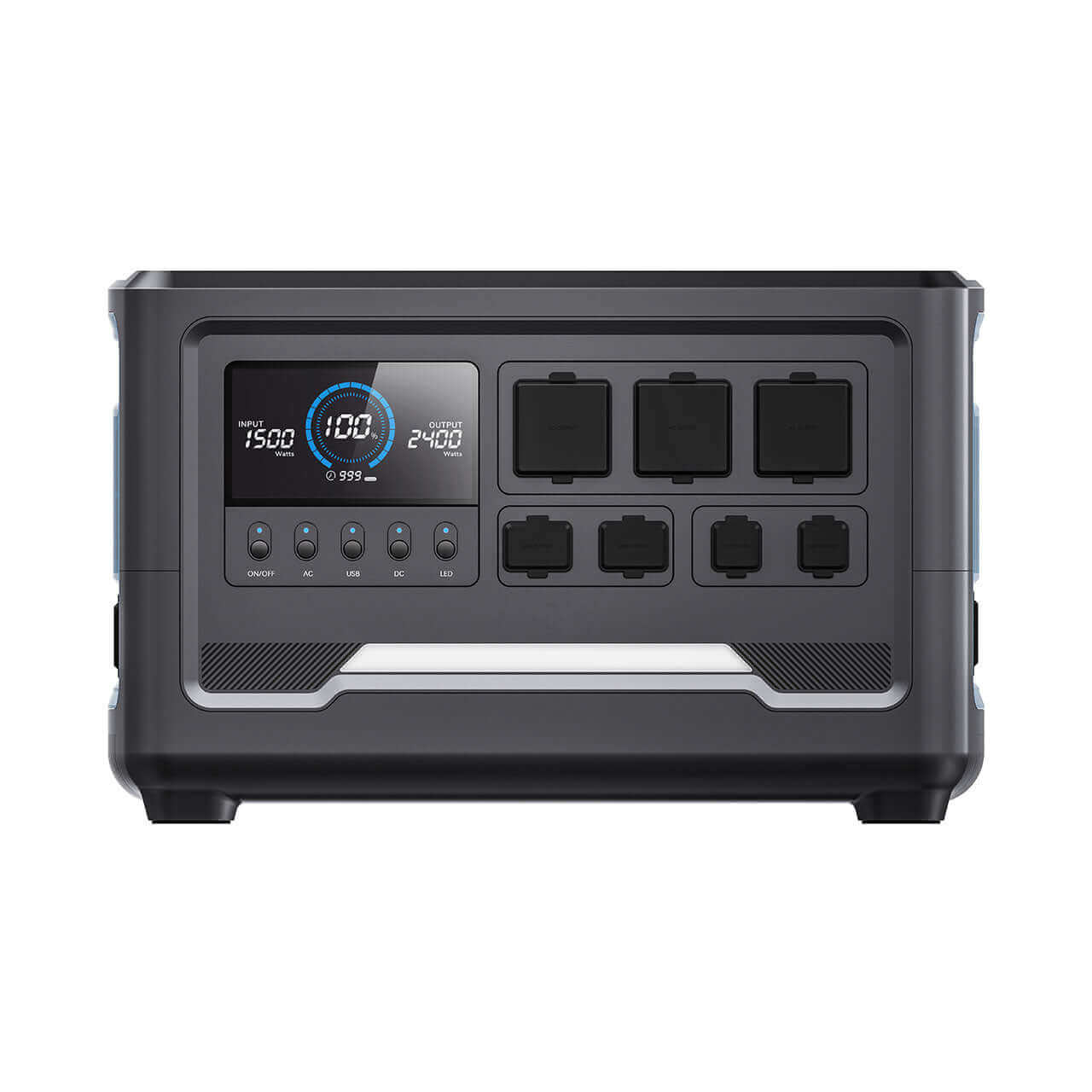
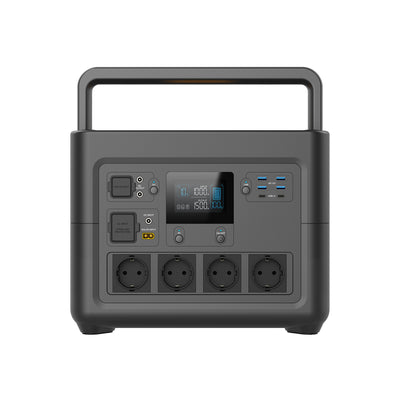
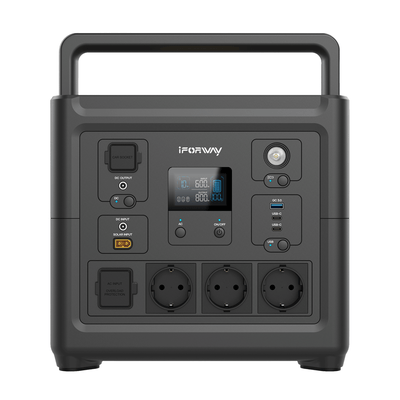
This configuration is completely off-grid: nothing flows into the household circuit or the public grid, so there is no inverter limit, no feed-in registration, and no metering questions. A unit like the iFORWAY HS1800 offers roughly 1.8 kWh of capacity — enough to run a working-from-home setup (router + laptop + monitor + lights) through the night on a sunny day's charge.
It is also a genuine UPS. Grid power flickers off, your Wi-Fi and lights stay on. In a country where blackout preparedness is officially recommended for 72 hours, a storage unit that moonlights as an emergency power source is a doubled benefit.
Setup 2: Hybrid — Portable Station as Day-Night Buffer
A more clever arrangement keeps your registered 800 W grid-tied system untouched, but uses a portable station to shift your own consumption:
- Daytime: the balcony system feeds the household; heavy loads (washing machine, dishwasher) run on solar.
- Charging: the portable power station charges from its own small panel array or from a surplus-aware smart plug.
- Evening: the station powers the entertainment center, lighting, and router so the household draws less from the grid at peak prices.
For households with dynamic electricity tariffs (now widespread in Germany), this peak-shaving has real monetary value: avoid drawing from the grid in the expensive evening window, recharge when power is cheap or free from your own roof.
Setup 3: Dedicated Balcony Storage System
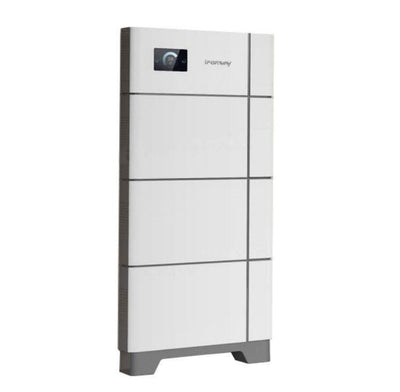
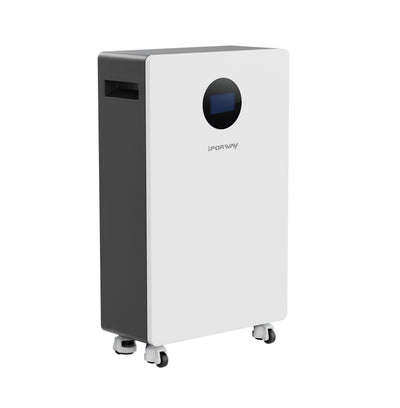
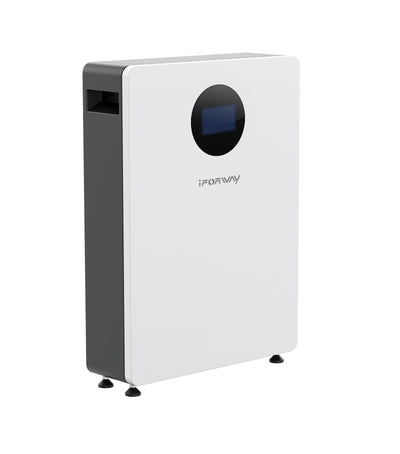
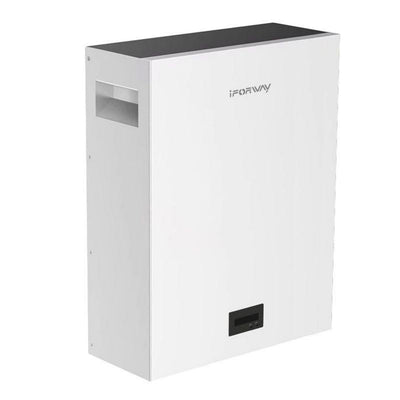
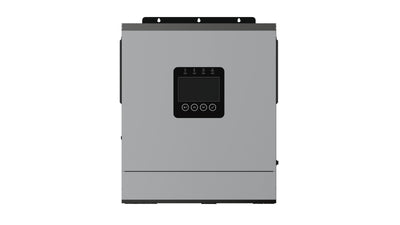
The third option is a purpose-built storage box that sits between your balcony solar and the wall socket. These integrated systems manage charging, discharging, and household feed-in automatically, and typically offer 1–2.5 kWh of storage. They require a registered grid-tied inverter and proper installation, and they cost more than a portable station of equal capacity.
Who should choose which?
| Your Situation | Best Fit |
|---|---|
| Renter, no drilling, wants simplicity + backup | Portable power station (Setup 1) |
| Already runs a 600/800 W Balkonkraftwerk | Hybrid buffering or dedicated storage (Setup 2/3) |
| Homeowner planning a full system later | Portable now, upgrade to a home energy storage system later |
Sizing the Battery: A Quick Reality Check
Do not overbuy storage for an 800 W system. The panels themselves cap how much energy you can harvest per day:
| Panel Array | Winter Day (~1.5 kWh/kWp) | Summer Day (~5 kWh/kWp) |
|---|---|---|
| 400 W | ~0.6 kWh | ~2.0 kWh |
| 800 W | ~1.2 kWh | ~4.0 kWh |
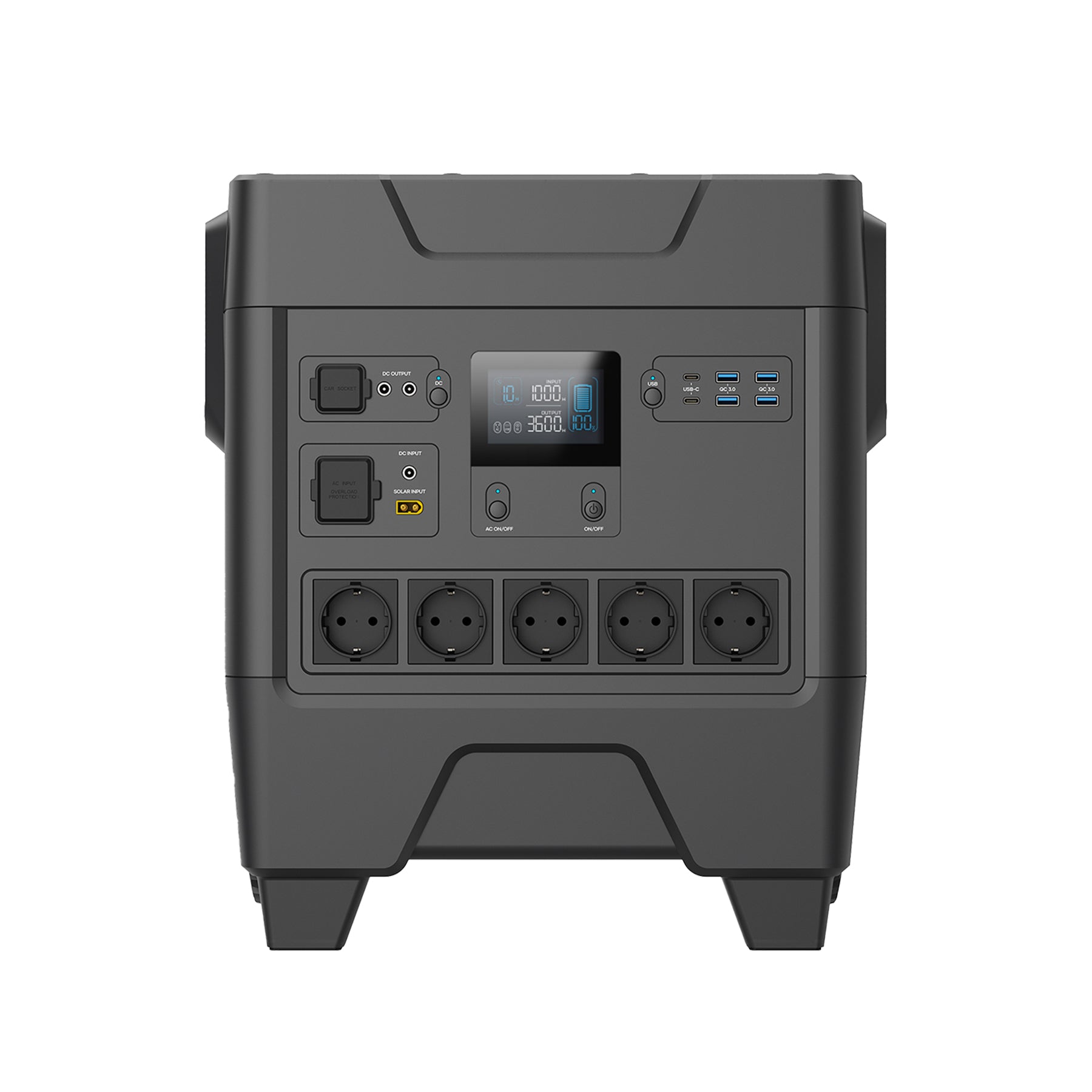
In a German winter, an 800 W array may only fill a 1–1.2 kWh battery. Anything larger sits idle for months. That is why 1–2 kWh is the sweet spot for balcony storage — and exactly the range where compact portable power stations and small wall units compete on price. If your ambitions grow beyond the balcony, the modular HS3600 power station or a fixed home storage system scales with you.
Practical Tips for 2026
- Check panel input specs: match your panels' open-circuit voltage (Voc) to the station's solar input range — especially with two panels in series.
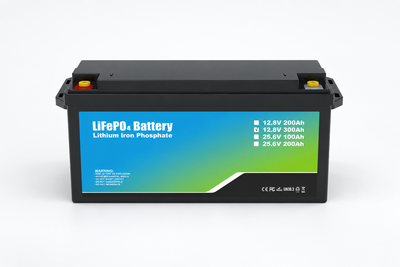
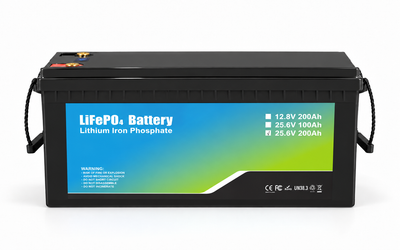
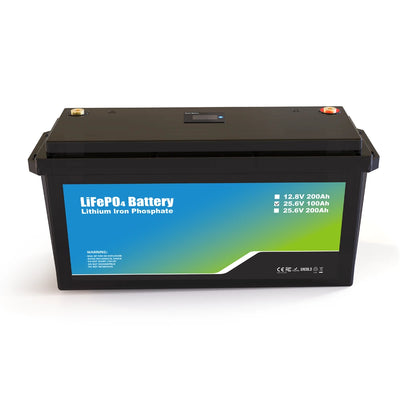
- Prefer LiFePO4 chemistry: 3,000+ cycles and safe indoor operation; it is the standard in modern stations.
- Vertical panels still work: railing-mounted vertical panels lose some yield but perform better in winter and low sun angles than most people expect.
- Register grid-tied changes: if you upgrade from 600 W to 800 W, update your MaStR entry.
- Keep the emergency role in mind: a station with UPS pass-through covers both daily cycling and outage backup.
Frequently Asked Questions
Is balcony solar with storage legal in Germany?
Yes. Grid-feeding balcony solar systems are legal when registered in the Marktstammdatenregister, within the 800 W inverter limit. A portable power station used purely as off-grid storage — powering your own devices without feeding the grid — requires no feed-in registration at all.
Do I need an electrician for a balcony power station setup?
For a classic plug-in Balkonkraftwerk, no: it connects to a normal Schuko socket. For a portable power station acting as storage, also no: panels plug into the station, devices plug into the station. Only fixed wall-mounted battery systems integrated with the household circuit should be installed by a certified electrician.
How much storage makes sense for an 800 W balcony system?
About 1–2 kWh. Your panels cannot harvest more than roughly 1.2 kWh on a typical winter day, so oversized batteries rarely fill. A 1.8 kWh portable power station balances winter harvest, summer surplus, and emergency backup nicely.
Bottom Line
Germany's 2026 rules make balcony solar with storage one of the easiest and most flexible energy upgrades an apartment dweller can make. A portable power station gives you the storage benefit — higher self-consumption, evening solar power, and built-in blackout protection — without an electrician, paperwork, or permanent installation.
iFORWAY manufactures portable power stations and home energy storage systems for European households, and develops custom OEM/ODM battery solutions for brands and distributors. Talk to our team about storage-ready setups for your market.
