
OEM/ODM Process for Energy Product Buyers
From a purchasing brief to an approved supply plan
OEM/ODM energy products: agree the scope before the schedule
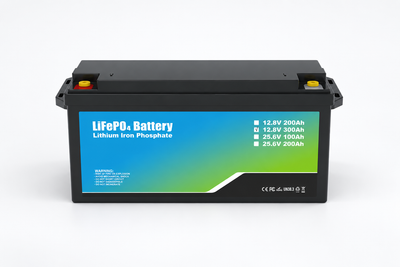
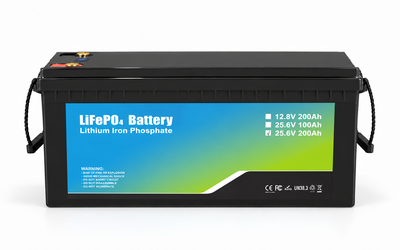
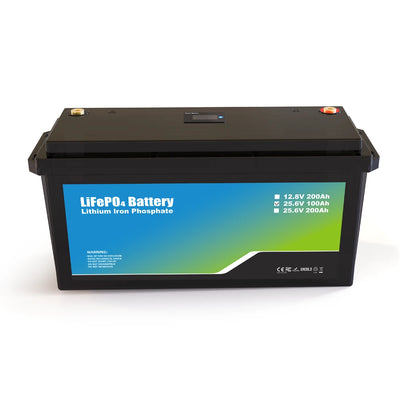
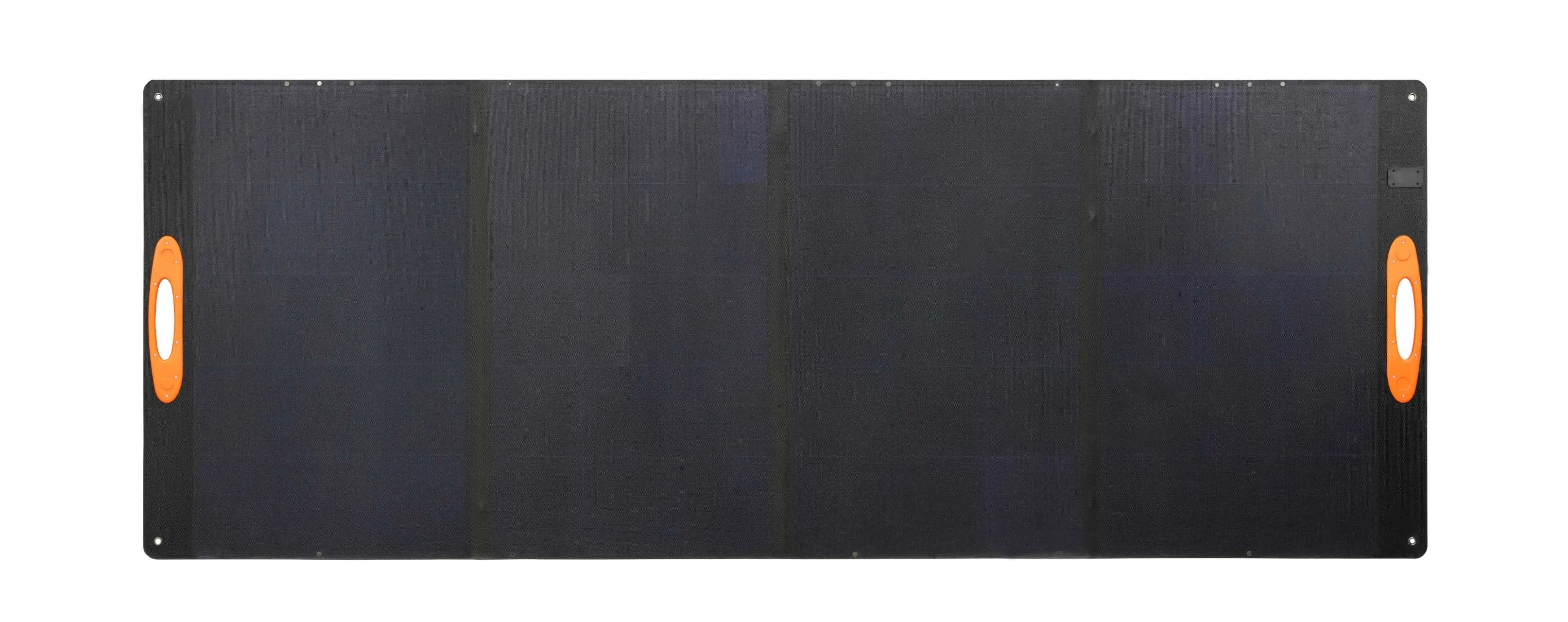
iForway works with brand owners, distributors and project buyers to evaluate energy-product supply and customization. Use the following process to distinguish an existing-platform private-label project from a new development that needs engineering, tooling or additional testing.
Send your OEM/ODM project brief
Project stages and approval gates
| Stage | Buyer input | Decision or deliverable |
|---|---|---|
| Requirements | Destination, application, target specifications, quantity and sales channel. | Project brief and open technical or commercial questions. |
| Platform and feasibility | Preferred model, must-have changes, compatibility and cost priorities. | Proposed configuration, engineering scope and feasibility review. |
| Quotation | Branding, accessories, packaging, evidence requirements and trade terms. | Written price, MOQ, scope, assumptions and sample/production schedule. |
| Sample approval | Functional evaluation and feedback against the agreed specification. | Approved sample, revision record and acceptance criteria. |
| Documentation and change review | Importer, market and product-documentation requirements. | Model-matched evidence review and an agreed plan for any remaining work. |
| Production and inspection | Approved purchase order, commercial terms and inspection requirements. | Confirmed production plan, batch checks and agreed release criteria. |
| Shipment and after-sales | Shipping route, delivery terms and service contacts. | Agreed shipment documents, warranty terms and claim-handling process. |
MOQ and lead-time reference
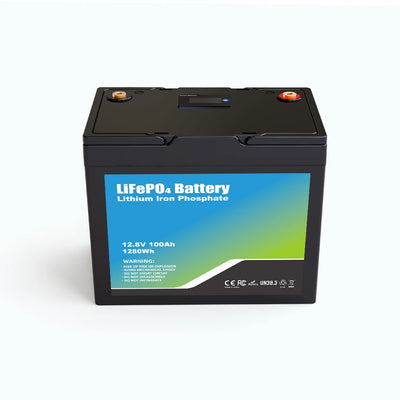
MOQ: Standard OEM programs generally start from 50 units per model. This is not a universal minimum for every product or customization. The published 51.2V 105Ah golf-cart battery program starts from 100 units; other model-specific requirements are confirmed in writing.
Standard-platform timing: Allow approximately 15 days for samples and approximately 45 days for mass production after specifications and commercial terms are approved. These are planning references, not an unconditional delivery promise.
New ODM work: Tooling, BMS or firmware development, electrical changes, certification work and material availability can extend the timeline. Agree the milestones, dependencies and responsibility for each stage before committing to a market launch.
What to include in your RFQ
- Company and buyer role: brand, distributor, installer or project purchaser.
- Destination country and intended sales or installation channel.
- Existing model or target capacity, output, voltage and application.
- Initial order quantity and estimated annual demand.
- Logo, packaging, firmware, enclosure or other requested changes.
- Model-specific documentation, sample tests and target delivery date.
Buyer FAQ
What is the difference between OEM and ODM in a quotation?
The labels alone do not define the work. An existing-platform branding order and a newly engineered product have different scope, minimums and schedules. Ask for an explicit list of included changes, deliverables and ownership terms.
Can I assume the displayed MOQ applies to my custom design?
No. Confirm the minimum for your model, battery configuration, branding, packaging and tooling scope. The general 50-unit starting point is subject to the approved quotation.
Does a sample schedule include new testing or certification?
Not automatically. Additional testing and documentation work must be scoped and scheduled separately when needed. Do not treat a sample dispatch date as confirmation of market approval.
Which certifications will my order include?
Evidence depends on the model, configuration and destination. Request the matching documents and agree how gaps will be resolved before ordering. A certificate logo is not a blanket approval for every product.
Discuss your product and purchasing requirements
Request an OEM/ODM quotation · Review the documentation checklist · Prepare a factory review
