PORTABLE ENERGY FOR LONGER WORK / OEM & ODM

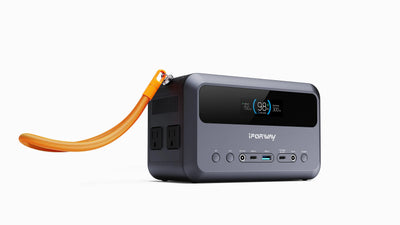
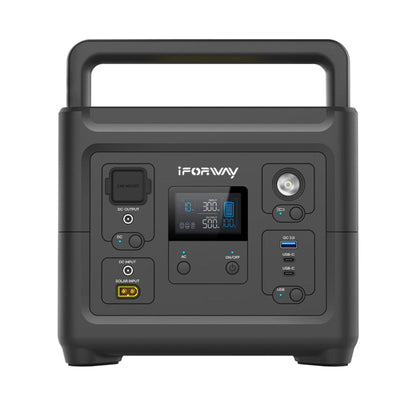
iForway M202009.6Wh / 1200W
LiFePO4 Portable
Power Station

1200WContinuous Pure Sine Wave AC.
Metal-Housed LiFePO4 Platform.

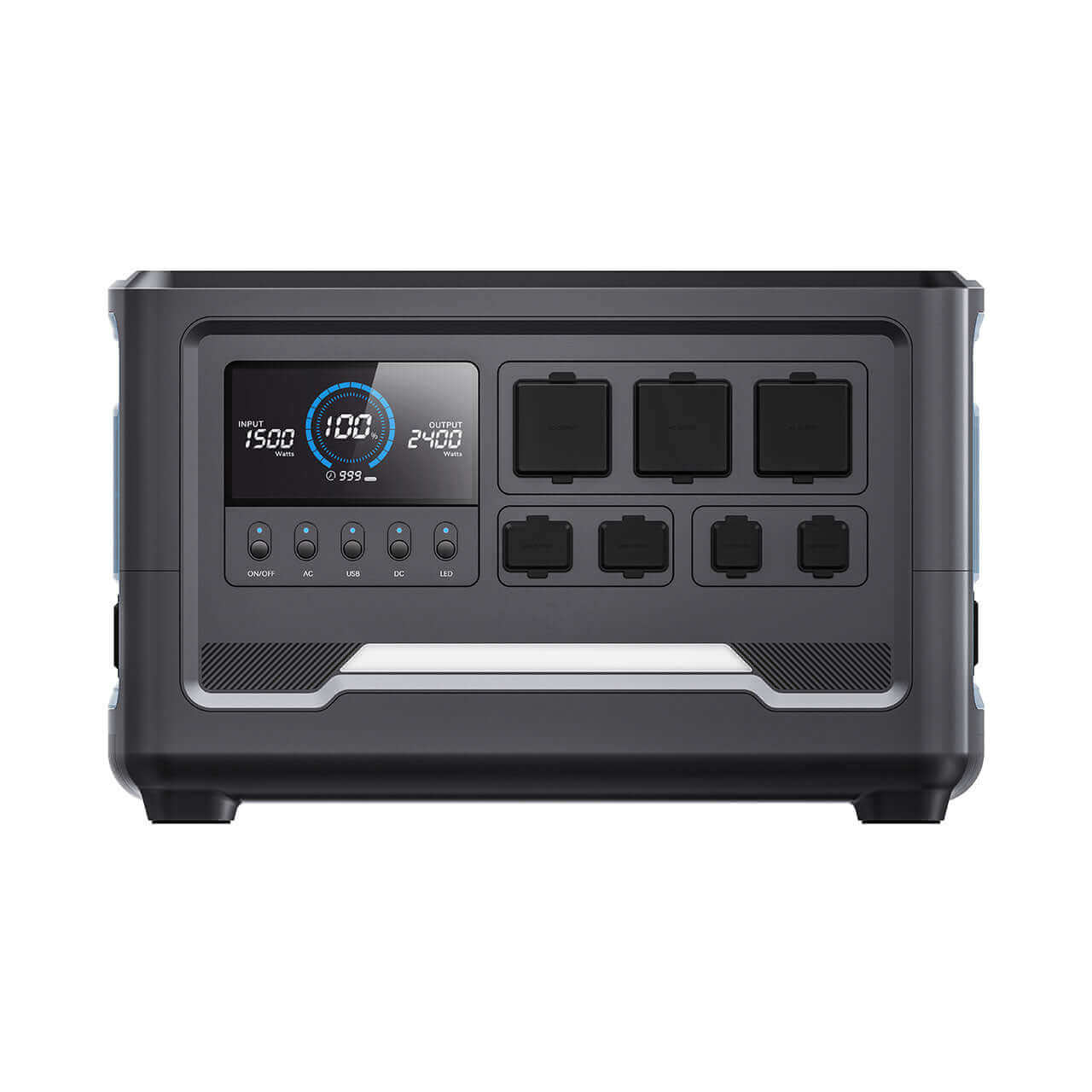
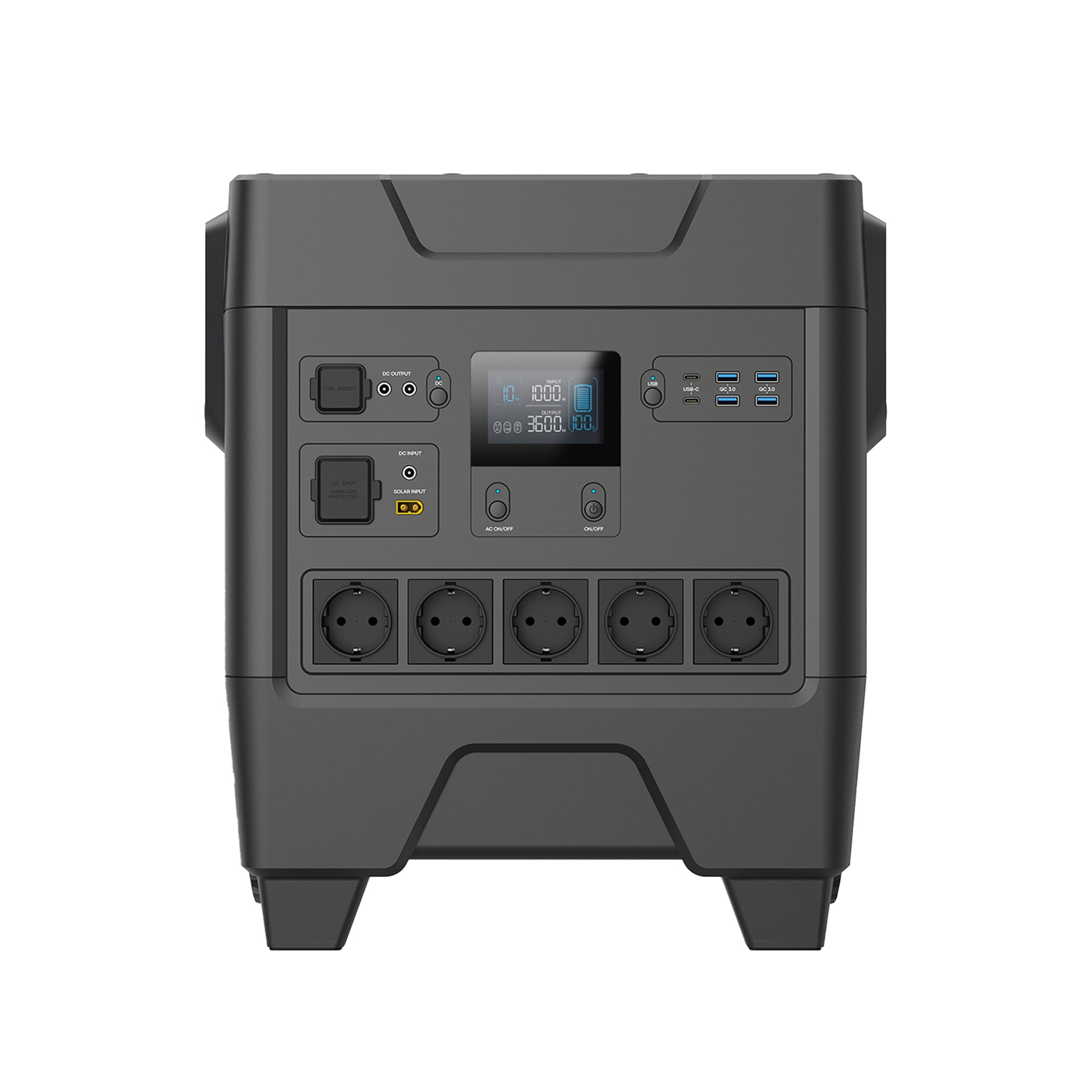
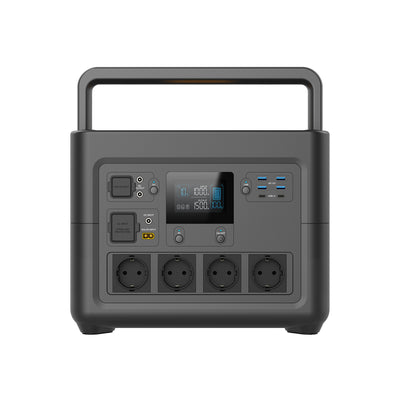
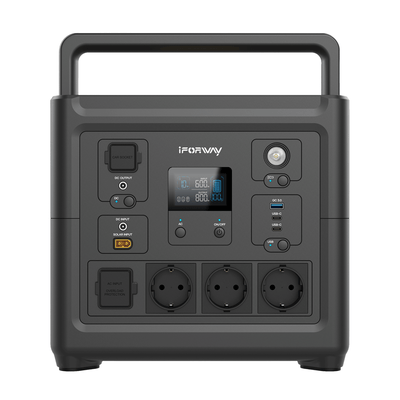
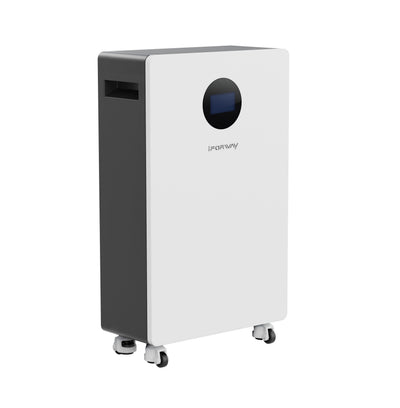
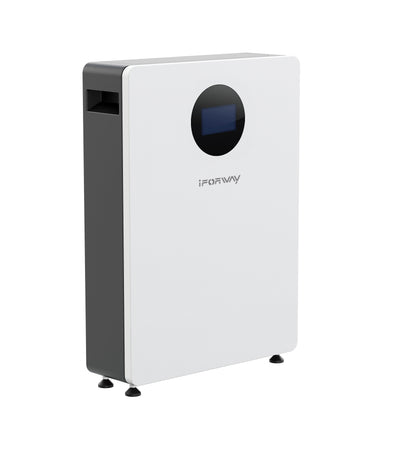
A higher-energy metal-housed platform for selected mobile, backup and off-grid applications. The M20 combines 2009.6Wh LiFePO4 energy with 1200W continuous pure sine wave AC output, dual metal handles and OEM/ODM options for your market.

Published reference: 230V version, 220–240V AC output, 50Hz / 60Hz adaptive according to AC input. Confirm the supplied configuration and outlet standard before sample approval.

Battery Capacity2009.6Wh
Continuous AC Output1200W
Solar InputUp to 600W MPPT
Battery ChemistryLiFePO4
ConstructionMetal enclosure + handles
Standard OEM MOQ100 units

BIGPACK LARGE-CELL PLATFORM

Big Cells.
Better Capacity Value.

BIGPACK PRISMATIC CELL 314Ah

3.2V nominal cell voltage
Large-format prismatic LiFePO4

BigPack Large-Cell Design

Built around large-format prismatic LiFePO4 cells rated at 3.2V / 314Ah, BigPack puts substantial stored energy at the center of the product. Its large-cell approach is designed for better capacity value in cost-conscious OEM/ODM household-backup programs.

Capacity-First Value for Household Backup

M20 pairs 2009.6Wh of nominal battery energy with 1200W continuous AC output. Its higher-capacity configuration supports household essential-load planning while keeping the product focused on practical backup needs and capacity value, rather than whole-home power.

Metal housing and integrated BMS remain part of the platform, with overcharge, over-discharge, overcurrent, short-circuit and temperature protection. Use the product within its documented operating limits.

3.2V / 314Ah is a cell-level specification, not the complete pack configuration or the AC output rating. No IP, IK, drop-height or crush-load rating is implied.

Energy and Output Are Different

2009.6Wh of Energy.
1200W Continuous AC Output.

M20 offers twice M10’s nominal battery energy and a higher 1200W continuous AC output rating. Actual runtime still depends on equipment demand, conversion losses and operating conditions; capacity alone does not establish load compatibility.

M20 has a 2400W peak output rating. Match continuous and starting demand to the supplied configuration; confirm startup duration and test conditions for the proposed equipment.

2009.6Wh

Nominal battery energy

1200W

Continuous pure sine wave AC

600W

Maximum published solar input

01

Start With the Load List

Provide each device, its rated demand, starting characteristics, operating schedule and required duration. Validate the intended equipment rather than assuming compatibility from the energy capacity.

02

Plan Port Sharing as Well as AC Power

The published outputs include one USB-C port up to 36W, two USB-A ports up to 20W each, and two DC5521 outputs at 12V / 3A. Confirm the total shared DC/USB budget instead of assuming that every port can deliver its maximum simultaneously.

HAUSNOTFALL-RESERVE

Wenn das Stromnetz ausfällt,
sorgen Sie dafür, dass die wichtigsten Geräte weiterlaufen.

Entwickeln Sie Haushaltspuffer-Programme für von Stromausfällen betroffene Gemeinden in Afrika, Asien und Lateinamerika sowie für zivile Haushalte in der Ukraine. M20 kombiniert 2009,6 Wh gespeicherte Energie mit 1200 W kontinuierlicher AC-Ausgangsleistung: Priorisieren Sie essenzielle Geräte, nicht die Stromversorgung des gesamten Haushalts.

Nennaenergiespeicher der Batterie2009.6Wh

Mehr gespeicherte Energie für Ihren Grundlasttarif.
Keine höhere Leistungsgrenze für Geräte.

Kontinuierliche AC-Ausgangsleistung1200W
Illustrative Darstellung eines Hauses in warmem Klima mit einer kleinen LED-Lampe, einem Tischventilator und einem Smartphone in der Abenddämmerung
01

UNVERZICHTBARE ALLTAGSARTIKEL FÜR DEN HAUSHALT

Licht für den Abend.
Energie für die Grundversorgung.

Planen Sie gezielte Beleuchtung, das Laden Ihres Smartphones und einen energiesparenden Ventilator ein – mit mehr Kapazität für gleichzeitige AC-Lasten als die M10. Die M20 kombiniert 2009,6 Wh gespeicherte Energie mit einer kontinuierlichen AC-Ausgangsleistung von 1200 W; priorisieren Sie die Geräte, die Ihr Haushalt tatsächlich benötigt.

  • LED-Beleuchtung
  • Handy aufladen
  • Sparsamer Ventilator

Prüfen Sie den Einschaltstrom des Ventilators und das Netzteil jedes Geräts. Betrachten Sie die Akkukapazität nicht als Erlaubnis, Geräte mit höherer Leistung anzuschließen.

Illustrativer Schreibtisch für zu Hause mit Laptop, Router, Smartphone und LED-Leselampe
02

BLEIBEN SIE ZU HAUSE VERBUNDEN

Behalten Sie Kommunikation
und häusliches Lernen in Ihrem Plan.

Erstellen Sie eine Lastplanung für einen kompatiblen Router, Smartphones, Laptops und ausgewählte Beleuchtung. M20 speichert die doppelte nominale Akkukapazität von M10, doch die tatsächliche Kommunikations- oder Lernzeit hängt weiterhin vom Stromverbrauch der Geräte und den Betriebsbedingungen ab.

  • Router
  • Telefon
  • Laptop

Bestätigen Sie das gemeinsame DC-/USB-Ausgangsbudget des M20 und das Budget jedes Adapters; übernehmen Sie nicht das gemeinsame Limit von 36 W des M10. Die Stromversorgung eines Routers kann keine externe Netzwerkverfügbarkeit garantieren.

Illustrative, unversehrte osteuropäische Wohnung mit einer LED-Laterne, einem Telefon und einem Radio neben einem verschneiten Fenster
03

VORBEREITUNG AUF WINTERLICHE AUSFÄLLE

Licht, Informationen
und eine Möglichkeit, in Kontakt zu bleiben.

Planen Sie für die Vorsorge in zivilen Haushalten in der Ukraine und anderen Regionen mit winterlichen Stromausfällen eine gezielte LED-Beleuchtung, Möglichkeiten zum Aufladen von Mobiltelefonen und ein kompatibles Radio. Verwenden Sie die Batterie für grundlegende Geräte mit geringem Stromverbrauch und nicht zur Raumheizung.

  • LED-Laterne
  • Handy
  • Radio

Dies ist eine Illustration für den stationären Hausgebrauch, keine Angabe zur Einsatzfähigkeit. Bestätigen Sie vor dem Gebrauch im Winter die Betriebstemperaturbegrenzungen und die Ladetemperaturbegrenzung des Geräts.

Anwendungsbeispiele dienen als Ausgangspunkt für die Prüfung, stellen jedoch keine garantierte Gerätekompatibilität oder Kundeneinsatzstudien dar. Bestätigen Sie die Spannung des Zielmarktes, den Steckertyp, die Betriebsbedingungen und die Konfiguration des gelieferten Produkts.

Know the Input Limits

Choose Charging Equipment for the Supplied Configuration

Plan AC and solar inputs using the M20 limits, not the input ratings of larger iForway platforms. Confirm connectors and operating conditions before choosing cables or panels.

01

AC Charging: Up to 1200W

The published M20 AC charging power is up to 1200W. Request the charge curve and test conditions before making full-charge-time claims; input power alone is not a measured charging duration.

02

Solar / DC: Up to 600W

The published MPPT input range is 12–60V DC, with 20A maximum current and 600W maximum input power. Provide panel Voc, Vmp, Isc and the planned series/parallel arrangement for review.

03

AC + PV: Confirm the Combined Limit

The published description supports simultaneous AC and PV charging. Confirm the total input cap, source priority and operating conditions; do not add the two separate maximum ratings to create an unsupported combined specification.

Backup With Defined Limits

A 10ms Transfer Reference.
Not a Zero-Interruption Promise.

The published M20 UPS transfer-time reference is 10ms. The inverter’s 1200W continuous output rating does not by itself establish the maximum load in every UPS, bypass or pass-through mode.

Check interruption tolerance, backup-mode load, starting demand and the exact supplied version before connecting sensitive equipment. Medical, server and other critical applications require their own suitability assessment.

10msPublished UPS transfer-time reference
1200WRated AC output; confirm UPS-mode limit
TestLoad-specific interruption tolerance

Published Configuration Reference

M20 Technical Specifications

This table describes the published 230V version, not every possible OEM variant. Confirm the approved model-specific datasheet, operating mode, port limits and supplied configuration before procurement.

M20 · Published 230V configuration
SpecificationPublished reference
ModeliForway M20
Battery Capacity2009.6Wh
Battery ChemistryLiFePO4
Rated AC Output1200W, pure sine wave
Peak / Surge Output2400W
AC Output Voltage230V version; 220–240V AC output range
AC Output Frequency50Hz / 60Hz adaptive according to AC input; confirm operating mode
AC Charging Power1200W max
Solar / DC Input12–60V DC; 20A max; 600W max; confirm connector and array compatibility
Solar Charge ControllerMPPT
Simultaneous AC + PV ChargingSupported in the published description; confirm total input limit and applicable conditions
USB-C Output1 × PD 36W max
USB-A Output2 × 20W max per port
DC Output2 × DC5521; 12V / 3A
Combined DC / USB OutputConfirm the shared DC/USB power budget and simultaneous-port behavior for the supplied configuration
UPS Transfer-Time Reference10ms; not a zero-interruption guarantee
UPS / Bypass Load LimitsConfirm the supplied configuration; do not infer from inverter rated output
Product Dimensions306 × 200 × 293mm
Net WeightConfirm against the approved M20 datasheet before ordering
Enclosure and HandlesSheet metal; dual top-mounted metal carrying handles
Battery ProtectionOvercharge, over-discharge, overcurrent, short circuit and temperature protection
Ingress / Impact ProtectionNo IP, IK, drop-height or crush-load rating claimed on this page
Standard OEM MOQ100 units

Model-Matched Documentation

Review the Evidence for Your Destination Market

Tell us the destination market, requested configuration and documentation required by your customer or compliance team. Request the M20 datasheet, operating manual and applicable product-specific compliance and lithium-battery transport files.

Check model coverage, issuing or responsible party, document number, version and validity where applicable. A factory qualification or general standard logo does not prove that every product configuration is approved for every market.

Build for Your Brand and Market

Define the Customization Before the Quotation

Standard OEM MOQ starts at 100 units. Discuss logo, color and packaging first, then separate firmware, UI, connector or tooling changes into an engineering review.

For standard-platform projects, planning references are approximately 15 days for samples and 35–45 days for mass production after specification and commercial approval. Engineering changes, tooling, testing and material availability can change the schedule; the confirmed quotation and production plan govern.

A two-year warranty is offered for distributor orders, subject to agreed terms. Confirm coverage, the start date and service procedures before placing your order.

  1. 01

    Define market and load: destination, AC requirements, connected equipment and estimated order quantity.

  2. 02

    Review the configuration: branding, engineering scope, port limits and required documentation.

  3. 03

    Approve the sample and terms: validate the agreed specification and commercial requirements.

  4. 04

    Confirm production and delivery: agree on packaging, shipment documents and order schedule.

Choose the Right Platform

M10 or M20? Start With Your Load and Duration.

M10 offers 1004.8Wh energy, 500W continuous AC output and up to 500W solar input. M20 offers 2009.6Wh energy, 1200W continuous AC output and up to 600W solar input.

Compare energy, equipment demand, charging access, port sharing and handling requirements. Neither platform should be selected for high-inrush equipment solely on its battery capacity.

YOUR MARKET. YOUR CONFIGURATION.

Request a Configuration-Specific M20 Quote

Send your destination market, estimated order quantity, required AC configuration and equipment list. Include branding or engineering changes for a model-specific review.

Get M20 OEM Quote

BEFORE YOU SPECIFY

M20 Procurement FAQ

01What are the M20's battery capacity and continuous output?

The M20 uses a 2009.6Wh LiFePO4 battery and delivers 1200W continuous pure sine wave AC output. Battery energy describes stored energy; the output rating describes load capability.

02What solar input does the M20 support?

The published solar input is 12–60V DC, 20A maximum and 600W maximum, with MPPT. Confirm the connector, panel Voc/Vmp/Isc, series/parallel arrangement and temperature conditions before connecting an array.

03What AC charging power is supported?

The published maximum AC charging power is 1200W. This is an input rating, not a guaranteed full-charge time. Request the charge curve, starting and ending state of charge, temperature and applicable test conditions.

04Can AC and solar charging be used together?

The published M20 description supports simultaneous AC and PV charging. Confirm the combined input limit, source priority and applicable operating conditions for the supplied version; do not add the separate maximum ratings to create an unverified total.

05What are the USB and DC output limits?

The published outputs include one USB-C port up to 36W, two USB-A ports up to 20W each, and two DC5521 outputs at 12V / 3A. Confirm the total shared DC/USB budget instead of assuming that every port can deliver its maximum simultaneously.

06Is the UPS function completely interruption-free?

No zero-interruption promise is made here. The published M20 transfer-time reference is 10ms. Confirm equipment tolerance, starting load, UPS-mode limit and the supplied configuration; do not infer backup-mode capability solely from the 1200W inverter rating.

07How long can the M20 power my equipment?

Runtime depends on the connected load, duty cycle, conversion losses, standby consumption, temperature and battery condition. Provide the equipment list and required duration for a model-specific evaluation. No fixed operating time is guaranteed here.

08What peak output, cycle life or water rating is guaranteed?

This page does not promise an unverified peak duration, cycle count, service life or ingress rating. Request the model-specific datasheet, relevant test conditions and matching reports before using those claims in your own product material.

09How large and heavy is the M20?

The published M20 dimensions are 306 × 200 × 293mm, with dual top-mounted metal carrying handles. Request the approved model-specific net weight before shipment or handling plans are finalized; no numerical weight is asserted on this page.

10Which AC market configuration is described?

This page describes the published 230V version with a 220–240V output range and 50Hz / 60Hz frequency adaptation according to AC input. Confirm outlet standard, operating mode and destination-market requirements before sample approval.

11What is the standard OEM MOQ and customization scope?

Standard OEM MOQ starts at 100 units. Discuss logo, color and packaging first. UI, firmware, connector and tooling changes require an engineering review, an agreed specification and confirmation in the quotation.

12What are the sample lead time, production lead time and warranty?

For standard-platform projects, planning references are approximately 15 days for samples and 35–45 days for production after specification and commercial approval. A two-year warranty is offered for distributor orders under agreed terms. The confirmed quotation, production plan and warranty agreement govern.

13Which documents should I request before ordering?

Request the M20 datasheet, user manual, applicable model-matched compliance files and lithium-battery transport documents for the supplied configuration and destination market. Check model coverage, issuing party, document number, version and validity where applicable; factory qualifications alone are not product-specific approval.

14Should I choose M10 or M20?

M10 combines 1004.8Wh energy, 500W continuous AC output and up to 500W solar input. M20 combines 2009.6Wh energy, 1200W continuous AC output and up to 600W solar input. Choose by load, duration, charging access and handling needs, not capacity alone.