WHEELED PORTABLE POWER / OEM & ODM

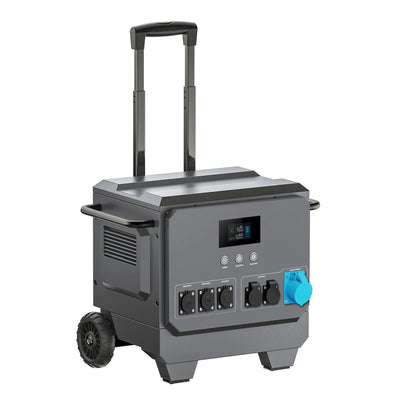
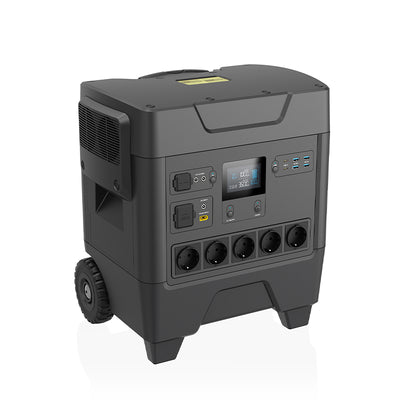
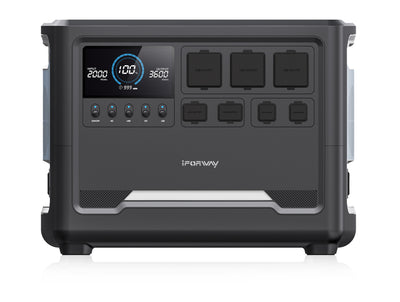
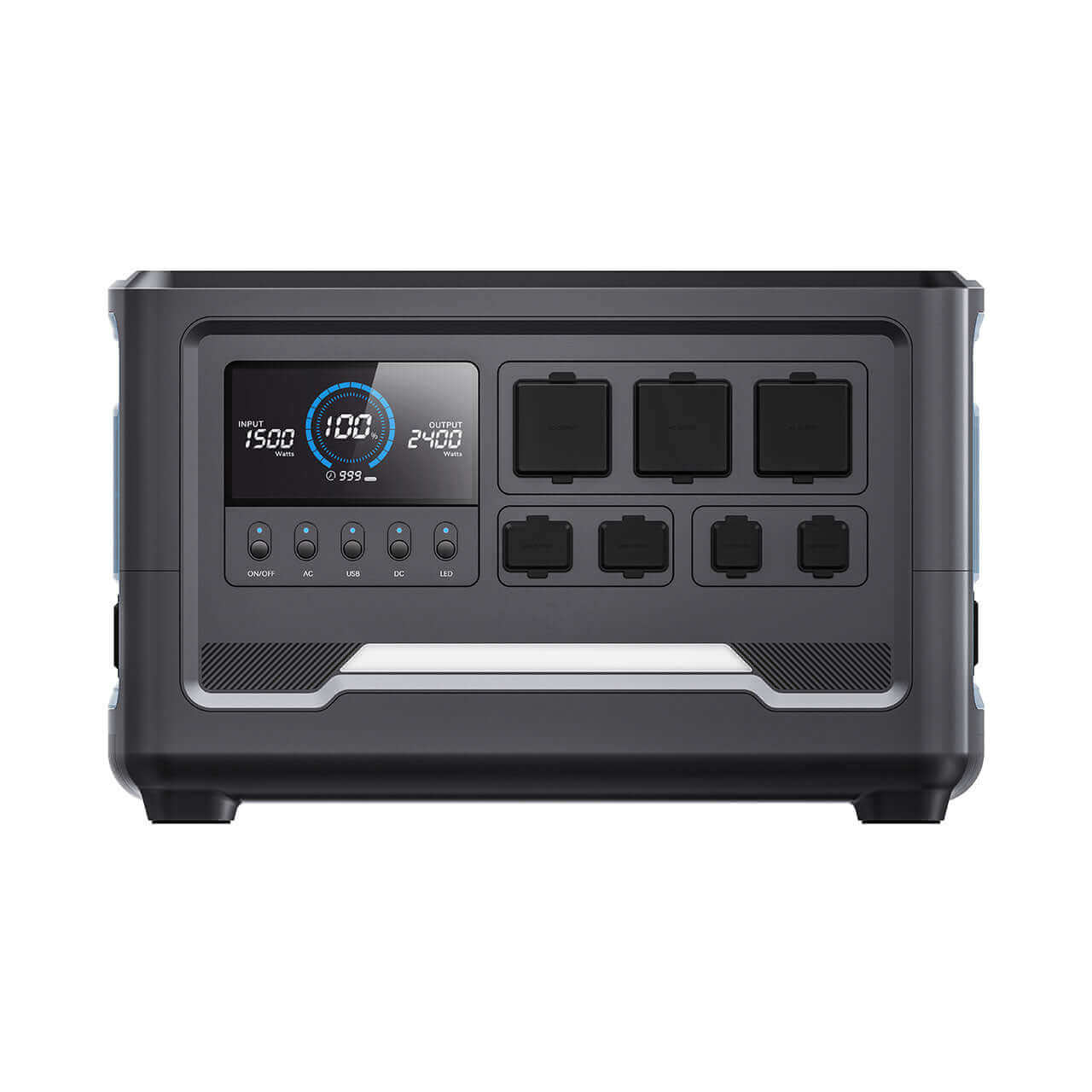
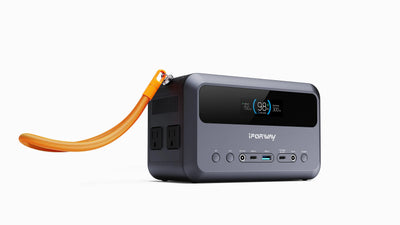
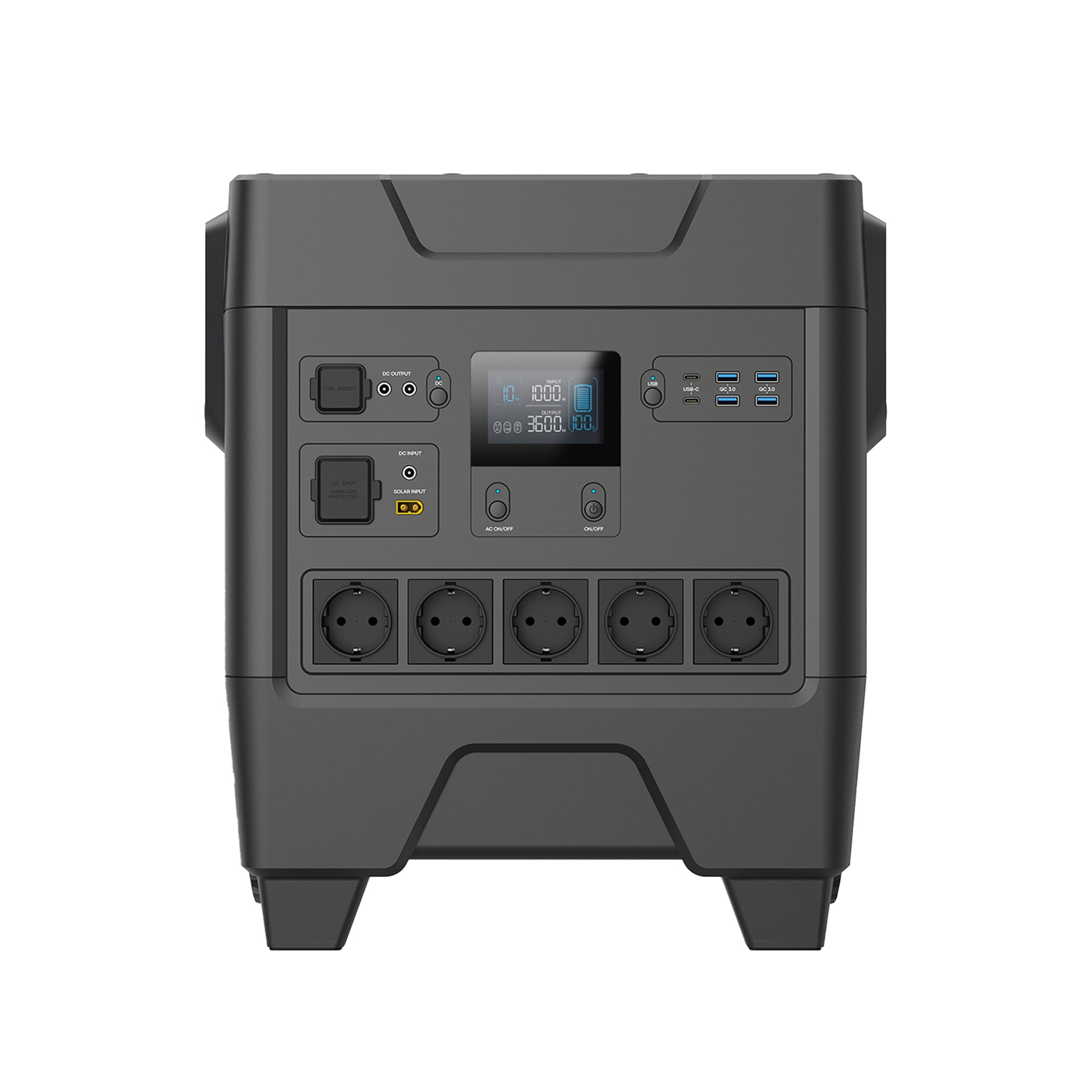
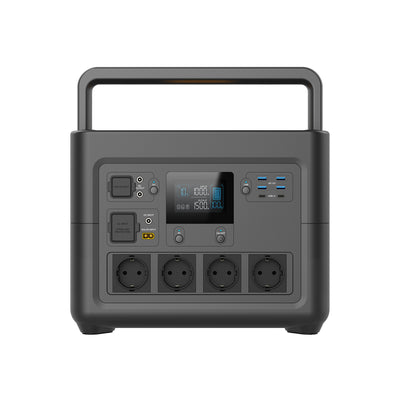
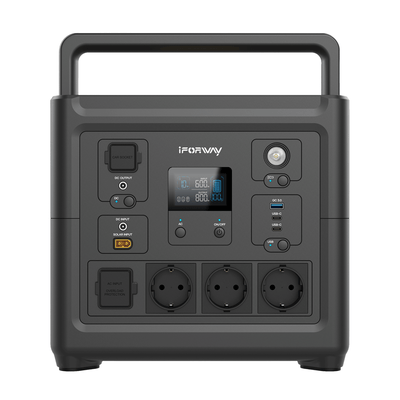
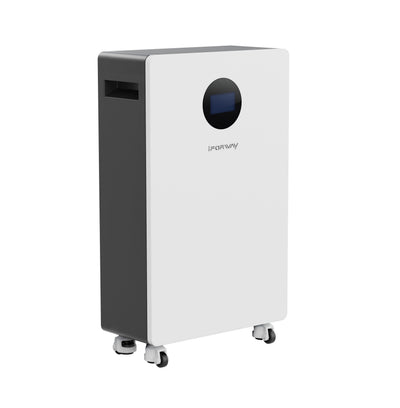
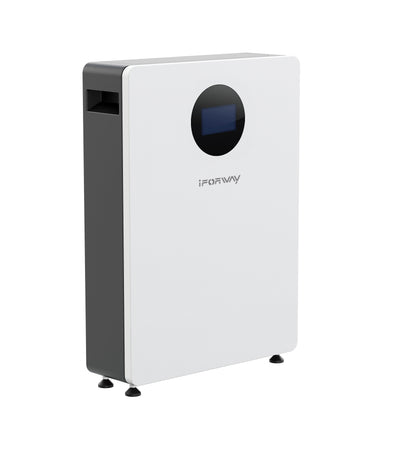
iForway HS36053072Wh / 3000W
Power for Everyday
Backup Plans.

3000WContinuous AC output.
3072Wh LiFePO4 energy capacity.

A wheeled power platform for selected household, travel and professional loads. Build your program around the equipment, operating hours and regional configuration your customers actually need.

6000W published peak reference, not continuous output. Final outlet, charging and operating specifications are confirmed for the supplied HS3605 version.

Battery energy3072Wh
Continuous AC3000W
Peak reference6000W
Battery chemistryLiFePO4
MobilityWheeled
Standard OEM MOQ100 units

PLAN AROUND THE EQUIPMENT

Eight applications.
One clear starting point.

Start with the devices and operating schedule. Then review power, battery energy, connection limits and the environment for your selected HS3605 configuration.

AI-generated apartment-kitchen illustration with an unbranded refrigerator and selected under-cabinet lighting at dusk
AI-generated application illustration · Equipment planning example

01REFRIGERATION & KITCHEN ESSENTIALS

Keep the kitchen in your backup plan.

Plan around a compatible refrigerator and selected kitchen lighting before adding other appliances. Use compressor running power, startup demand and operating cycles to allocate the 3072Wh energy budget, while keeping the reviewed load combination within HS3605’s 3000W continuous AC limit.

  • Compatible refrigerators
  • Kitchen lighting
  • Load scheduling

Confirm compressor startup and individual outlet ratings. Refrigerator compatibility and runtime depend on the appliance; this is not a whole-kitchen or all-night backup guarantee.

Existing merchant illustration of a home office and trolley-style power station
Application illustration · Legacy configuration may differ

02HOME OFFICE & REMOTE WORK

Keep the next task within reach.

Plan a selected-load supply for a laptop, monitor and network equipment when a normal outlet is unavailable. Use measured running demand and the work schedule to estimate an energy budget for a home-office program.

  • Laptops & monitors
  • Network equipment
  • Work-from-home programs

No zero-interruption promise is made. Sensitive electronics require verification of transfer behavior and the supplied operating mode.

AI-generated illustration of lighting and household communication equipment
AI-generated application illustration · Equipment example

03LIGHTING & COMMUNICATIONS

Put connection at the top of the list.

Prioritize a router, selected lighting and device charging before adding discretionary appliances. This makes the procurement discussion about the household service you want to maintain, rather than output power alone.

  • Router & communications
  • Device charging
  • Selected lights

Supply requirements, standby consumption and operating hours must be checked. The scenario is not a measured backup-duration claim.

Existing merchant illustration of a trolley power station beside desktop equipment on a work surface
Application illustration · Confirm supplied hardware

04REPAIR BENCH & TEMPORARY WORKSPACE

Bring power to the work surface.

Review a portable supply for bench lighting, diagnostic equipment, compatible tool chargers and selected work devices. HS3605 offers a 3000W continuous AC reference; the actual combination must respect the individual outlet ratings.

  • Bench lighting
  • Diagnostic equipment
  • Compatible chargers

Check motors, heating elements and startup demand individually. A load below the inverter limit is not automatically compatible.

Existing merchant illustration of a camper van with a trolley-style power station on grass
Application illustration · Regional connections may differ

05CAMPER VANS & RV STAYS

Build your travel energy plan.

Allocate energy to compatible lighting, chargers and selected travel appliances. A wheeled station can serve as a movable power point while the right connection method and load schedule are reviewed for the vehicle.

  • Travel lighting
  • Device chargers
  • Selected RV appliances

Confirm voltage, grounding and approved adapters. Do not assume universal RV compatibility, EV charging or integrated vehicle installation.

Existing merchant illustration of an evening campsite with a trolley-style power station
Application illustration · Not a verified customer deployment

06CAMPSITES & OFF-GRID STAYS

Make room for a calmer evening.

Plan lighting, device charging and compatible portable appliances for a dry campsite or temporary stay. Select the equipment first, then divide available energy around how long each load needs to run.

  • Campsite lighting
  • Selected appliances
  • Off-grid stays

No rain, dust or impact rating is asserted. Review a dry, ventilated operating location and the supplied environmental limits.

AI-generated small-shop counter illustration with point-of-sale equipment, a router and task lighting
AI-generated application illustration · Equipment example

07SMALL SHOPS & COUNTER SERVICE

Focus backup on the service essentials.

For a selected-load shop program, start with the point-of-sale terminal, router and task lighting. Review the actual equipment, outage window and network dependencies before adding refrigeration or heat-producing appliances.

  • Point-of-sale equipment
  • Router & lighting
  • Selected-load programs

No fixed trading duration or payment-network continuity is guaranteed. High-demand appliances need a separate energy and startup review.

AI-generated field-production equipment illustration with a tripod camera, LED lights and laptop
AI-generated application illustration · Equipment example

08SMALL CREWS & FIELD PRODUCTION

A power plan beyond the studio.

Plan selected camera chargers, LED lighting and laptop power for a modest temporary production setup. Separate continuous operating loads from intermittent charging so the required battery energy is clear before deployment.

  • LED lighting
  • Camera chargers
  • Laptop workstations

Validate equipment compatibility, duty cycle and positioning. This is not a promise to power every production light or a large film set.

Application illustrations, not verified customer projects, measured runtimes or universal compatibility claims. Pictured appliances, panels, cables and adapters are not implied included.

DESIGNED TO REPOSITION

A trolley format.
A more flexible power point.

Existing merchant product illustration of a wheeled station in a neutral architectural setting
Product illustration · Legacy configuration may differ

WHEELS / TELESCOPIC HANDLE / MULTIPLE OUTPUT FAMILIES

Position it for the task.
Plan the handling first.

HS3605 uses a wheeled trolley format so a selected-load power plan does not have to remain at a single wall socket. Match placement, access and transport arrangements to the approved supplied dimensions and weight.

Wheeled format

Review a stable, dry route and a safe storage position.

AC, USB & DC

Specify the actual ports, regional outlets and shared limits.

LiFePO4 battery

3072Wh capacity for an application-specific energy budget.

A trolley handle is not a lifting rating or proof of ruggedness. No rain, dust, drop or impact rating is asserted.

CHOOSE THE INPUT PLAN

Mains, vehicle or solar.
Specify the connection, not a guess.

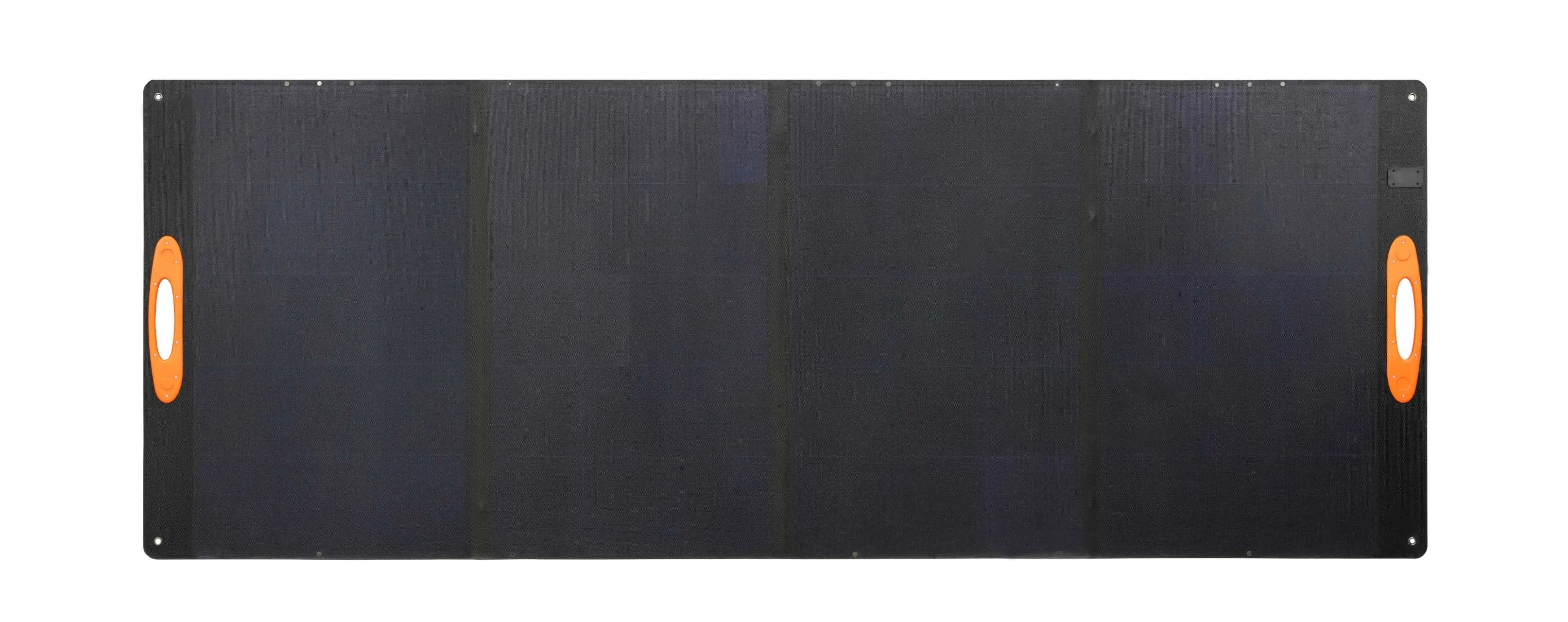
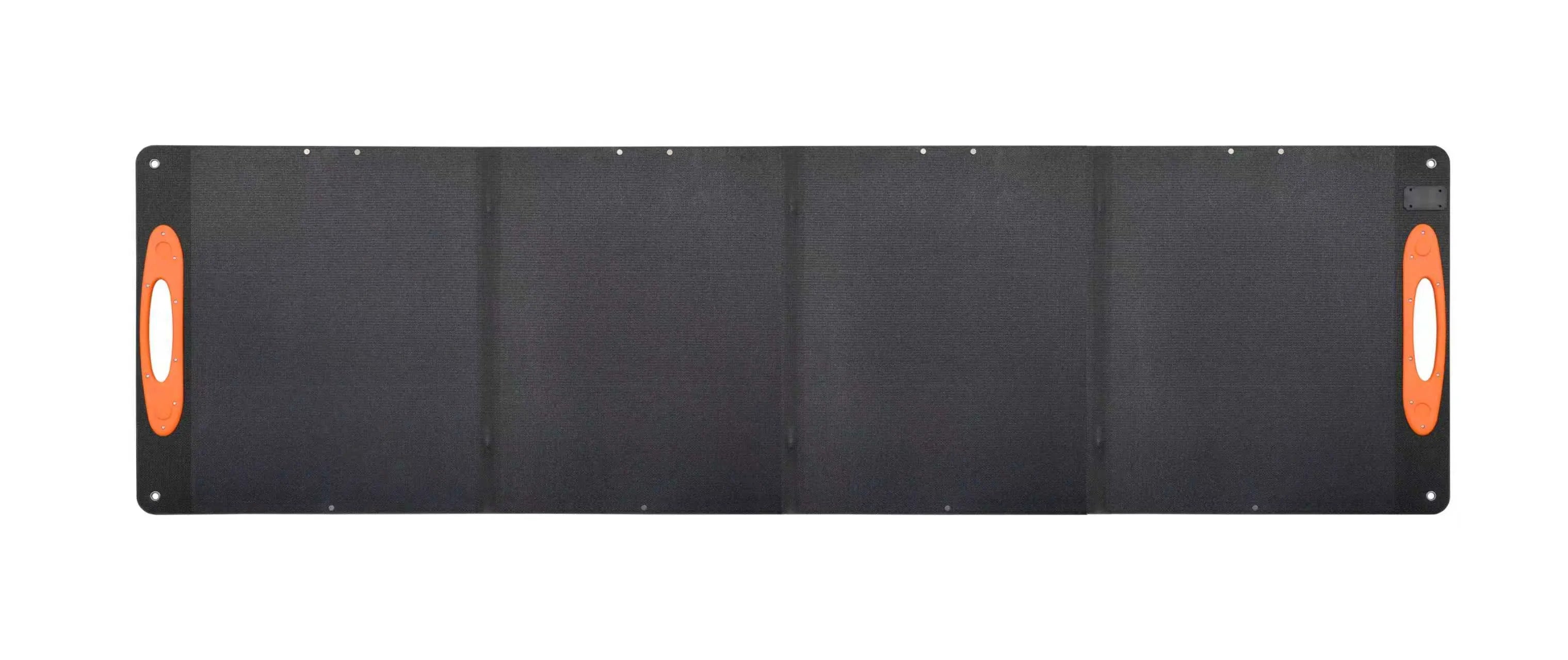
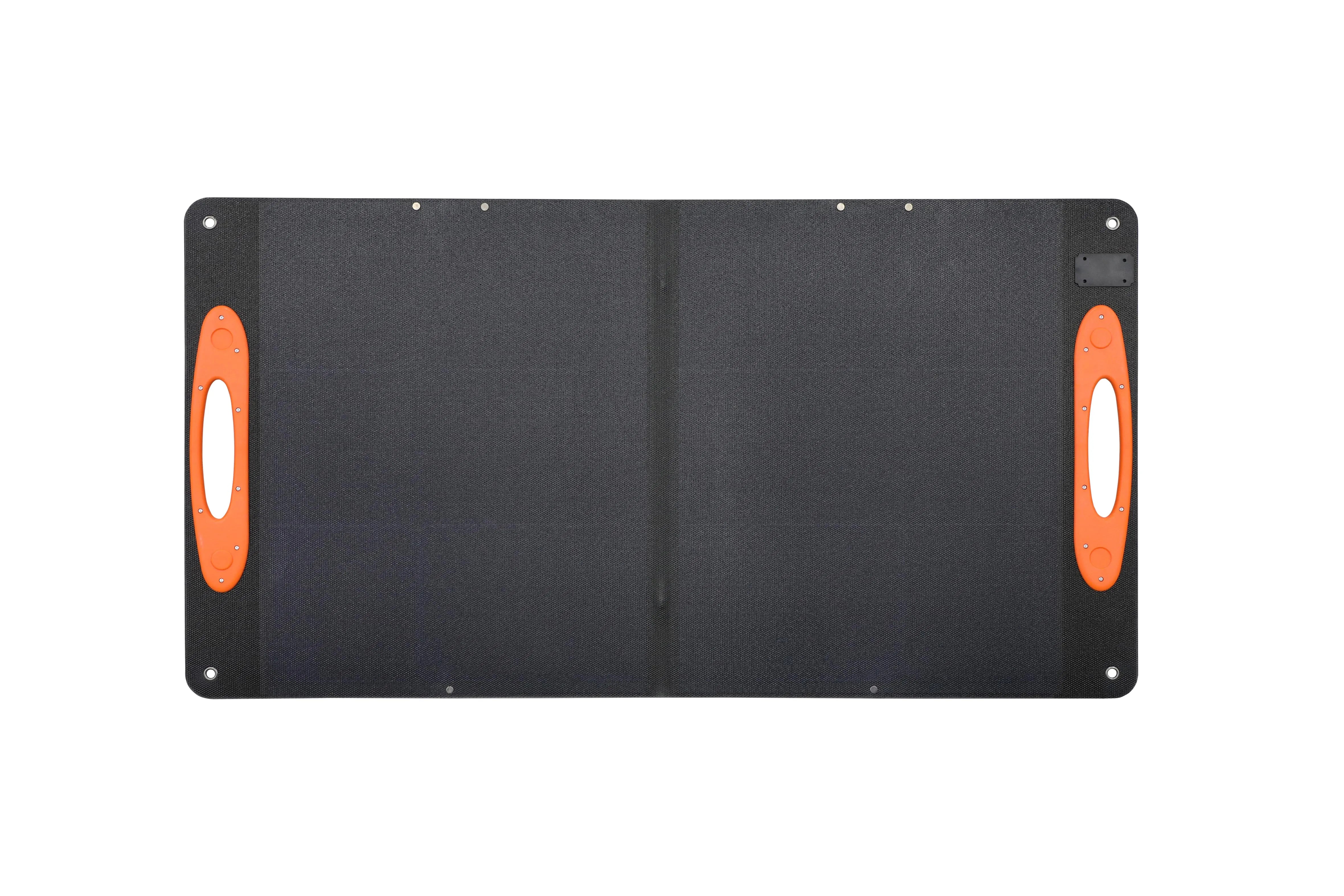
Existing merchant illustration of a folding solar panel, shown as a charging-source example
Charging-source illustration · Panel not implied included
01 / AC MAINS

Match charging to the local supply.

Confirm the current HS3605 AC input rating, charging cable and circuit requirements for the destination market. No unverified one-hour or fixed full-charge promise is used here.

02 / SOLAR

Approve the array before connection.

Request each input port’s voltage range, current limit, maximum power and polarity. Review panel Voc, Vmp, Isc and the proposed series/parallel arrangement.

03 / VEHICLE & MULTIPLE INPUTS

Check the supplied mode and adapter.

Confirm compatible vehicle charging accessories, simultaneous-input support and the total cap. Do not add separate port ratings into an assumed combined specification.

APP-ENABLED PROGRAM OPTIONS

Review the controls.
Define the experience.

Existing merchant illustration of a phone displaying a battery-management interface
Existing interface illustration · Final app and functions require confirmation

WI-FI / BLUETOOTH

Make the software scope
part of the specification.

The current HS3605 overview describes Wi-Fi and Bluetooth connectivity with app control. For an OEM program, confirm the actual app, supported functions, connectivity conditions and firmware version rather than assuming that every interface pictured is supplied.

Monitoring requirements

List the battery and operating information your users need.

Localization & interface

Review languages, branding and UI changes in the quoted scope.

Approval before rollout

Validate the selected hardware, firmware and app together.

POWER DEFINES THE LOAD. ENERGY DEFINES THE BUDGET.

Plan the watts.
Then estimate the hours.

Use 3000W as the continuous AC reference. Use 3072Wh and an explicit usable-energy assumption to start a runtime discussion.

Estimate = 3072Wh × selected assumption ÷ running load.

ILLUSTRATIVE ENERGY-BUDGET ESTIMATE5.2 hours

Not a measured runtime. Standby consumption and changing loads are not modeled separately. Actual duration depends on conversion losses, temperature, battery condition and operating mode.

Also review starting demand, voltage, individual outlet limits and installation requirements. This calculator does not establish equipment compatibility.

MODEL-SPECIFIC PROCUREMENT REFERENCE

HS3605 specifications

Keep model identity, continuous output and peak output separate. Request the approved HS3605 datasheet for the exact supplied configuration.

SpecificationHS3605 reference / procurement check
Product modeliForway HS3605 wheeled portable power station
Battery capacity3072Wh
Battery chemistryLiFePO4
Continuous AC output3000W
Peak output reference6000W; confirm peak duration, starting-load behavior and test conditions
MobilityWheels and telescopic trolley handle; plan handling for the approved supplied weight
Output familiesAC, USB and DC; confirm regional outlets, port count and individual/shared limits
Regional AC configurationConfirm destination-market voltage, frequency, plug type and outlet limits
Charging methodsAC mains, compatible vehicle charging and solar charging; confirm approved cables/adapters
AC input and charging durationRequest the current HS3605 version-specific input limit and tested charging conditions
Solar / DC input limitsConfirm each port’s voltage range, current limit, maximum power and polarity before array selection
Combined charging supportConfirm supported simultaneous-input modes and total cap; separate input ratings are not additive
App connectivityWi-Fi / Bluetooth described in current product overview; confirm supplied app, supported functions and operating requirements
Battery managementBMS protection described for overcharge, over-discharge, overtemperature and short circuit; request model-specific operating limits
Cycle-life evidenceRequest HS3605 test conditions and retained-capacity criterion; no blanket lifespan guarantee
Weight and dimensionsCurrent HS3605 datasheet required; legacy page values conflict
Ingress / impact protectionNo IP, IK, drop-height or crush-load rating claimed in this review
Standard OEM MOQ100 units; qualified trial orders subject to review

Destination-market configuration, per-port input limits, weight, dimensions and performance-test conditions must be confirmed for the supplied HS3605 version.

BUILD A CLEAR OEM / ODM BRIEF

Your market.
Your application. A reviewed configuration.

Send a practical procurement brief so the discussion can move from a general product page to a model-specific quotation.

01

Market & loads

Provide destination countries, voltage and outlet requirements, running and starting loads, operating hours, environment and forecast quantity.

02

Brand & interface

Review logo, colors, packaging, manual languages and app or firmware scope. Confirm engineering work and tooling separately.

03

Evidence & approval

Request the HS3605 datasheet, manual, market documentation and transport records. Approve the sample and written terms before production.

Standard OEM MOQ starts at 100 units; flexible trial orders may be available for qualified new brand partners.

Discuss an HS3605 OEM Program ↗

PRODUCT & PROCUREMENT ANSWERS

HS3605 FAQ

Clear answers for model selection, application planning and sample approval.

01What are the capacity and output of HS3605?

HS3605 is presented here with 3072Wh LiFePO4 energy capacity, 3000W continuous AC output and a 6000W peak reference. Peak output is not continuous output; request the approved peak duration and load-test conditions for the supplied version.

02Is HS3605 a 3600W model?

No. The HS3605 configuration used here is 3000W continuous output. It should not be specified using the output ratings of the separate HS3600 model. Use the HS3605 model and approved variant in the quotation, labeling and purchasing documentation.

03What equipment should I plan around?

Prepare a device list with running power, starting demand, operating hours, voltage and connection type. The application examples cover selected household, office, travel and professional loads, not universal compatibility or simultaneous operation of every pictured device.

04How long will HS3605 power my loads?

The planner uses 3072Wh multiplied by the selected usable-energy assumption, divided by the running load. It is an illustrative energy budget, not a measured runtime. Actual duration depends on operating mode, changing loads, conversion losses, temperature and battery condition.

05Can I connect it directly to household wiring?

Building wiring requires a compliant installation design and appropriate transfer equipment assessed by a qualified professional. Never backfeed a household outlet. This page does not promise automatic whole-home coverage or zero-interruption backup.

06Which solar panels and charging cables are suitable?

Ask for the current HS3605 input-port specification before selecting a panel array or adapter. Review voltage, cold-weather Voc, current, power, polarity and the series/parallel arrangement. Do not use another model’s solar-input limit.

07Does it support Wi-Fi and Bluetooth?

The current HS3605 product overview describes Wi-Fi and Bluetooth app connectivity. Confirm app availability, supported functions, connectivity requirements and firmware scope for the exact supplied version and destination market.

08Can it operate in rain or power medical equipment?

This review makes no weatherproof, impact, life-support or no-interruption claim. Follow the supplied environmental limits and safety instructions. Critical medical applications require a dedicated equipment-specific assessment and should not be inferred from a general backup scenario.

09What can OEM/ODM buyers customize?

Request a review of logo, color, packaging, manual languages, regional connectors and any UI or firmware requirements. Engineering changes, new tooling, app work and certification scope need written approval; they are not assumed standard inclusions.

10What is the minimum order quantity?

Standard OEM MOQ starts at 100 units; flexible trial orders may be available for qualified new brand partners. Send the destination market, selected configuration and forecast quantity for a model-specific quotation.

11Which documents should I request before ordering?

Request the approved HS3605 datasheet, operating manual, applicable market compliance records and lithium-battery transport documents. Check exact model coverage, supplied configuration, issuer and validity rather than relying on a certificate logo alone.

12How do I request an HS3605 quote?

Send the destination market, selected loads and starting demand, required operating hours, voltage/outlets, forecast quantity, branding and documentation needs. Sampling, production schedule, packaging and warranty terms are confirmed in the written quotation.

HS3605OEM / ODMGet OEM Quote ↗