


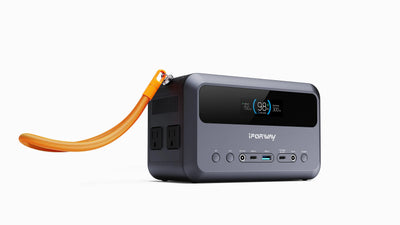
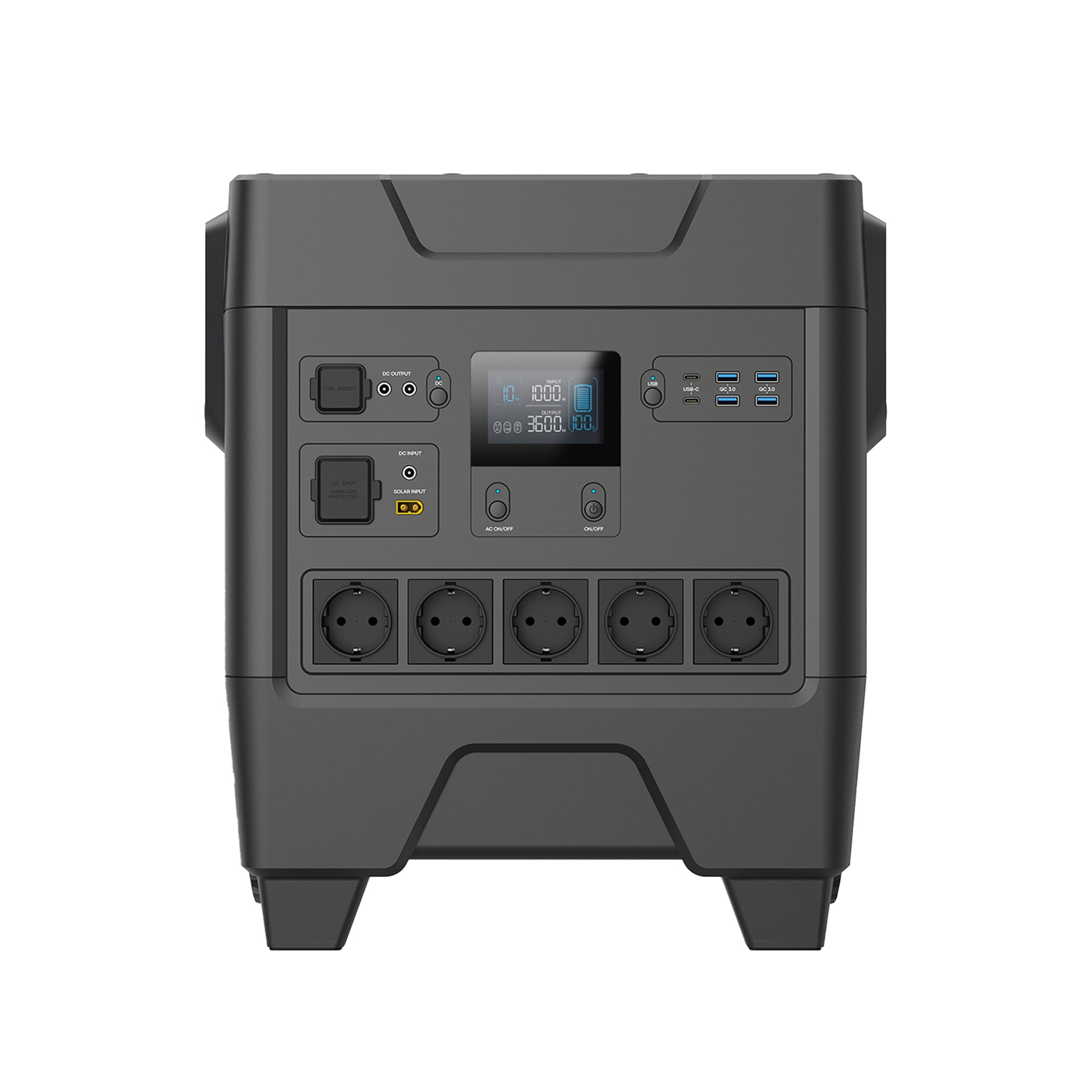
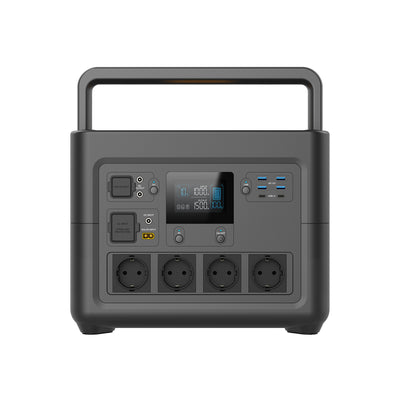
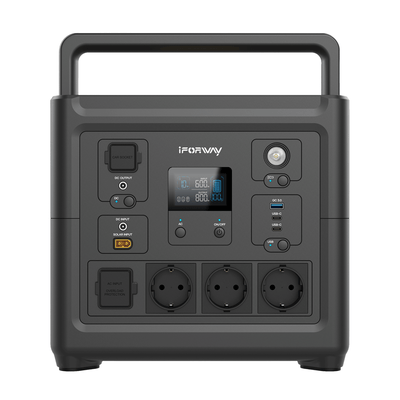
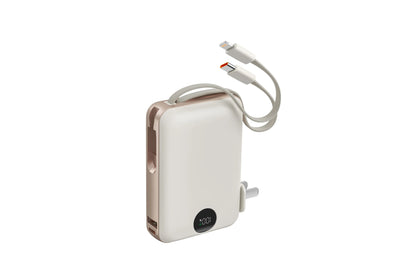
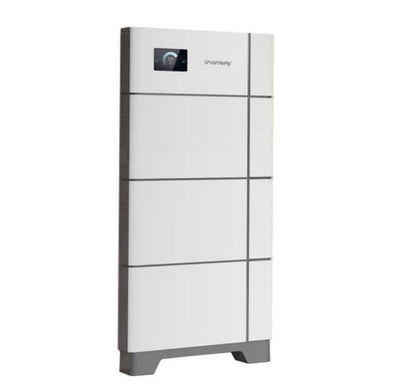
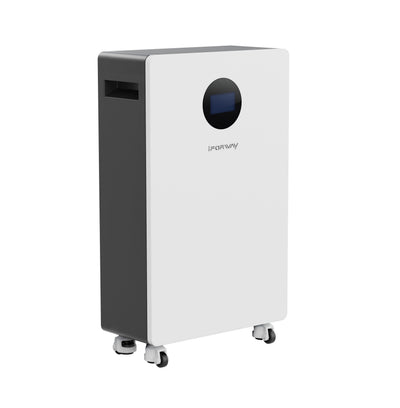
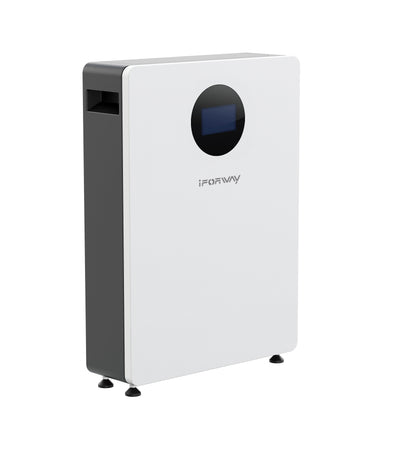

Direct answer: A private-label portable power station program lets a distributor sell a proven platform under its own brand: the factory supplies an existing, certified platform (logo, colour, packaging and firmware customized), you own the commercial relationship and the margin, and the supplier carries the engineering, tooling and production risk. Standard OEM programs in this category start at roughly 100 units per SKU, with samples in about 15 days and mass production in about 45 days on an existing platform. This playbook walks through what actually determines your unit cost, your minimum order, your certification obligations and your margin — before you sign anything.
Most distributors who fail at private labeling fail for predictable reasons: they customize too much too early, they budget for the invoice price and forget tooling, freight and compliance, or they assume a certificate logo covers every SKU they will ever buy. None of these are engineering problems. They are procurement decisions, and you can de-risk all of them at the quotation stage.
1. Private label, OEM, ODM: know what you are actually quoting
The three terms get used interchangeably in supplier marketing, but they describe very different scopes of work — and very different schedules. An existing-platform branding order and a newly engineered product have different minimums, timelines and ownership terms.
| Model | What changes | Typical MOQ | Typical timeline |
|---|---|---|---|
| Private label (platform branding) | Logo, colour, packaging, user manual on an existing, already-certified platform | From ~100 units | ~15 days samples, ~45 days production |
| OEM (light customization) | Platform changes: output ports, capacity variant, firmware/UI, accessory bundle | Quoted per change | Platform time + re-testing scope |
| ODM (new development) | New enclosure or electrical design, new tooling, new certification | Quoted per project | Months; milestone-driven |
For a first program, start at the top of that table. A platform branding order on a proven SKU lets you test your market with the supplier’s engineering risk already retired. Move down the table only after your first container proves the channel.
2. The four decisions that fix your unit cost
Battery capacity dominates cost, but it is not the only lever. Before requesting a quotation, fix these four things in writing:
- Platform and capacity point. Cell cost scales almost linearly with watt-hours, so a 1 kWh and a 3 kWh unit are different products with different freight, certification and price points. Pick the capacity your channel actually sells, not the biggest number on the spec sheet.
- Chemistry and cell grade. LiFePO4 is the default for 2026 programs: 3,000+ cycle life, thermal stability, and the certification route is well trodden. Sodium-ion is emerging for cold-climate niches but has a thinner supplier base.
- Branding scope. Logo, housing colour, packaging, manual and firmware splash screen are cheap. Custom moulds, custom battery packs and custom BMS firmware are not. Each electrical or enclosure change re-opens compliance review.
- Packaging and accessories. Retail-ready cartons, inserts, and bundled panels or cables all add cost per unit and reduce your container fill. Decide these before the quotation, not after.
3. What actually sits inside the FOB price
When you compare supplier quotations, you are mostly comparing their assumptions. Knowing the cost anatomy tells you which numbers are negotiable and which are physics. The bands below are indicative planning figures for a LiFePO4 portable power station in the 1–3 kWh class — not a quotation.
| Cost element | Indicative share of FOB | What moves it |
|---|---|---|
| LiFePO4 cells + BMS | 40–50% | Cell spot price, capacity, cycle-life spec |
| Inverter / DC-DC power stage | 15–20% | Continuous watts, surge rating, pure-sine quality |
| Enclosure, mechanics, tooling amortisation | 10–15% | Custom mould vs existing platform |
| Assembly, testing, QC | 6–9% | Test coverage, aging time, inspection level |
| Packaging and documentation | 3–5% | Retail-grade cartons, multilingual manuals |
| Certification and compliance (amortised) | 2–5% | New certificates vs reuse of platform evidence |
| Factory margin | 10–18% | Order size, payment terms, repeat business |
Two practical reads from this table: first, if a quotation is dramatically below the cells-plus-power-stage floor for the stated capacity, something in the battery spec has quietly changed. Second, tooling amortisation is why “just a small enclosure change” moves the price far more than the mould cost divided by units suggests.
4. Match the platform to your market, not to your ego
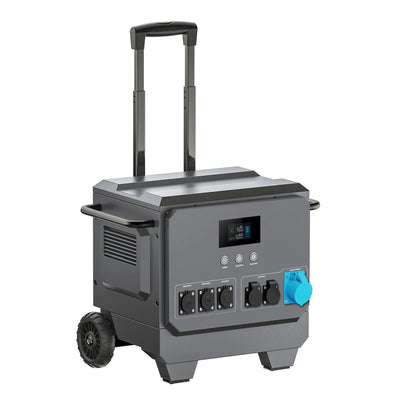
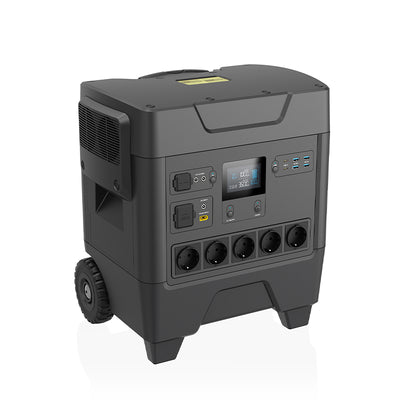
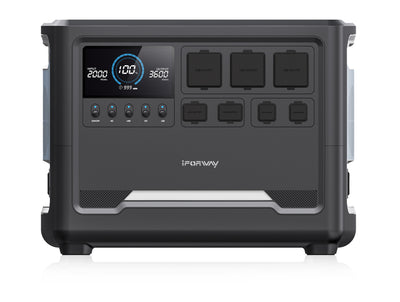
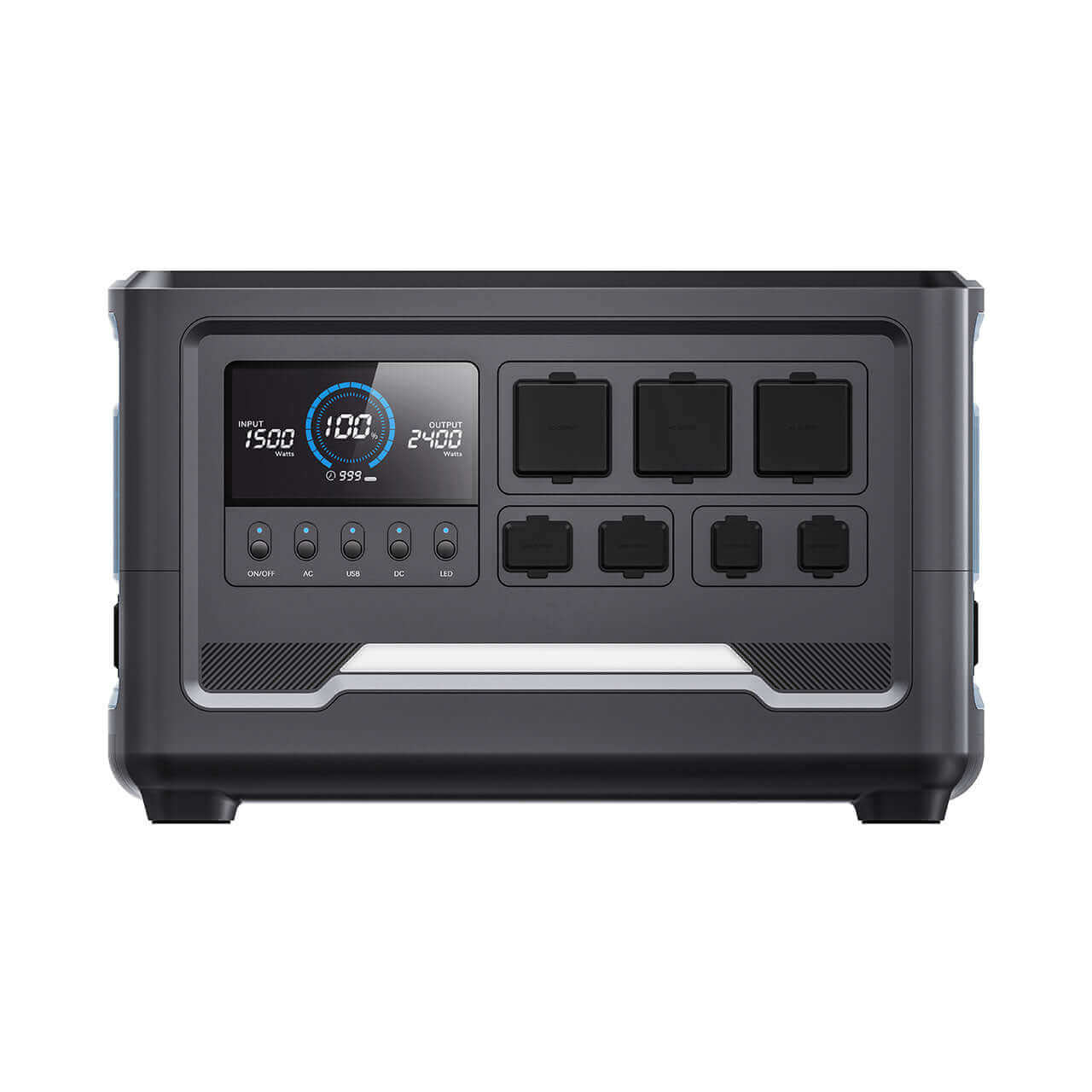
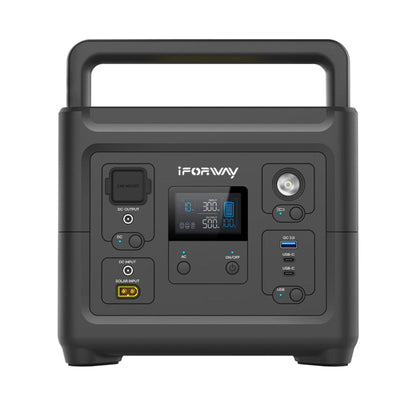
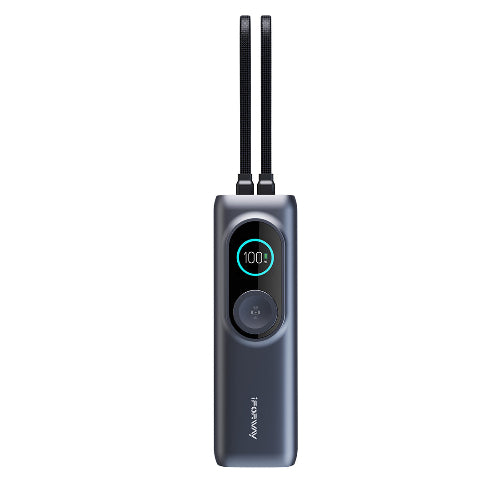
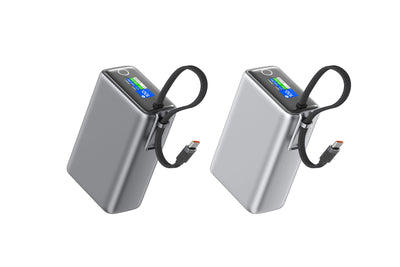
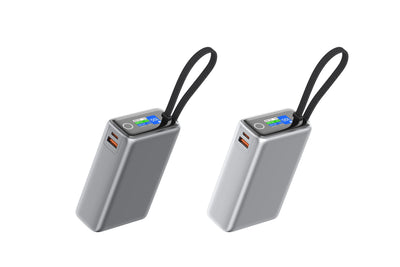
Successful distributor programs launch with a two- or three-SKU ladder — an entry unit that establishes the price point, a mid unit that carries volume, and one flagship that anchors the brand. Existing platforms that iFORWAY supplies and can brand as private label cover that ladder:
| Platform | Spec | Channel fit |
|---|---|---|
| G02 (192Wh / 300W) | Compact LiFePO4, retail-friendly price | Gifting, e-commerce entry SKU |
| M10 (1004.8Wh / 500W) / M20 (2009.6Wh / 1200W) | 1–2 kWh class | Outdoor retail, caravan accessory shelves |
| M3003 (3072Wh / 3000W, IP54) / HS3605 wheeled (3072Wh / 3000W) | 3 kWh class | Trade counters, rental fleets, site power |
| M5003 (5018Wh / 6000W, 12kW peak) | 5 kWh flagship | Contractors, emergency response, premium retail |
Anchoring the discussion to an existing platform also anchors the quotation to real evidence: the platform’s certification history, its field-failure record and its spare-parts availability are all already known.
5. MOQ, tooling and NRE: where new brands get surprised
- MOQ. iFORWAY’s standard OEM MOQ starts at 100 units per model, with flexible trial orders possible for qualified new brand partners. Confirm the minimum for your exact configuration — battery capacity, branding and packaging scope all modify it.
- Tooling and NRE. Any custom mould, jig or firmware development is usually quoted as a one-time engineering charge. Ask whether it is amortised into unit price at your stated volume, and who owns the tooling if the relationship ends.
- Sample economics. Budget for paid samples: a standard-platform sample is typically planned around 15 days after specifications and commercial terms are approved. A sample dispatch date is not a market-approval date — new testing and documentation work must be scoped separately.
- Payment and Incoterms. FOB vs DDP changes your landed-cost model and your customs exposure. Agree it in writing before the purchase order, not at the port.
6. Who owns the certification?
This is the question that separates professional buyers from optimistic ones. Compliance is model- and market-specific: a CE logo on a listing page is not a blanket approval for the SKU you are about to ship. In a private-label program, clarify in writing:
- Which documents transfer with the platform — for iFORWAY programs, product documentation typically includes CE, FCC, KC, RoHS, UN38.3, MSDS and, where applicable to the model and destination market, PSE.
- Whether your branding changes require re-review — electrical, battery, enclosure, radio, charger and labeling changes may all trigger a documentation check before production.
- Who is the importer of record — that party owns the market-side obligations in the EU, UK and most other jurisdictions, regardless of whose certificate it is.
Request model-matched evidence through the quotation stage; the certification and documentation page explains how the evidence set is scoped per model and market.
7. Freight math: lithium batteries are dangerous goods
Portable power stations ship as Class 9 dangerous goods under UN38.3, which affects freight cost, container fill and documentation more than most first-time importers expect. Plan for DG declarations, state-of-charge limits for air freight (most programs ship sea freight for exactly this reason), and pallet-level packaging that protects both the units and the certification labeling. A 40-foot container of 2 kWh-class units typically lands in the low hundreds of units per load — ask your supplier for the exact loading plan per model before you build your launch forecast.
8. The distributor margin model
Work the program backward from your channel price, not forward from the factory invoice. The bands below are planning heuristics for the European outdoor/trade channel — substitute your own numbers at quotation:
| Line | Planning band | Notes |
|---|---|---|
| Landed cost vs FOB | FOB + 8–15% | Sea freight, DG surcharge, duty per destination |
| Retail-channel sell price | 1.8–2.3× landed | Supports retail margin + promotion reserves |
| B2B / project sell price | 1.4–1.6× landed | Higher volume, lower touch |
| Warranty reserve | 1–2% of revenue | Against a 2-year wholesale warranty |
The two numbers distributors forget most often are the warranty reserve and the cost of holding the second container of inventory. Both belong in the model before the first purchase order.
9. A realistic 12-week launch timeline
| Week | Milestone |
|---|---|
| 0 | Project brief: market, models, quantities, branding scope, evidence requirements |
| 1–2 | Feasibility review and written quotation (price, MOQ, scope, schedule) |
| 2–4 | Standard-platform sample (~15 days) and functional evaluation |
| 4–6 | Sample approval, documentation review, artwork and packaging sign-off |
| 6–11 | Purchase order and mass production (~45 days on standard platform) |
| 11–12 | Inspection, shipment documents, container loading |
New tooling, firmware development or additional certification work extends this schedule — agree the milestones in the quotation, not after it. A full walk-through of the stages and approval gates is on the OEM/ODM process page.
10. Seven questions to ask any supplier before you sign
- Which exact platform is the quotation based on, and what is its field-failure history?
- What is the MOQ for my configuration — and is there a trial-order path for a first container?
- Which certificates transfer with the platform, and which of my branding changes trigger re-review?
- Who owns the tooling and the firmware after the relationship ends?
- What is the warranty term on wholesale orders, and how does the RMA and spare-parts process work?
- What is the exact container loading plan for my SKU mix?
- What does the production schedule look like if I reorder every 60–90 days?
FAQ
What MOQ should I budget for a private-label power station?
Plan around 100 units per model as the standard OEM starting point, with flexible trial orders possible for qualified new brand partners. The minimum for your specific battery configuration, branding and packaging scope is confirmed in the written quotation — always ask for the per-model number rather than assuming a site-wide figure.
How long does it take from brief to first shipment?
On an existing platform: roughly 15 days for samples and roughly 45 days for mass production after specifications and commercial terms are approved — about 12 weeks end to end including artwork, inspection and shipment documents. New tooling, engineering changes, testing and certification work extend the timeline and should be scoped and scheduled separately.
Who owns the certification for a private-label product?
Evidence is model- and market-specific, and ownership terms should be agreed in writing before production. Request the model-matched document set (CE, FCC, KC, RoHS, UN38.3, MSDS, PSE where applicable), flag any electrical, enclosure, charger or labeling changes for review, and clarify who acts as importer of record in your market.
Ready to scope your program? iFORWAY (3A Technology Co., Ltd.) has manufactured portable power stations since 2006, exports to 60+ countries, and runs ISO 9001- and BSCI-certified production across 4 lines — with standard OEM programs from 100 units, ~15-day samples and ~45-day mass production. Apply as a distributor, review the factory capabilities for OEM/ODM buyers, or send your project brief through the request-for-quote form and get a written price, MOQ and schedule for your configuration.
