

Here is a camping scene you have probably lived: you load the cooler with ice on Friday morning, and by Saturday afternoon you are drinking warm water and throwing away food you paid good money for. A 12V compressor fridge solves the problem — until you realize it needs a power source that does not exist at a forest campsite. That is where a power station for a camping fridge earns its place in your kit.
But "just buy a big one" is expensive advice. A compressor fridge is a deceptively demanding load: it draws modest wattage, but it draws it continuously, 24 hours a day, and it is far hungrier than a phone or a laptop. This guide walks through the real runtime math, shows you exactly how to size a battery for your fridge, and covers the solar top-up strategy that lets you stay out for a week at a time.
Why a Camping Fridge Is Not Like Other Loads
Most camping gadgets are what engineers call intermittent loads. You charge a drone, you run a light for three hours, you top up a laptop — then you unplug. A compressor fridge never stops. Its thermostat cycles on and off all night, every night, whether you are awake or asleep.
This changes the sizing logic completely:
- Phone (20Wh battery, daily): about 20–30Wh per day. Trivial.
- Laptop (60Wh battery, 2 full charges): about 120Wh per day. Still small.
- 12V compressor fridge (40–60W compressor): typically 300–700Wh per day in warm weather. This is the entire conversation.
A single fridge can consume more energy in one camping weekend than everything else you own combined. Get this one load right and the rest of your power planning becomes easy.
How Much Power Does a Camping Fridge Actually Use?
The number printed on the box — "45W" — is the compressor's draw while running. It is not the fridge's daily consumption. In real conditions a compressor runs roughly 30–50% of the time, because the thermostat switches it off once the target temperature is reached.
The variable that matters most is ambient temperature. A fridge fighting 32°C heat runs far more than the same fridge in 18°C mountain air. Here is a realistic picture:
| Fridge Size | Typical Draw | Daily Use (cool, ~20°C) | Daily Use (hot, ~32°C) |
|---|---|---|---|
| Small 20–30L | ~35–45W | 250–350Wh | 400–550Wh |
| Mid 40–50L | ~45–55W | 350–500Wh | 550–750Wh |
| Large 60–80L dual-zone | ~55–75W | 500–700Wh | 800–1,100Wh |
These are planning figures, not laboratory guarantees. Pre-chilling the fridge at home on mains power and keeping it in shade can cut your daily consumption by 30% or more.
The Sizing Formula That Actually Works
Forget guesswork. Use this three-step method:
- Estimate daily consumption — pick the row from the table above that matches your fridge and climate.
- Multiply by your trip length — a 3-day trip with a mid-size fridge in summer means roughly 550Wh × 3 = 1,650Wh total.
- Add a 20–25% buffer — no power station delivers 100% of its rated capacity at 100% inverter efficiency, and cold nights or a hot afternoon will push consumption up. 1,650Wh × 1.2 ≈ 2,000Wh.
That is the honest answer: a multi-day off-grid trip with a real compressor fridge in summer calls for a genuine 2kWh-class power station, not a 500Wh "camping battery."
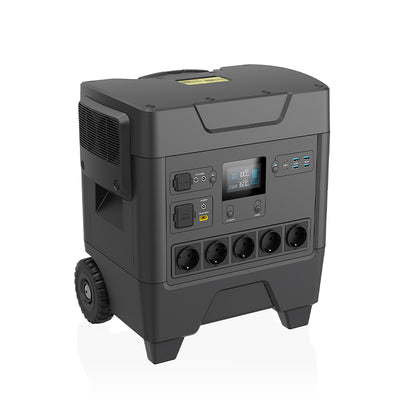
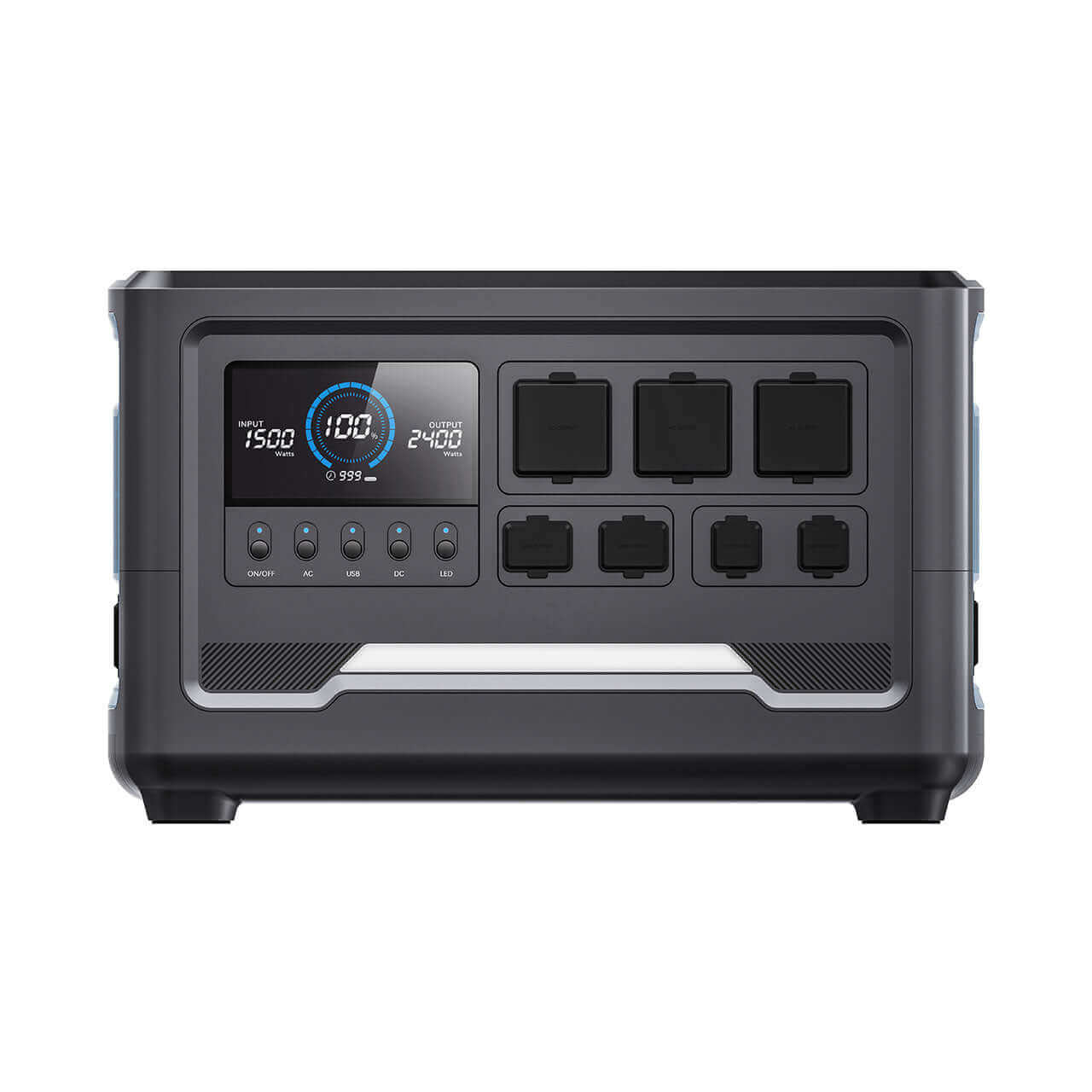
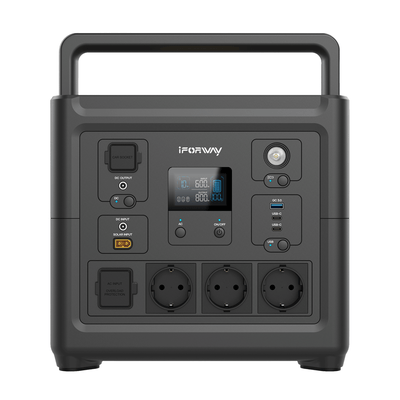
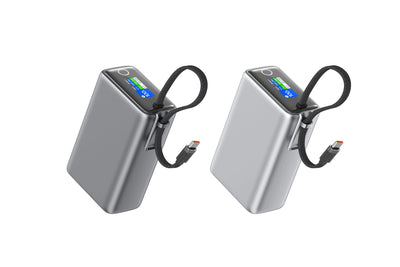
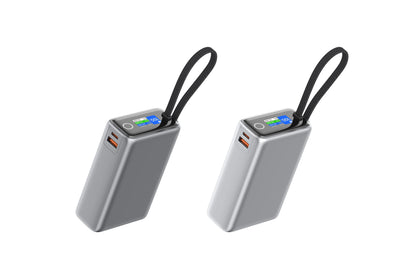
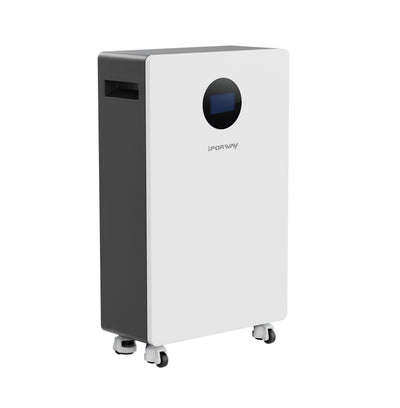
For shorter trips the math is far friendlier. A weekend with a small fridge in mild weather needs roughly 400Wh per day, so a 1,000Wh station covers two nights comfortably with buffer left over — which is exactly the role the iFORWAY HS1800 portable power station is designed for.
Matching Capacity to Your Trip
| Trip Type | Fridge | Recommended Capacity |
|---|---|---|
| Overnight / tailgate | 20–30L | 500–700Wh |
| Weekend (2–3 nights), mild | 30–50L | 1,000–1,500Wh |
| Week-long trip, summer | 40–50L | 2,000–2,500Wh + solar |
| Full-time van life / dual-zone | 60–80L | 2,500Wh+ with permanent solar |
| Overlanding with frozen goods | Dual-zone, freezer mode | 2,500Wh+ and aggressive solar |
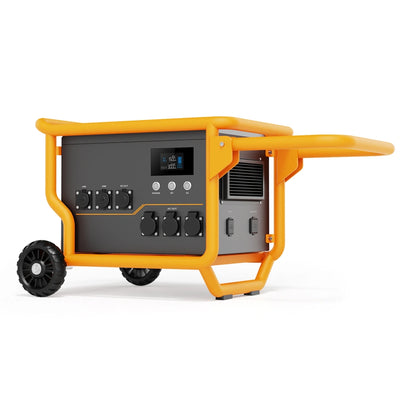
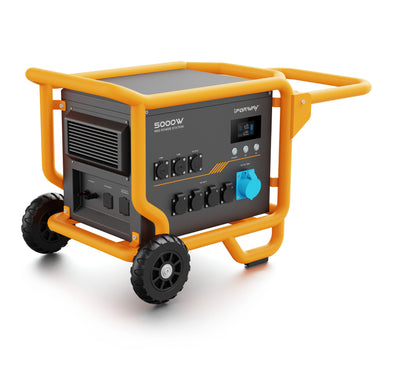
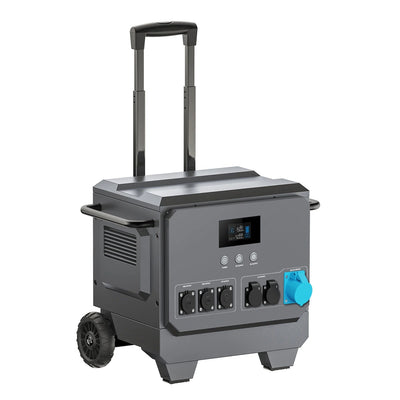
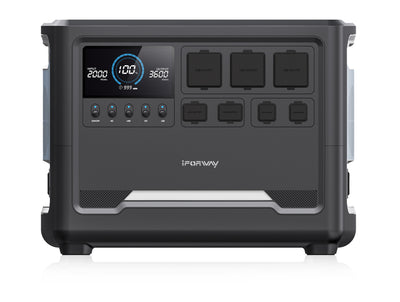
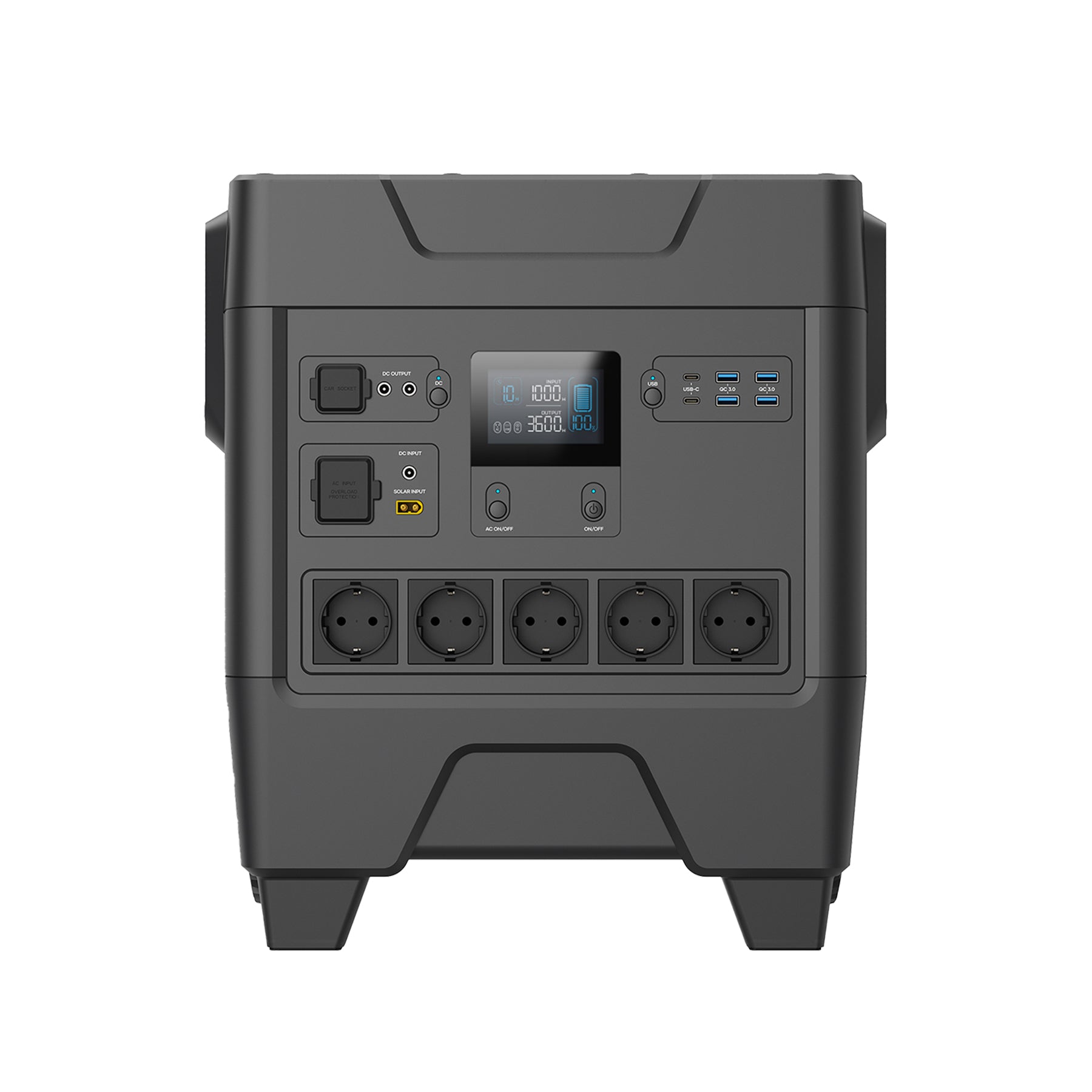
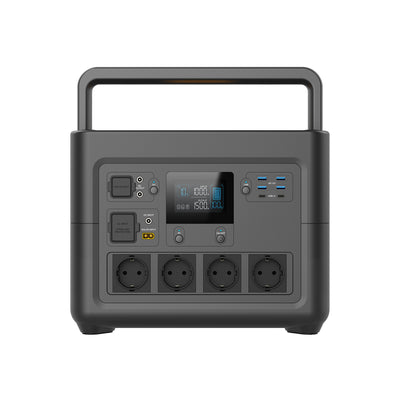
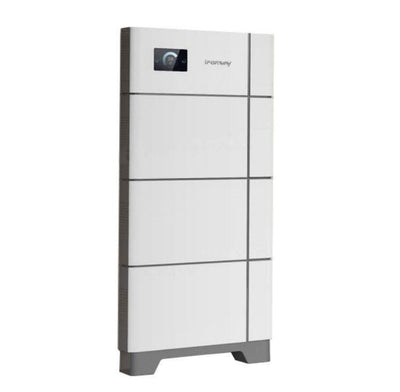
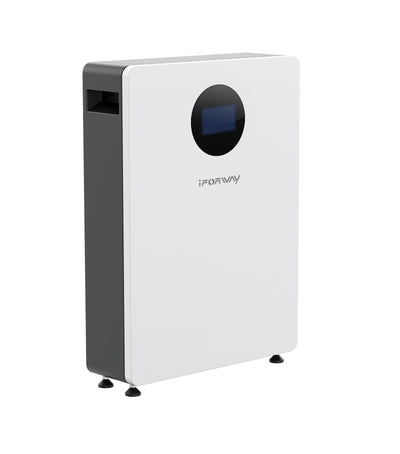
For the upper rows, a high-capacity unit such as the iFORWAY HS3600 portable power station is the sensible spec — it carries enough energy to run a mid-size fridge through a long summer weekend without any solar input at all, and its LiFePO4 cells handle deep daily cycling without the aggressive capacity fade that older battery types suffer.
Solar Top-Up: How to Stay Out Indefinitely
Battery capacity determines how long you can stay out without sun. Solar determines how long you can stay out in total. If your fridge eats 550Wh per day and your panel array harvests 600Wh per day, your battery stops being a countdown timer and becomes a buffer.
Realistic solar harvest in summer, with panels aimed at the sun and no shade:
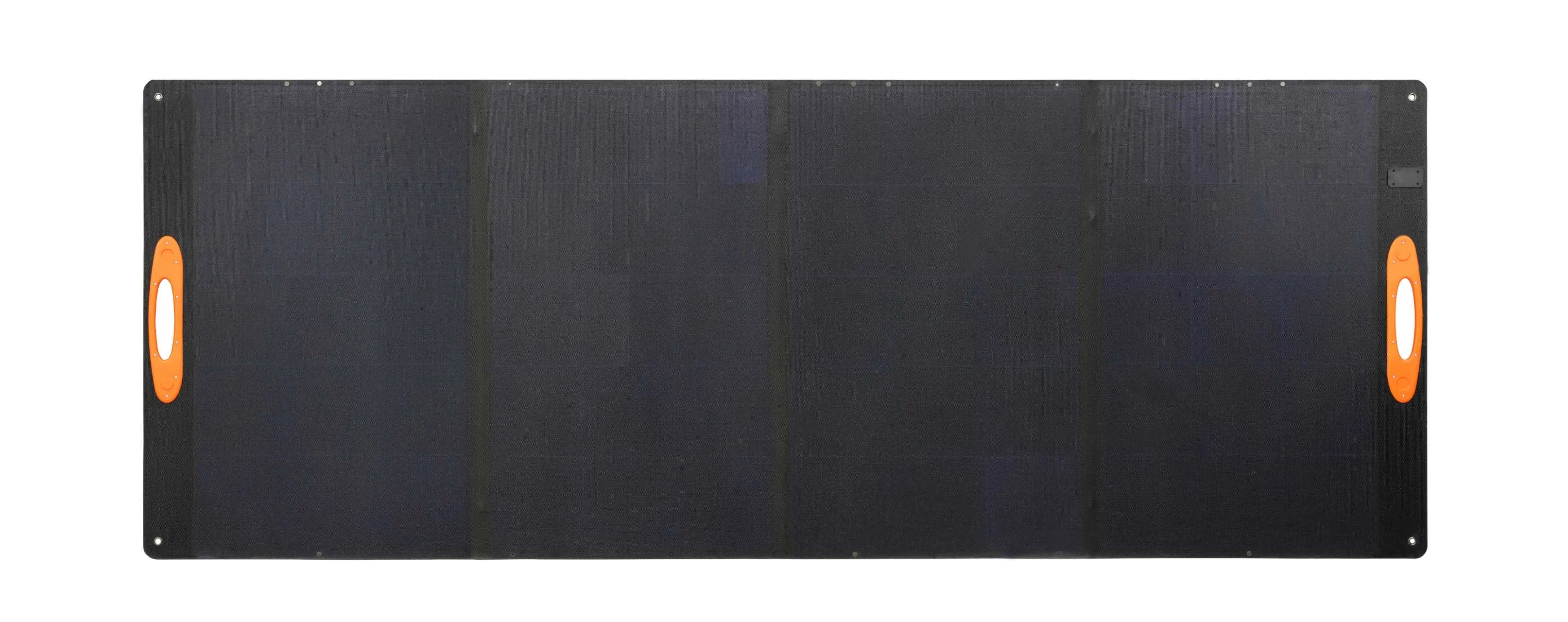
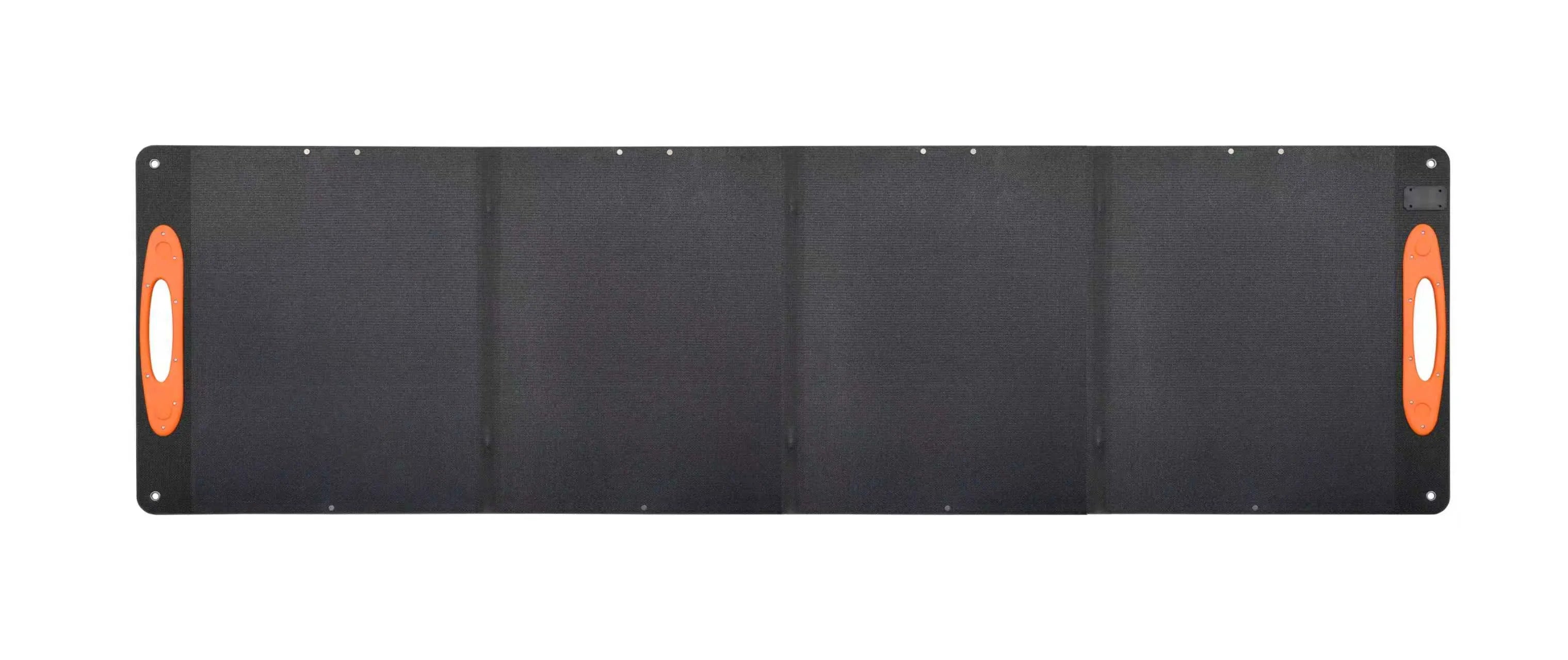
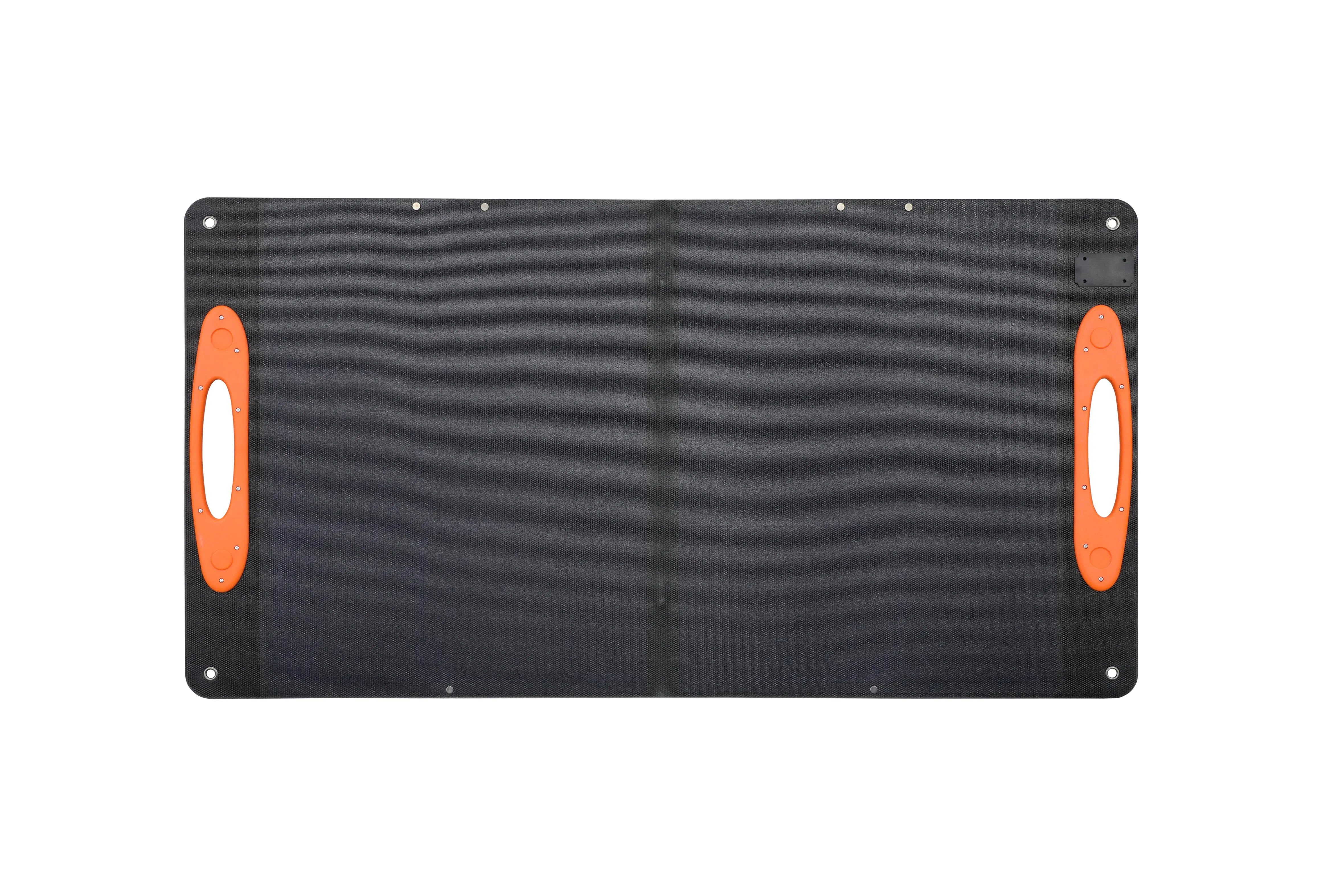
- 200W panel: roughly 700–900Wh/day in good conditions — enough to fully offset a small-to-mid fridge.
- 400W of panels: roughly 1,400–1,800Wh/day — comfortably offsets a mid-size fridge with margin to spare for lights, phones, and a laptop.
- 600W+: required for dual-zone or freezer duty in hot climates.
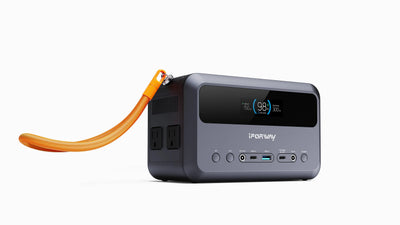
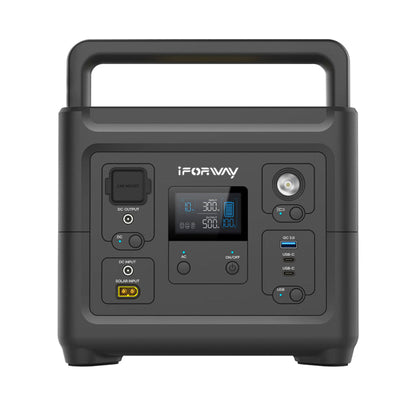
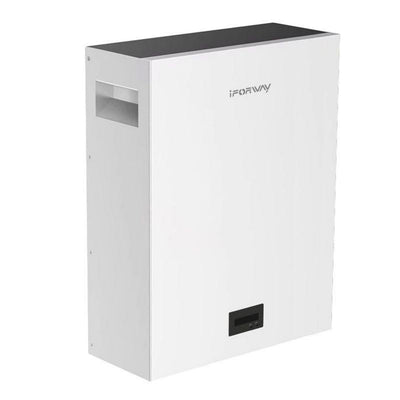
Two honest caveats. First, rated panel wattage is a laboratory figure; expect 60–75% of it in real camping conditions, less under cloud or tree cover. Second, if you charge only via solar you must park in the open — a fridge in deep shade saves consumption but starves your panels. The practical compromise is an hour or two of direct sun plus a battery large enough to absorb it. If your base camp runs on a compact unit, the iFORWAY G02 portable power station pairs naturally with a single 100–200W panel for fridge-only duty.
Portable Fridge vs Cooler: The Real Comparison
| Factor | Ice Cooler | 12V Compressor Fridge |
|---|---|---|
| Ice needed | Yes — every 1–2 days | None |
| Food safety | Degrades as ice melts | Consistent temperature control |
| Weight (loaded) | Heavy — ice is dead weight | Light — no ice to carry |
| Can freeze? | No | Yes, with dual-zone models |
| Ongoing cost | Ice, spoiled food, water damage | Electricity only |
| Requires power source | No | Yes — this is the trade-off |
The ice cooler wins on simplicity and upfront cost. The compressor fridge wins on everything else, as long as you solve the power question. Over a few seasons the cost of ice and discarded food typically pays for the power station outright.
Practical Tips That Cut Fridge Power Draw
- Pre-chill on mains power. Load the fridge with already-cold food and drinks before you leave. Starting from cold rather than from ambient can save 20–30% on day one alone.
- Keep it out of direct sun. Ambient temperature is the single biggest driver of duty cycle. A shaded fridge can use a third less energy than a sun-baked one.
- Fill the empty space. A full fridge holds cold better than an empty one — pack bottles of water into gaps.
- Open it rarely and briefly. Every open lid dumps cold air and forces a compressor cycle.
- Use the low-voltage cut-off. Most fridges let you set a cut-off voltage; on a power station, run the fridge on AC or a regulated 12V DC output so the fridge never misreads battery voltage and shuts down early.
- Set the fridge to 4°C, not 1°C. Food safety needs 4°C. Cooling below that burns energy for no benefit unless you are actively freezing.
Charging Strategy on the Road
Refilling a 2kWh station is the second half of the problem. A few practical routes:
- AC at the campsite or a friend's garage: the fastest option. High-output stations can refill to 80% in around an hour on mains, which means a single lunch stop can reset your whole power budget.
- Solar while parked: silent, free, and ideal for base camps where you stay put for days.
- Car DC (12V socket): slow — typically 100–120W — but genuinely useful for topping up during long driving days.
- Simultaneous input: many modern stations accept solar and AC or solar and DC at the same time, which meaningfully shortens a full recharge — the HS3600's dual-input charging, for instance, refills dramatically faster than solar alone.
Do You Need a Special "Fridge-Ready" Power Station?
Not strictly, but a few features matter more than marketing labels:
- Pure sine wave AC output. Non-negotiable. Modified sine wave can cause compressor motors to run hot, buzz, or fail prematurely.
- Capacity headroom. Running a station near 100% depth of discharge nightly accelerates wear. Aim to use 60–80% of rated capacity per day.
- LiFePO4 cells. Thousands of cycles and stable performance under daily deep discharge — exactly the duty pattern a fridge imposes.
- Pass-through / UPS-style charging. Lets the station charge from mains while powering the fridge, so camp-site power goes straight to the load.
- Regulated DC output. Keeps a 12V fridge from misjudging state of charge and cutting out early.
If you are sourcing fridges and power stations together for a brand or retail program, matching these specifications at the manufacturing stage pays off. iFORWAY's OEM/ODM program builds capacity, output, and DC behavior to spec rather than off a fixed catalog.
Frequently Asked Questions
How many watt-hours do I need to run a camping fridge overnight?
Overnight (roughly 10 hours) a mid-size 40–50L compressor fridge will consume about 200–350Wh in mild weather and 300–500Wh in hot conditions, because nighttime ambient temperatures are lower and the compressor cycles less. If your station already has 700–1,000Wh of usable capacity when you park, you will wake up with the fridge still cold and battery left over for coffee.
Can I run a 12V camping fridge directly from a portable power station?
Yes, and on many stations a 12V DC output is actually more efficient than going through the AC inverter, because you skip a conversion step. Check that your station's DC port supplies enough continuous amperage for your fridge (typically 5–10A) and use a regulated output if one is available. AC output also works fine — just make sure it is pure sine wave.
Will a 1,000Wh power station run a fridge all weekend?
Usually yes, for a small-to-mid fridge in moderate weather. A 30–40L fridge drawing about 400Wh per day leaves you comfortable through two full days on a 1,000Wh station with roughly 20% buffer — and more if you pre-chilled the fridge and keep it shaded. For larger fridges, hot climates, or trips beyond three days, step up to the 2kWh class or add solar.
The Bottom Line
A power station for a camping fridge comes down to one honest calculation: your fridge's daily watt-hours, multiplied by your days off-grid, plus a 20–25% buffer. Get that number and the product decision makes itself — 500–700Wh for overnight trips, 1,000–1,500Wh for weekends, and 2kWh or more once you are talking about a week or a full-time van build.
iFORWAY builds LiFePO4 power stations across that entire range, with pure sine wave output, regulated DC ports, and fast multi-input charging — clean power designed for the one load that never switches off. Whether you are outfitting a single vehicle or developing a camping power product line for your own brand, request a quote and our engineers will help you spec the right capacity for your fridge, your climate, and your trip length.
