



Direct answer: In 2026, a solar-only rooftop system typically pays for itself in 7–12 years across Germany, Poland and the UK — but the payback for the battery depends almost entirely on one ratio: how much of the stored energy you consume yourself instead of exporting it. With export tariffs at only 8–12 ct/kWh in Germany, ~20% of retail price in Poland, and 5–15 p/kWh in the UK, every kilowatt-hour you store and use yourself is worth 2.5–4 times more than the same kWh exported. Run the numbers below with your own tariffs before buying: storage pays back fastest where export compensation is lowest and retail prices are highest — which, in 2026, describes all three countries.
Ask three installers for a payback estimate and you'll get three different answers, none of them wrong. That's because solar-plus-storage payback isn't a single number — it's the interaction of three tariffs that change by country, by supplier, and even by hour of the day. This guide gives you the 2026 numbers for Germany, Poland and the UK, one worked example for each, and the strategy (value stacking) that separates a battery that pays back in 8 years from one that takes 15.
The Three Numbers That Decide Any Payback
Every payback calculation reduces to three inputs:
- Your retail electricity price — what you pay per kWh from the grid. Every self-consumed solar kWh avoids this cost.
- Your export rate — what the grid pays you for surplus solar. Every stored-and-used-later kWh converts a low-value export into a high-value avoidance.
- Your self-consumption ratio — the share of your solar production you use on-site. Without storage, a typical working household uses only 25–35% of its solar; with a right-sized battery, 60–80% is realistic.
The value of storage is simply the gap between numbers 1 and 2, multiplied by how many kWh the battery shifts per year. Big gap, many cycles → fast payback.
2026 Snapshot: Three Countries, Three Very Different Grids
| Country | Retail household price (2026, incl. taxes) | Export compensation | Value of one shifted kWh |
|---|---|---|---|
| Germany | ~€0.36–0.42/kWh (Eurostat H1 2026: among the EU's highest) | EEG feed-in 7.70 ct/kWh (surplus, ≤10 kW, commissioned Aug–Dec 2026, Bundesnetzagentur) | ~€0.29–0.34 |
| Poland | ~€0.30–0.33/kWh (rising ~11% year-on-year) | Net billing since Apr 2024: export sold at hourly market price, roughly 20% of retail | ~€0.24–0.27 |
| UK | ~£0.27–0.32/kWh (Ofgem price cap) | Smart Export Guarantee: supplier-set, typically 5–15 p/kWh (best open fixed rates ~13 p) | ~£0.14–0.20 |
Three structural points worth noting in 2026: Germany charges 0% VAT on solar modules, storage and installation for systems up to 30 kWp; the UK keeps 0% VAT on solar and batteries until 31 March 2027; and the Netherlands ends net metering on 1 January 2027 — pushing Dutch households into exactly the storage economics described here. Poland's net-billing regime is the harshest for exporting (market-price compensation with no premium), which makes storage nearly mandatory for any new Polish installation that wants real savings.
Worked Example 1: Germany
Assume a 4 kWp rooftop system producing ~3,800 kWh/year for a household consuming 4,000 kWh/year, with a 10 kWh battery costing about €7,000–8,500 installed (after 0% VAT).
- Without the battery: ~30% self-consumption = 1,140 kWh used on-site; 2,660 kWh exported at 7.7 ct ≈ €205/yr.
- With the battery: ~65% self-consumption = 2,470 kWh used on-site. The extra ~1,330 shifted kWh saves (41 − 7.7) ≈ 33 ct each → ~€440/yr.
- Add evening arbitrage on dynamic tariffs and small grid fees avoided, and realistic annual benefit lands around €550–650.
That gives a battery-only payback of roughly 12–15 years — longer than the panel system's 8–10 years, and honest math matters here: in Germany at 2026 battery prices, energy savings alone rarely justify a home battery. What closes the gap is stacking additional value (below). For buyers sizing a system today, right-sizing matters more than adding capacity — an oversized battery cycles less and pays back slower.
Worked Example 2: Poland
Poland's net billing pays exporters roughly the hourly wholesale price — about 20% of what you pay to buy the same energy back. A 5 kWp system with 10 kWh of storage:
- Exported surplus earns ~6 ct/kWh; every kWh stored and used in the evening saves the full ~31 ct retail price.
- Shifting ~1,200 kWh/year from export to self-consumption is worth ~€300/yr; add protection against the ~11% annual tariff increases, which raise the value of every avoided kWh going forward.
- With lower installed costs than Western Europe (and periodic national subsidy rounds such as Mój Prąd, which have historically supported storage — verify the current round before you count on it), Polish battery payback lands around 8–12 years, and the case strengthens each time tariffs rise.
Worked Example 3: United Kingdom
The UK is the interesting one, because smart tariffs change the equation. With an Octopus-style import tariff (cheap overnight window) and a 10 kWh battery:
- Arbitrage: charge 10 kWh overnight at ~8–10 p, discharge in the 4–8 pm peak at ~30 p → ~£0.20–0.22 per kWh cycled. At 300 cycles/year: ~£600–660/yr — even with modest solar.
- SEG export: surplus solar on the best open fixed tariffs (~13 p) adds £100–300/yr for a typical 4 kWp system.
- Against a £5,000–7,000 battery install, that's a 7–10 year payback — better than Germany's, and it works even in the UK's cloudier yield. The 0% VAT window until March 2027 effectively discounts the install by the VAT rate on day one.
Why Value Stacking Beats Pure Arbitrage
The examples above expose the weak point of every battery-payback spreadsheet: it counts only energy arbitrage. But a battery that sits in your garage 23 hours a day is an underused asset. The fix is value stacking — one battery, several jobs:
| Role | Fixed home battery | Expandable / wheeled portable system |
|---|---|---|
| Solar self-consumption & TOU arbitrage | ✅ Core job | ✅ Yes (grid or solar charging) |
| Outage backup for fridge, router, heating support | ✅ If configured | ✅ Plug-and-play, no electrician |
| Job site / workshop power (tools, saws) | ❌ | ✅ 3,000–6,000 W inverters |
| Camping, RV and events (summer surplus hours) | ❌ | ✅ Moveable by design |
| Permits / installation | Electrician, grid notification | None — plug in and go |
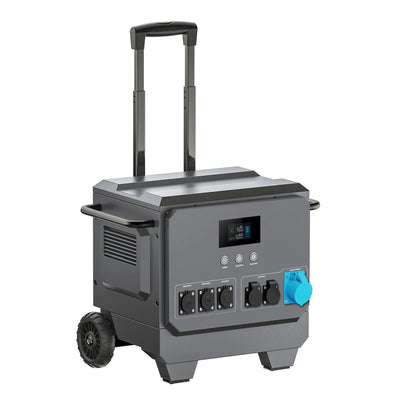
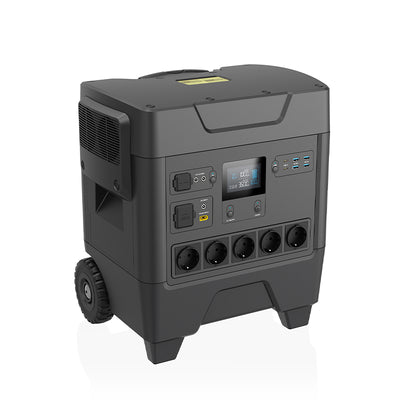
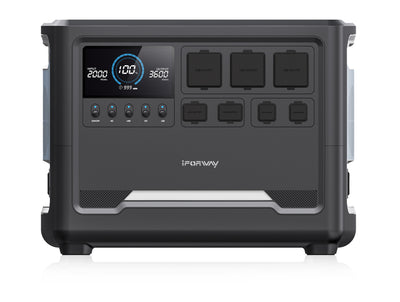
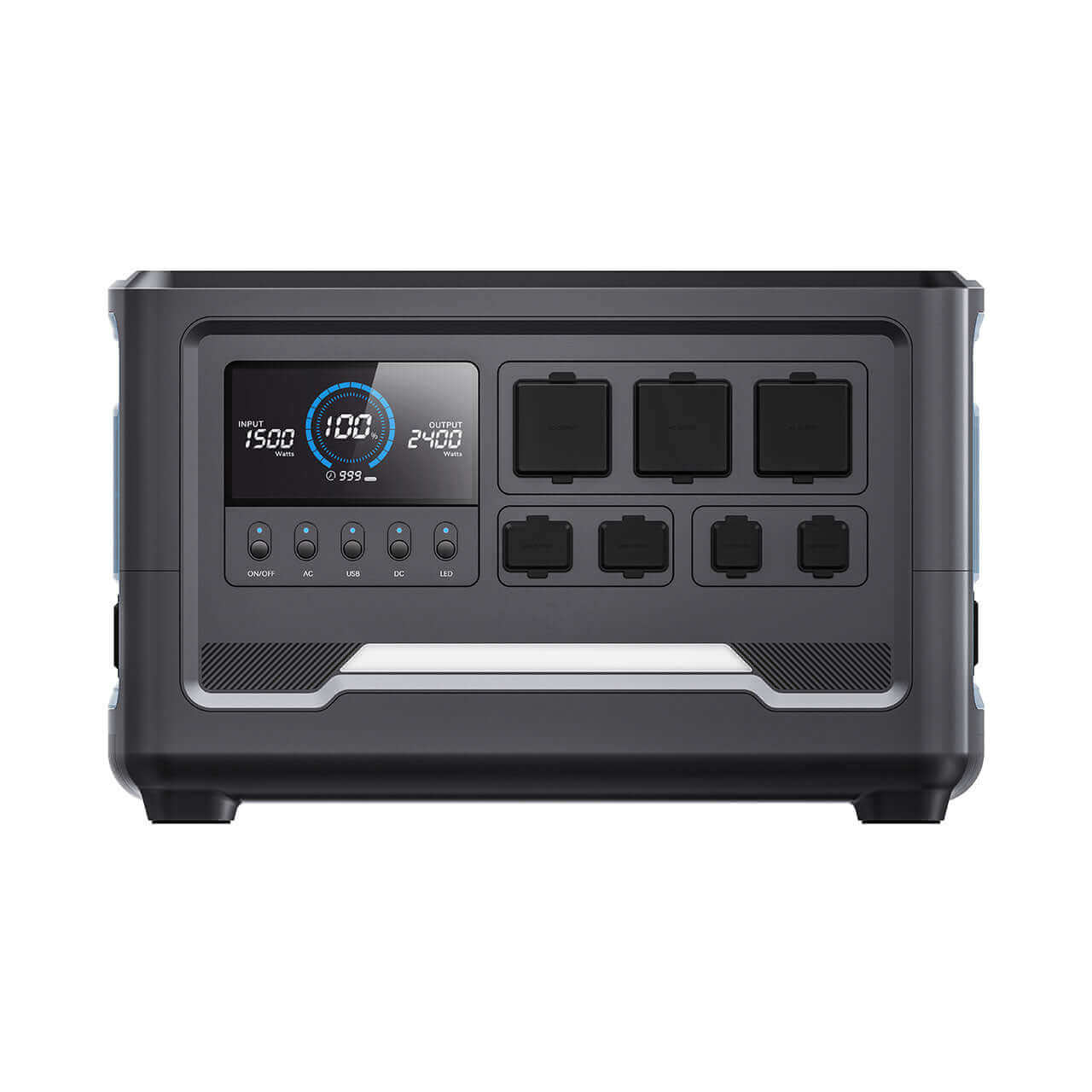
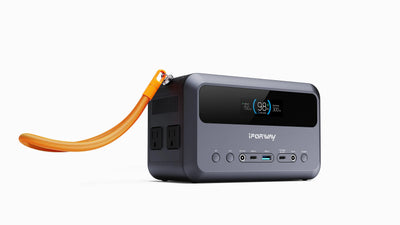
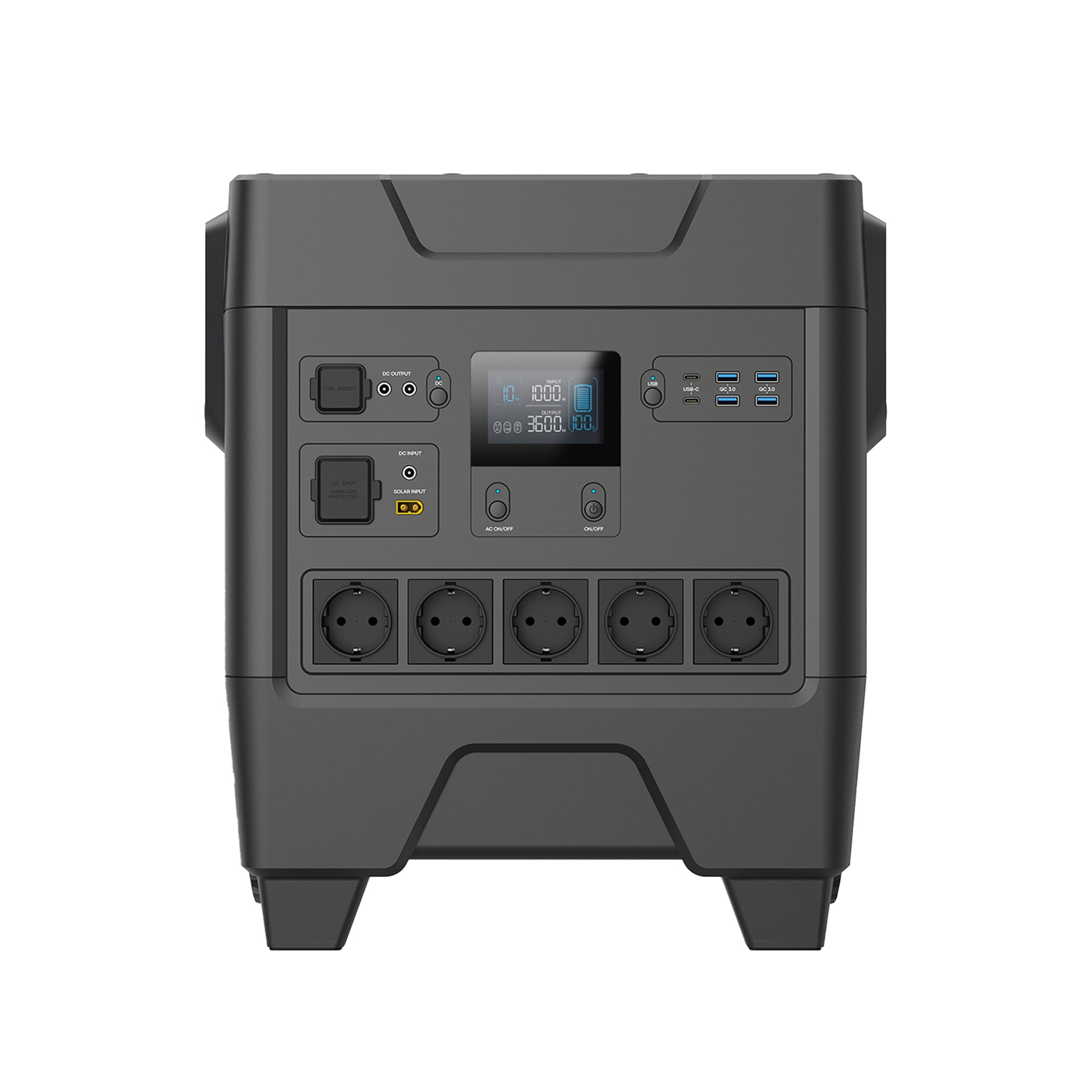
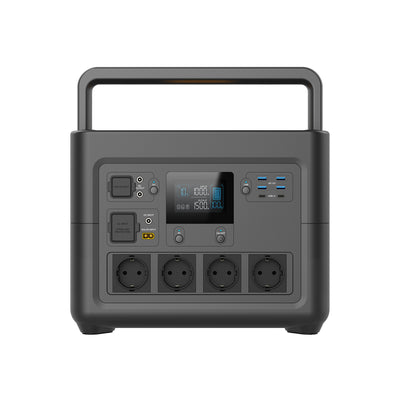
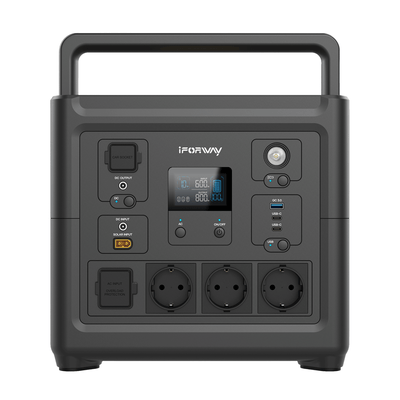
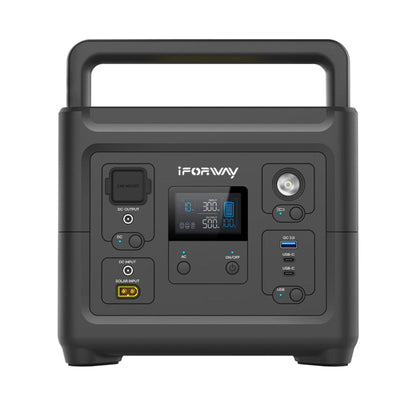
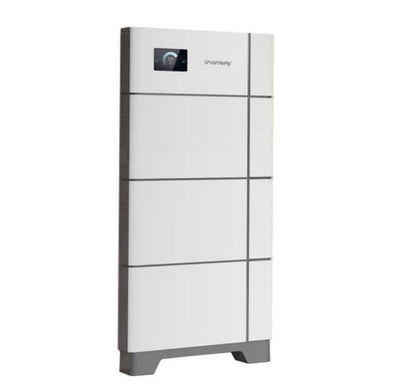
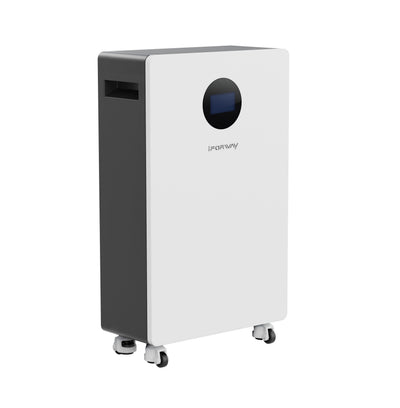
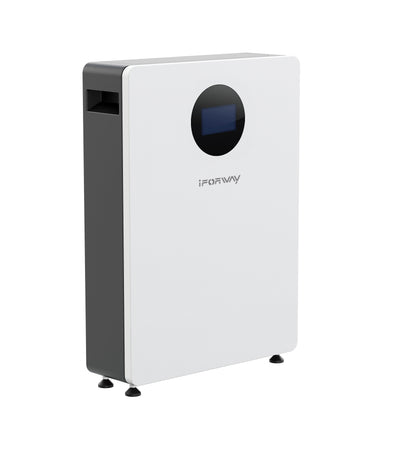
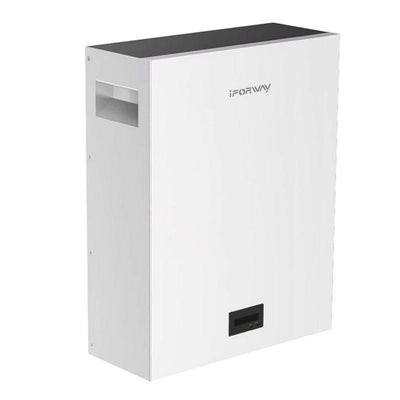
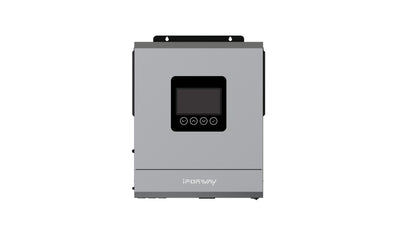
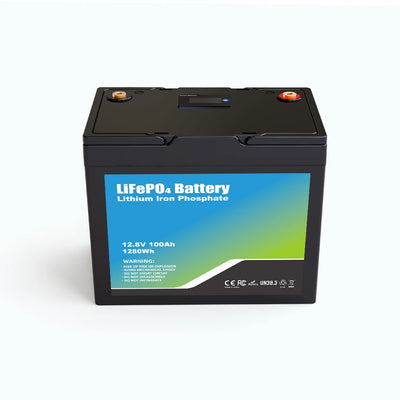
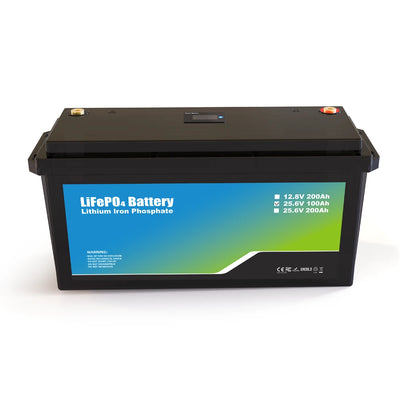
Every extra role raises the battery's utilization hours and shortens the real-world payback that no spreadsheet captures. This is exactly why expandable, wheeled systems have become the pragmatic choice for small businesses and prosumers alike: the iFORWAY M5003 (5 kWh base, expandable, 6,000 W / 12 kW peak, dual MPPT solar input) can evening-peak-shave a home office or small shop in winter and power a job site in summer — one investment, two revenue streams. For pure home backup and solar capture, the 3,072 Wh HS3605 covers a full evening-plus-outage cycle, while the HS1800 (up to 1,536 Wh) handles apartments, van setups and weekend cycles. If your solar array is the bigger investment, our time-of-use optimization guide shows how to program dispatch around peak windows.
Five Ways to Shorten Your Payback
- Right-size, don't over-size. Battery capacity you never cycle is dead capital. Match usable kWh to your evening load, not your ego: most 3–4 person households shift 6–10 kWh/day.
- Get on a smart/time-of-use tariff. In the UK and increasingly in Germany (dynamic tariffs), the overnight-to-peak spread is the single biggest payback lever.
- Catch subsidy windows. Germany's 0% VAT and UK's 0% VAT (until 31 March 2027) are instant discounts; check national and municipal programs before ordering.
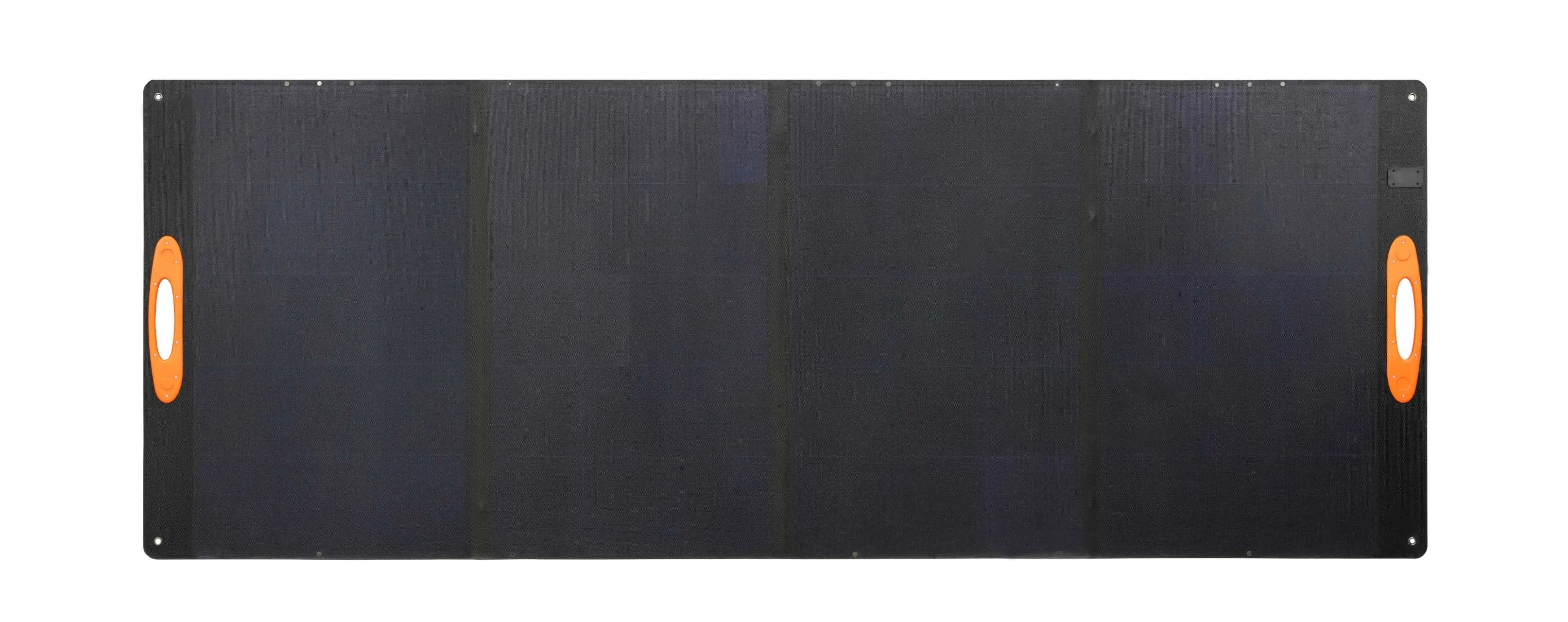
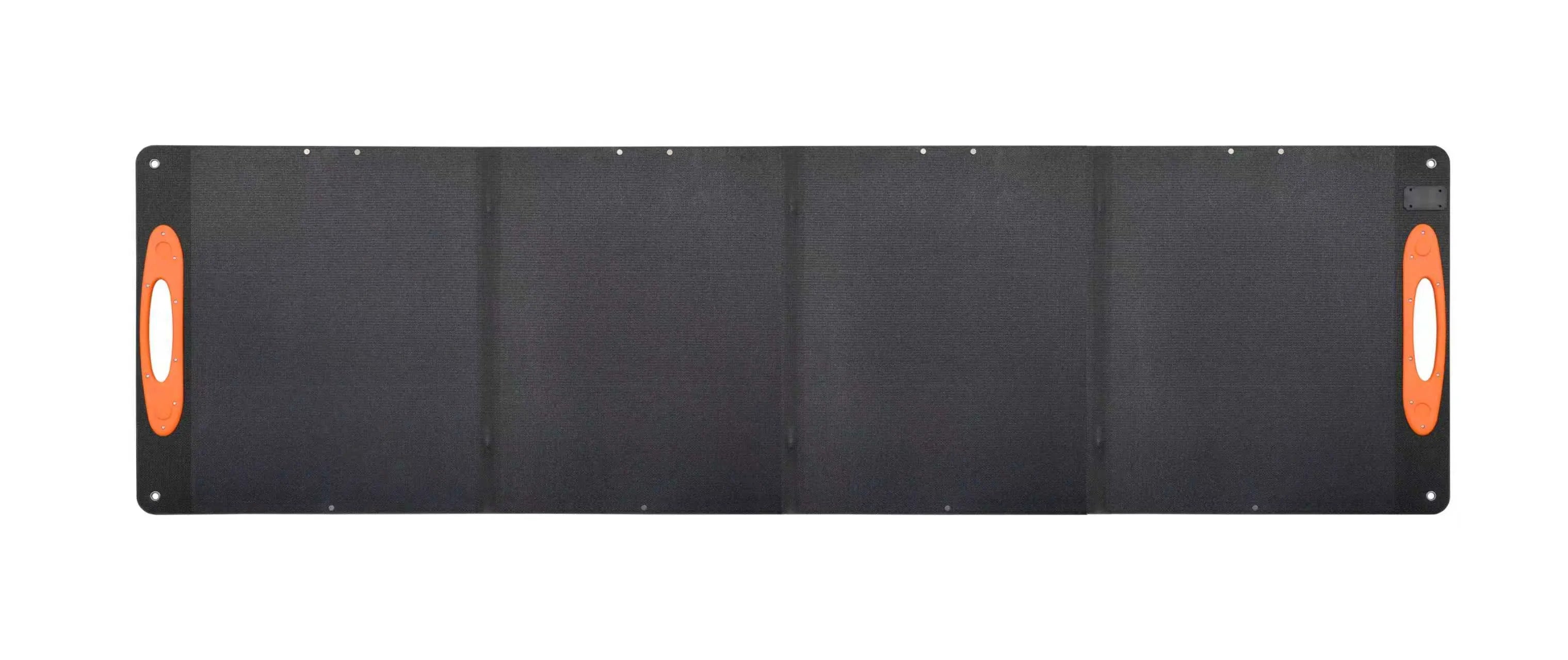
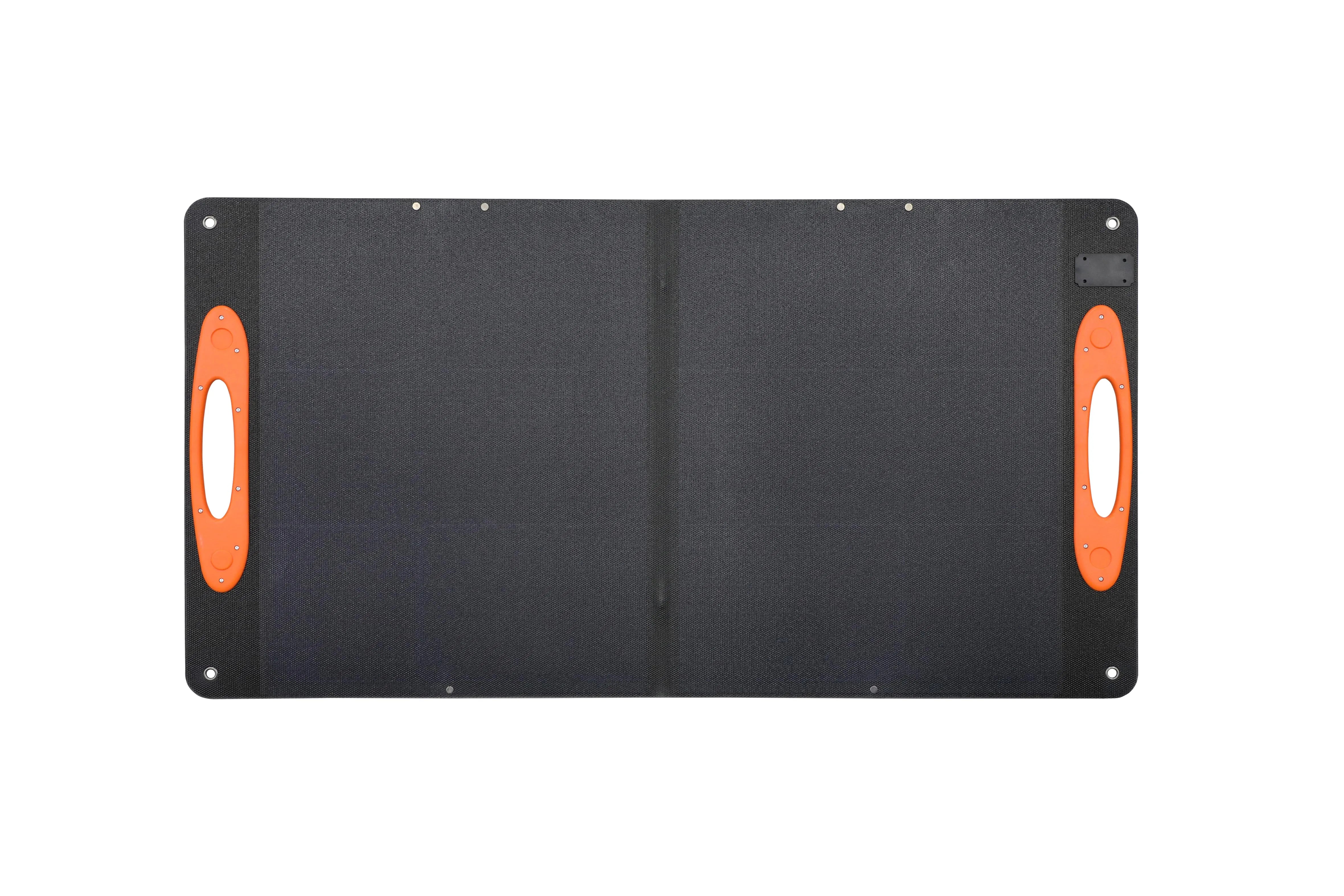
- Maximize solar input. A battery with a high-wattage MPPT solar input fills itself free every sunny day — the M5003's dual-MPPT input accepts up to 4,100 W of panels for exactly this reason.
- Stack roles. Backup + tools + travel. The more hours per year the battery works, the faster it pays.
Frequently Asked Questions
What is a good payback period for solar plus storage in 2026?
For the solar array itself, 7–12 years is normal in Germany, Poland and the UK. For the battery, expect 7–10 years in the UK (smart-tariff arbitrage), 8–12 in Poland (high tariff inflation, low export compensation) and 12–15 in Germany on energy savings alone — improving to under 10 years once backup value and role stacking are counted. Anyone quoting a 4–5 year battery payback is usually double-counting.
Is it better to export solar or store it with a battery?
Store it, in all three countries. Export compensation in 2026 runs at roughly 8 ct/kWh (Germany), ~20% of retail (Poland) and 5–15 p/kWh (UK) — while retail prices sit at 30–42 ct/kWh. Each stored-and-self-consumed kWh is worth 2.5–4× more than an exported one, and that gap widens as retail tariffs rise.
Will adding a battery increase my home's value or resale appeal?
Indirectly, yes: energy-independent homes market better in high-tariff countries, and buyers increasingly ask for outage capability. But don't bank on full cost recovery at sale — treat storage as a consumption asset with backup value first, a property enhancer second.
Bottom Line
Solar pays back everywhere; the battery is the strategic decision. In 2026, low export tariffs across Europe have quietly turned storage from a nice-to-have into the main savings engine — if the battery is sized honestly, runs on a smart tariff where available, and works more than one job. Do the three-number math with your own bills before you buy, and favor flexible capacity over static capacity.
Specifying storage for your market, or building a solar-plus-storage product line for your customers? iFORWAY manufactures expandable LiFePO4 power stations and home storage systems for distributors and installers worldwide — see our home energy storage solutions, explore the OEM/ODM program, or request a quote and our engineers will model payback for your local tariffs within 24 hours.
