
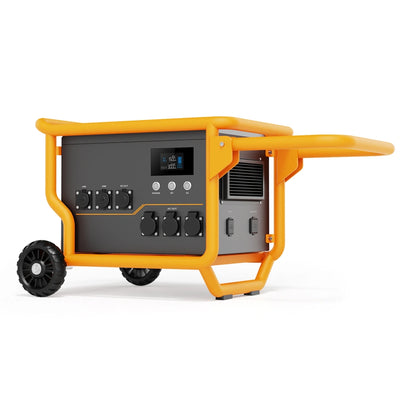
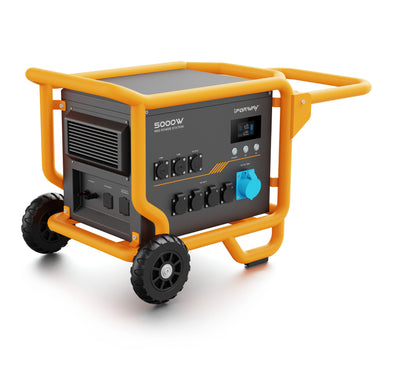
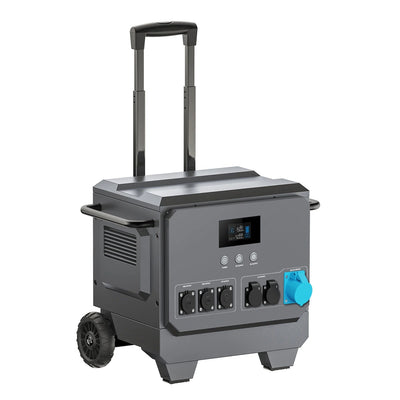
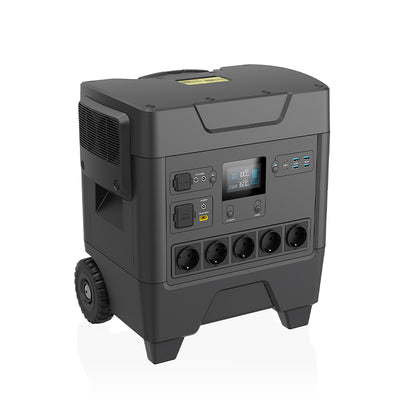
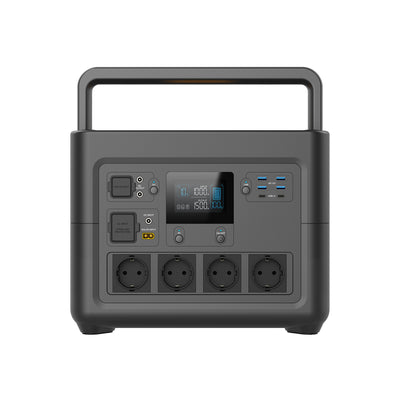
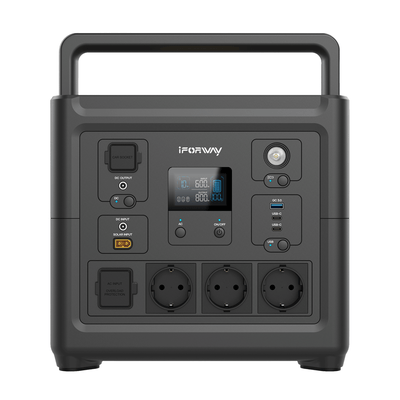
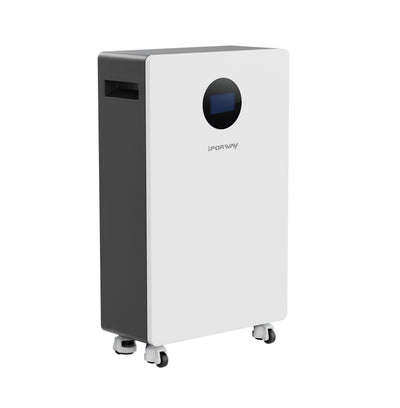
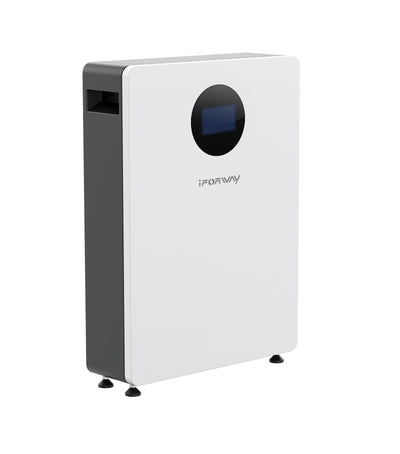
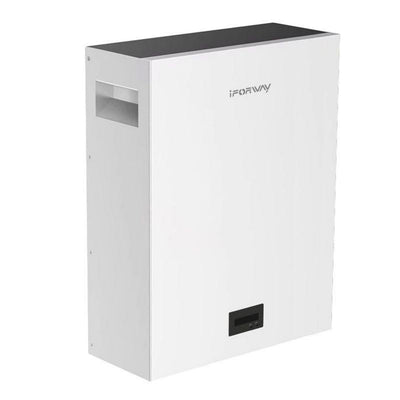
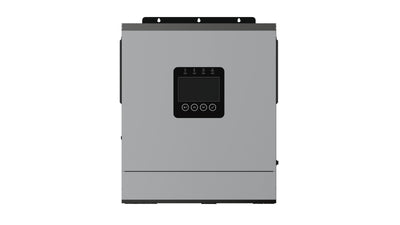
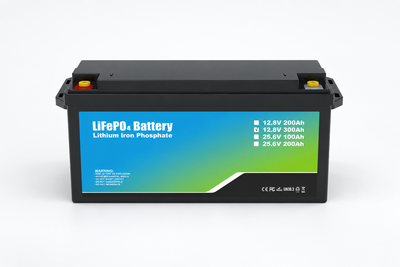
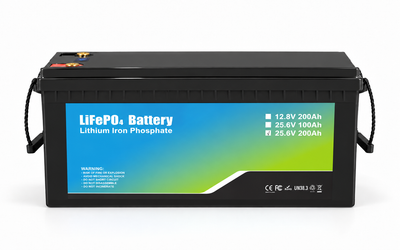
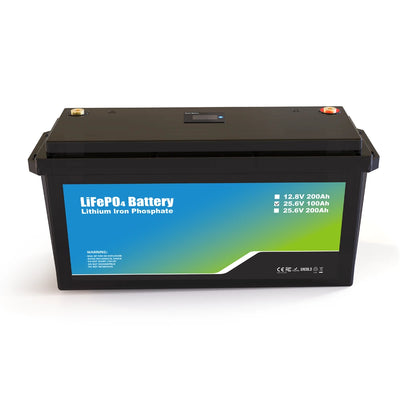

Direct answer: A food truck needs a portable power station with at least 3,000–4,000Wh of capacity and 3,000W of continuous AC output to run a full espresso, griddle and fridge setup — or roughly 1,500–2,000Wh if you only need to run a coffee machine, blender and refrigeration. Unlike a gas generator, a battery power station is silent, fume-free, and legal to run at street markets and indoor-adjacent events where generators are banned.
Food trucks and mobile food vendors live and die by reliable power. A stalled espresso machine at 8 a.m. or a warm fridge at noon is lost revenue you can never recover. In this guide we break down exactly how much power a food truck draws, how to size a portable power station for a full menu, and where battery power beats a traditional generator — with real wattage tables and runtime math you can copy.
Why Food Truck Vendors Are Switching to Battery Power
Most street markets, city centers, and event organizers now restrict or outright ban fuel generators because of noise, exhaust, and fire risk. A lithium (LiFePO4) power station solves all three problems:
- Zero noise — customers can order without shouting over an engine.
- No exhaust — safe to operate near service windows and in covered areas.
- No fuel logistics — no cans, no spills, no refueling runs during peak service.
- Instant switching — plug in and power up; no warm-up, no choke.
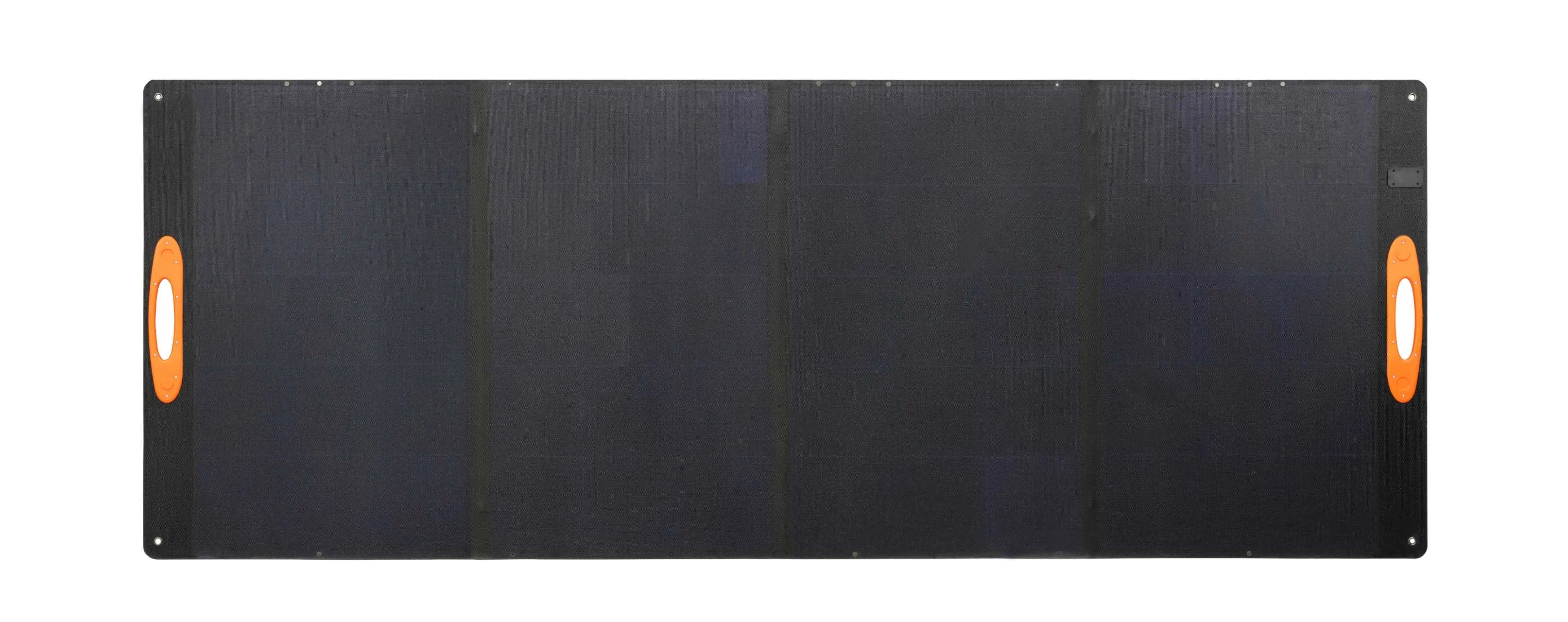
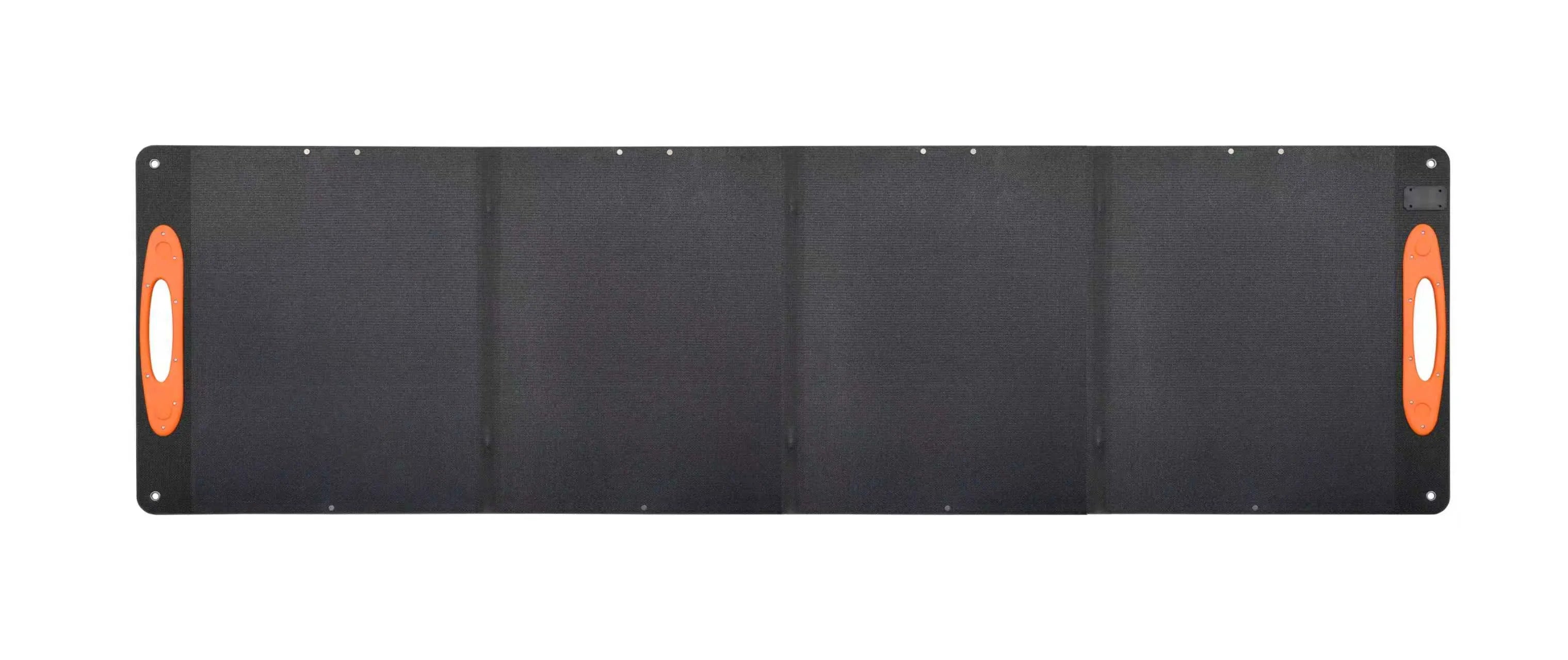
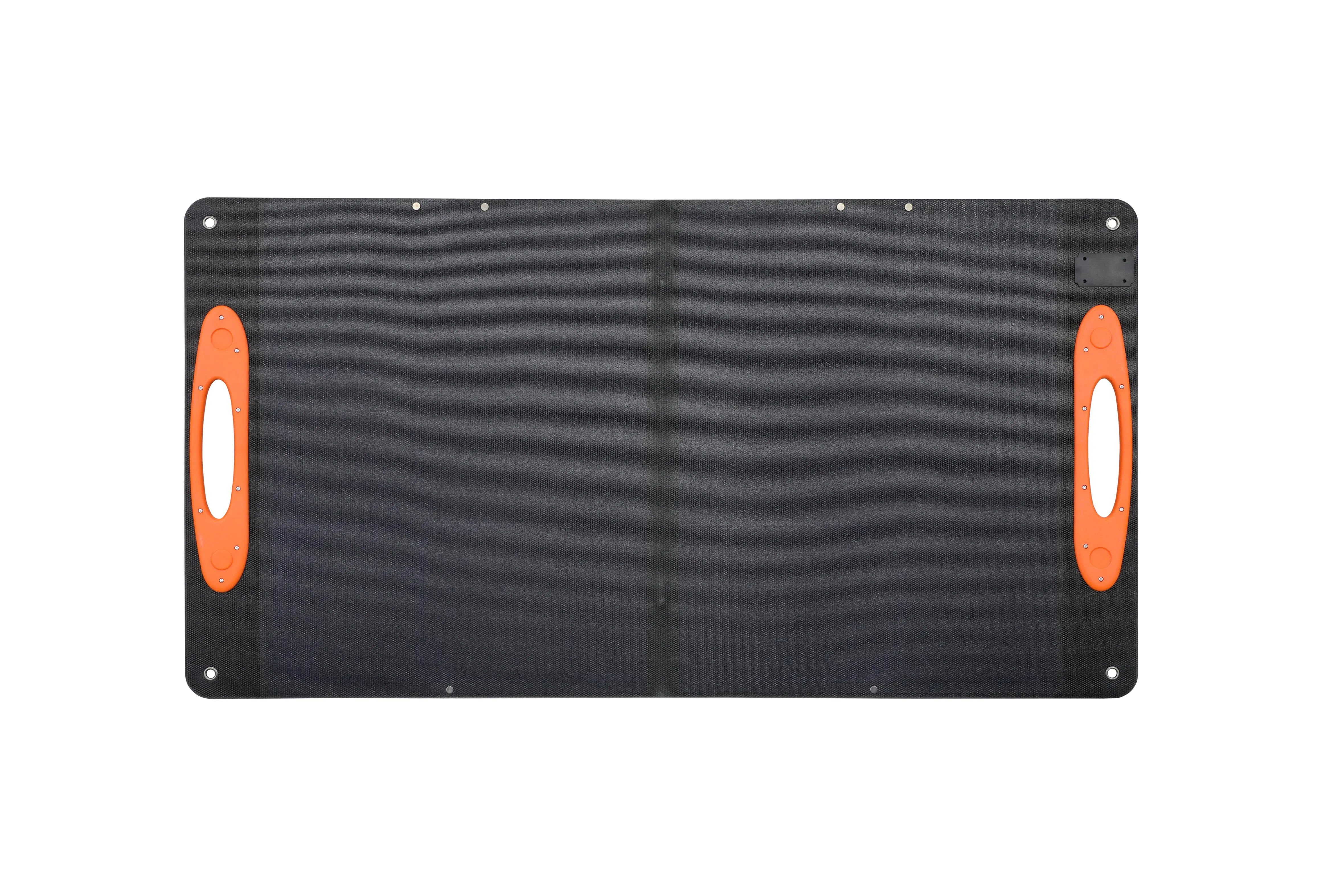
- Solar recharge — top up between lunch and dinner service with panels on the truck roof.
How Much Power Does a Food Truck Actually Use?
Start by listing every appliance and its running watts. Then add surge watts for anything with a motor or compressor — fridges and blenders can briefly pull 2–3x their rated wattage at startup.
| Appliance | Running Watts | Surge Watts | Daily Hours (typical) | Daily Wh |
|---|---|---|---|---|
| Espresso machine (2-group) | 2,000–3,000W | 3,500W | 6 h (cycling) | 6,000–9,000 |
| Commercial blender | 1,200–1,800W | 2,200W | 2 h | 2,400–3,600 |
| Electric griddle / flat top | 1,500–3,000W | 3,200W | 4 h (cycling) | 3,000–6,000 |
| Commercial fridge | 150–300W | 900W | 10 h | 1,500–3,000 |
| LED lighting + POS + fans | 100–200W | — | 10 h | 1,000–2,000 |
| Small deep fryer (electric) | 1,700–1,800W | 2,000W | 3 h | 5,100–5,400 |
Key insight: heating appliances (espresso, griddle, fryer) dominate consumption. Two practical strategies:
- Full electric menu: 5,000–6,000Wh+ per day — you need a large-capacity station plus solar, or grid/shore charging between locations.
- Propane for heat, battery for everything else: run griddles and espresso on gas, and use a 2,000–3,000Wh battery station for fridges, POS, lighting, fans, and blenders — the most cost-effective setup for most vendors.
Sizing Guide: Which Capacity Fits Your Menu?
| Vendor Type | Typical Load | Recommended Capacity | Recommended Output |
|---|---|---|---|
| Coffee cart (espresso + grinder + fridge) | ~3,200W peak | 3,600Wh+ | 3,600W continuous |
| Drink & smoothie truck (blender + fridge + POS) | ~2,000W peak | 2,000–3,000Wh | 2,000–3,000W |
| Bakery / pastry stand (warmers + fridge + lights) | ~1,200W peak | 1,500–2,000Wh | 1,800W+ |
| Full hot-food truck (battery-assist mode) | ~1,500W peak (non-heat loads) | 2,000–3,600Wh | 2,000–3,600W |
Why LiFePO4 Matters for Daily Commercial Use
A food truck cycles its battery hard: near-full discharge every single day. LiFePO4 chemistry delivers 3,000–6,000 cycles to 80% capacity — several years of daily service — versus ~500 cycles from older lithium-ion chemistry. For equipment that must earn money daily, cycle life is the single most important spec after raw capacity. Curious how battery chemistries compare? See our 12V sodium-ion battery for cold-weather alternatives.
Runtime Examples: What Fits in a Service Day
Using a 3,600Wh station (90% usable = ~3,240Wh), here's a realistic mixed-menu day:
- Commercial fridge running 10 h (cycling): ~2,000Wh
- Espresso machine for a 4-hour morning rush (50% duty): ~4,000Wh → trim to propane or shorten rush use
- Lighting, POS, fans, phone charging: ~1,200Wh
Practical conclusion: a 3,600Wh unit comfortably covers a drinks-focused truck all day, or a full-menu truck when heating appliances run on propane. Add roof solar (400–800W) and you can recover 1,500–3,000Wh between morning and evening service.
Charging Strategies Between Locations
- Overnight AC recharge: plug into garage or commissary shore power; a 3,600Wh station recharges in 2–4 hours on modern fast AC input.
- Roof/deployable solar: 400W of panels adds ~1,600Wh on a sunny day; 800W can nearly double that.
- Dual-input charging: many stations accept AC + solar simultaneously, cutting recharge windows in half.
Choosing the Right iFORWAY Unit
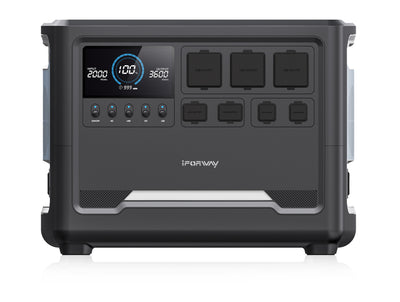
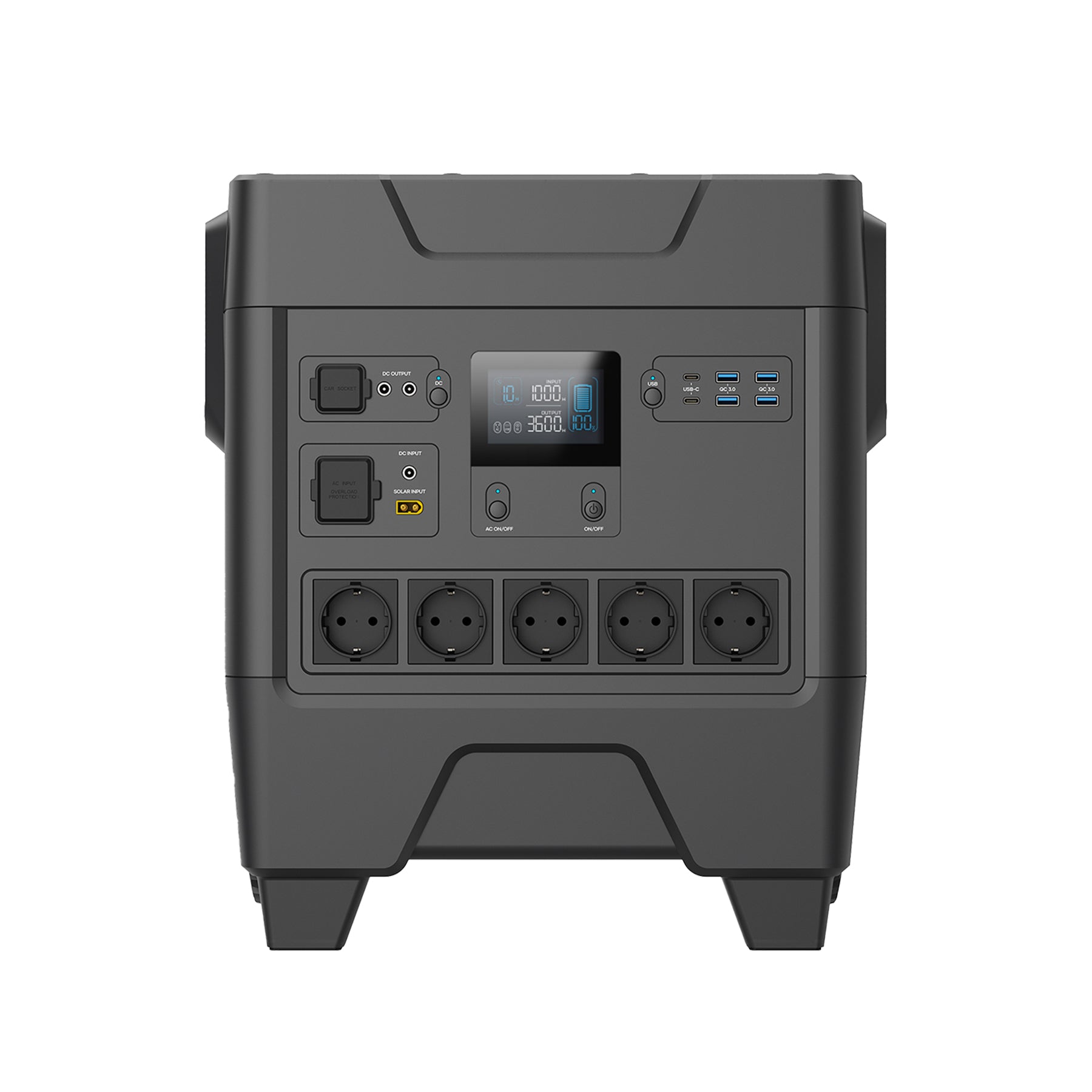
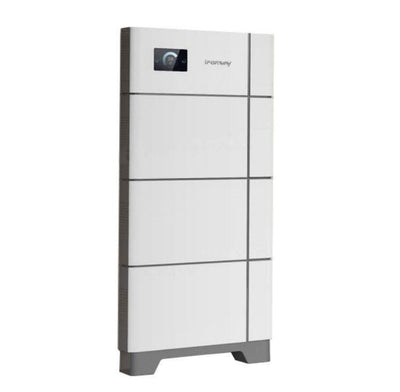
- HS3600 (3,600Wh / 3,600W) — the workhorse for coffee trucks and full-battery drink service; runs espresso machines and blenders with surge headroom to spare.
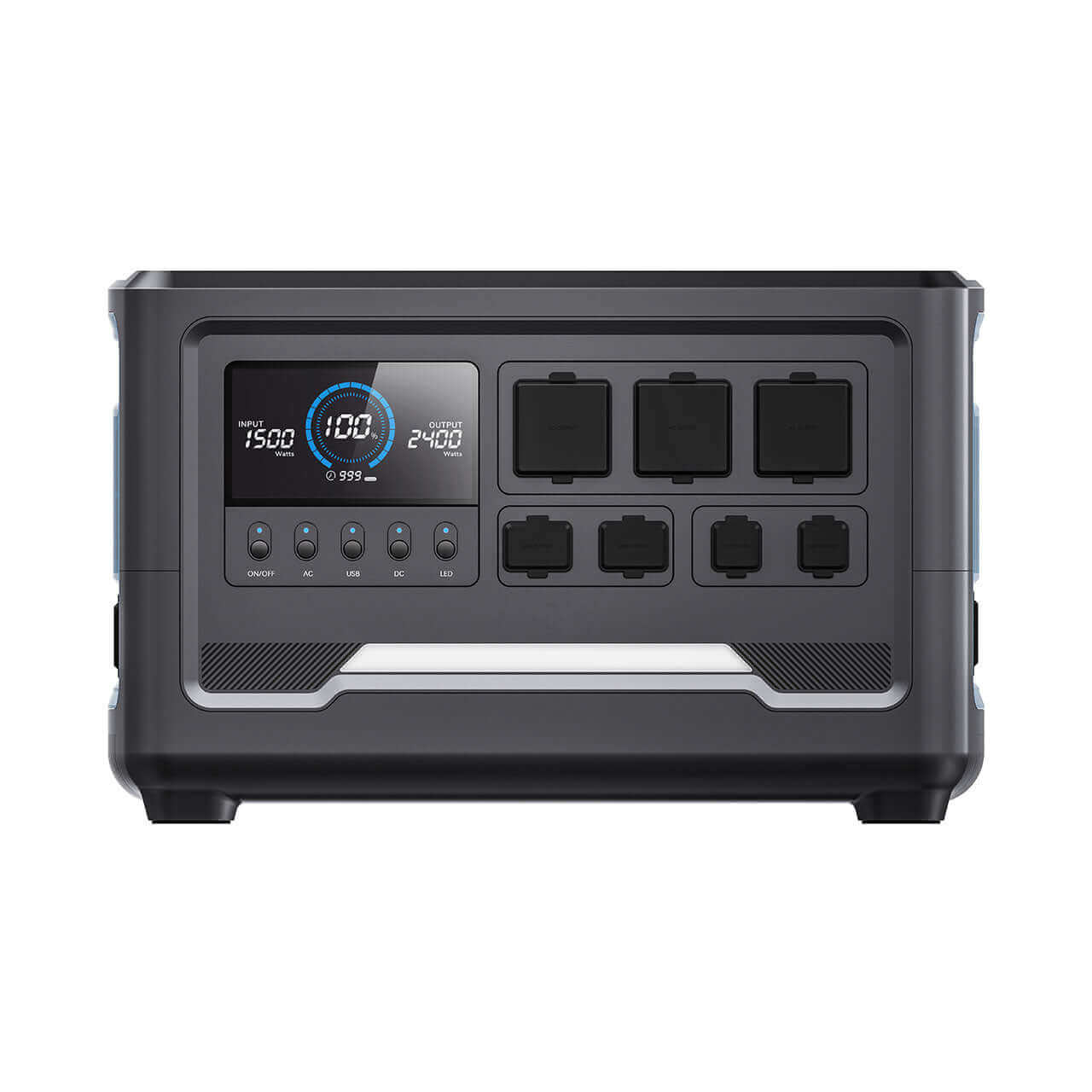
- HS1800 (1,800Wh / 1,800W) — ideal for bakery stands, juice bars, and battery-assist roles (fridge + POS + lighting).
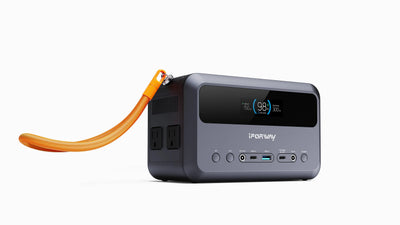
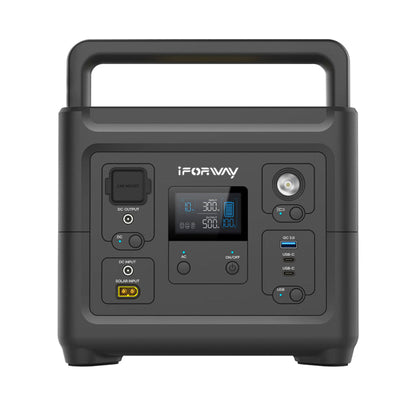
- G02 — compact backup for markets, pop-ups, and small stalls.
Battery vs. Gas Generator: The 3-Year Cost Picture
Upfront, a large LiFePO4 power station costs more than a mid-range inverter generator. But fuel, oil, spark plugs, and maintenance add up fast for a truck that works every day:
| Cost Item (3 years, daily use) | 3.6kWh Battery Station + 400W Solar | 3kW Inverter Generator |
|---|---|---|
| Equipment purchase | $2,500–$3,200 | $1,200–$1,800 |
| Fuel (~2 L/day × ~600 working days @ $1.2/L) | $0 | $1,400+ |
| Oil, plugs, filters, servicing | $0 | $250–$400 |
| Event generator permits / noise surcharges | $0 | $0–$300 (varies by city) |
| Lost sales from noise/exhaust complaints | $0 | Unquantified, real |
| 3-year total | ~$2,500–$3,200 | ~$2,900–$3,900 |
Break-even typically lands between 18 and 30 months — and after that, the battery keeps saving money every service day for years, since LiFePO4 cells are rated for 3,000–6,000 cycles.
Field Tips to Stretch Runtime During Peak Service
- Pre-heat, then coast: bring the griddle and espresso boiler to temperature while still on shore power at the commissary, then run the battery for holding heat instead of cold-start heating.
- Set fridge setpoints to 3–4°C, not colder: every degree below spec adds compressor duty cycle you don't need for food safety.
- Batch your blending: run smoothie prep in consolidated blocks; motor start-up surges are the expensive part.
- Tilt solar panels toward the afternoon sun at lunch stops: even 90 minutes of good sun can return 200–300Wh.
- Use Eco/low-power modes on POS tablets and displays — small draws add up across a 10-hour day.
- Monitor load in real time: the HS3600's display shows live wattage, so you can spot a failing fridge gasket or a left-on warmer before it eats your reserve.
Frequently Asked Questions
Can a portable power station run an espresso machine in a food truck?
Yes — a 2-group espresso machine draws 2,000–3,000W, so you need a station rated for at least 3,600W continuous output with 3,500W+ surge (such as the iFORWAY HS3600) and roughly 3,600Wh of capacity for a morning rush. Smaller single-group machines (~1,500W) can run from a 2,000Wh-class unit.
How long will a power station run a food truck fridge?
A commercial fridge averaging 200W cycles roughly 40–50% of the time, consuming about 100Wh per hour. A 1,800Wh station runs it about 15–18 hours; a 3,600Wh unit covers more than 30 hours — easily a full service day plus overnight.
Do I still need a generator as backup?
Many vendors carry no generator at all — a properly sized LiFePO4 station plus 400–800W of solar covers daily service with silent, fume-free power. If you operate in remote areas with multi-day events, a small inverter generator can serve as an emergency recharge source, but it's no longer the primary power source.
Final Word
For most mobile food vendors, the sweet spot in 2026 is a 3,600Wh LiFePO4 power station with 3,600W output, propane for high-heat appliances, and solar for midday top-ups. You get silent, compliant, low-maintenance power that pays for itself in permit savings and never-lost sales hours.
Ready to electrify your truck? Explore the HS3600, or for fleet orders and custom configurations, visit our OEM/ODM solutions page or request a quote — we respond within 24 hours.
