



Direct answer: Yes — a portable power station works in cold weather, but plan around two physical limits: expect roughly 10–20% less usable capacity near -10°C (and up to 30% near -20°C), and never charge a lithium battery below 0°C unless its BMS is rated for it — charging a frozen cell causes permanent lithium plating. Keep the unit insulated, charge it indoors or in direct sun, and a LiFePO4 power station will run reliably all winter for camping, home backup, and job sites.
Every winter the same question arrives in inboxes from Norway to Poland to Canada: does a portable power station still work when the temperature drops? The short version is that modern LiFePO4 units handle cold far better than their reputation suggests — but only if you understand what cold actually does to a battery, and which of the two limits (discharge vs. charge) is the one that quietly kills units. This guide covers both, with real numbers.
What Cold Actually Does to a Battery
Cold slows the electrochemical reactions inside lithium cells and raises internal resistance. The energy is still in the battery — it just becomes harder to get out. Two practical consequences follow:
| Temperature | Usable capacity (LiFePO4, discharge) | What it means in the field |
|---|---|---|
| +10°C to +25°C | 100% (rated) | Normal reference conditions |
| 0°C | ~90–95% | Barely noticeable on short trips |
| -10°C | ~80–90% | Plan for 1 extra day of margin per week off-grid |
| -20°C | ~70–80% | Insulation and pre-warming become mandatory, not optional |
Note that this loss is temporary. A station that reads 20% down at -15°C recovers its full capacity once warmed back up. Damage only occurs when you charge below freezing without a low-temperature charge cutoff — that is the failure mode that permanently reduces capacity.
The One Rule That Matters Most: Don't Charge Below 0°C
Discharging in the cold is uncomfortable; charging in the cold is destructive. Below freezing, lithium ions can plate onto the anode as metallic lithium instead of intercalating into it. That plating is permanent (lost capacity) and, in bad cases, can grow dendrites that create internal shorts.
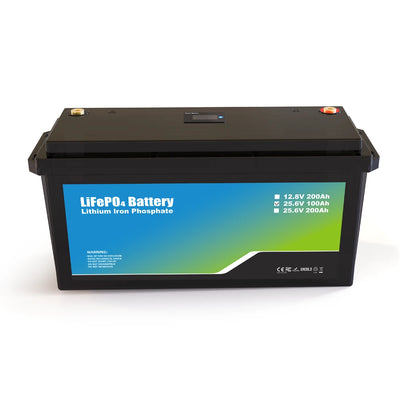
Quality LiFePO4 power stations handle this with a BMS low-temperature charge lock: below 0°C the unit will discharge happily but refuse solar or AC input until cells warm up. Cheaper units may not, which is why chemistry and BMS quality matter more in winter than any other season. When buying for winter use, check the spec sheet for a charging temperature range (you want 0–45°C with an automatic cutoff, or a self-heating cell design).
Winter Runtime: Realistic Numbers
Runtime math is the same as always — watt-hours ÷ average watts — with two winter corrections: derate capacity by 10–20% for the cold, and remember that many of your loads get heavier in winter (fridges and compressors work harder; heaters and heated gear run constantly).
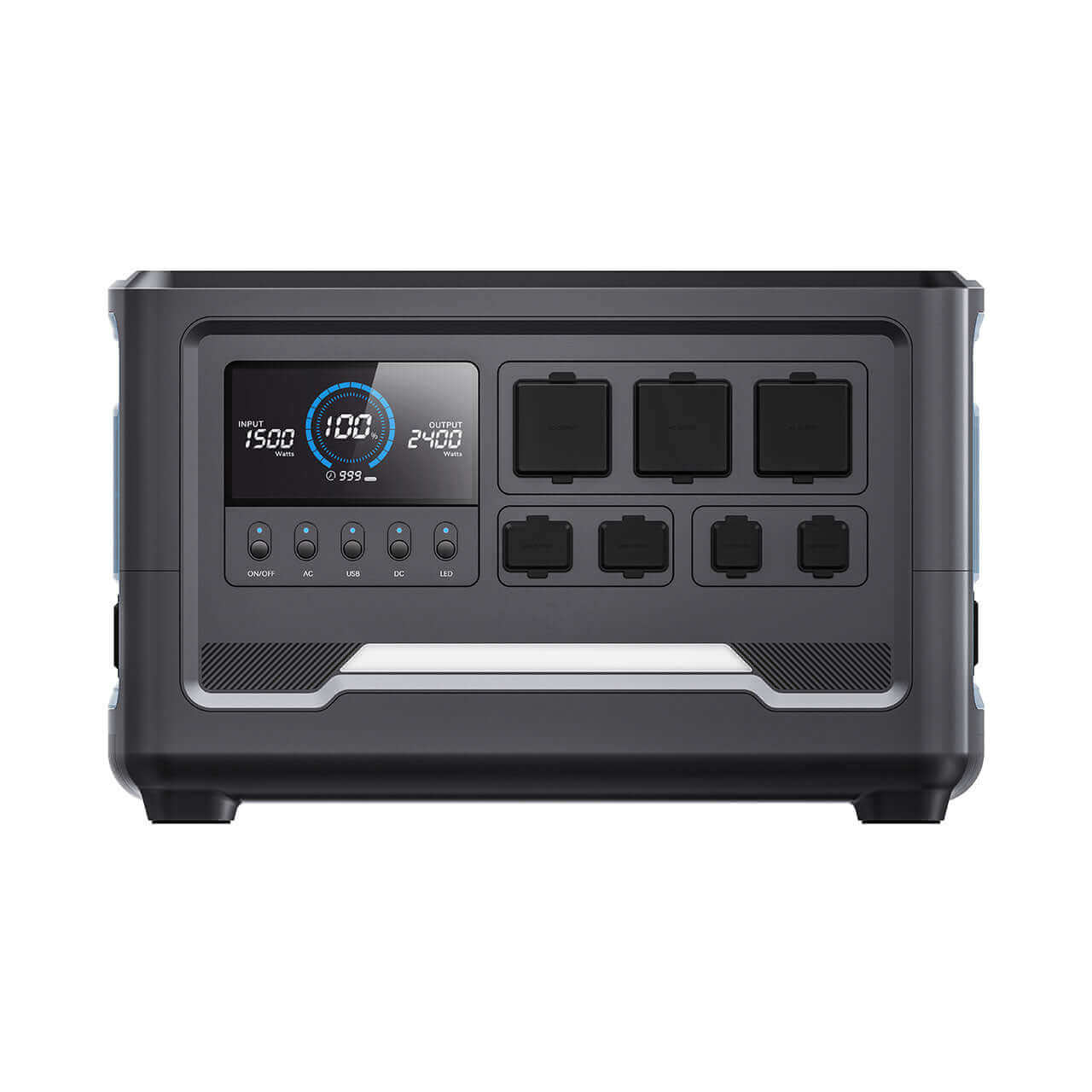
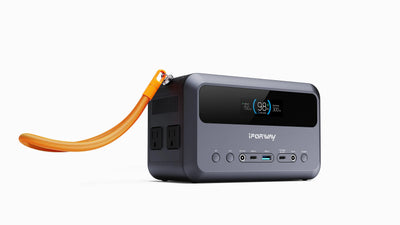
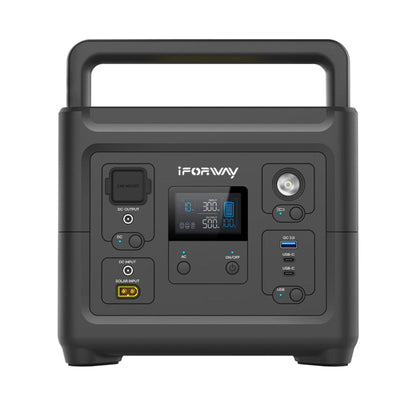
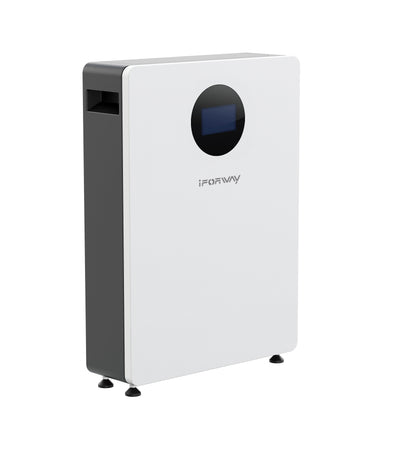
- 12V camping fridge (45 W avg, cycling harder in cold ambient): ~600 Wh/day on a warm trip, ~700–800 Wh/day in winter. A 1,536 Wh unit like the iFORWAY HS1800 covers 2 days without recharge.
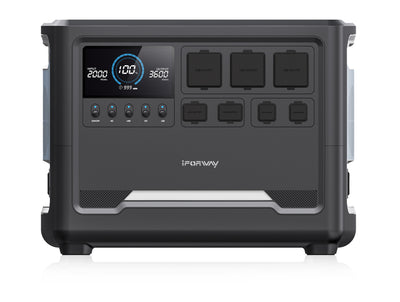
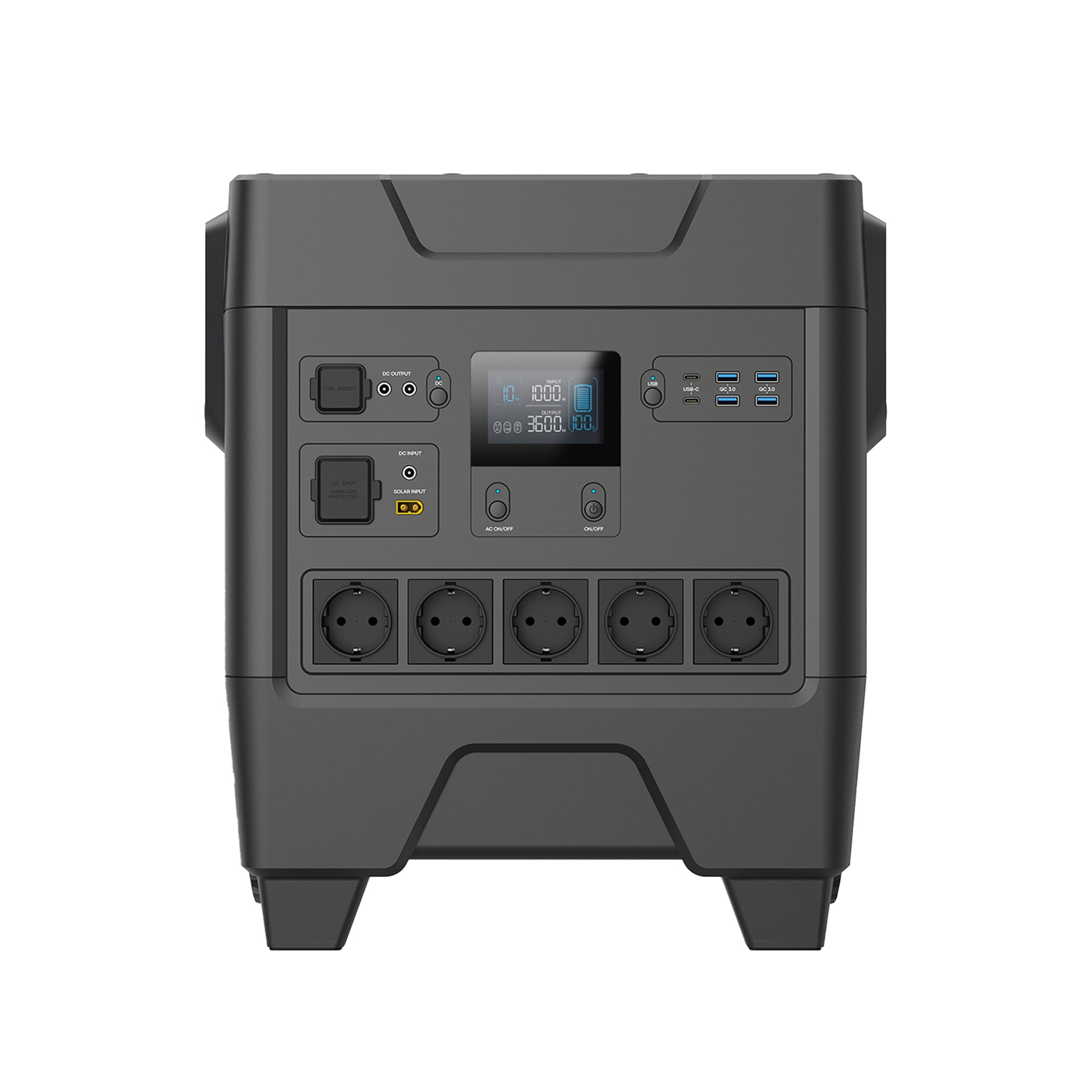
- LED lights + phones + router (60 W avg): ~1.4 kWh/day. A 3,072 Wh HS3605 runs a full 2-day outage with margin even derated for cold.
- Electric blanket (60 W, 8 h) + kettle (1,000 W, 10 min) + lights: ~700 Wh/day — the classic winter-camping comfort load, easy for any 1 kWh+ station.
- Job site tools (circ saw 1,400 W intermittent): output watts matter more than capacity here; a 3,000 W-class inverter is the winter baseline for serious site work.
Eight Field Habits for Winter Power
- Sleep with your battery — almost literally. Store the station in the tent vestibule, van interior, or an insulated box, never in a truck bed or unheated trailer overnight.
- Pre-warm before big loads. Run a small load (lights) for 15–20 minutes to self-warm the cells before starting a heavy appliance.
- Charge during the warmest window — midday sun for solar, or indoors on AC overnight.
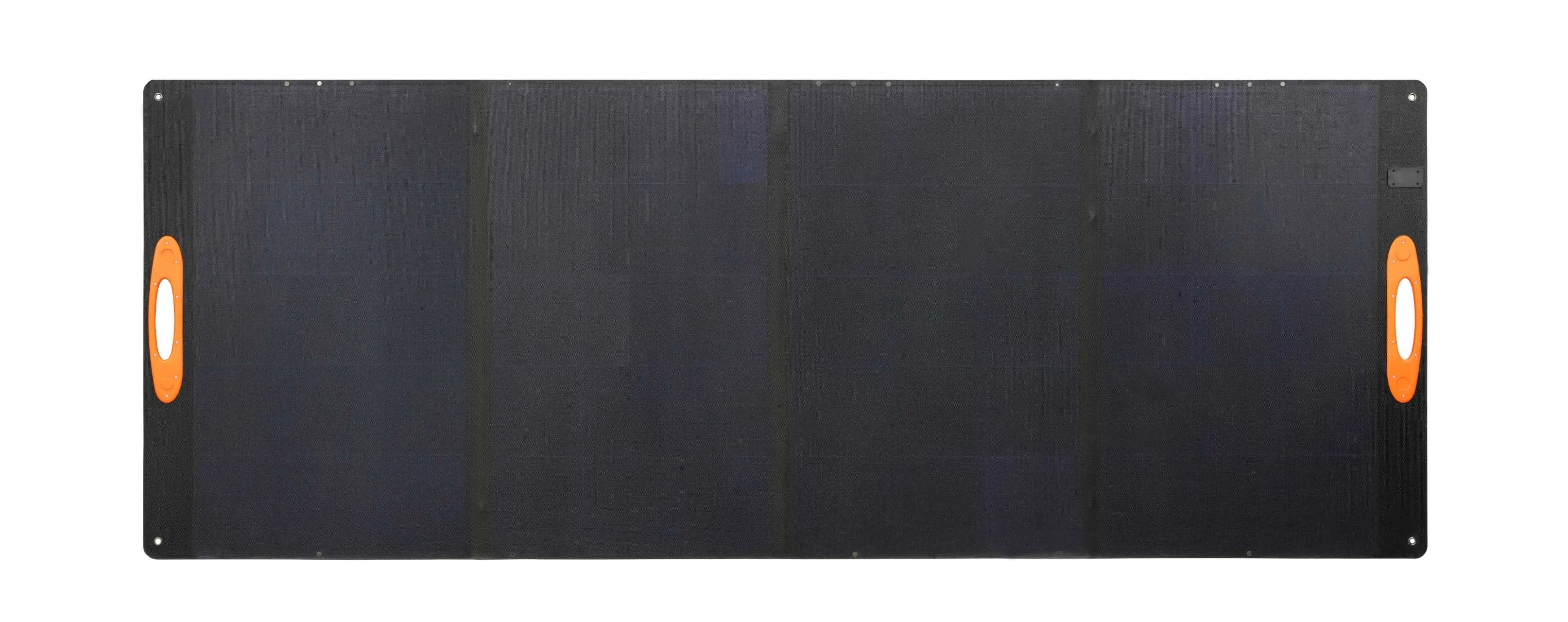
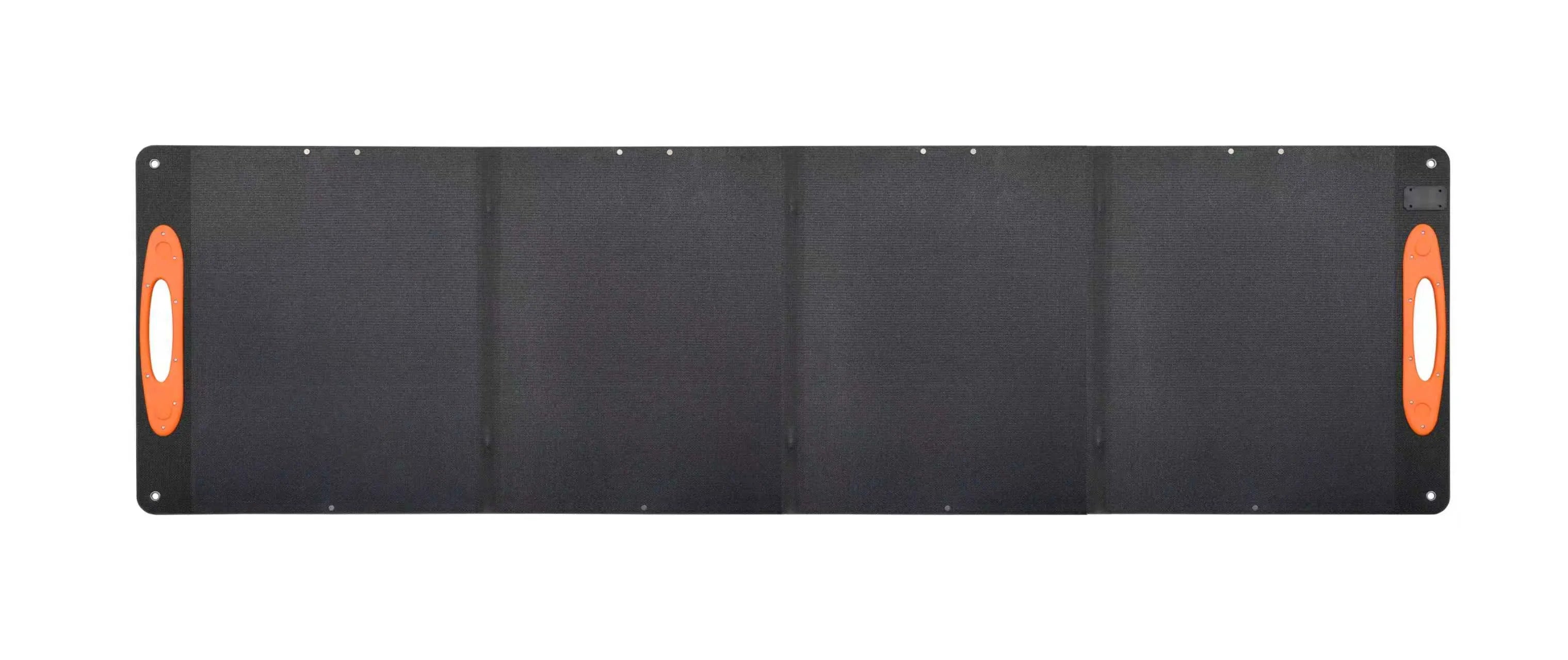
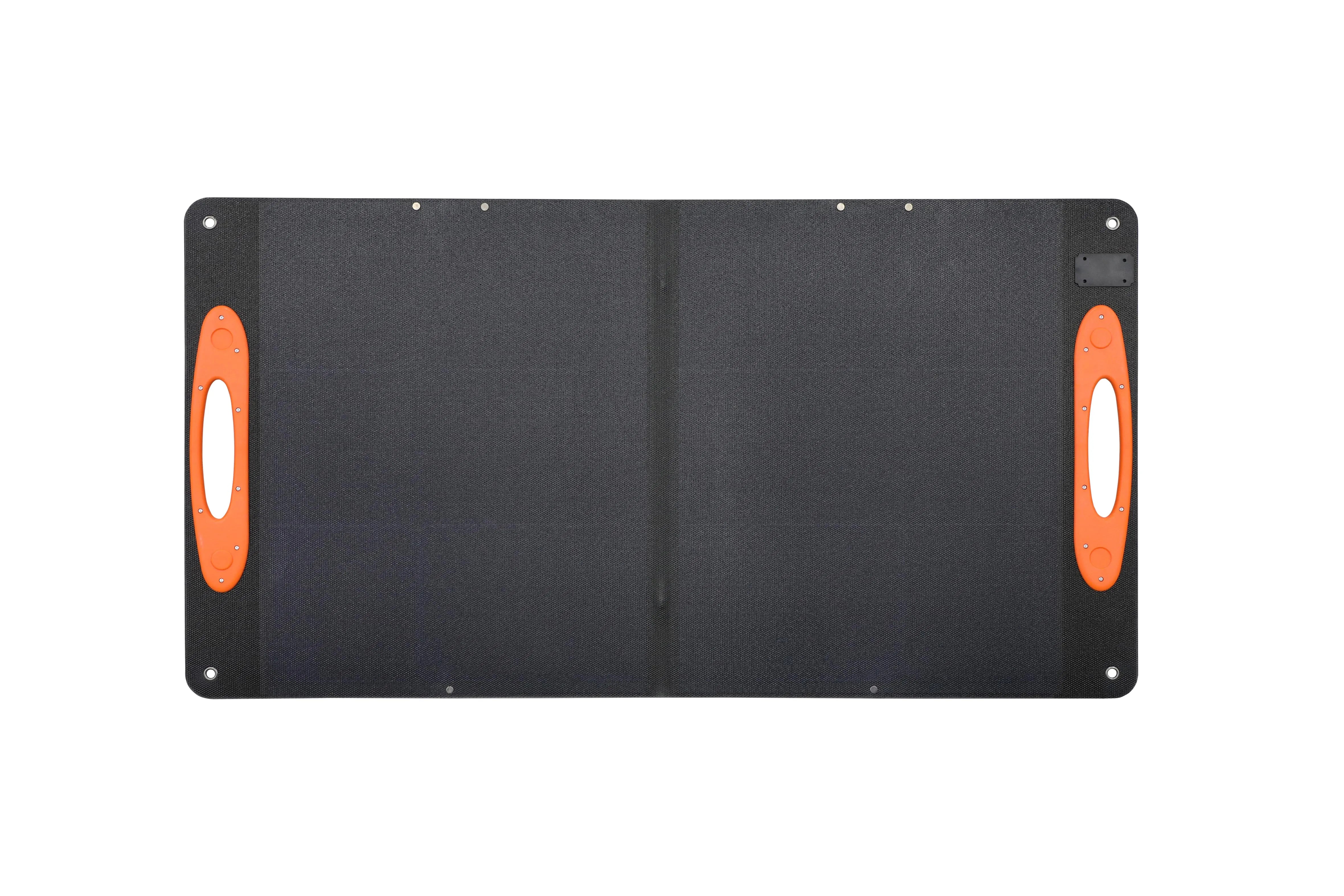
- Keep solar panels clear of snow. A dusting of snow cuts panel output to near zero; brush panels after every snowfall. The silver lining: cold actually improves panel efficiency, so a clear panel in bright winter sun can outperform its summer rating per hour of sun.
- Expect less from winter solar. Short days and low sun angle mean 2–4 peak sun hours instead of 5–7. Size panel wattage accordingly — more panels, angled steeper to catch low sun and shed snow.
- Beware condensation. Bringing a freezing unit into a warm room causes condensation on and inside the electronics. Let it acclimate 30–60 minutes before plugging anything in or charging.
- Store at 50–80% charge if the unit sits between trips, and keep it somewhere above freezing.
- Use the display. Cold can confuse dumb fuel gauges; watch input/output wattage rather than trusting a percentage alone on bitter mornings.
Which Chemistry Wins in Winter?
LiFePO4 (the chemistry in all current iFORWAY stations, including the 12V sodium-ion battery line for comparison shoppers) is the right default for cold-weather use: it tolerates thousands of cycles, handles deep discharge without damage, and — crucially — its BMS implementations in quality units enforce the low-temperature charge cutoff that protects the cells. Sodium-ion chemistry genuinely outperforms at extreme cold (it charges below freezing), which is why it is worth watching for arctic use cases, but today LiFePO4 remains the practical winter standard.
Three Winter Scenarios, Sized
| Scenario | Recommended class | Why |
|---|---|---|
| Winter camping / van trips | 1–2 kWh, 1,800 W inverter | Fridge + lights + heated blanket; van-chargeable via alternator or midday solar |
| Home outage backup | 3–5 kWh, 3,000 W+ | Fridge, lights, router, and heating support (see our heat pump backup guide) |
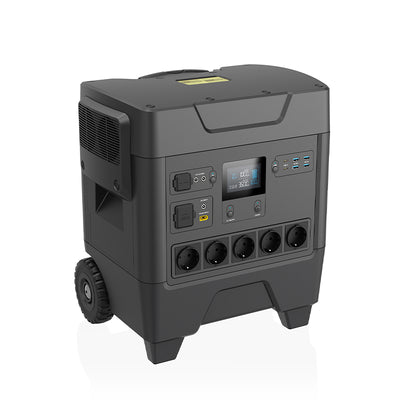
| Off-grid cabin / job site | 5 kWh+ expandable, 6,000 W | Power tools, pumps, and multi-day loads; wheeled units survive site winters |
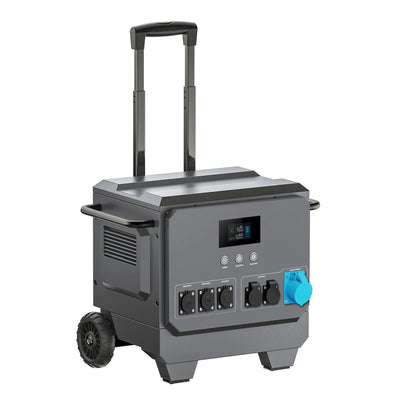
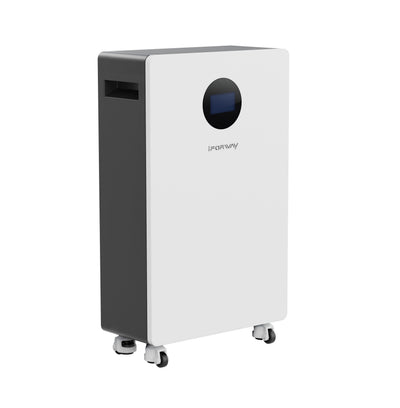
For the cabin and heavy-duty tier, the wheeled iFORWAY M5003 (5.1 kWh, 6,000 W, 12 kW peak) is built for exactly this: its large cell mass warms slowly and its dual MPPT solar input (up to 4,100 W combined) lets you harvest every scarce winter sun-hour, and expansion packs carry you through multi-day storms.
Building a Permanent Winter Backup Plan
If outages are a yearly event rather than a rare one, treat the portable station as one layer of a bigger system: a fixed home energy storage setup handles the automatic switchover, while the portable unit covers the garage, the sump pump, or the neighbor's extension cord. Fixed and portable complement each other — the portable unit is also your evacuation kit if a storm forces you out.
Frequently Asked Questions
Can I leave a portable power station in a cold car overnight?
Storage: mostly yes — cold parking only costs temporary capacity, and most stations are rated to store around -20°C to -10°C. Just do not try to charge it there. Bring it inside, let it warm past 0°C, and warm the cells with a light load before heavy use.
How much capacity do I lose in freezing weather?
Plan on 10–20% at around -10°C and up to 30% near -20°C for discharge. The loss is reversible — capacity returns when the battery warms up. Charging below 0°C is a different matter entirely and causes permanent damage on units without a low-temp charge cutoff.
Do solar panels still work in winter?
Yes, when they're clean and it's bright. Cold boosts panel efficiency, but short days and snow cover cut daily yield dramatically. Keep panels steep-angled, brush off snow, and expect 2–4 peak sun hours — then size extra panel wattage to compensate.
Bottom Line
Cold weather doesn't disqualify a portable power station — it just changes how you use it. Discharge freely, charge only above 0°C, insulate the unit, and oversize capacity by ~20% for winter math. Do those four things and a LiFePO4 station will outlast the coldest trip or outage you throw at it.
Winterizing a fleet, building cold-climate products, or spec'ing backup for your customers? Explore the iFORWAY OEM/ODM program or request a quote — our engineers will size a cold-weather power package for your exact load profile within 24 hours.
