
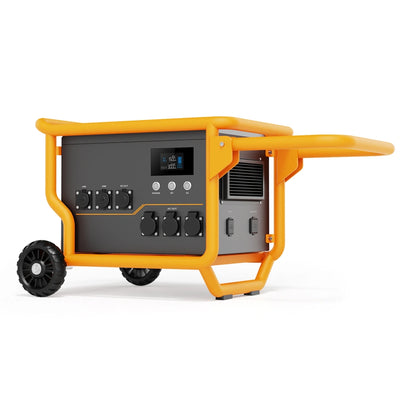
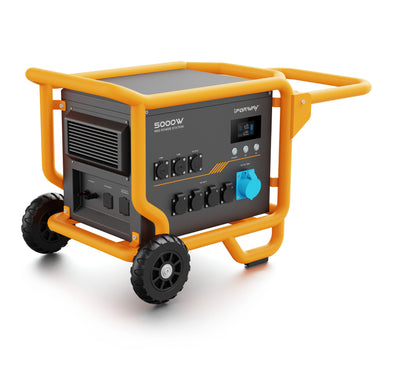
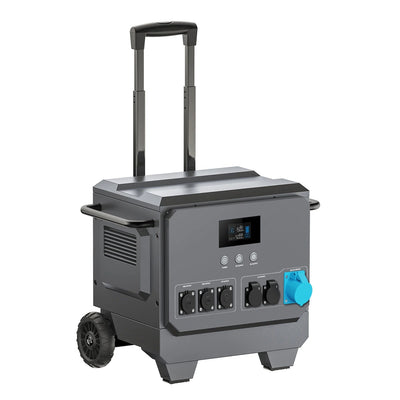
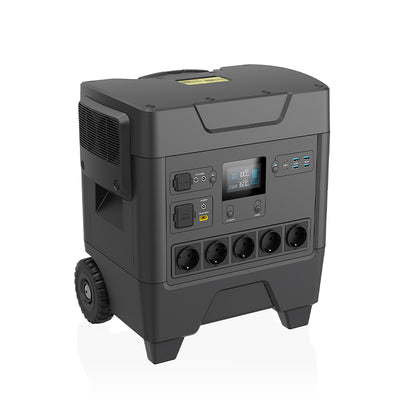

Camping with sleep apnea used to mean choosing between a good night's sleep and the freedom of the outdoors. Not anymore. A modern portable power station can run a CPAP machine all night — silently, safely, and without the fumes of a gas generator. The question is no longer whether you can power a CPAP while camping, but which power station is the right size and how to set it up for multi-night trips.
This guide breaks down CPAP wattage, runtime math, battery sizing, and the best power station for CPAP camping in 2026. Whether you car-camp on weekends or live out of a van for months, the numbers below will help you sleep soundly off-grid.
How Much Power Does a CPAP Machine Use?
CPAP power draw varies by model, pressure settings, humidifier use, and whether the heated hose is on. Here are real-world averages for the most common machines:
| CPAP Model / Setting | Avg. Watts (no humidifier) | Avg. Watts (with humidifier) |
|---|---|---|
| ResMed AirSense 10 (fixed pressure) | 35–45 W | 50–70 W |
| ResMed AirSense 11 (AutoSet) | 30–40 W | 45–65 W |
| Philips DreamStation 2 | 30–40 W | 50–60 W |
| Fisher & Paykel SleepStyle | 35–45 W | 55–75 W |
| Travel CPAP (e.g., Transcend, HDM Z2) | 20–30 W | N/A (no heated humidifier) |
Rule of thumb: budget 50–70 watts for a full-size CPAP with humidifier, or 25–40 watts for a travel unit without humidification. The humidifier is the biggest variable — turning it off can cut consumption by 30–50%.
Runtime Math: How Long Will a Power Station Last?
To estimate runtime, divide the power station's usable watt-hours (Wh) by the CPAP's average watt draw, then subtract 10–15% for inverter inefficiency:
Runtime (hours) ≈ (Station Wh × 0.9) ÷ CPAP Watts
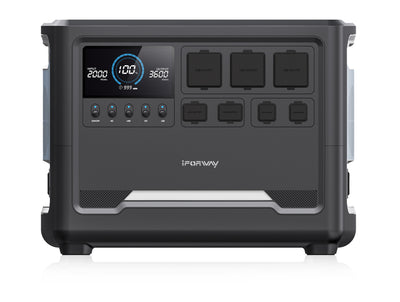
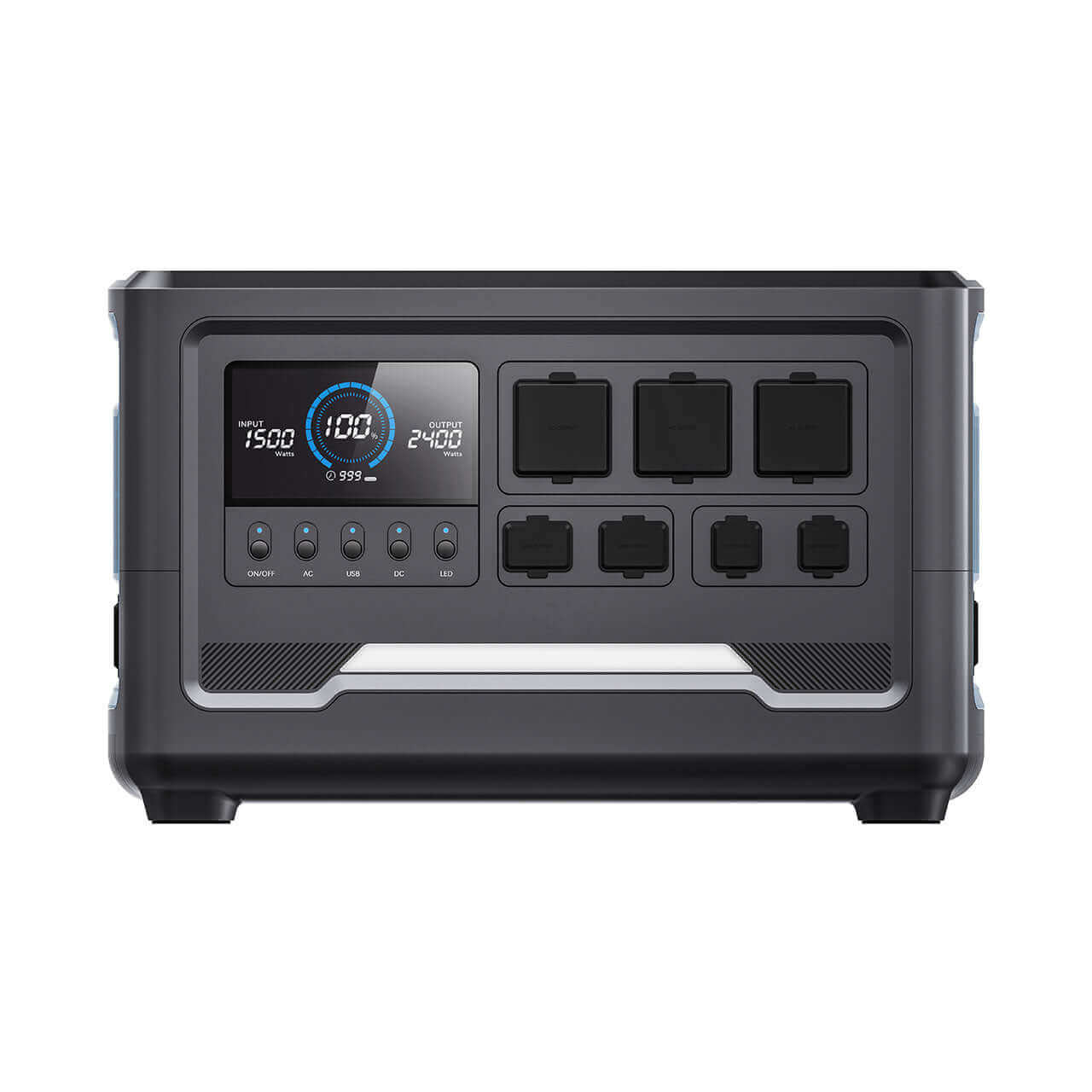
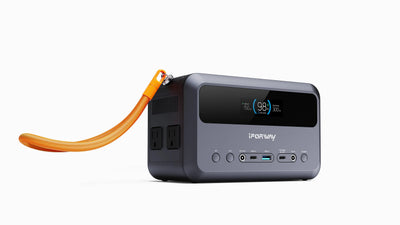
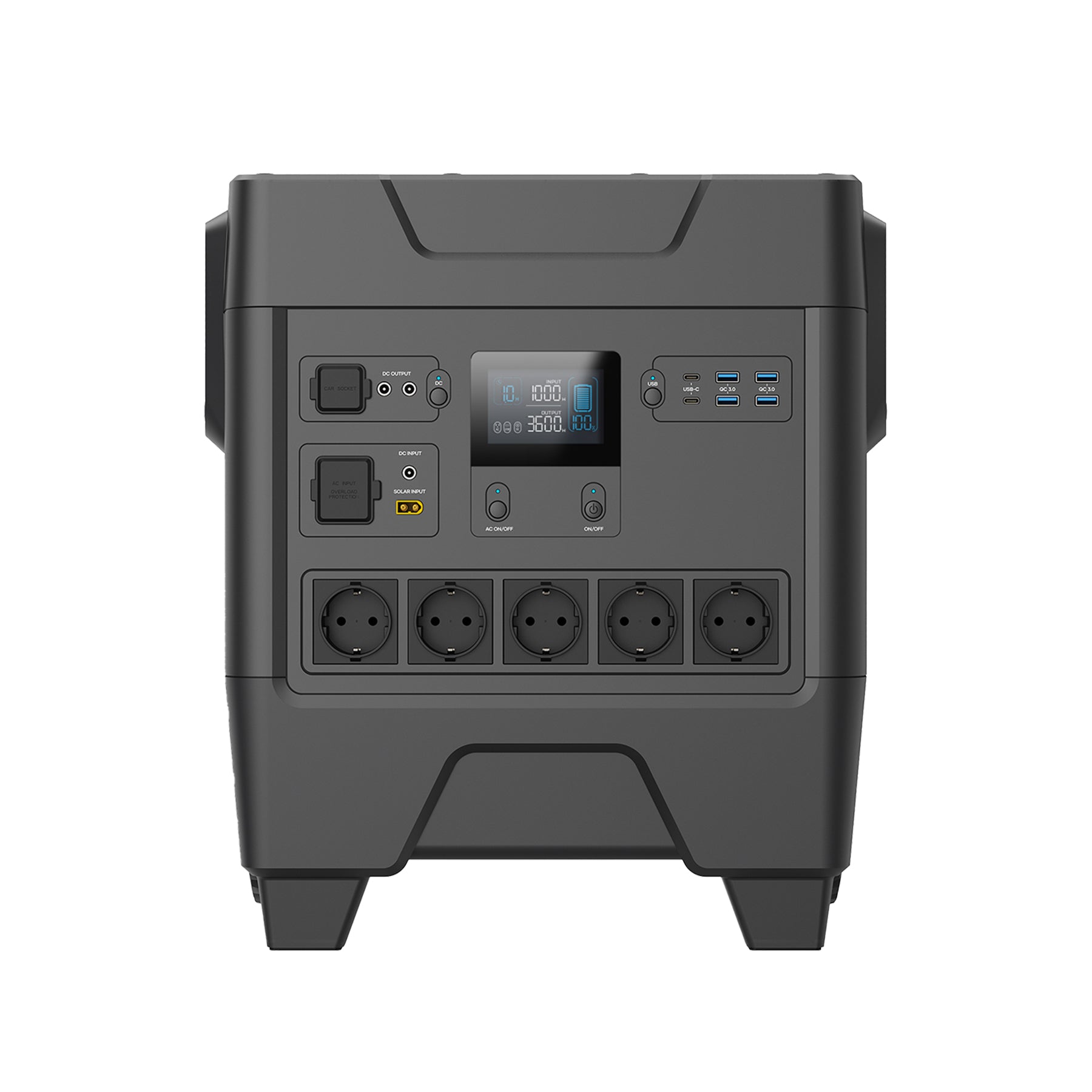
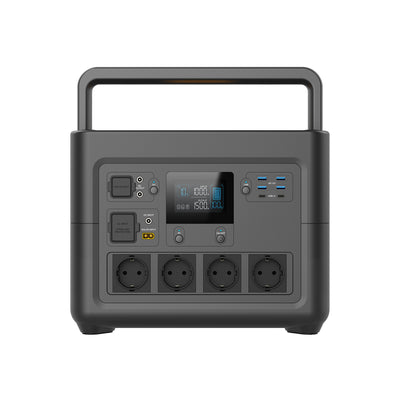
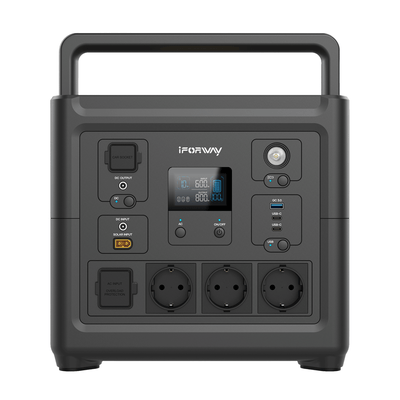
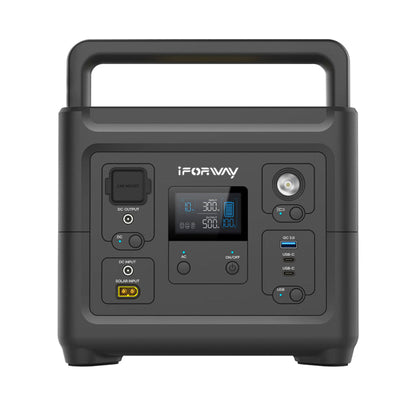
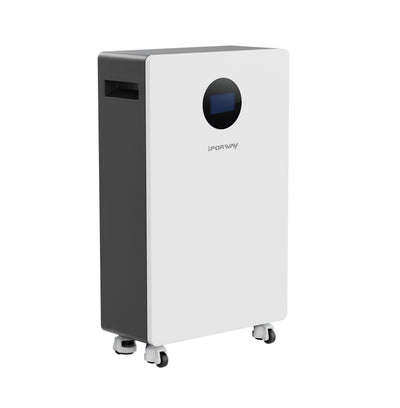
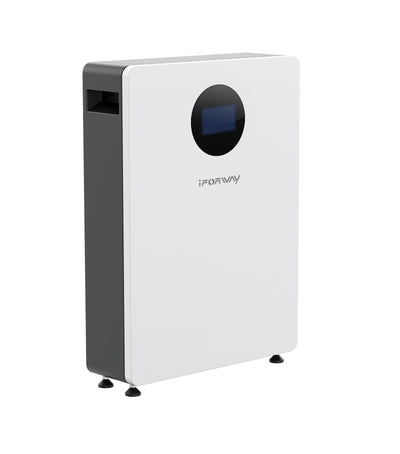
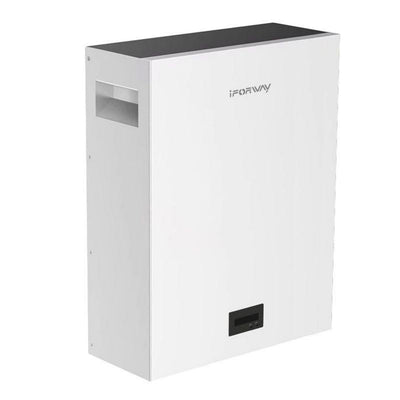
Here is what that looks like for common iFORWAY models:
| Power Station | Capacity (Wh) | CPAP 50 W Runtime | CPAP 70 W Runtime |
|---|---|---|---|
| iFORWAY G02 | ~256 Wh | ~4.6 hours | ~3.3 hours |
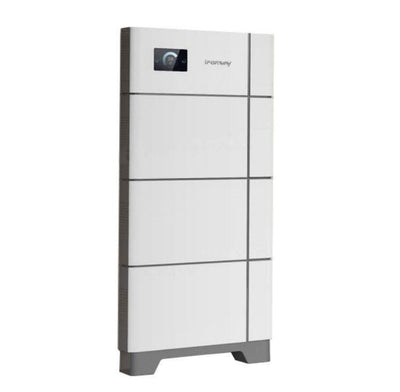
| iFORWAY HS1800 | ~1,152 Wh | ~20.7 hours | ~14.8 hours |
| iFORWAY HS3600 | ~3,072 Wh | ~55.3 hours | ~39.5 hours |
Translation: the HS1800 will run a typical CPAP for roughly 2 nights without recharging; the HS3600 covers 5–7 nights depending on humidifier use. For weekend trips, the HS1800 is the sweet spot. For week-long off-grid living, the HS3600 is the safer bet.
Should You Use the Humidifier Off-Grid?
The heated humidifier is the single biggest drain on your battery. In dry climates it may be non-negotiable for comfort, but in moderate or humid conditions you can often:
- Turn off the heated humidifier and use a passive water chamber instead.
- Use a heat-moisture exchanger (HME) filter — a small disposable cartridge that traps exhaled moisture and returns it on inhalation. No power required.
- Lower the humidifier setting from 4–5 to 2–3; every notch down saves watts.
These tweaks can stretch a 2-night runtime into 3 or 4 nights on the same station.
DC vs AC: The Most Efficient Way to Power a CPAP
Most CPAP machines ship with an AC wall brick. Running through the power station's AC inverter adds a conversion loss of roughly 8–12%. If your machine supports a 12V or 24V DC adapter — or you buy a third-party DC converter cable — you can plug directly into the station's DC port and cut that loss in half.
Practical tip: ResMed and Philips both sell 12V DC adapters for their travel lines. For home units, brands like Medistrom and Pilot make DC converter cables that bypass the AC brick. The savings are modest on a single night, but over a week-long trip they add up to an extra night of runtime.
Solar Top-Up: Stay Off-Grid Indefinitely
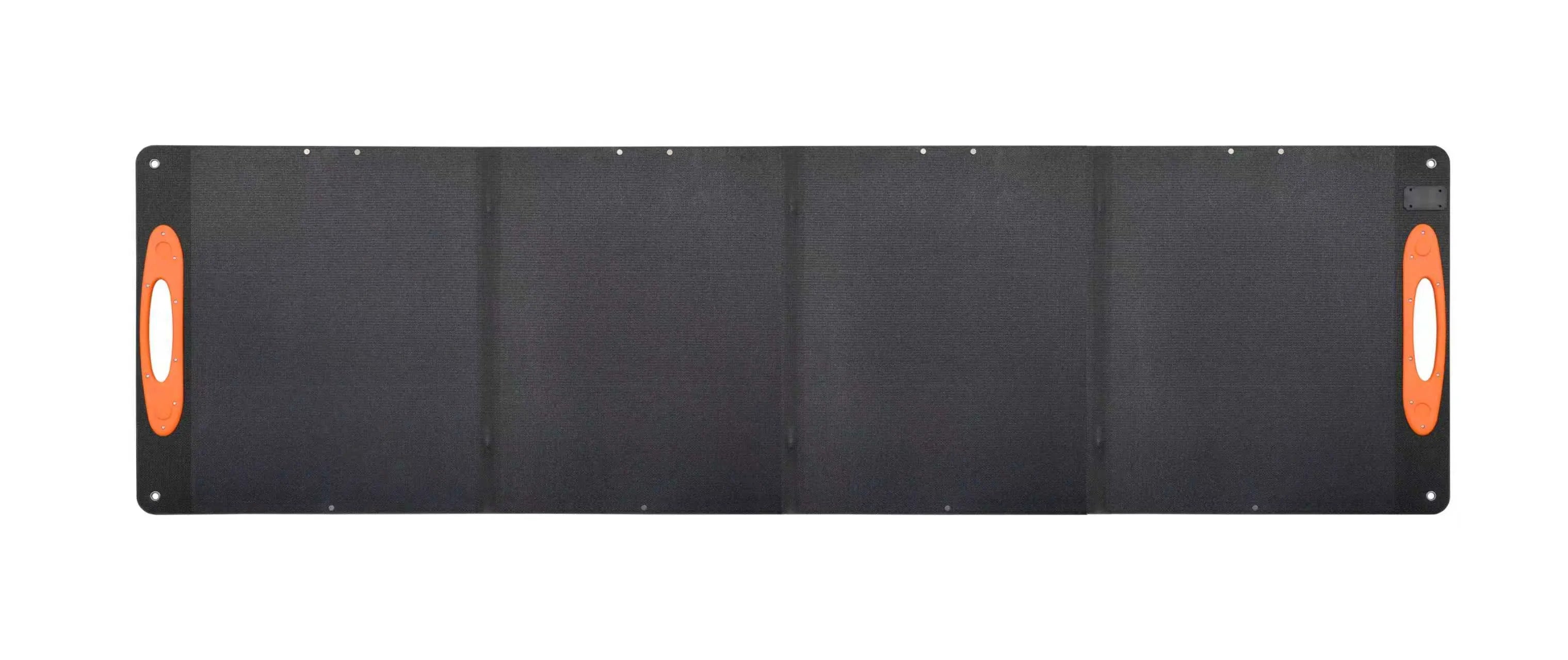
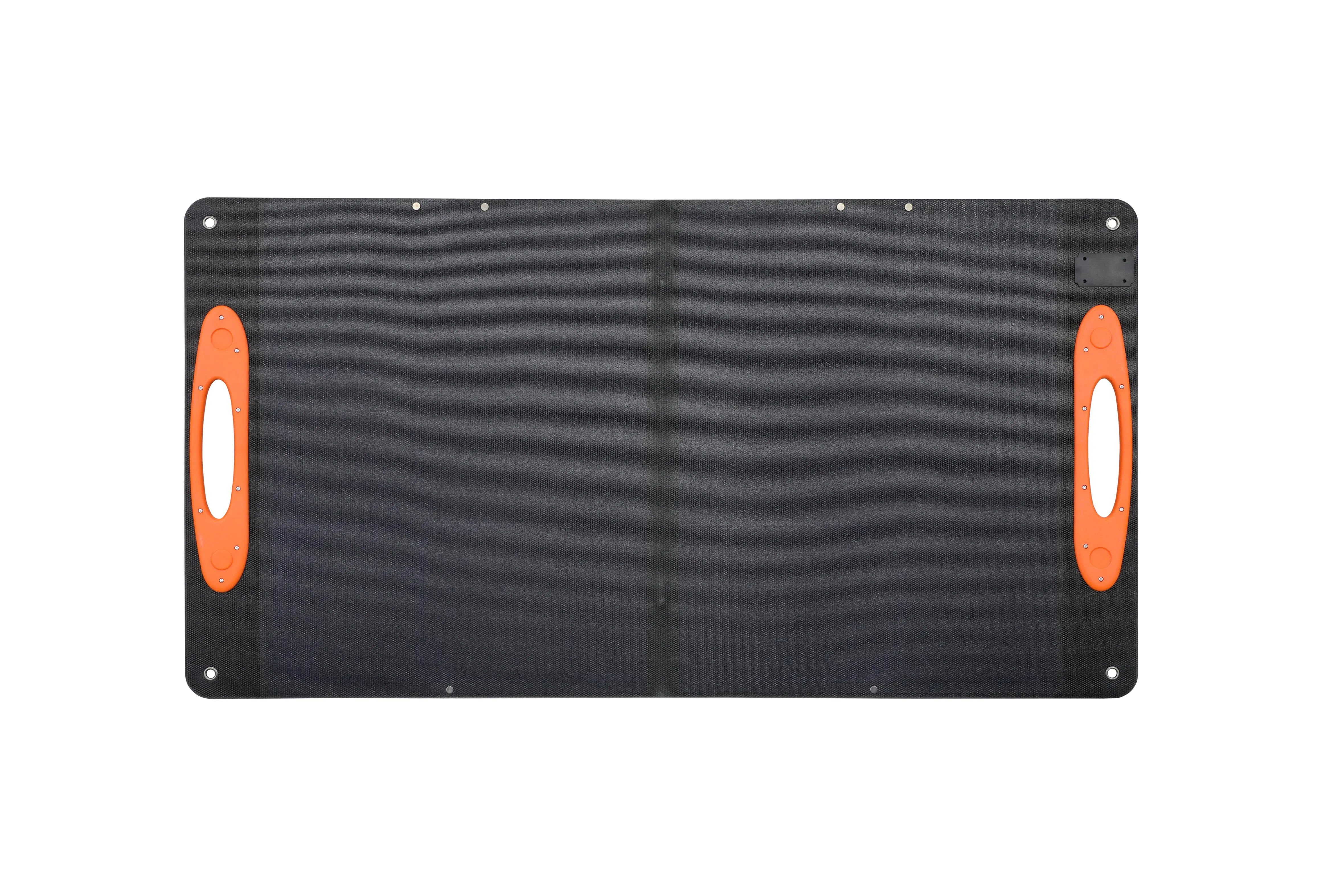
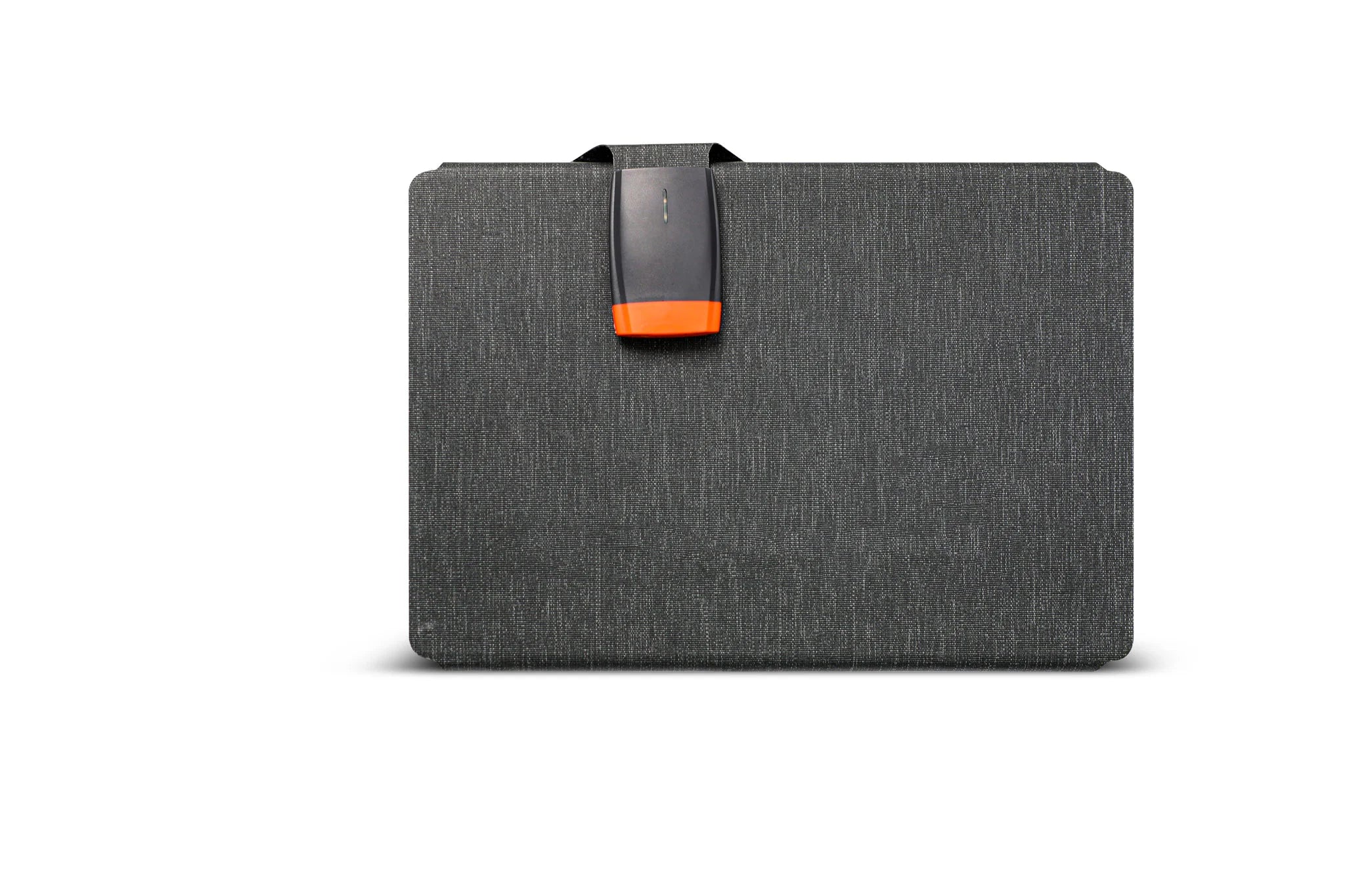
If your campsite gets sun, a solar panel can refill the station during the day while you hike, fish, or explore. Here is a realistic recharge plan:
- 100 W solar panel in good sun delivers ~300–400 Wh per day (accounting for angles, heat, and partial shade).
- That is enough to fully replace one night of 50 W CPAP use (~400–500 Wh gross, ~360–450 Wh net).
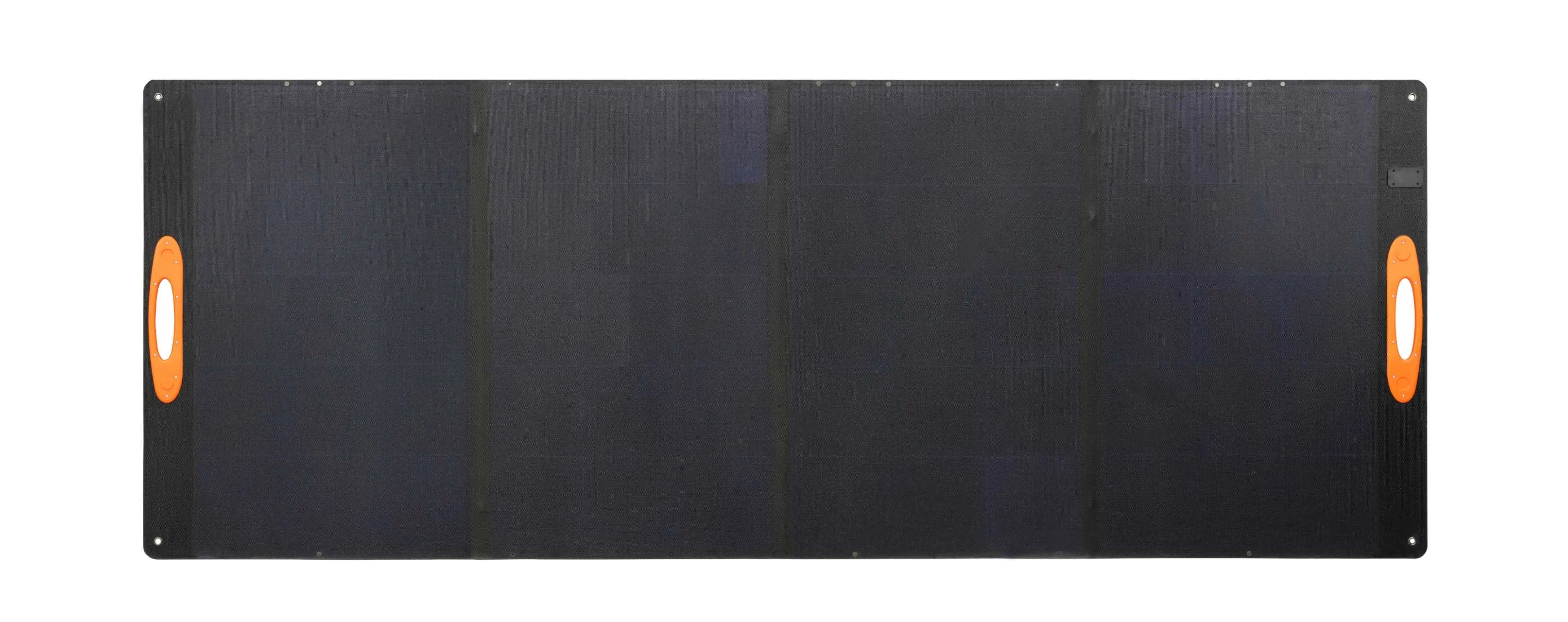
- A 200 W panel array can replace two nights of use or recharge a depleted HS1800 from 20% to 80% in a single good day.
Both the HS1800 and HS3600 include MPPT solar charge controllers, so they extract maximum power from the panel even in variable light. For indefinite off-grid CPAP use, pair the HS1800 with a 200 W folding solar panel and point it at the sun before breakfast.
What About Backup Power at Home?
The same sizing logic applies to home blackout preparedness. If your region experiences seasonal storms or grid instability, a power station sized for camping doubles as a home backup battery for medical devices. The HS3600 can run a CPAP for nearly a week during an extended outage, or power lights, phones, and a refrigerator alongside it. For whole-home backup planning, see our home energy storage guide.
Checklist: Camping with a CPAP
- Know your watts: check the CPAP label or manual for rated wattage, then test with a kill-a-watt meter at home.
- Size for 1.5× your nights: if you camp for 3 nights, size for 4.5 nights of runtime to cover cloudy solar days and higher-than-expected draw.
- Turn down or off the humidifier if conditions allow.
- Bring a DC adapter if your machine supports it.
- Charge before you leave — a full station at departure is worth two days of solar.
- Pack the CPAP in a padded case and keep the hose/tubing clean; dust at the campsite can clog filters faster than at home.
Frequently Asked Questions
Can I use a power bank instead of a power station for my CPAP?
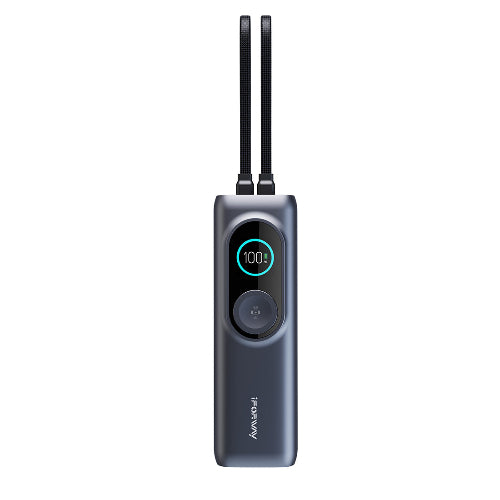
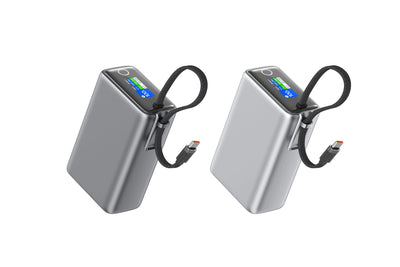
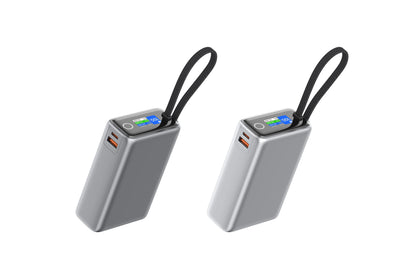
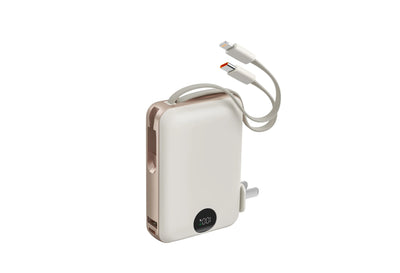
Small power banks (20,000–50,000 mAh / 74–185 Wh) can run a travel CPAP for a few hours, but they lack the capacity for a full night with humidification and cannot power the AC brick that most full-size machines require. A portable power station with 500+ Wh and a pure-sine AC inverter is the reliable choice for overnight CPAP use.
Will the power station be too loud to sleep next to?
Quality portable power stations use fanless or low-RPM cooling and typically run under 35 dB at low load — quieter than a whisper and far quieter than a gas generator. The iFORWAY HS1800 and HS3600 are designed for bedroom-quiet operation. Place the station on the tent floor (not a resonating table) and the noise is negligible.
Do I need a pure-sine wave inverter for my CPAP?
Yes. CPAP machines contain sensitive motors and circuit boards that can malfunction or overheat on modified-sine wave power. All iFORWAY power stations output pure sine wave AC, so your machine receives the same clean power it gets from a wall outlet.
The Bottom Line
Camping with a CPAP is no longer a logistical headache. With the right power station for CPAP camping, you get silent, fume-free power that lasts multiple nights — and recharges from the sun while you explore. For weekend warriors, the iFORWAY HS1800 delivers the best balance of capacity, weight, and price. For extended off-grid living or home backup, the HS3600 is the workhorse that never quits.
Need a custom power solution for a rental fleet, medical outreach program, or OEM product line? Contact iFORWAY engineering for volume pricing and white-label options.
