


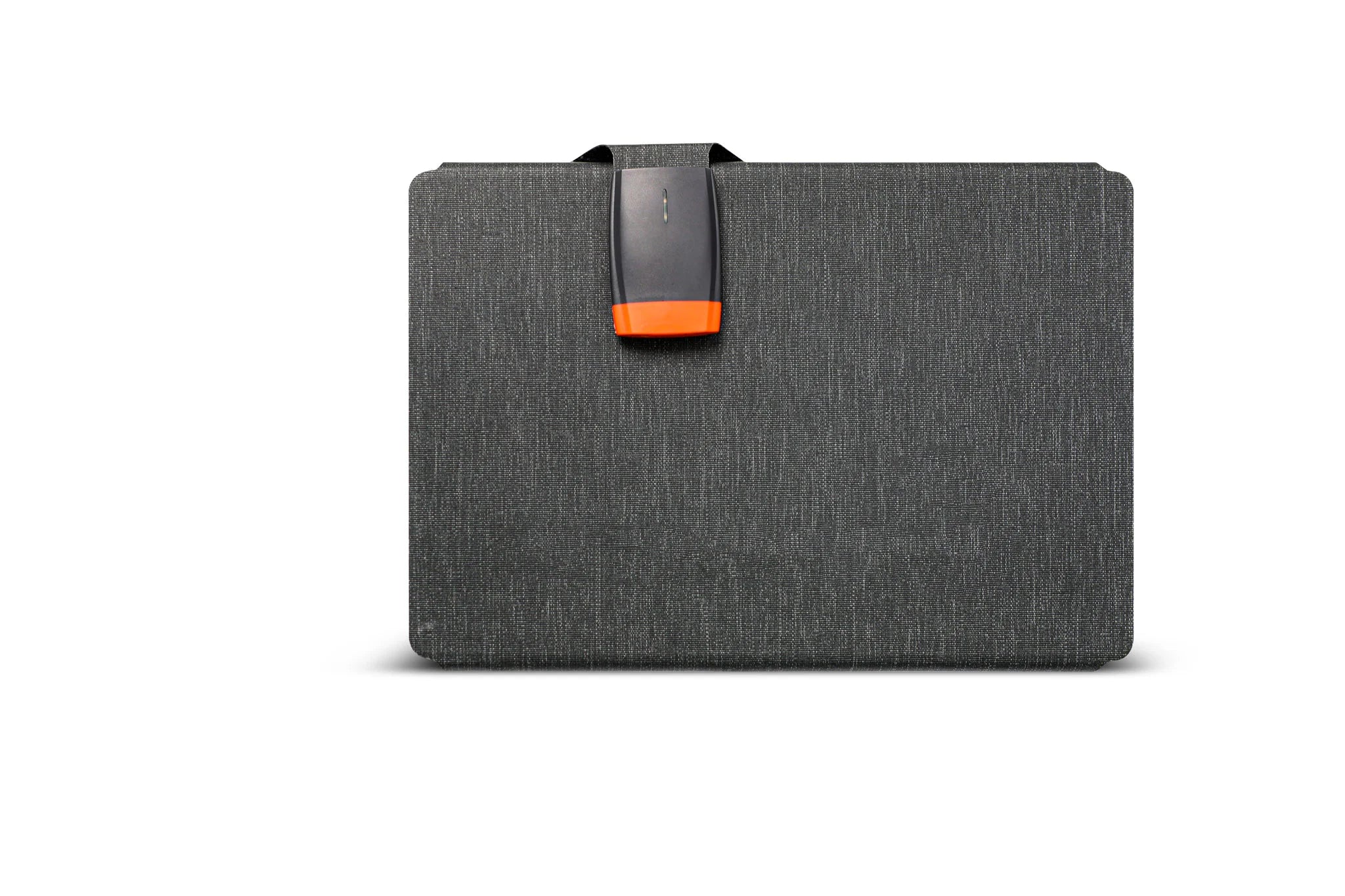
Protection Beyond the Output Number
The published M5003 protection list covers overcharge, over-discharge, overcurrent, short circuit and temperature protection. Review the operating manual and project conditions before deployment.
HIGH-OUTPUT MOBILE POWER / OEM & ODM
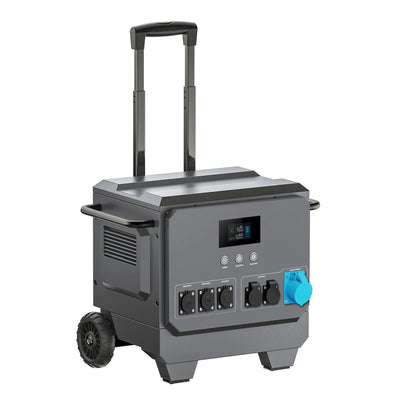
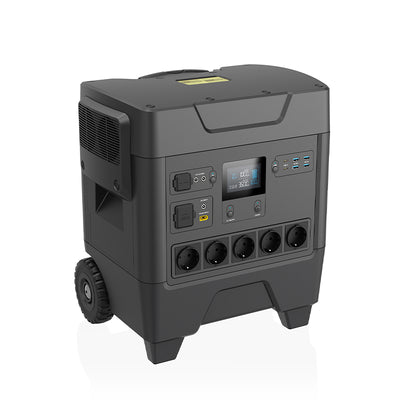
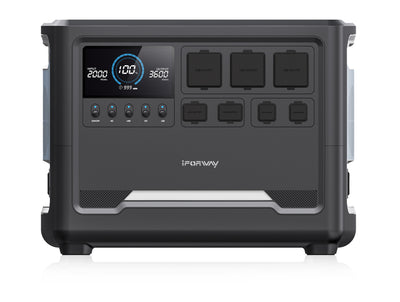
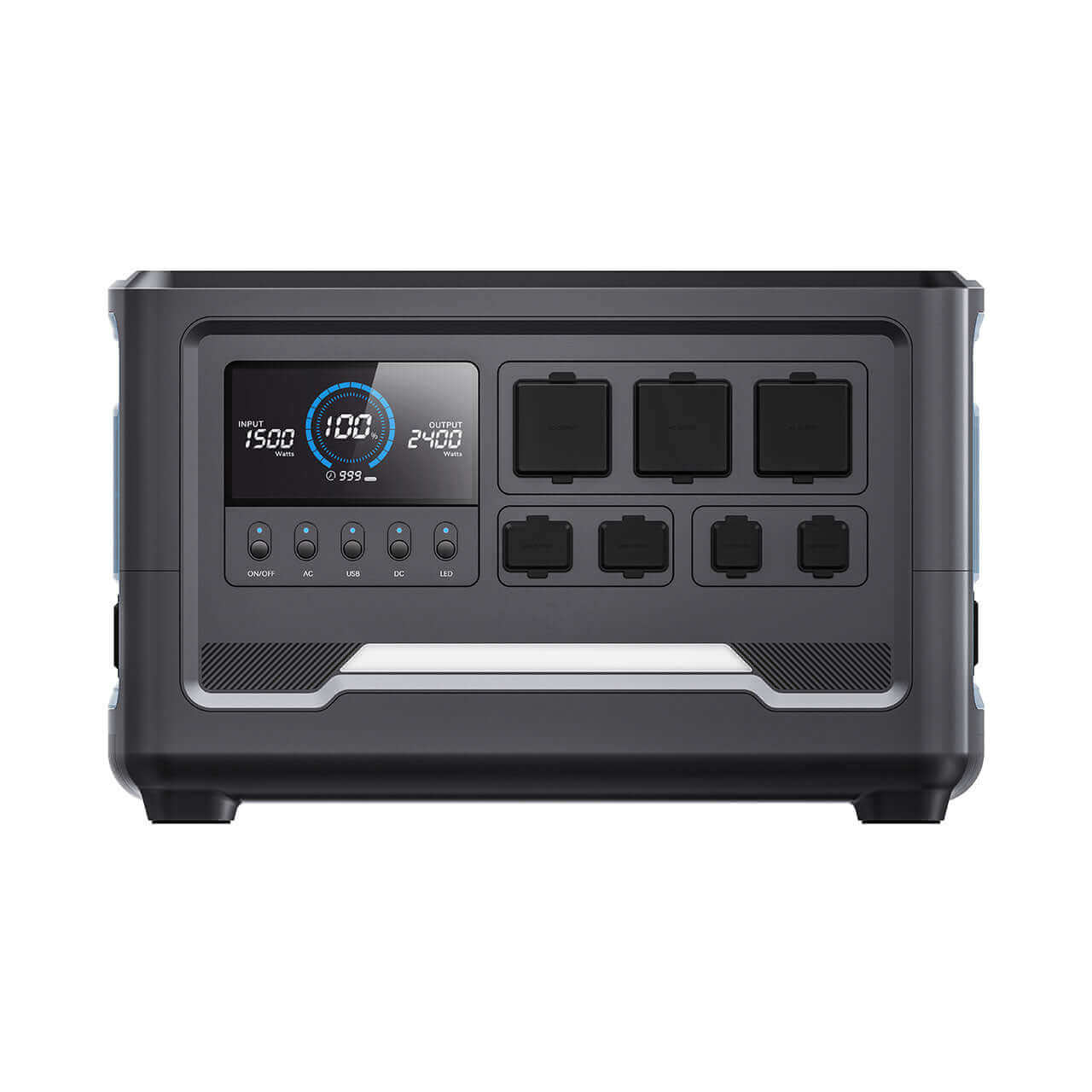
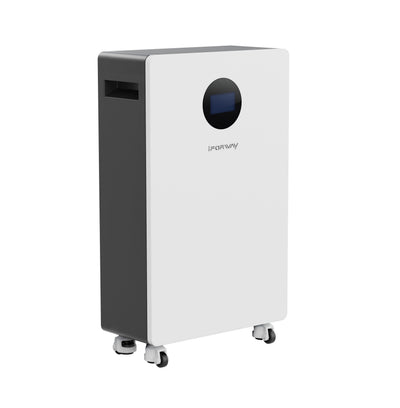
Build your high-output portable power line around the M5003: a 5018Wh-class LiFePO4 platform with 6000W continuous pure sine wave AC output. Wheels and a pull handle support on-site repositioning, while OEM/ODM options let you define the supplied configuration for your market.
Published reference: 220–240V AC, 50/60Hz, four AC outlets. Nominal battery energy is 5017.6Wh, rounded to 5018Wh. Confirm the exact configuration before sample approval.
 6000W CONTINUOUS AC
BUILT AROUND THE WORKSITE
The published M5003 protection list covers overcharge, over-discharge, overcurrent, short circuit and temperature protection. Review the operating manual and project conditions before deployment.
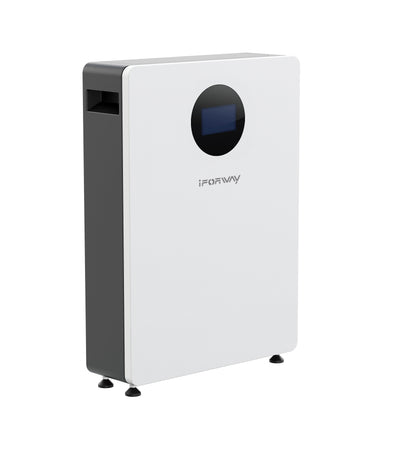
The published net weight is 65kg, with dimensions of 622 × 422 × 520mm. Wheels and a pull handle help reposition the unit on suitable surfaces; plan lifting, unloading and access separately.
Battery-management protection is not an ingress or impact rating. This page makes no rain, immersion, drop-height, crush-load or military-standard claim for the M5003. Follow the supplied model's operating instructions.
A Platform for High-Demand Work
The M5003 combines 5017.6Wh nominal battery energy with 6000W rated pure sine wave AC output. The published 12kW peak rating is not a continuous-output specification; request its applicable duration and test conditions.
Review continuous demand, starting current and simultaneous loads together. Send your equipment list for a configuration-specific compatibility assessment before committing to a project.
Rounded battery energy · 5017.6Wh nominal
Continuous AC output
Published peak · duration to be confirmed
The output rating describes load capability, not operating duration. Use battery energy, equipment duty cycle and operating losses to assess runtime, then validate the intended configuration.
Check power tools, battery chargers, lights and other devices as one system. Starting peaks, cable requirements and local electrical rules matter as much as the total rated watts.
Plan Around Your Equipment
Use these applications as starting points for review, not blanket compatibility guarantees. Submit each device, duty cycle, starting demand and required operating duration before final selection.
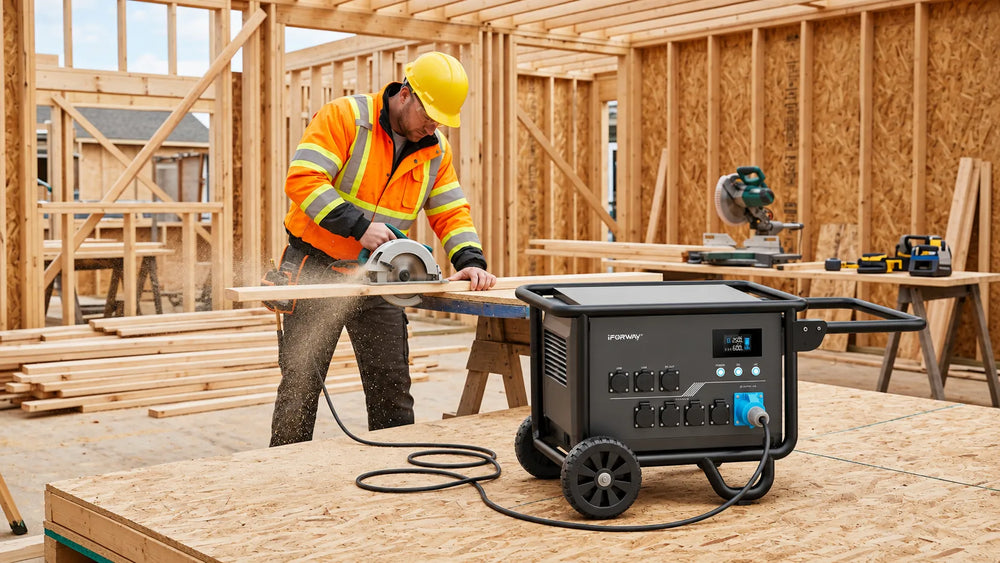
Review cutting, drilling, grinding and tool-battery charging against the 6000W continuous rating. Check the starting demand and combined load rather than assuming every tool can run simultaneously.
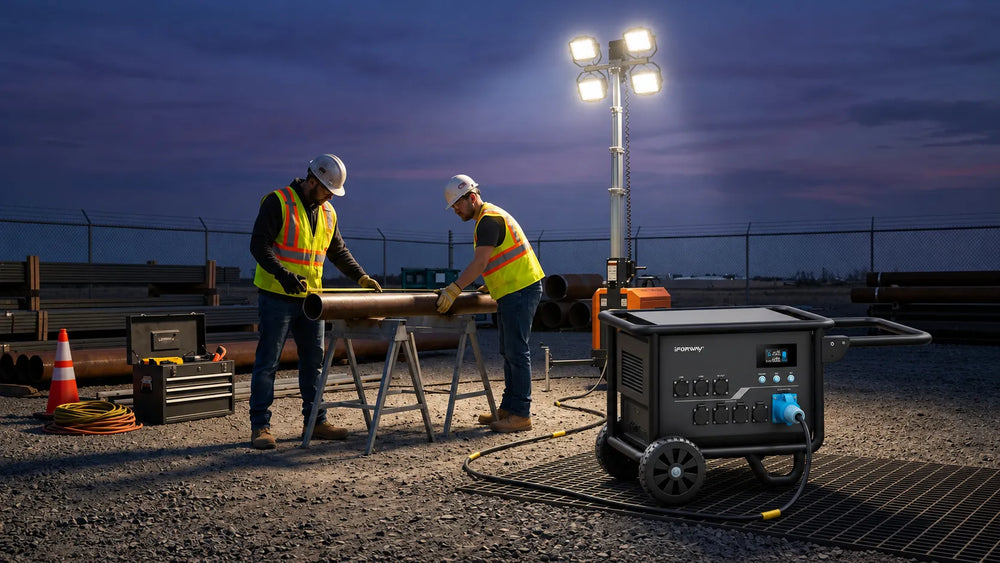
Plan work lights and compatible temporary-site equipment as a combined load. Include operating hours, cable arrangements and site conditions when requesting a runtime assessment.
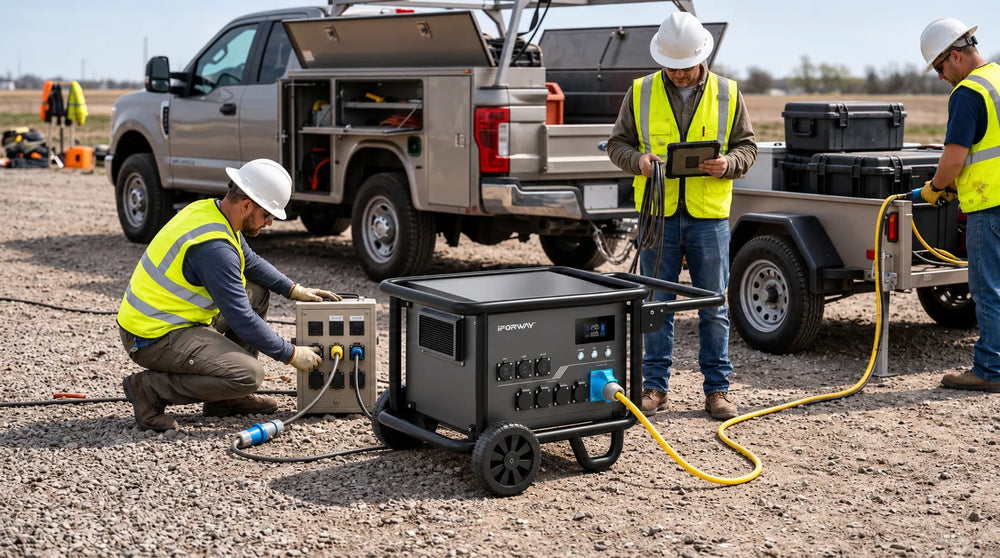
Bring reserve AC power to selected service and maintenance equipment. Confirm access, handling and unloading arrangements for the published 65kg unit before deployment.
Know the Input Limits
Use the published AC and XT60 solar/DC limits to plan your charging source. Confirm the exact input arrangement before selecting panels, cables or combined charging modes.
The published 230V version accepts 180–264V AC, 47–63Hz, up to 2500W. A peak input rating is not a guaranteed full-charge time; request the applicable charge curve and test conditions.
The published XT60 input range is 12–60V DC, with 20A maximum current and 1200W maximum input power, using MPPT. Actual solar input depends on the array and operating conditions.
Provide panel Voc, Vmp and Isc, series/parallel connections and temperature conditions. Confirm channel count and combined-input limits; do not assume dual channels or simultaneous AC plus solar charging.
Backup With Defined Limits
The published battery-mode AC output is 6000W. EPS operation has a separate published maximum continuous load of 3220W and a transfer-time reference of ≤10ms.
Do not treat the EPS figure as zero interruption or assume that a 6000W load can run through EPS mode. Confirm load tolerance, operating mode and the supplied version before connecting interruption-sensitive equipment.
Published Configuration Reference
This table describes the published 220–240V configuration, not every possible OEM variant. Confirm the model-specific datasheet, peak-output test conditions and supplied configuration before approving samples.
| Specification | Published reference |
|---|---|
| Model | iForway M5003 |
| Battery Capacity | 5017.6Wh nominal (51.2V / 98Ah); rounded to 5018Wh |
| Battery Chemistry | LiFePO4 |
| Rated AC Output | 6000W, pure sine wave |
| Published Peak Output | 12kW; not continuous output. Request surge duration and test conditions |
| AC Output | 220–240V AC, 50/60Hz |
| AC Outlets | 4 × AC outlets; confirm regional outlet standard |
| AC Charging Input | 2500W max; 180–264V AC, 47–63Hz for the published 230V version |
| Solar / DC Input | XT60; 12–60V DC; 20A max; 1200W max |
| Solar Charging Technology | MPPT; channel count and combined-input limits require configuration confirmation |
| USB-C Output | 2 × PD 100W; 5V/9V/12V/15V⎓3A, 20V⎓5A |
| USB-A Output | 2 × 18W; 5V⎓3A, 9V⎓2A, 12V⎓1.5A |
| Car Socket Output | 12V / 10A, 120W |
| EPS Maximum Continuous Load | 3220W; separate from 6000W battery-mode AC output |
| EPS Transfer-Time Reference | ≤10ms; not a zero-interruption guarantee |
| Charging Temperature | 0°C to 50°C |
| Discharging Temperature | −20°C to 60°C |
| Product Dimensions | 622 × 422 × 520mm |
| Net Weight | 65kg; plan loading, unloading and site access |
| Display | Battery level, input/output power and estimated remaining time |
| Electrical / Thermal Protection | Overcharge, over-discharge, overcurrent, short circuit and temperature protection |
| Water / Ingress Protection | No ingress-protection rating claimed on this page; confirm model-matched testing and operating instructions |
| Capacity Expansion | Confirm supported battery modules, connection method and maximum capacity before ordering |
| Standard OEM MOQ | 100 units |
Model-Matched Documentation
Share the destination market, requested AC configuration and your customer's documentation requirements. Ask for the M5003 datasheet, user manual and applicable compliance and lithium-battery transport documents for that supplied version.
Review model coverage, issuing or responsible party, document or report number, and version or validity where applicable. General factory qualifications and standard logos are not a substitute for evidence covering the product you plan to purchase.
Build for Your Brand and Market
Standard OEM MOQ starts at 100 units. Discuss logo, color and packaging first, then separate firmware, UI, connector and tooling changes into an engineering review.
For standard-platform projects, planning references are approximately 15 days for samples and 35–45 days for mass production after specifications and commercial terms are approved. Engineering changes, testing, tooling and material availability can affect the schedule; the confirmed quotation and production plan govern.
A two-year warranty is offered for distributor orders, subject to agreed terms. Confirm warranty coverage, start date and service procedures before ordering.
Define your market and load: destination, AC requirements, equipment list and estimated quantity.
Review the configuration: branding, engineering changes, input limits and required documentation.
Approve the sample and terms: validate the agreed specification and commercial requirements.
Confirm production and delivery: agree on packaging, handling, transport documents and the order schedule.
Choose the Right Platform
Send the required energy capacity, continuous and starting loads, backup mode, destination market and mobility requirements. Ask our team to review M5003 alongside the appropriate iForway platforms rather than selecting by peak output alone.
M5003 and M5002 are separate product platforms. Confirm the intended model and its own configuration; do not interchange their specifications or documentation.
Include M5003, your destination market and estimated order quantity in the same enquiry.
YOUR MARKET. YOUR CONFIGURATION.
Send your destination market, estimated order quantity, AC requirements and equipment list. Include branding or engineering changes so the enquiry can be reviewed against the correct M5003 configuration.
BEFORE YOU SPECIFY
The M5003 has 5017.6Wh of nominal battery capacity (51.2V / 98Ah), rounded to 5018Wh, and 6000W continuous pure sine wave AC output. The published battery chemistry is LiFePO4.
No. The published peak output is 12kW, while continuous AC output is 6000W. Request the surge duration, load type and applicable test conditions before approving equipment with high starting current.
The published XT60 solar/DC input is 12–60V DC, 20A maximum and 1200W maximum, with MPPT support. Confirm the supplied input configuration and any combined-input limits; do not assume that multiple channels double the stated power limit.
The published AC charging input is up to 2500W, with 180–264V AC and 47–63Hz input for the 230V version. A guaranteed full-charge time is not stated here; request starting and ending state of charge, temperature and input conditions for a charging-time claim.
Do not assume so. The published EPS maximum continuous load is 3220W, separate from the 6000W battery-mode AC output rating. The published EPS transfer-time reference is ≤10ms, not a guarantee of zero interruption for every connected device.
The published reference is 220–240V AC, 50/60Hz, with four AC outlets. Provide your destination market and required outlet standard so the exact supplied configuration can be confirmed before sample approval.
Runtime depends on connected power, duty cycle, starting demand, inverter losses, standby draw, temperature and battery condition. For illustration only, 5017.6Wh × an assumed 90% delivered-energy factor ÷ a constant 1000W load is about 4.5 hours. This is a calculation example, not a measured or guaranteed runtime.
This page makes no water-ingress rating claim for M5003. Do not expose it to rain, splashing or wet conditions unless the supplied model's documented protection and operating instructions explicitly permit it. Electrical and battery-management safeguards are not a waterproof rating.
The published net weight is 65kg and dimensions are 622 × 422 × 520mm. Wheels and a pull handle support repositioning on suitable surfaces, but do not make it a hand-carried lightweight product. Plan loading, unloading and safe site access.
Ask for the configuration-specific expansion plan, including compatible battery modules, connector or cable requirements, firmware, maximum capacity and transport documentation. No expansion-module count or maximum expanded capacity is promised on this page.
Standard OEM MOQ starts at 100 units. Logo, color and packaging can be discussed first. UI, firmware, connector or tooling changes require engineering review, an agreed specification and confirmation in the quotation.
For standard-platform projects, planning references are approximately 15 days for samples and 35–45 days for mass production after specification and commercial approval. A two-year warranty is offered for distributor orders under agreed terms. The confirmed quotation, production plan and warranty agreement govern.
Request the M5003 datasheet, user manual, relevant model-matched compliance files and applicable lithium-battery transport documents for the supplied configuration and destination market. Confirm model coverage, issuing party, document number, version and validity where applicable; a general factory qualification is not product-specific approval.
Battery-powered operation produces no combustion exhaust and needs no gasoline refueling or engine oil changes. Cooling fans can still make noise and ventilation remains necessary. Battery energy is finite and the unit needs recharging, so suitability depends on load, required duration and access to charging.

Power Life Power Future
Professional outdoor energy storage manufacturer since 2006.
iForway
inquiry@iforway.com
+86 13828849396 (WhatsApp / Mobile)
Subscribe to get the 2026 product catalog, latest price list and new product releases.
iForway is the brand of 3A Technology Co., Ltd. — a Shenzhen-based OEM/ODM manufacturer of portable power stations, LiFePO4 batteries, hybrid solar inverters and foldable solar panels, founded in 2006. The iForway brand is operated by 3A Technology Co., Ltd.
© 2026 iForway (3A Technology Co., Ltd.). All Rights Reserved.