

CE, UL, PSE, UN38.3: Which Certifications Does Your Home Battery Need by Market?
Direct answer: Home battery systems need different certifications depending on the destination market: CE and RoHS for Europe (with country-level checks such as Germany), UL and FCC for the United States, PSE for Japan, KC for South Korea, and UN38.3 plus MSDS for international air and sea freight. Before you place an OEM order, ask the factory for the certificate copy, its validity period and the exact model it covers — a certificate on a similar model is not a certificate on yours.
The Short Answer
Certification is a market-access gate, not a marketing extra. A distributor, installer or EPC cannot legally sell a home energy storage system in most markets without the right marks, and a customs hold or a failed grid inspection can cost far more than the certificate itself. For a B2B buyer the practical checklist is:
- Europe (EU/UK): CE marking (low-voltage and EMC requirements) and RoHS; Germany and other subsidy markets often add local documentation or grid-connection checks.
- United States: UL-listed battery and inverter components plus FCC for electromagnetic compatibility; local authorities of jurisdiction (AHJs) commonly ask for UL-based safety listings.
- Japan: PSE (Electrical Appliance and Material Safety Law) certification.
- South Korea: KC certification.
- Shipping (all markets): UN38.3 transport test certificate for lithium batteries plus an MSDS/SDS document for the freight forwarder.
- International baseline: IEC 62133 battery safety and RoHS restricted-substance compliance are widely referenced in tender and distributor contracts.
iFORWAY holds ISO 9001, BSCI, CE, FCC, UL, KC, RoHS, UN38.3, IEC 62133 and MSDS documentation across its production lines, and the same documentation package is what a serious OEM buyer should request in writing before sampling.
Certification Requirements by Market
| Market | Key certifications | Typical buyer checks |
|---|---|---|
| Germany / EU | CE, RoHS | Subsidy-eligibility documents, grid-connection requirements for hybrid inverters |
| United States | UL-based listings, FCC | AHJ requirements, installer insurance acceptance |
| Japan | PSE | Appliance and Material Safety Law compliance |
| South Korea | KC | Local safety mark for batteries and inverters |
| Australia / NZ | AS/NZS-based compliance | Grid-connection and install standards for inverter systems |
| All markets | UN38.3, MSDS, IEC 62133, RoHS | Freight, customs and distributor contracts |
Requirements change over time — battery regulations in the EU and grid codes in individual states are updated regularly. Treat the table above as a starting point and confirm the current list with your local importer, certification body or the factory's compliance team before committing to a container.
UN38.3: The Shipping Certificate Every Battery Needs
UN38.3 is the United Nations transport test for lithium cells and batteries. No matter how many certifications your target market requires, a lithium home battery cannot travel by air or sea without a valid UN38.3 test report from an accredited laboratory, and the report must match the exact cell and pack construction being shipped. Buyers often overlook two details:
- Model coverage: the report must list your model and its cell configuration — a report for a 100 Ah pack does not cover a 314 Ah pack.
- Validity tracking: UN38.3 reports and MSDS documents need to stay current; ask the factory how often they re-issue them and whether your private-label version is covered.
For an OEM buyer this is also a supply-chain resilience question: a factory that ships 60+ countries on a regular basis maintains this paperwork continuously, so your first order does not stall at the forwarder's desk.
What to Ask the Factory Before You Order
Put the following questions in your RFQ, in writing:
- Please provide the certificate copy and test report for the exact model I am ordering, with issue date and validity.
- Does the certificate cover my private-label configuration (logo, housing color, firmware)?
- Which markets are already covered — CE, UL, PSE, KC, UN38.3 — and what is the timeline and cost if I need a new market's certification?
- Can you provide the MSDS/SDS and shipping documentation with each order?
- Do you hold ISO 9001 and BSCI, and can we verify them during a factory audit or video inspection?
A factory that answers these questions with documents rather than promises is usually the one that also ships on time.
How iFORWAY Fits
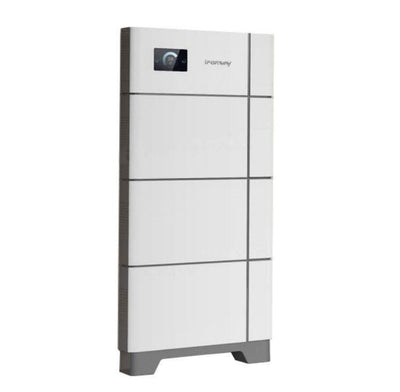
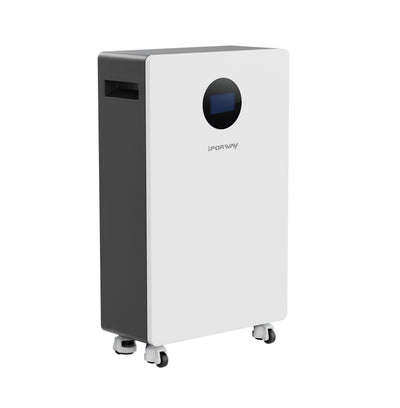
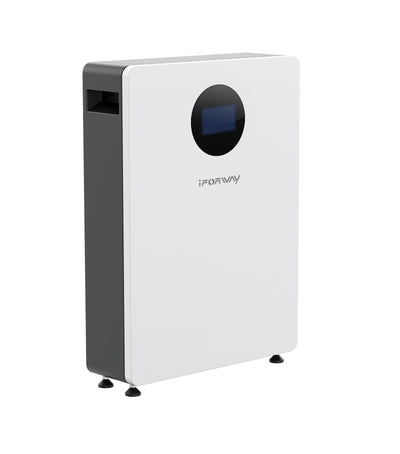
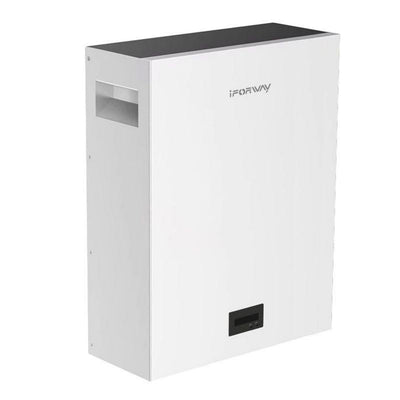
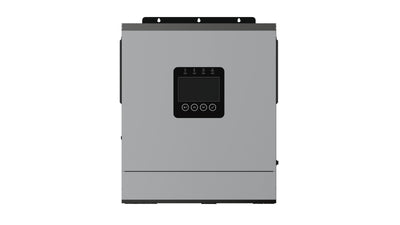
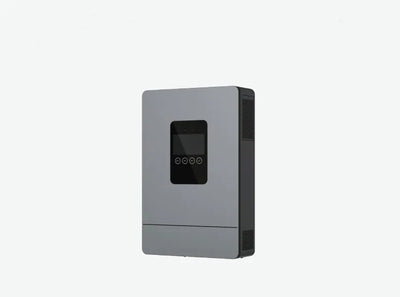
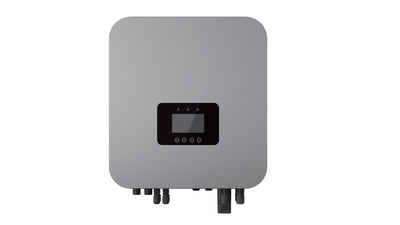
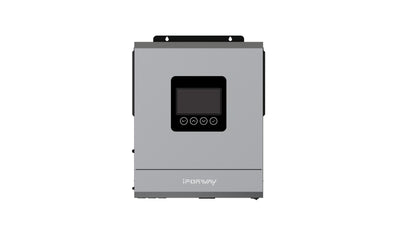
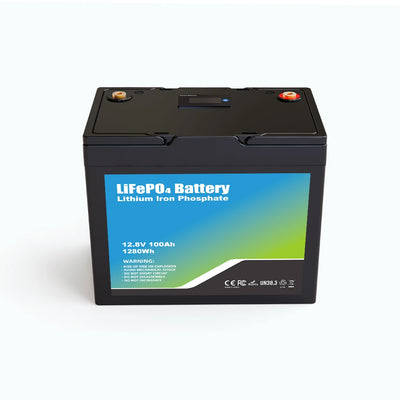
iFORWAY (3a technology co., ltd., Shenzhen) has manufactured energy storage since 2006 and exports to 60+ countries. Its hybrid home storage system, the BKES-5K48100, combines a 6 kW pure sine wave inverter, 12 kW surge, 120 A solar charging, and a LiFePO4 battery stack that expands to 15.36 kWh — 8000 cycles at 90% depth of discharge. The system accepts 208/220/230/240 V AC input, switches in ≤10 ms, and monitors the stack via LCD with RS232/RS485/CAN communications. For distributor programs it pairs with BKHB-486090 hybrid inverters to cover larger whole-home installations.
For buyers comparing cell chemistries and cycle economics, see our comparison of LiFePO4 vs sodium-ion batteries. iFORWAY runs OEM/ODM programs with a 500 pcs MOQ, 15-day sampling, 45-day mass production, and replies to inquiries within 24 hours. Request the certificate package together with your quote at Request a Quote, or review the full OEM process on the OEM/ODM page.
Frequently Asked Questions
Do I need CE for selling home batteries in Europe?
Yes, CE marking is the baseline for the EU market, covering low-voltage and EMC requirements; Germany and other subsidy markets often require additional documentation for grid connection and incentives.
Is UN38.3 the same as a safety certification?
No. UN38.3 is a transport test certificate for shipping lithium batteries; market safety certifications (CE, UL, PSE, KC) are separate requirements for sale and installation.
Can a certificate on a similar model cover my private-label version?
Only if the certificate explicitly lists your model and configuration. Always ask for the report matching your exact model and private-label options.
How long does it take to certify a new market for a home battery?
It depends on the market and the factory's existing documentation; a factory that already exports to the target market can usually reuse tested platforms and shorten the timeline significantly.
Next Step for Buyers
Send your target markets and product requirements to iFORWAY at Request a Quote — the same team that manages certification, sampling and mass production will reply within 24 hours with the documentation package and a compliance plan.
