

A grid outage in a dense city is not an inconvenience — it is a cascade. Traffic lights fail, mobile networks choke, elevators strand residents, and underground car parks go dark. That is why property managers, facility engineering teams, and municipal operators are no longer asking whether they need backup power, but how to architect it. The answer increasingly looks like an urban microgrid: a small, islandable energy system that generates, stores, and distributes power within a single building, block, or campus.
This guide explains how an urban microgrid works, the three deployment models that actually fit city real estate, the sizing math, and where battery-based storage beats a diesel genset — with a worked example you can hand to an electrical contractor.
What Is an Urban Microgrid?
An urban microgrid is a localized power system with its own generation, storage, and control layer that can run either connected to the main utility grid or isolated from it. The US Department of Energy defines a microgrid by three capabilities: local generation, local load management, and the ability to disconnect from the area grid and operate as an island.
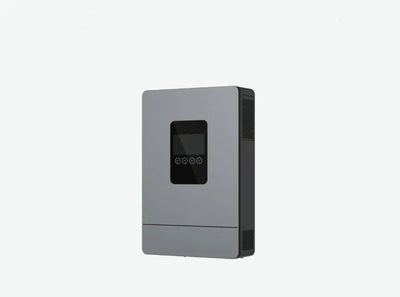
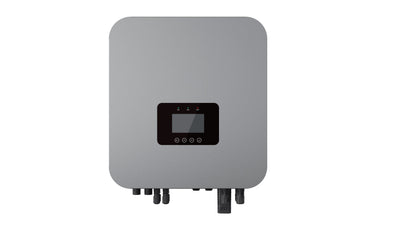
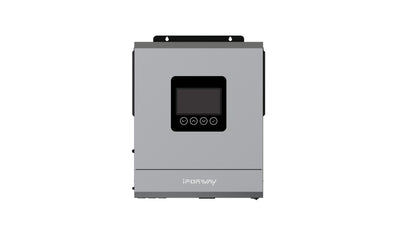
What separates an urban microgrid from a whole-home battery is scale and intent: it serves multiple tenants, multiple circuits, or a critical function — not one kitchen. In practice that means rooftop PV, a battery bank, an automatic transfer switch (ATS), and a controller that decides when to island, when to charge, and when to shave peak demand.
Why Cities Are Adopting Microgrids Now
- Grid reliability: aging distribution networks and rising extreme-weather events are increasing outage frequency and duration in urban areas.
- Demand charges: commercial electricity tariffs often bill on the highest 15-minute peak. Storage can cap that peak and cut the monthly charge without touching consumption.
- Rooftop real estate: warehouses, car parks, and shopping centres have large unused roofs and a single metering point — ideal for PV plus storage.
- Regulatory pull: many jurisdictions now fast-track small distributed generation and allow behind-the-meter storage to provide grid services.
- Diesel restrictions: noise ordinances, emissions zones, and indoor air-quality rules increasingly rule out generators in dense areas.
Three Urban Microgrid Models That Fit City Buildings
Not every site needs the same architecture. The table below maps three realistic models to the physical constraints of urban sites.
| Model | Typical Site | Capacity Range | Best For | Main Constraint |
|---|---|---|---|---|
| Balcony / plug-in microgrid | Apartment, small office, studio | 0.2–2 kWh storage, 300–800 W PV | Tenant-level resilience, home office, Wi-Fi and lighting backup | No dedicated electrical room; must use plug-in, certified hardware |
| Rooftop PV + battery room | Mid-size commercial building, retail, clinic | 3–15 kWh storage, 3–20 kW PV | Demand-charge shaving, critical-circuit backup, EV charger buffering | Roof load and structural approval; fire separation for battery room |
| Campus / multi-building island | Business park, hospital block, logistics hub | 20 kWh–MWh, 20 kW+ PV | Full island operation, generator replacement, tenant sub-metering | Protection coordination, utility interconnect agreement, capital cost |
Most readers asking "how do I build an urban microgrid" are actually in the second row — a commercial building that wants resilience and a lower bill from the same asset. The rest of this guide focuses there, with notes on scaling up.
Step-by-Step: Building a Rooftop PV + Storage Microgrid
Step 1 — Map the critical loads, not the whole building
Do not size a microgrid for everything. Islanding a full building means islanding its HVAC, and that is where budgets collapse. Instead, list what must stay live:
- Life-safety and egress lighting
- Security, access control, CCTV, and fire alarm panels
- Server room, telecom, and network core
- Lifts (one car minimum in residential), pumps, and drainage
- Refrigeration or cold storage where relevant
Split these onto a dedicated backed-up distribution board. This single decision determines the inverter size, the battery size, and the transfer switch rating — three of your four largest cost lines.
Step 2 — Measure the real load profile for at least two weeks
A microgrid sized from nameplate ratings will be oversized by 40–60%. Log actual consumption with a clamp meter or the building's own energy management system for two weeks, capturing:
- Average load in kW, by hour
- Peak 15-minute demand and when it occurs
- Night-time base load (this is what the battery must carry)
- Which loads are surge loads (motors, compressors, pumps)
Step 3 — Design the PV array against usable roof area
In northern Europe, a well-oriented rooftop generates roughly 850–1,050 kWh per kWp per year; in southern Europe and the Middle East, 1,400–1,700 kWh. But urban roofs carry HVAC plant, skylights, and parapets — assume only 55–70% of gross roof area is actually usable, then apply the local fire-setback rules.
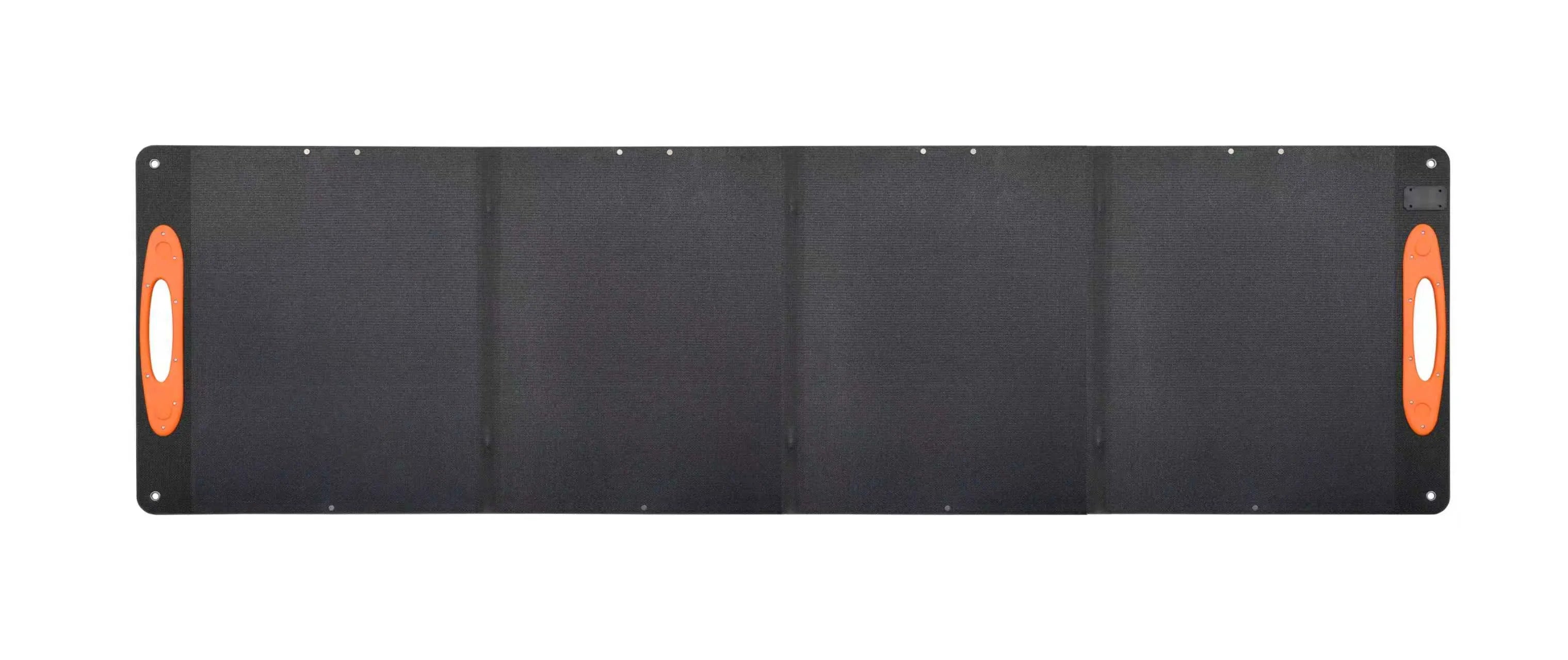
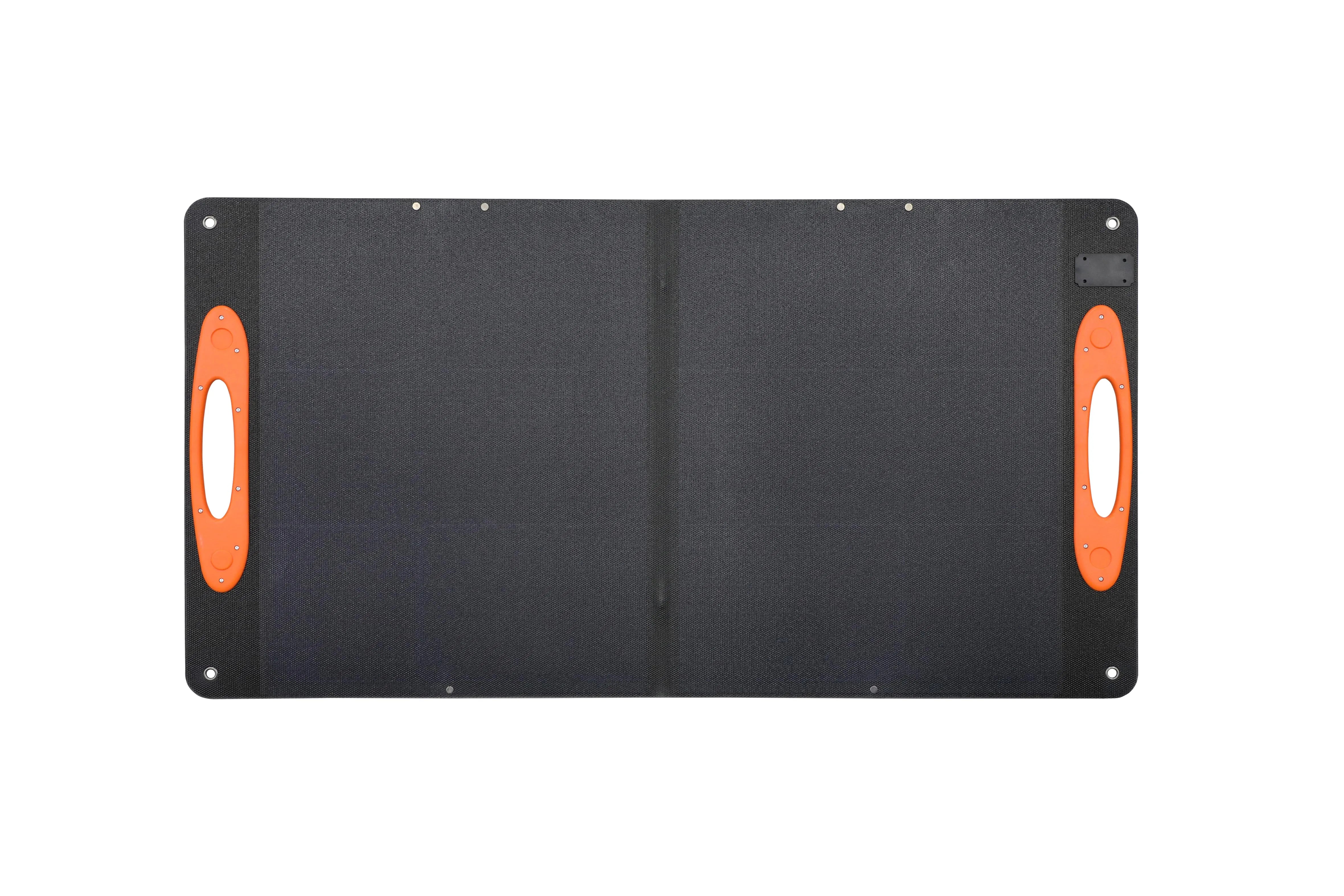
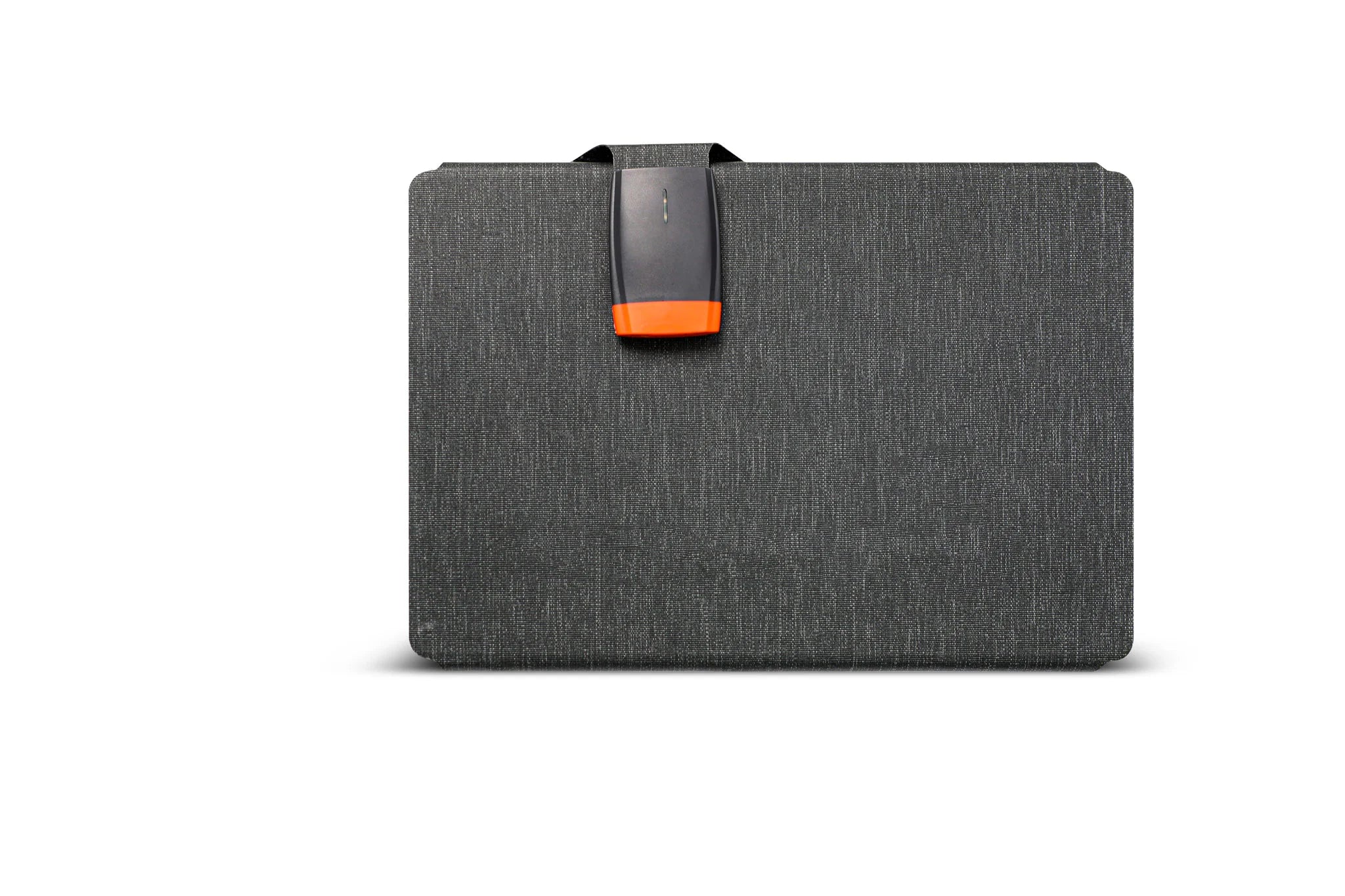
For a 500 m² usable roof, a modern module at ~220 W/m² gives roughly 110 kWp — far more than a single building needs. Most urban microgrid projects install 10–30 kWp and use storage to shift that energy into the evening peak. Portable and semi-portable MPPT charge controllers such as those built into iFORWAY stations let you pilot a rooftop string before committing to a full PV installation.
Step 4 — Size the battery from the night-time load
Use this formula:
Required usable kWh = night base load (kW) × backup hours ÷ 0.9 (depth-of-discharge and inverter losses)
Worked example for a 3-floor office block with a 1.8 kW night base load and an 8-hour resilience target:
| Parameter | Value | Notes |
|---|---|---|
| Night base load | 1.8 kW | Measured, not estimated |
| Resilience target | 8 hours | Overnight outage scenario |
| Energy required | 14.4 kWh | 1.8 × 8 |
| Usable capacity needed | 16 kWh | ÷ 0.9 |
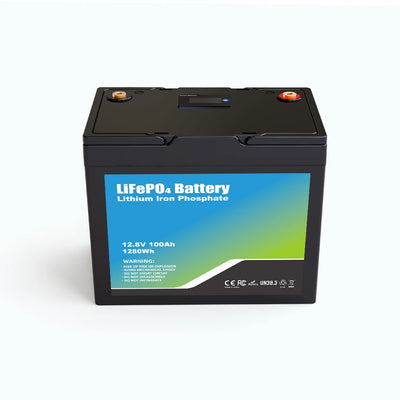
| Suggested configuration | 4 × 5.1 kWh wheeled stations (20.4 kWh) | N+1 headroom for surge and future load |
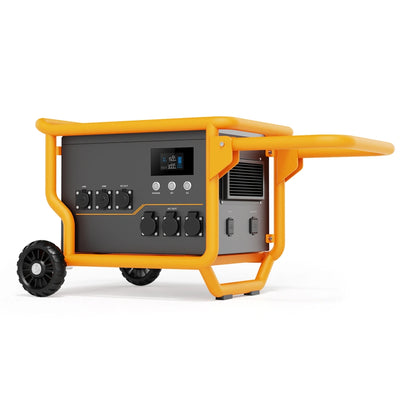
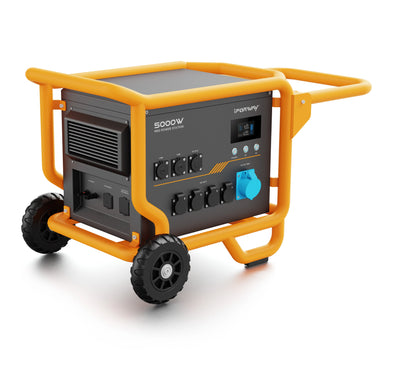
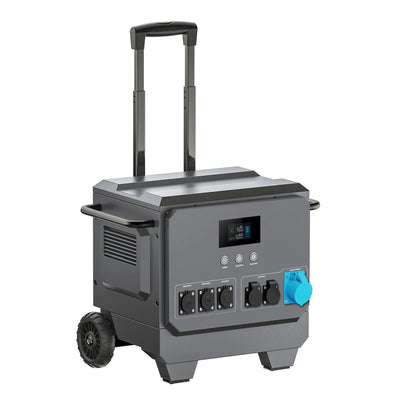
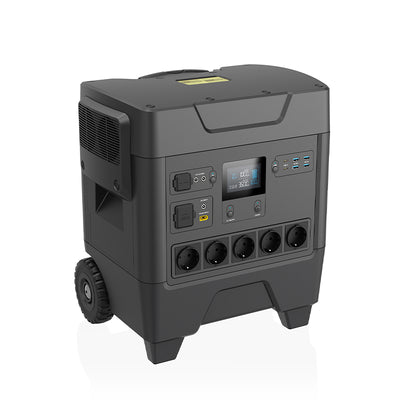
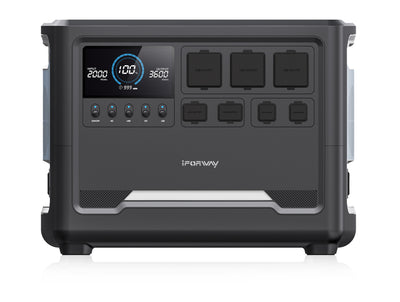
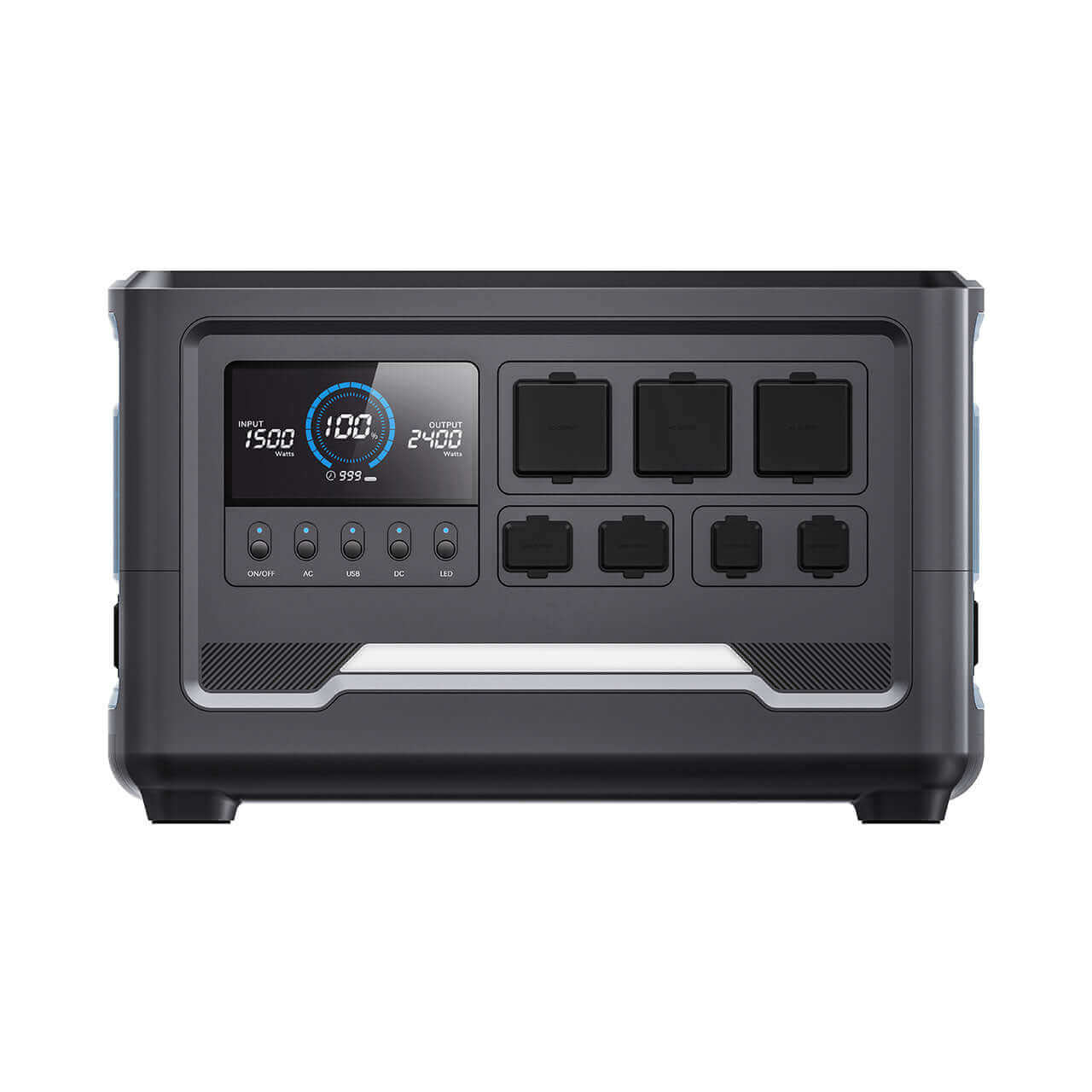
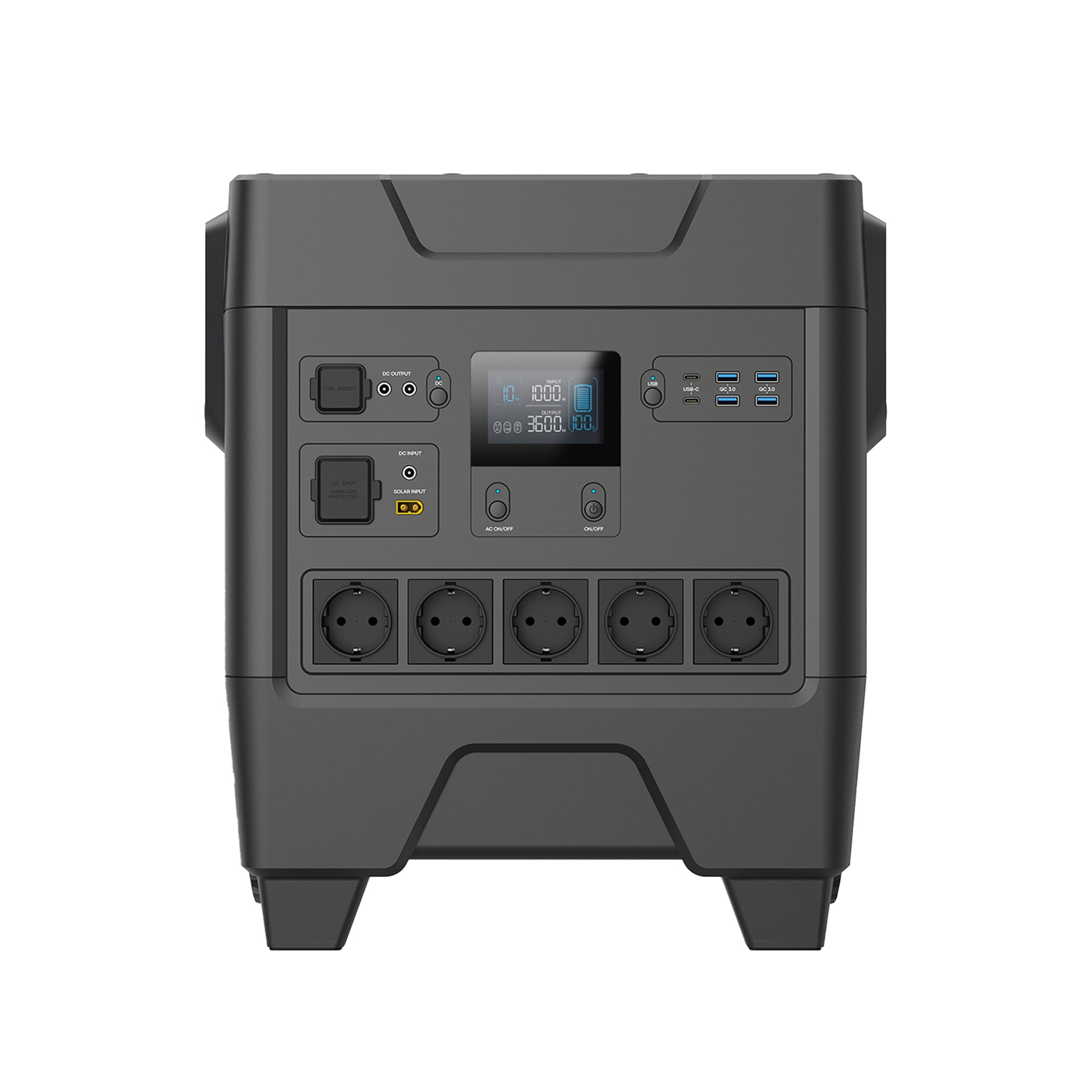
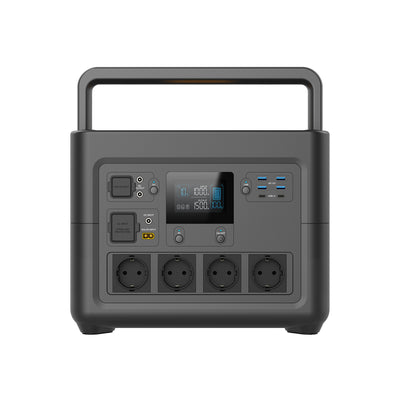
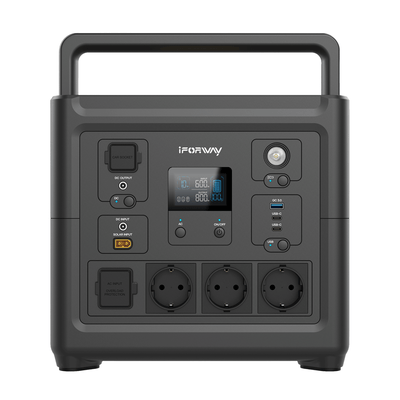
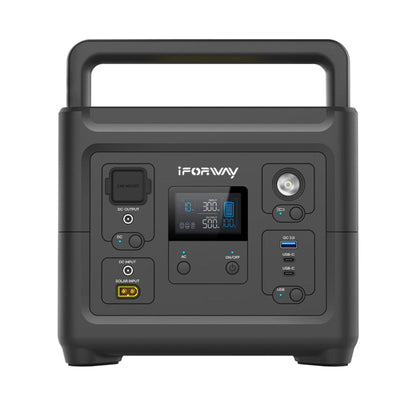
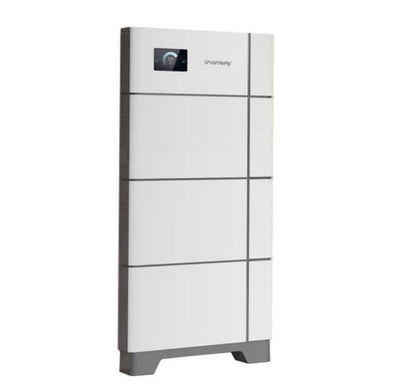
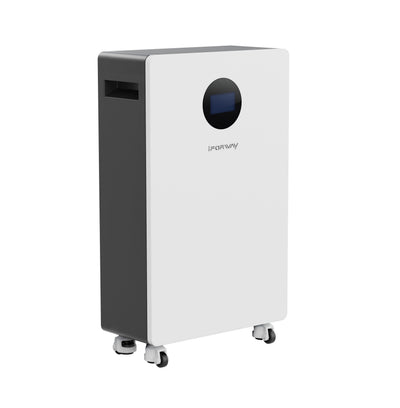
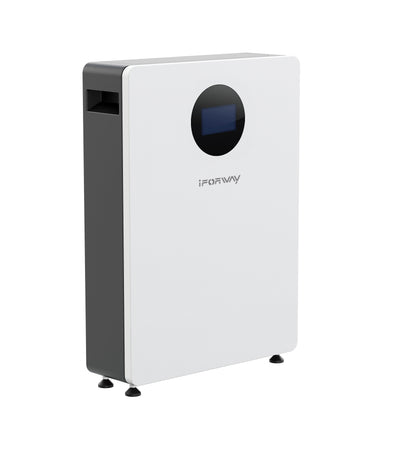
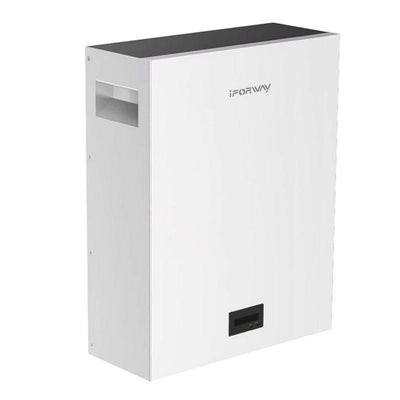
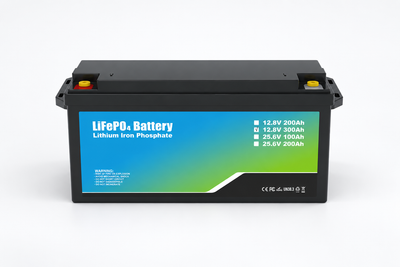
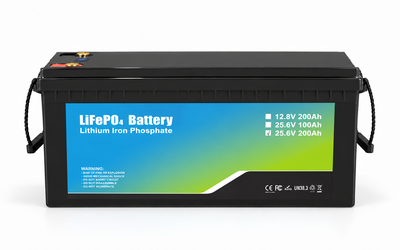
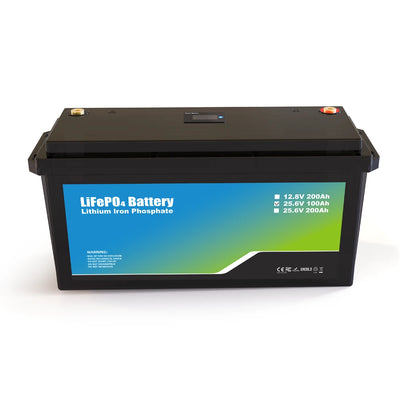
Wheeled, rack-style lithium stations such as the iFORWAY M5003 (5.1 kWh, 6000 W continuous / 12 kW peak) are built for exactly this pattern: multiple units parallel into one bank, each on castors so they can be repositioned between floors or moved to a second site. For smaller installations, a 3 kWh M3003 covers a single floor or a critical-circuit panel.
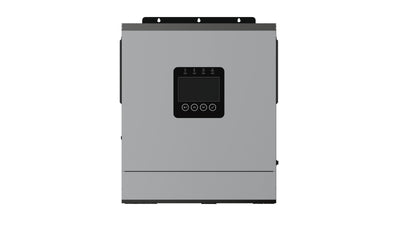
Step 5 — Choose the transfer and control layer
The microgrid controller is where cheap projects fail. You need:
- An ATS rated above the backed-up panel's ampacity, with a defined transfer time your IT and lift equipment can tolerate.
- Anti-islanding protection so you never back-feed a de-energized utility line — this is a legal requirement in every jurisdiction.
- Load prioritization so that as the battery depletes, non-critical circuits shed first instead of the whole system tripping.
- Remote monitoring with per-circuit telemetry; without data you cannot prove savings to the building owner.
Step 6 — Handle permitting and interconnection
Urban projects live or die on paperwork. Expect to need: a structural assessment for roof-mounted PV, a fire-safety plan covering battery location and separation distances, an electrical single-line diagram stamped by a licensed engineer, and a utility interconnection application. Battery chemistry matters here — LFP systems with UN38.3, MSDS, and CE documentation clear review far faster than undocumented assemblies.
Where Storage Beats a Diesel Generator in a City
| Factor | Battery Microgrid | Diesel Genset |
|---|---|---|
| Noise at 10 m | Under 40 dB (near silent) | 65–80 dB |
| Indoor / basement siting | Feasible with ventilation and fire separation | Usually prohibited (exhaust and CO risk) |
| Response time | Milliseconds to a few seconds | 10–30 seconds plus warm-up |
| Routine maintenance | None beyond monitoring | Fuel polishing, filter and oil service, load tests |
| Fuel dependency | None; recharges from PV or grid | Requires stored fuel and resupply during an outage |
| Demand-charge savings | Yes — peak shaving every month | No |
| Best fit | Urban buildings, indoor plant rooms, critical circuits | Remote sites, multi-day outages, very large loads |
The honest caveat: if the requirement is three days of full-building power, diesel still wins on capex. For 2–12 hour resilience plus daily bill savings — the realistic urban scenario — a battery microgrid pays for itself while a generator only pays for itself during an outage.
The Economics: Demand Charges Are the Hidden ROI
Resilience is hard to put on a balance sheet, so the business case usually rests on demand-charge reduction. A commercial tariff might bill €12–18 per kW of monthly peak demand. A site with a 90 kW peak that shaves 25 kW with storage saves roughly €3,000–5,400 per year — before any energy arbitrage or PV self-consumption benefit. Add 15 kWp of rooftop PV displacing €0.25/kWh daytime grid power, and a 20 kWh system can plausibly reach a 5–8 year payback in high-tariff markets.
Stack the value: peak shaving + PV self-consumption + avoided outage losses + avoided generator capex. No single stream justifies the system; together they do.
Scaling a Pilot Into a Campus Microgrid
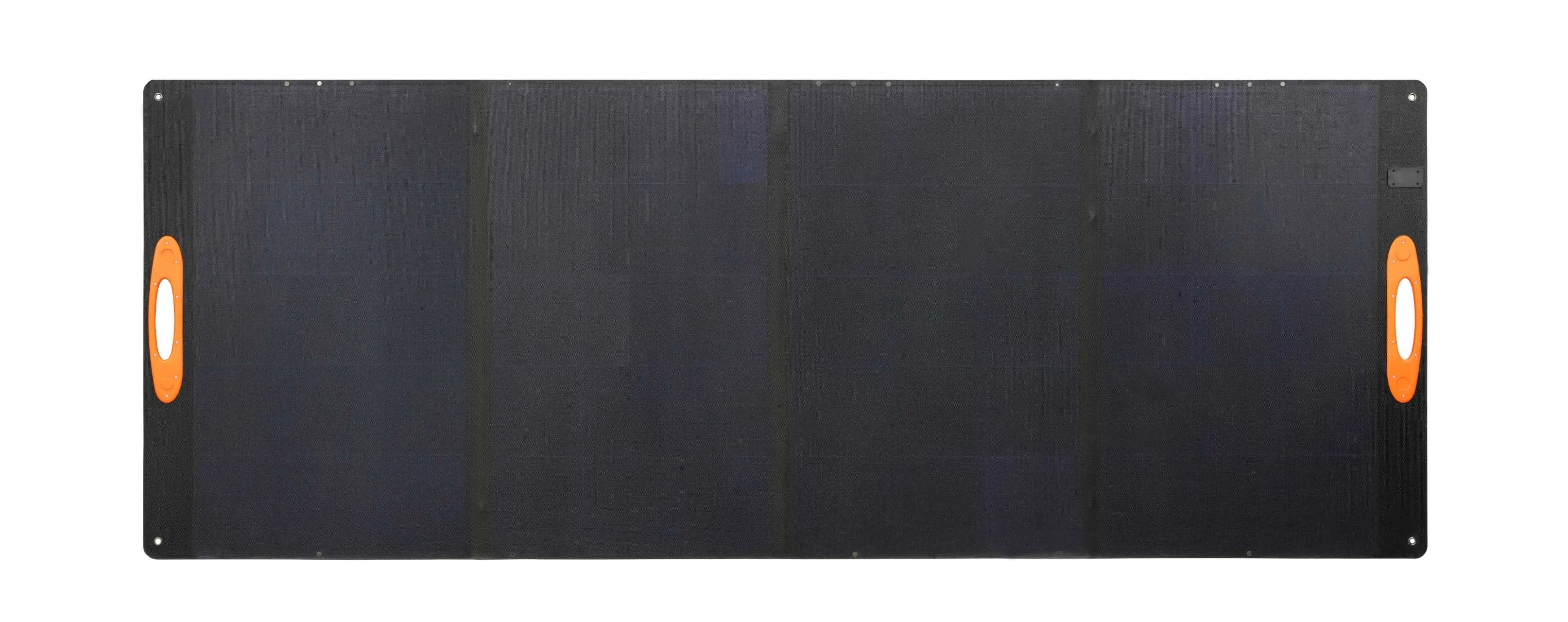
The safest path is to pilot with portable hardware, prove the numbers, then scale. A pilot using two or three wheeled stations plus a folding PV array teaches you the building's real load shape, validates the transfer scheme, and produces metered data you can take to the utility. Because wheeled stations are re-deployable, a failed pilot is not a stranded asset — the units move to the next building. For operators running multiple sites, this "pilot then standardize" model also makes procurement far easier to justify internally.
Common Mistakes to Avoid
- Sizing to nameplate instead of measurement — the number one cause of overspend.
- Forgetting surge loads — an induction motor may draw 3–5× running current for a second; check inverter peak ratings, not just continuous.
- No fire strategy for the battery room — plan location, separation, detection, and signage before ordering hardware.
- Ignoring the interconnect timeline — utility approval can dominate the project schedule; start early.
- Buying sealed, non-expandable systems — modular capacity that can be added in 5 kWh blocks protects you against load growth.
Frequently Asked Questions
How much does an urban microgrid cost?
For a commercial building-scale system (roughly 10–20 kWh of storage plus 10–20 kWp of rooftop PV), installed costs typically land in the €25,000–70,000 range depending on market, roof complexity, and whether the transfer switch already exists. Portable battery modules generally have a lower entry cost per kWh than custom-built battery rooms, but a full campus microgrid with utility interconnect adds engineering and protection costs that dominate the budget.
Can I run an urban microgrid on a leased building?
Yes, and portable or wheeled storage is the practical way to do it. Modular stations are movable assets rather than leasehold improvements, so they can be relocated when a tenancy ends and typically need far less structural or building-permit work than a fixed battery room. Always confirm with the landlord and local authority whether the install counts as a structural alteration.
What is the difference between a microgrid and a backup generator?
A backup generator only produces power when the grid fails, and only while fuel lasts. A microgrid continuously optimizes: it stores cheap or solar energy, shaves demand peaks, and islands automatically during an outage. In urban settings the microgrid also avoids noise, exhaust, and fuel logistics — factors that often make generators impractical indoors or in dense residential areas.
The Bottom Line
An urban microgrid is not a research project. It is a measured load profile, a right-sized PV array, a modular battery bank, and a disciplined transfer-and-control layer — installed on a roof that already exists. Start with the critical circuits, measure before you buy, and pilot with re-deployable hardware so the business case proves itself before the capital commitment grows.
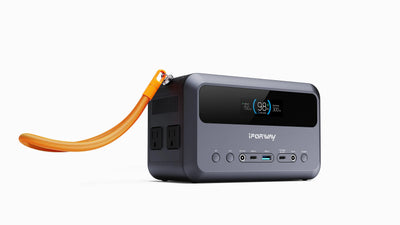
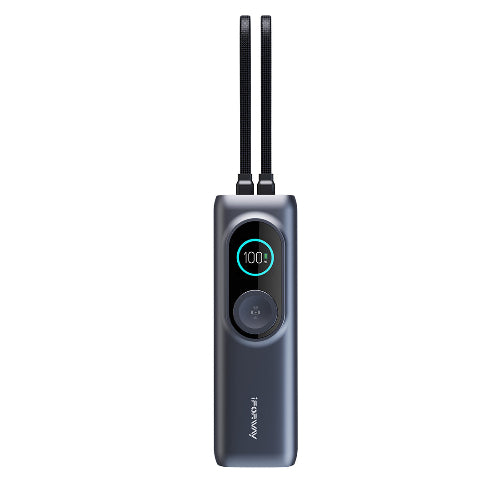
iFORWAY builds modular LFP storage from 192 Wh to 5.1 kWh that scales into exactly these deployments — from a single G02 for a telecom cabinet or a 1536 Wh HS1800 for a security room, up to multi-unit M5003 banks for building-scale islanding. Explore our home and building energy storage solutions, or talk to our engineering team about OEM and ODM programs for your own branded microgrid product line. For volume pricing, certifications, and lead times, request a quote — we respond within 24 hours.
