
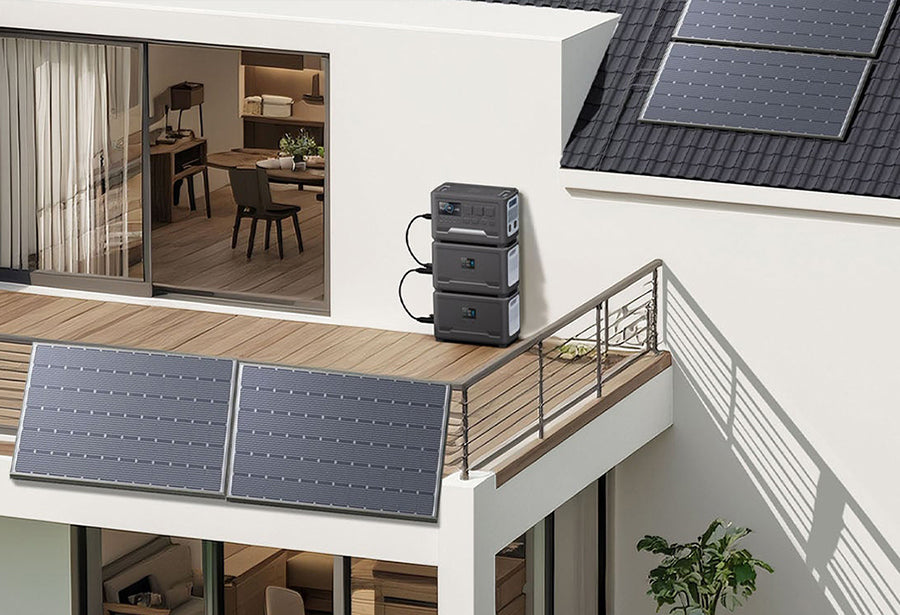
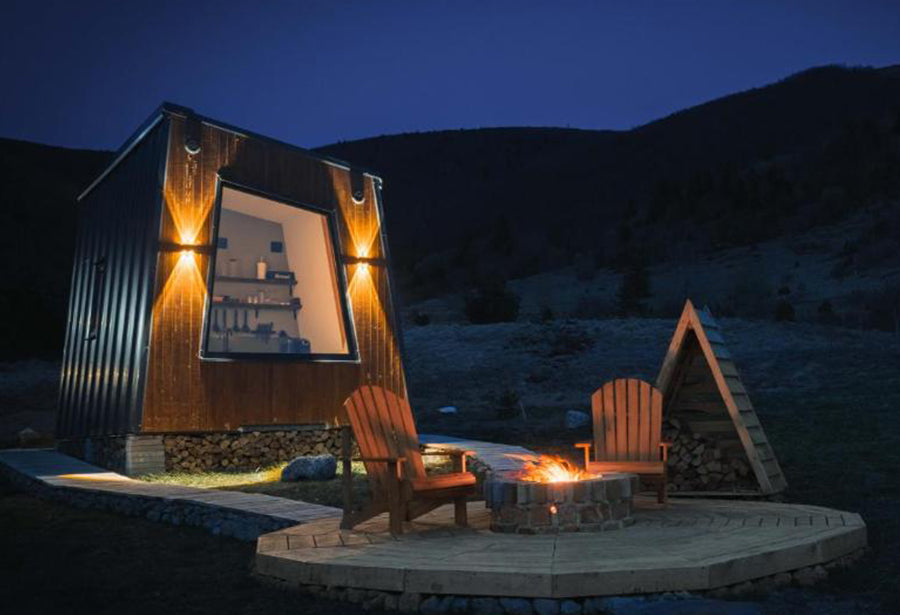
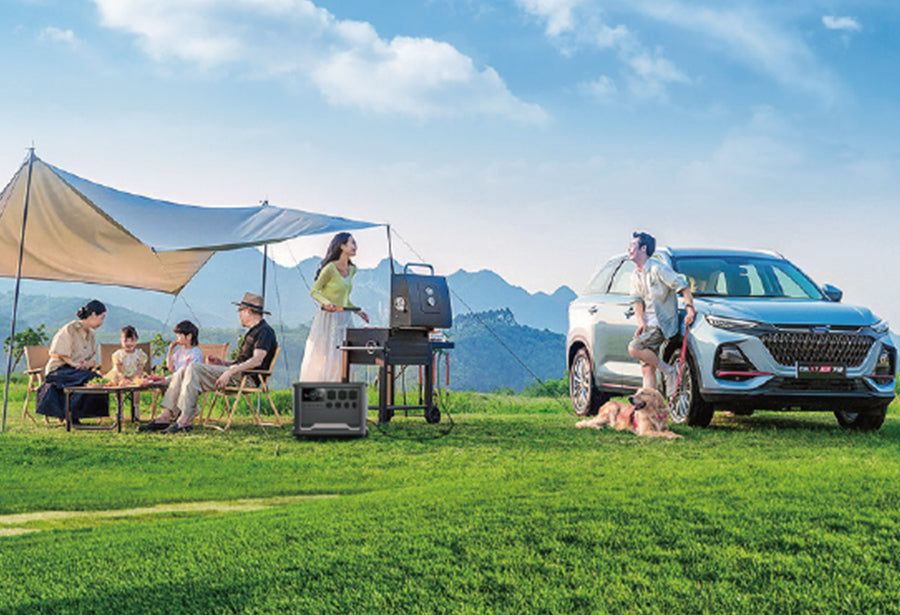

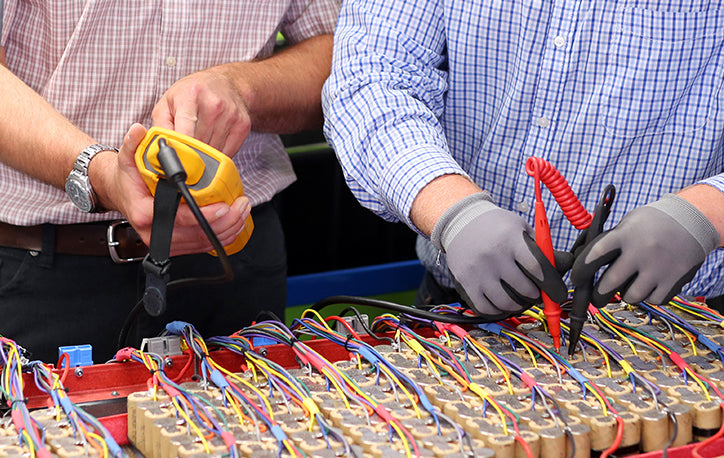


Every contractor knows the score: a job site without reliable power means cut cords, dead batteries halfway through a critical cut, and expensive downtime waiting on a fuel run. A portable power station for power tools flips that equation. The newest LiFePO4 models deliver genuine inverter-grade AC output, surge headroom for motor-starting tools, and silent fume-free operation that lets them run indoors, in basements, or on occupied premises where a gas generator is simply not allowed.
This guide explains what to look for, which specifications actually matter on a real construction site, and how to match the right station to the tools you run every day.
Why Contractors Are Switching to Battery Power Stations
Open any contractor forum in 2026 and the same conversation keeps coming back: battery stations have crossed the line from "camping gadget" to legitimate jobsite equipment. Three forces are driving that shift:
- LiFePO4 cycle life. A 3,000+ cycle LiFePO4 pack can handle a full day's charge on a job site five days a week for ten years — a real ROI story for owner-operators.
- Inverter wattage has caught up. Stations with 3,000–3,600W AC output and 7,000W+ surge now start table saws, miter saws, and angle grinders without complaint. Not long ago only gasoline could deliver that kind of surge.
- Site rules are tightening. Indoor remodels, hospitals, schools, food-grade facilities and many urban jobsites ban combustion engines outright. Battery power is the only legal option on those sites.
What to Look for in a Job Site Power Station
1. Continuous AC Wattage & Surge Headroom
The single most important spec is continuous inverter output, measured in watts. Tool motors draw two to three times their rated running wattage at startup (locked-rotor current). If your miter saw pulls 1,800W running, expect a 4,500W+ surge spike for a fraction of a second. A station that advertises 3,600W continuous with 7,200W surge handles almost every corded tool on a residential jobsite; below 2,000W continuous you will trip on circular saws and larger angle grinders.
2. LiFePO4 Battery Chemistry
LiFePO4 (LFP) cells are the only sensible choice for daily professional use. They tolerate deep discharges, deliver 3,000–6,000 full cycles, and stay thermally stable even under high inverter loads. NMC cells are lighter but wear faster; lead-acid should not be considered for jobsite work in 2026.
3. Capacity That Matches a Real Workday
Capacity is measured in watt-hours (Wh) or kilowatt-hours (kWh). A typical residential remodel day of intermittent tool use (miter saw cuts, drills, an impact driver, occasional grinder) draws 1–2kWh. A full day of framers running saws and compressors will eat 3–4kWh. Look for expandable systems — base capacity around 1–2kWh with the option to add battery packs when you need them.
4. Recharging Options
On a true jobsite you cannot always get to a wall outlet before lunch. Three recharging paths matter:
- AC wall charging — fastest full recharge (0–80% in about an hour on high-end units).
- Solar input — at least 1,000W MPPT solar input lets a panel array on the trailer roof or ground rack recharge the pack during the workday. Look for genuine MPPT controllers, not PWM.
- Car alternator / generator hybrid charging — useful for remote sites where you already have a tow vehicle or backup genset.
5. Durability & Portability
Jobsites punish equipment. Look for reinforced corners, rubberized feet, IP-rated dust and water resistance, and a balanced trolley handle design. Anything under 25kg for a 1kWh unit and under 55kg for a 3kWh+ unit is realistic. Wheels matter more than handles past 30kg.
6. Outlets, Ports & UPS Function
At minimum: two or three pure sine wave AC outlets (pure sine matters — modified square wave damages brushless motor controls), USB-A and USB-C PD ports for phones and laptops, a 12V carport for legacy tool chargers, and a covered Anderson input for solar. UPS / pass-through charging lets you leave the station plugged into a wall outlet and switch tools onto battery automatically during a power blip.
Common Tools & How Much Power They Pull
Use this table as a quick reference when sizing a station for your trade. Surge values assume worst-case locked-rotor startups.
| Tool | Running Watts | Surge Watts |
|---|---|---|
| Cordless impact driver charger | 50–80W | — |
| Reciprocating saw | 400–600W | 1,200W |
| 7¼" circular saw | 1,200–1,500W | 3,000–3,800W |
| 10" miter saw | 1,500–1,800W | 4,500W |
| Angle grinder (4½") | 700–1,000W | 2,500W |
| 1/2" hammer drill | 600–900W | 2,200W |
| Portable air compressor (1–2 HP) | 1,000–1,500W | 3,500–4,500W |
| Paint sprayer (HVLP) | 600–800W | — |
| Concrete vibrator | 800–1,200W | 2,500W |
| Jobsite vacuum / dust extractor | 1,000–1,400W | 2,500W |
The takeaway: a single high-draw tool push the inverter past 1,500W continuous. A two-tool jobsite (saw + vacuum) typically needs a 3,000W+ station to ride through saw surges without tripping.
iFORWAY Picks for Trades & Job Sites
iFORWAY makes a complete range of LFP stations that span solo handyman work all the way to full-day framing crews. Three models cover most contractor scenarios:
- Compact day-job use — iFORWAY G02 portable power station. A grab-and-go unit in the 1kWh class designed for trim work, finish carpentry, and light renovations where you charge tool batteries rather than run corded tools directly.
- Mid-size reno & remodel — iFORWAY HS1800 solar generator. ~1.8kWh of LFP capacity with around 1,800–2,200W of inverter output, expandable with extra battery packs. Runs a miter saw, vacuum, and drill chargers through a full day of cabinet installs.
- Production framing & site work — iFORWAY HS3600 portable power station. Flagship 3.6kWh class unit with high-wattage AC output and strong surge headroom, purpose-built to replace a portable generator for contractors running 110V corded tools all day.
All three use LiFePO4 cells, ship with MPPT solar inputs, and meet pure sine wave AC standards required by brushless motor tools.
Portable Power Station vs Gas Generator: A Practical Comparison
| Criterion | Battery Station (LFP) | Gas Generator (3,000W class) |
|---|---|---|
| Noise at 7m | ~30–45 dB (quiet conversation) | ~65–75 dB (loud traffic) |
| Exhaust fumes | None | CO, NOx, particulates |
| Indoor / enclosed use | Yes | No — illegal in most jurisdictions |
| Fuel logistics | None; charge from grid or solar | Gas cans, refuel trips, stabilizer |
| Maintenance | None | Oil changes, spark plugs, carb clean |
| Runtime per fill | Limited by capacity; recharges from any source | 6–10 hours per tank |
| Upfront cost per kWh | Higher | Lower |
| Total cost of ownership (3 yrs) | Lower | Higher (fuel + maintenance) |
For most professional trades today, the battery option wins on total cost of ownership once you account for fuel, maintenance, and the productivity loss from leaving a noisy site open at lunchtime. Gas still has an edge for all-day continuous heavy loads on remote sites with no solar or grid access.
How to Pick the Right Size for Your Trade
Match capacity to your typical workday, not your worst-case day. Most contractors run tools intermittently — 5 minutes of saw, 20 minutes of drilling, repeat. That intermittent duty cycle is where LFP stations shine because inverter efficiency above 90% means almost all stored energy reaches the tool.
- Finish carpenters, cabinet installers, painters, handymen. 1–2kWh class with 1,800W+ inverter. The G02 or HS1800 is the sweet spot.
- General remodelers, electricians, plumbers, HVAC. 2–4kWh class with 2,400–3,600W inverter. The HS3600 with an expansion pack handles a full day of mixed corded tools.
- Framers, concrete, deck builders. 4kWh+ class with 3,600W+ continuous and at least 7,200W surge. Pair with portable solar panels for sites without grid access.
Best Practices on a Real Job Site
- Plan solar first. A 400–800W portable panel array on a ground rack keeps a mid-size station topped up while you work, turning "fuel" into free daylight.
- Daisy-chain UPS on critical tools. Programmable thermostats, network switches and any tool with a motherboard benefit from the <10ms UPS switchover a quality station provides.
- Rotate cycles. Avoid parking the station at 100% in a hot truck all week. LFP stores best at 40–60% state of charge if it sits unused between sites.
- Use the right cable gauge. Long extension cords from the station to your saw cause voltage drop. 12-gauge or 10-gauge cords under 50ft preserve tool power and protect the inverter.
For OEM Partners & Brand Builders
If you are a tool brand, distributor, or contractor-supply company looking to launch your own power station line — or to expand an existing one with private label or co-engineered models — iFORWAY runs full OEM/ODM programs from cell selection to finished goods. Discuss spec, branding, and MOQ options on our OEM/ODM energy storage page.
Frequently Asked Questions
Can a portable power station run a 110V miter saw?
Yes — if the station has at least 2,400W continuous inverter output and 4,500W+ surge. The iFORWAY HS3600 is designed specifically for this use case and handles 10" miter saws without tripping.
Are battery stations safe indoors?
LiFePO4 chemistry is thermally stable and produces no carbon monoxide, so stations are legal and safe indoors. They meet the same electrical safety standards as any AC appliance and require no fuel handling.
How long does a power station last on a jobsite?
A daily-cycled LiFePO4 station delivers roughly 8–10 years of professional service before reaching 80% of original capacity — comparable to or better than most cordless tool platforms you already own.
Power Up Your Trade in 2026
The jobsite power conversation has changed. A modern LiFePO4 portable power station is quieter, cleaner, and faster to deploy than a gas generator, with enough inverter headroom to run every 110V tool in your van. Pick the size that matches your trade, add a folding solar panel for off-grid days, and you have a jobsite power system that pays for itself in fuel and labor saved.
Explore iFORWAY's full lineup of professional-grade portable power stations, or request a quote for wholesale and contractor pricing.
