
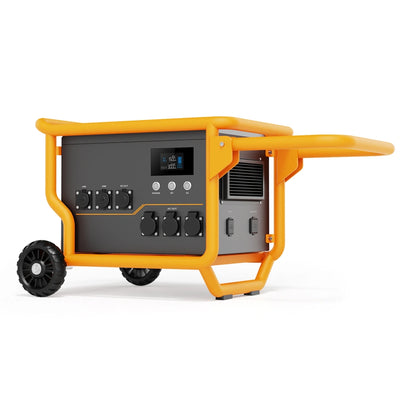
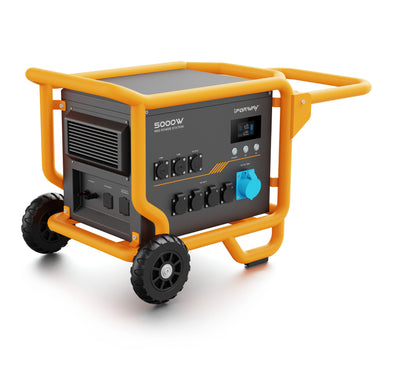
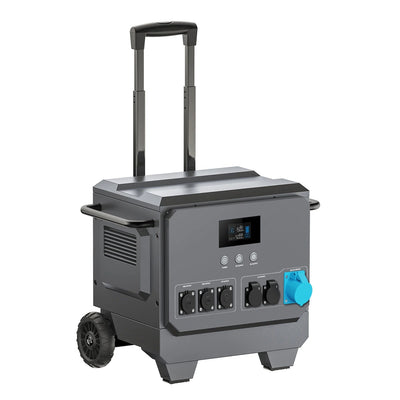
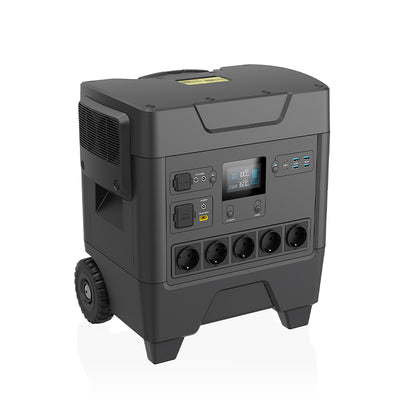
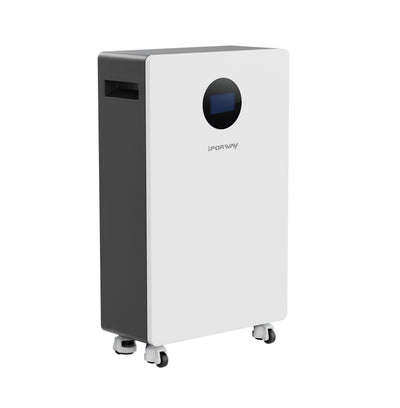
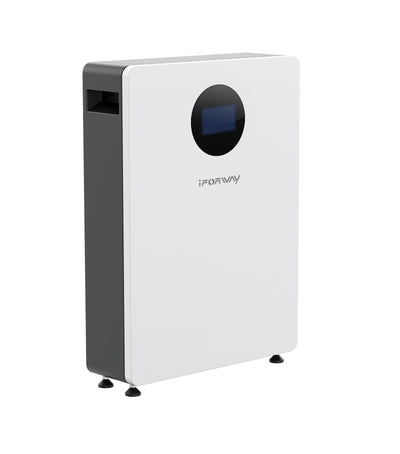
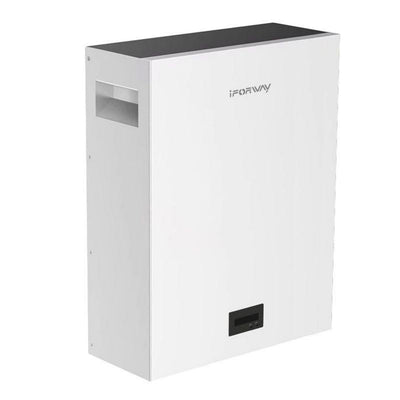
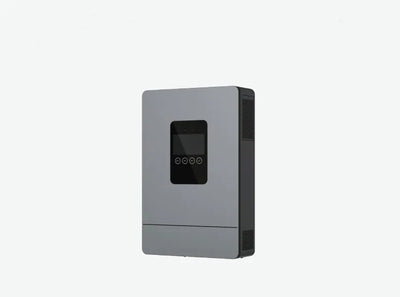
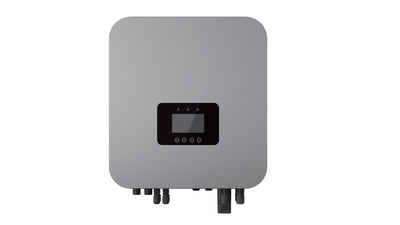
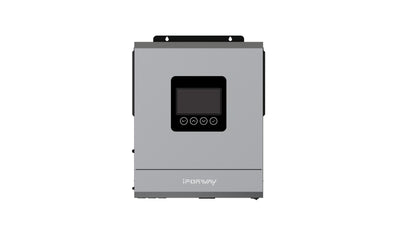
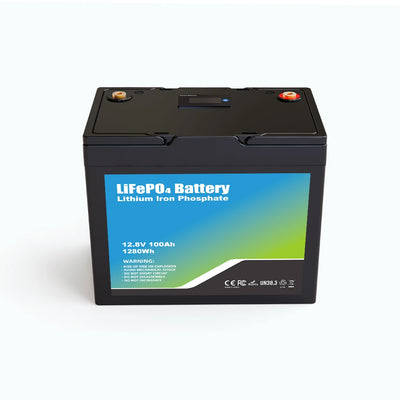
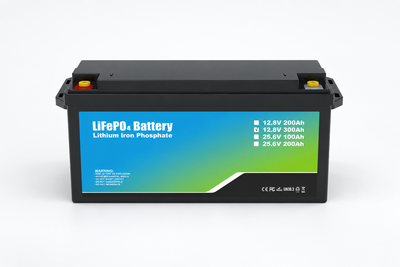
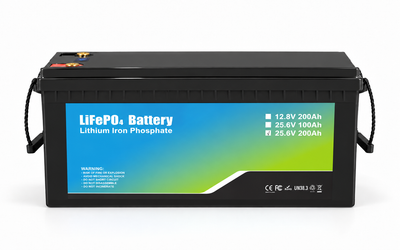
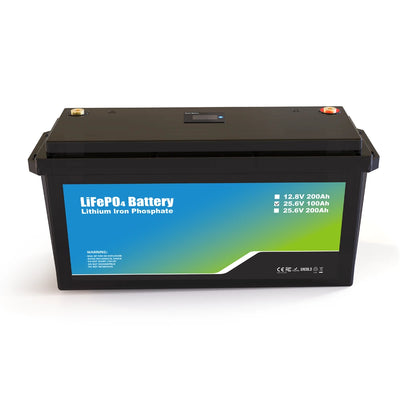

Every portable power station, home backup battery, and OEM energy storage project lives or dies by the cells inside it. And in 2026, the two chemistries competing for that job are LiFePO4 (lithium iron phosphate, or LFP) and sodium-ion (Na-ion). The LiFePO4 vs sodium-ion battery debate is no longer academic: sodium-ion cells have reached genuine commercial maturity, and both chemistries now sit side by side in product catalogs — including ours.
So which one should you spec for home backup, an RV, a job site, or your own OEM product line? This guide compares them on the numbers that actually matter: cycle life, cold-weather behavior, energy density, cost per cycle, and safety — then maps each chemistry to the applications where it wins.
Two Chemistries, One Job
LiFePO4 is the established workhorse of modern energy storage. It is a lithium chemistry, but one built on iron and phosphate instead of the nickel and cobalt used in EV-style NMC cells. That change trades some energy density for dramatically better thermal stability and cycle life, which is why LFP has become the default in home batteries, power stations, and RV systems over the past five years.
Sodium-ion swaps lithium for sodium — one of the most abundant elements on Earth. Early sodium-ion cells were heavy and short-lived, but the current commercial generation has closed much of that gap while keeping sodium's signature strengths: excellent low-temperature performance, no lithium supply-chain exposure, and very good inherent safety. iFORWAY now offers sodium-ion options alongside LFP, including a 12V sodium-ion battery for integrators and OEM projects.
Head-to-Head Comparison
| Attribute | LiFePO4 (LFP) | Sodium-ion (Na-ion) |
|---|---|---|
| Energy density | ~120–160 Wh/kg | ~100–160 Wh/kg |
| Cycle life | 3,000–6,000+ cycles | 2,000–4,000 cycles (improving fast) |
| Discharge at -20°C | ~50–60% of rated capacity | ~85–90% of rated capacity |
| Charging below 0°C | Blocked by BMS (risk of lithium plating) | Allowed with mild derating |
| Round-trip efficiency | 92–96% | 85–92% |
| Thermal runaway risk | Very low | Very low |
| Critical raw materials | Lithium, iron, phosphate | Sodium, iron, manganese — no lithium, cobalt or nickel |
| Relative cost per kWh (2026) | Lower today (massive manufacturing scale) | Slightly higher, falling toward parity |
| Best fit | Daily-cycling home storage, RVs, power stations | Cold climates, remote sites, fleet/rental, lithium-free sourcing |
Cycle Life: Which Battery Lasts Longer?
For a daily-cycled system, cycle life is the number that decides total cost of ownership. A home battery that cycles once a day performs 365 cycles a year; a rental-fleet power station can do far more.
- LiFePO4: quality LFP cells are typically rated 3,000–6,000 cycles to 80% of original capacity, with premium cells exceeding that. In a once-a-day home backup scenario, that is a 10–15 year service life.
- Sodium-ion: current commercial cells typically deliver 2,000–4,000 cycles, with the gap to LFP narrowing every generation. In the same daily-cycling scenario, expect roughly 6–10 years today.
One honest caveat: cycle-life figures assume the manufacturer's temperature and charge-rate windows are respected. A well-managed sodium-ion pack in a climate-controlled cabinet can outlast a poorly treated LFP pack left baking in a van. The BMS and thermal design around the cells matter nearly as much as the chemistry.
Cold Weather: The Clear Sodium-Ion Advantage
This is where the comparison stops being close. Below freezing, LFP cells lose a large share of usable capacity and — more importantly — must not be charged below 0°C, because charging forces lithium to plate onto the anode and permanently degrades the cell. That is why most LFP power stations simply refuse to accept solar or AC charge until their BMS warms the pack.
Sodium-ion cells behave entirely differently: they typically retain 85–90% of capacity at -20°C, and current designs accept charging well below zero with only mild derating. For winter cabins, off-grid sites in northern Europe and Canada, telecom cabinets on mountain passes, and any rental business that cannot control where its equipment spends the night, this single property can outweigh every other difference in the table.
Energy Density, Weight and Size
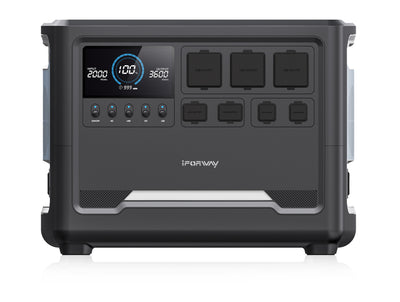
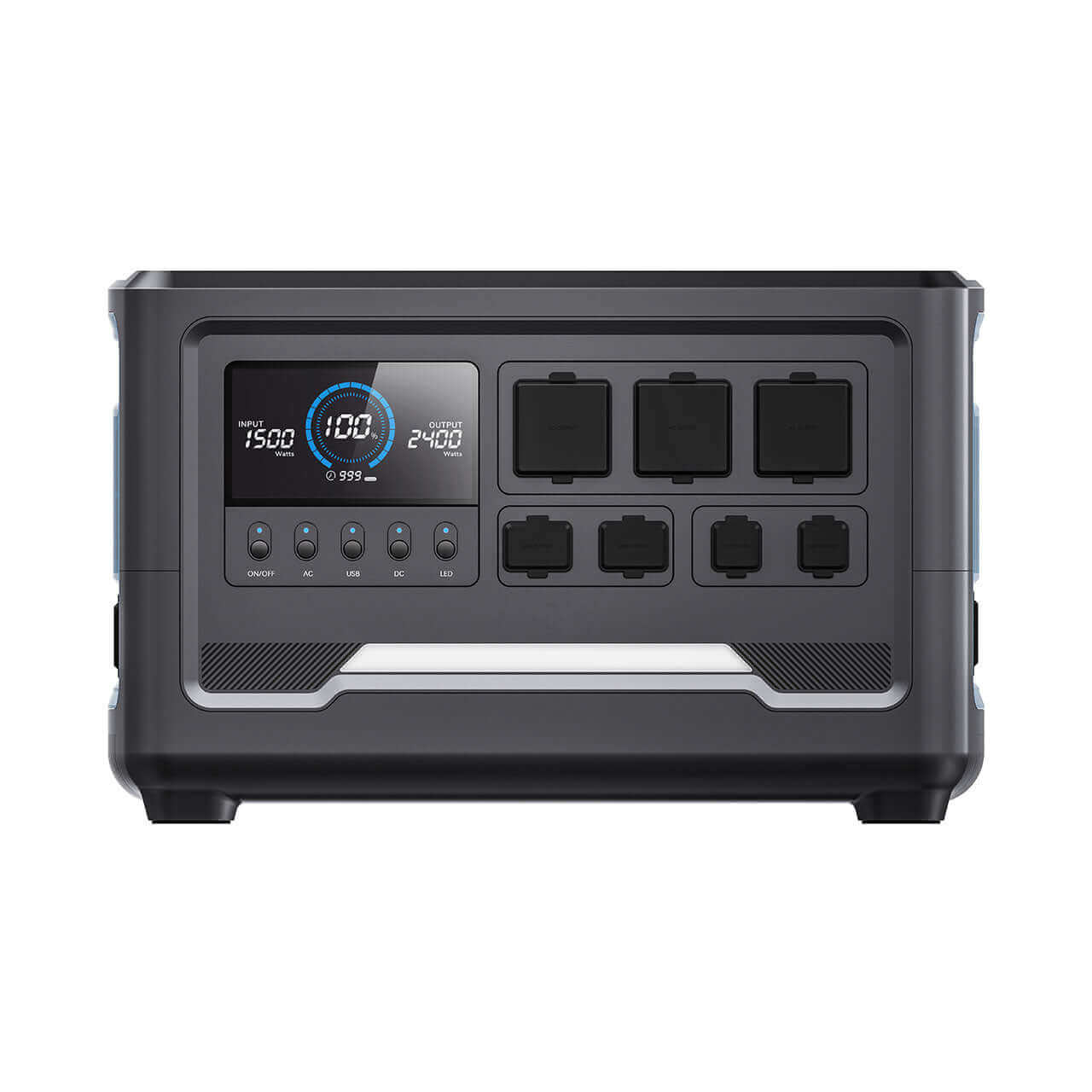
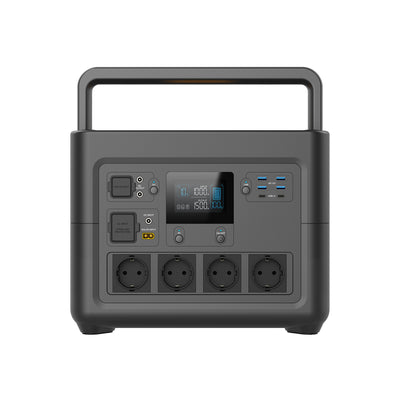
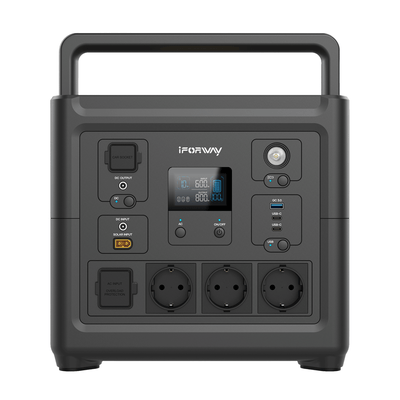
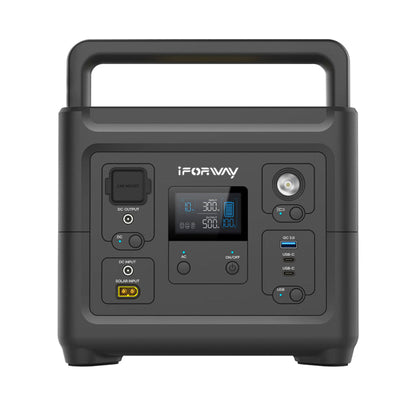
Energy density is LFP's quiet win. At roughly 120–160 Wh/kg versus sodium-ion's ~100–160 Wh/kg (both figures for commercial cells in 2026), LFP packs come out somewhat smaller and lighter for the same capacity. In a stationary garage cabinet nobody notices; in a power station you carry to a campsite, a 10–15% difference in pack weight is a real ergonomic consideration. This is also why LFP remains the default chemistry for portable products like the iFORWAY HS3600 portable power station and the mid-size HS1800 solar generator — the products are built to be moved.
That said, sodium-ion has a structural trick of its own: many designs can be safely discharged to 0V for storage and transport, simplifying shipping compliance and long-term warehousing.
Cost: Sticker Price vs Cost per Cycle
Raw-material economics favor sodium — sodium carbonate is dramatically cheaper and more abundant than battery-grade lithium carbonate — but manufacturing scale currently favors LFP, which benefits from gigafactories running at enormous volumes. In 2026 the result is roughly this:
- Upfront cost per kWh: LFP is still generally cheaper at the pack level; sodium-ion is close and falling as capacity ramps.
- Cost per cycle: for warm-climate, daily-cycling applications, LFP's longer cycle life usually wins the math today.
- Total cost in cold or harsh duty: sodium-ion frequently wins outright, because LFP systems in those environments need added heaters, insulation, and BMS complexity — or simply lose usable capacity half the year.
Safety: Both Are the Safe Choices
Both chemistries are dramatically safer than the NMC cells used in many EVs. LFP's strong phosphate-oxygen bonds make thermal runaway rare; sodium-ion cells are similarly stable and, in several abuse tests, show even gentler failure behavior. For indoor home storage — the scenario where safety matters most — either chemistry is a responsible choice, and both are infinitely safer than running a fuel generator indoors. The differences here are not a reason to choose one over the other.
Which Chemistry Should You Choose?
- Home backup battery, daily solar self-consumption: LiFePO4. Maximum cycle life and efficiency where conditions are controlled. This is the chemistry inside the HS3600 and HS1800.
- RVs, campers, portable power stations: LiFePO4 today, for weight and cycle life — with the note that a sodium-ion auxiliary battery is a smart option for winter use, such as the 12V sodium-ion battery.
- Cold climates, unheated garages, winter cabins: Sodium-ion, decisively. Usable capacity at -20°C is the whole ballgame.
- Fleet, rental, and telecom/storage cabinets: Sodium-ion for cold or uncontrolled environments; LFP where duty cycles are heavy and temperatures are managed.
- OEM and ODM product lines: Offer both, matched to the market. Sodium-ion is a genuine differentiator for Nordic, North American, and high-altitude customers — iFORWAY's OEM/ODM program covers both chemistries.
Frequently Asked Questions
Will sodium-ion replace LiFePO4?
No — they are complementary, not competitors. LFP still leads on cycle life and manufacturing cost at scale, which keeps it the default for daily-cycled home storage and portable products. Sodium-ion leads in cold weather and raw-material resilience. Expect most energy storage brands, iFORWAY included, to run both chemistries in parallel, each matched to the applications where it wins.
Can I charge a sodium-ion battery below freezing?
Yes, within limits. Most commercial sodium-ion designs accept charging below 0°C with mild derating, and some operate down to around -20°C. This is a fundamental advantage over LFP, whose BMS must block sub-zero charging to prevent lithium plating. Always follow the manufacturer's specified charge window.
Which chemistry is cheaper in 2026?
LiFePO4 remains the cheaper option upfront at the pack level, thanks to manufacturing scale. Sodium-ion is close and its trajectory is steeper because sodium raw materials are abundant and cheap. In cold-climate or uncontrolled-environment duty cycles, sodium-ion systems often deliver the lower total cost of ownership once heaters, insulation, and lost winter capacity are priced in.
The Bottom Line
The LiFePO4 vs sodium-ion battery question has a refreshingly practical answer: choose LFP for controlled conditions and maximum cycle life, choose sodium-ion for cold, harsh, or supply-chain-sensitive deployments — and let the application decide. Both are safe, mature, and ready for volume production in 2026.
Whether you are buying a home backup power station or planning a custom energy storage product line, iFORWAY builds on both chemistries. Talk to our engineering team about the right chemistry for your market and climate.
